
How Insurance Handles Disputed Liability Cases
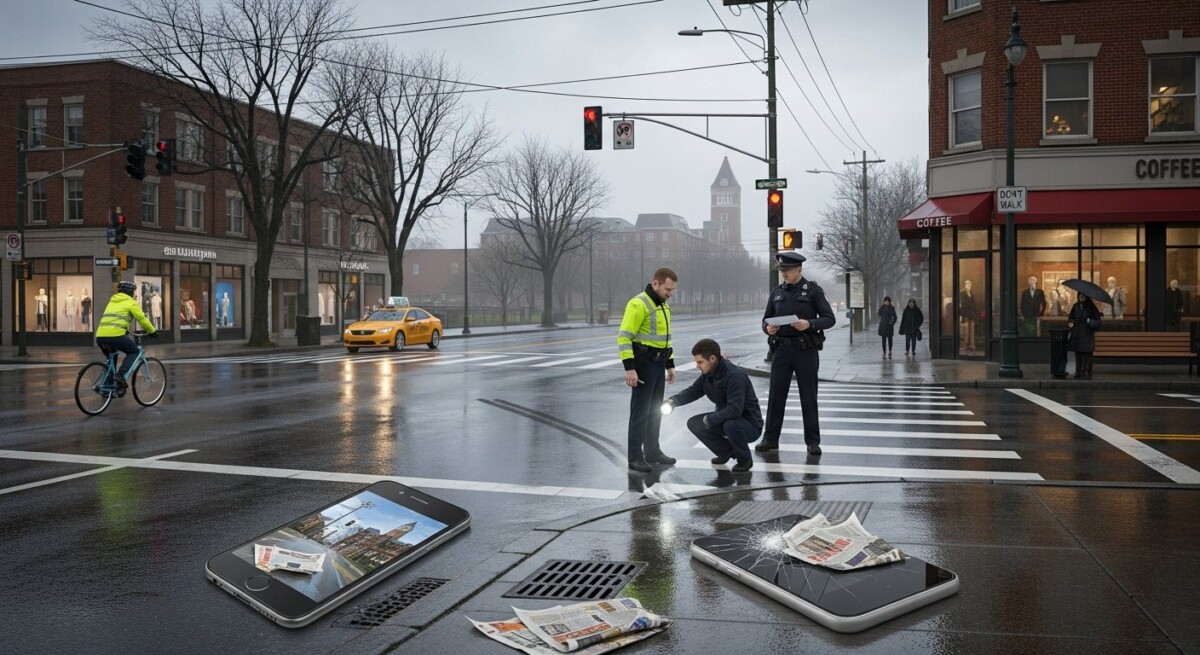
When two drivers collide at an intersection and each insists the light was green in their favor, the insurance companies face a fundamental challenge: who is legally at fault. This disagreement, known as a disputed liability case, can stall a claim for weeks or months while adjusters, lawyers, and investigators piece together evidence. Understanding how insurance handles disputed liability cases is critical for any driver who wants to avoid unnecessary delays, protect their rights, and maximize their settlement. The process is not arbitrary; it follows a structured sequence of investigation, negotiation, and sometimes litigation that determines how much compensation you ultimately receive.
Insurance companies do not simply take your word or the other driver’s word at face value. Instead, they rely on a combination of physical evidence, witness statements, police reports, and increasingly, digital data from vehicles and smartphones. The goal is to assign a percentage of fault to each party. In some states, a finding of even 1 percent fault can reduce your recovery; in others, it can bar you from collecting anything at all. Knowing how insurers approach these disputes empowers you to gather the right evidence early and avoid common mistakes that weaken your position.
This article walks through the exact steps insurers follow when liability is contested, the types of evidence that carry the most weight, how comparative and contributory negligence rules affect your claim, and what you can do if the insurer unfairly denies or reduces your settlement. We also include practical advice for working with an attorney referral service like LawyerOffer to level the playing field against large insurance companies.
Step One: The Initial Investigation
Once an insurance company receives a claim where liability is disputed, the adjuster begins a formal investigation. This is not the same as a routine claim where fault is clear. The adjuster must gather enough evidence to make a reasonable determination of fault, or to defend the company’s position if the case goes to court. The investigation typically starts with a review of the police report, if one exists, and photographs of the scene.
Adjusters look for objective indicators of fault: skid marks that show where a driver braked, vehicle resting positions that reveal the angle of impact, and damage patterns that suggest which car struck which. In disputed liability cases, the physical evidence often tells a clearer story than the drivers’ memories. For example, if one car has front-end damage and the other has side damage, it strongly suggests the front-end car struck the other, not the reverse.
Insurance companies also request recorded statements from both drivers and any witnesses. These statements are taken under oath in some cases and can be used to impeach a driver later if their story changes. It is important to remember that the adjuster is not your advocate; they work for the insurance company and are trained to ask questions that might reveal inconsistencies in your account. You are not required to give a recorded statement immediately, and consulting an attorney before doing so is often wise.
Step Two: Evidence Gathering and Analysis
After the initial interviews, the adjuster compiles a detailed evidence file. This file becomes the foundation for the liability decision. Key pieces of evidence in disputed cases include:
- Police reports , While not admissible in court as proof of fault, they contain the officer’s observations, citations issued, and diagram of the scene.
- Photographs and video , Smartphone photos, traffic camera footage, and dashcam recordings are often the most persuasive evidence.
- Witness statements , Independent third parties who saw the accident can break a deadlock between two conflicting driver accounts.
- Vehicle data recorders (EDRs) , Many modern cars record speed, braking, steering angle, and seatbelt usage seconds before impact. This data is difficult to dispute.
- Cell phone records , Texting or call logs may show distraction at the time of the crash, which can shift liability.
Once the evidence is assembled, the adjuster applies the laws of the state where the accident occurred. Some states follow pure comparative negligence, meaning you can recover damages even if you are 99 percent at fault (though your recovery is reduced by your percentage of fault). Other states follow modified comparative negligence, which bars recovery if you are 50 or 51 percent at fault. A few states still use contributory negligence, which bars recovery if you are even 1 percent at fault. Understanding your state’s rule is essential because it directly affects how insurance handles disputed liability cases in your jurisdiction.
Step Three: The Liability Decision and Negotiation
After analyzing the evidence, the adjuster makes a formal liability determination. This decision is communicated to both parties in writing. If the adjuster finds the other driver at fault, your claim proceeds to the damage valuation phase. If the adjuster finds you at fault, your claim may be denied entirely. If fault is split, the adjuster assigns a percentage to each driver.
This is the point where many disputes escalate. If you disagree with the insurer’s liability finding, you have the right to challenge it. You can submit additional evidence, request a supervisor review, or hire an attorney to negotiate on your behalf. Insurance companies are more likely to adjust their position when an attorney presents a well-documented counterargument backed by legal authority.
Negotiation in disputed liability cases often involves settlement offers that reflect the insurer’s assessment of litigation risk. If the insurer believes a jury might find their insured 100 percent at fault, they will offer a higher settlement. If they believe the evidence is weak on your side, they may offer a low amount or nothing at all. This is why having strong evidence early is so important. You cannot negotiate effectively from a position of weakness.
How Attorneys and Referral Services Help
Individual claimants often struggle to match the resources and experience of insurance company adjusters. Insurance companies handle thousands of claims each year and know exactly which arguments and evidence strategies work. A single accident victim facing a major insurer is at a significant disadvantage. This is where an attorney referral platform like LawyerOffer becomes valuable. LawyerOffer connects you with attorneys who specialize in disputed liability cases, giving you access to professionals who understand how insurance handles disputed liability cases and can build a compelling case on your behalf.
Attorneys can hire accident reconstruction experts, obtain and analyze EDR data, depose witnesses, and file a lawsuit if the insurance company refuses to offer a fair settlement. They also handle the procedural requirements that trip up many self-represented claimants: filing deadlines, discovery requests, and evidentiary rules. Most personal injury attorneys work on a contingency fee basis, meaning they only get paid if you win. This aligns their interests with yours and reduces your financial risk.
What to Do If Your Claim Is Denied
If the insurance company denies your claim based on a disputed liability finding, you are not without options. First, request a written explanation of the denial and the specific evidence the insurer relied on. Review this explanation carefully for errors or omissions. If the adjuster overlooked a key witness or misinterpreted a traffic law, you can submit a formal appeal with supporting documentation.
Second, consider filing a complaint with your state’s Department of Insurance. Regulators can investigate whether the insurer acted in bad faith by unreasonably denying a claim. While this process is slow, it sometimes prompts the insurer to reopen the case.
Third, and most importantly, consult with an attorney. Many attorneys offer free initial consultations. They can evaluate the strength of your case and advise you on whether litigation is worthwhile. If your damages are significant (high medical bills, lost income, long-term disability), the cost of hiring an attorney is usually a wise investment.
Frequently Asked Questions
What is the most important evidence in a disputed liability case?
Dashcam video or traffic camera footage is often the most persuasive evidence because it provides an objective, third-party view of the accident. In the absence of video, vehicle data recorder (black box) data and independent witness statements carry significant weight.
Can I still get compensation if I am partially at fault?
Yes, in most states. Under comparative negligence rules, your compensation is reduced by your percentage of fault. For example, if you are 20 percent at fault and your damages total $10,000, you would receive $8,000. In a few states with contributory negligence rules, any fault at all bars recovery.
How long does a disputed liability case take to resolve?
It varies widely. Simple disputes may resolve in a few weeks if clear evidence exists. Complex cases involving multiple parties, serious injuries, or conflicting evidence can take months or even years, especially if a lawsuit is filed.
Should I give a recorded statement to the other driver’s insurance company?
You are generally not required to give a recorded statement to the other driver’s insurer. It is often advisable to decline until you have consulted with an attorney. Recorded statements can be used against you later if you misspeak or forget details.
How can LawyerOffer help me find the right attorney for a disputed liability case?
LawyerOffer provides a free, no-obligation referral service that matches you with attorneys experienced in handling disputed liability claims. You provide basic information about your accident, and the platform connects you with pre-screened legal professionals in your area who can evaluate your case and represent your interests.
Disputed liability cases are among the most challenging insurance claims to navigate. The outcome often hinges on evidence that must be collected quickly before it disappears, and on legal arguments that require knowledge of state-specific fault laws. By understanding how insurance handles disputed liability cases, you can take proactive steps to protect your claim: document the scene thoroughly, preserve physical evidence, avoid making statements that could be misinterpreted, and seek professional legal guidance when the stakes are high. If you find yourself in a dispute over fault, do not go it alone. Contact LawyerOffer at (833) 227-7919 to speak with a legal professional who can help you fight for the compensation you deserve.

About Micah Snowdon
Recent Posts
How Comparative Negligence Laws Differ by State
Understand how comparative negligence laws differ by state and protect your settlement. Call (833) 227-7919 for a free case review.
Why State Laws Differ in Accident Cases and What That Means for You
Understand how state laws differ in accident cases and protect your claim. Call (833) 227-7919 for a free attorney referral.
How Jurisdiction Affects Accident Claim Outcomes
Understand how jurisdiction affects accident claim outcomes and maximize your recovery. Call (833) 227-7919 for a free attorney referral.