
How Accident Liability Is Determined Without Witnesses
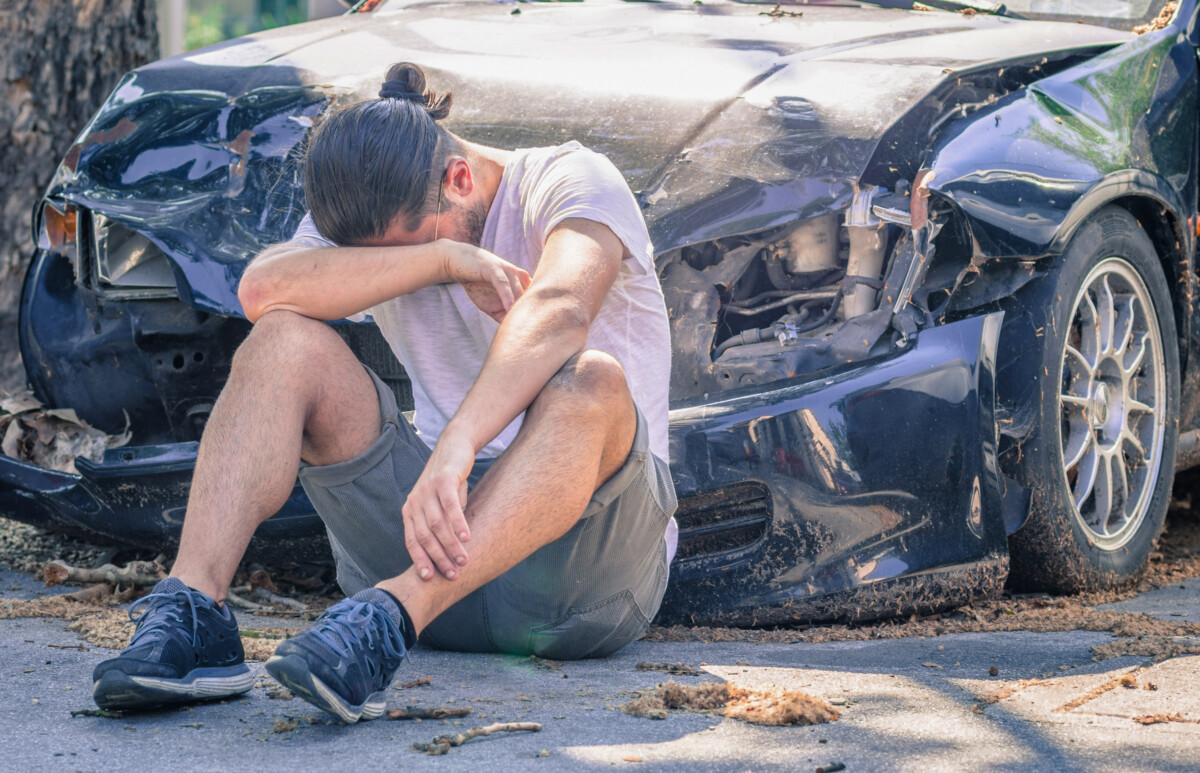
Being involved in a car accident is stressful enough. But when you realize there were no independent witnesses to confirm your version of events, the situation can feel overwhelming. You may worry that the other driver will blame you and that the insurance company will side with them simply because there is no neutral third party to back you up. Fortunately, accident liability can still be determined without witnesses. Insurance adjusters and courts rely on a combination of physical evidence, driver statements, and established legal principles to reconstruct what happened. Understanding how accident liability is determined without witnesses can help you protect your rights and build a stronger claim.
Why Witnesses Are Not Always Available
Many accidents occur in locations where there are few bystanders. Rural roads, highway interchanges, and late-night collisions often lack neutral observers. Even in busy areas, other drivers may not stop to provide a statement. When this happens, the investigation shifts to other forms of evidence. The absence of witnesses does not automatically mean your claim will fail. It simply means the evidence must be gathered and analyzed more carefully.
Insurance companies and courts understand that witness testimony can be unreliable anyway. People may misremember details, have limited visibility, or give conflicting accounts. Physical evidence often provides a more objective picture. For this reason, the legal system has developed methods to assign fault even when no one saw the collision happen.
The Role of Physical Evidence
Physical evidence is the foundation of any no-witness accident investigation. When two vehicles collide, they leave behind traces that tell a story. The most important pieces of physical evidence include vehicle damage patterns, tire marks, debris fields, and final resting positions. Each of these elements can indicate speed, direction, and point of impact.
Photographs taken at the scene are critical. You should take wide-angle shots of the entire scene, close-ups of damage to both vehicles, and images of road conditions, weather, and traffic signs. Skid marks can reveal whether a driver braked suddenly, and their length can help estimate speed. Gouge marks on the pavement often indicate the exact point of impact. The location of broken glass or car parts can also show where the collision occurred relative to lanes or intersections.
Law enforcement officers are trained to document and interpret this evidence. A police report will typically include the officer’s observations about damage, skid marks, and the position of the vehicles. Even if the officer did not see the accident, the report can become a powerful tool for establishing fault. If you have a dashcam or surveillance footage from nearby businesses, that evidence can also fill the gap left by missing witnesses.
Driver Statements and Consistency
When there are no witnesses, your own statement becomes more important. You should provide a clear, consistent account of what happened to the police and your insurance company. Stick to the facts you are certain about. Do not guess or speculate about what the other driver might have done. Inconsistencies in your story can be used against you, so it is wise to write down your recollection as soon as possible after the accident while details are fresh.
The other driver’s statement will also be scrutinized. If their version of events conflicts with the physical evidence, that can weaken their credibility. For example, if they claim you ran a red light but your vehicle sustained damage on the side rather than the front, the damage pattern may contradict their account. Insurance adjusters compare both statements against the physical evidence to determine which version is more plausible.
Traffic Laws and Presumptions of Fault
Certain traffic violations create presumptions of fault that can help determine liability without witnesses. For example, if a driver rear-ends another vehicle, they are almost always presumed to be at fault regardless of whether there were witnesses. This is because the law requires drivers to maintain a safe following distance. Similarly, a driver who makes an illegal left turn, runs a stop sign, or exceeds the speed limit may be presumed negligent if the accident resulted from that violation.
These legal presumptions do not require eyewitness testimony to apply. The police officer or adjuster simply needs to determine that a traffic law was violated and that the violation caused the crash. Evidence such as skid marks, damage location, and the final position of the vehicles can establish these facts. For instance, if one vehicle is found in the middle of an intersection with front-end damage and the other has side damage, it may suggest that the first vehicle failed to yield.
The Comparative Negligence Framework
In many states, liability is not all-or-nothing. Under comparative negligence rules, each party can be assigned a percentage of fault. Even if you contributed to the accident, you may still recover damages as long as your fault is below a certain threshold (often 50 percent in modified comparative negligence states). Without witnesses, the adjuster or court will allocate fault based on the available evidence.
For example, if the evidence shows that you were speeding but the other driver made an illegal lane change, you might be found 30 percent at fault and the other driver 70 percent at fault. Your compensation would then be reduced by your share of fault. Understanding how accident liability is determined without witnesses can help you anticipate how fault might be allocated and prepare a strategy to minimize your percentage.
Steps to Take at the Scene
If you are involved in an accident with no witnesses, what you do in the immediate aftermath can make or break your claim. Follow these steps to preserve critical evidence:
- Call the police. Even for minor accidents, a police report provides an official record of the scene and the officer’s observations.
- Take extensive photos and video. Capture the vehicles from multiple angles, the surrounding area, road signs, traffic signals, and any visible hazards.
- Exchange information. Get the other driver’s name, phone number, insurance details, and license plate number.
- Look for surveillance cameras. Note any nearby businesses, homes, or traffic cameras that may have recorded the accident.
- Write down your own account. Record what you remember about speed, direction, signals, and the seconds leading up to the crash.
Each of these actions helps build a documentary record that can substitute for witness testimony. The more evidence you collect, the harder it becomes for the other driver or their insurance company to distort the facts.
How Insurance Companies Investigate Without Witnesses
Insurance adjusters are trained to investigate claims where witness testimony is unavailable. They will typically request the police report, review photographs, and examine the damage to both vehicles. They may also ask you to provide a recorded statement. You have the right to decline a recorded statement until you have consulted with an attorney. Giving a recorded statement without preparation can lead to inadvertent admissions or inconsistencies.
Adjusters also use accident reconstruction techniques. They may measure skid marks, analyze crush patterns, and use software to simulate the collision. These methods can determine the speed of each vehicle, the angle of impact, and which driver had the right of way. The results are often persuasive in settlement negotiations or in court.
Insurance companies may also look at the drivers’ histories. A driver with multiple prior accidents or traffic violations may be viewed as more likely to have caused the crash. This is not direct evidence of fault, but it can influence how adjusters weigh conflicting accounts.
The Importance of Legal Representation
Navigating a no-witness accident claim on your own can be difficult. Insurance companies have resources and experience that most individuals lack. They may downplay the strength of the physical evidence or pressure you into accepting a low settlement. An experienced personal injury attorney can level the playing field. Lawyers understand how accident liability is determined without witnesses and know how to gather and present evidence effectively.
An attorney can also hire independent accident reconstruction experts if needed. These experts can provide testimony or reports that support your version of events. If the other driver’s insurance company refuses to accept liability, your lawyer can file a lawsuit and take the case to court. Having professional representation signals that you are serious about your claim, which often leads to better settlement offers.
If you are looking for legal help, LawyerOffer can connect you with qualified attorneys in your area. Their referral service is designed to help accident victims find representation quickly. Visit LawyerOffer to learn more about your options.
Frequently Asked Questions
Can I win a car accident claim if there are no witnesses?
Yes. Many claims are successfully resolved without witness testimony. Physical evidence, police reports, and driver statements can be sufficient to establish liability. The key is to document the scene thoroughly and present a consistent account of events.
What if the other driver lies about what happened?
Lying is common in no-witness accidents, but it can backfire. If the other driver’s story contradicts the physical evidence, their credibility is damaged. Insurance adjusters and judges are skilled at spotting inconsistencies. Your attorney can use the evidence to expose false statements.
How does a police report help without witnesses?
The police report includes the officer’s observations about vehicle damage, skid marks, road conditions, and the statements of both drivers. While the report is not conclusive proof of fault, it carries weight with insurance companies and can be used as evidence in court.
Should I hire a lawyer for a no-witness accident?
It is highly recommended. An attorney can gather evidence, interview experts, and negotiate with the insurance company on your behalf. Without legal representation, you may miss important deadlines or accept a settlement that does not fully cover your damages.
What evidence is most important in a no-witness case?
Photographs of the scene, vehicle damage, and road conditions are critical. Skid marks, debris patterns, and the final position of the vehicles also provide valuable clues. Dashcam footage or surveillance video from nearby businesses can be decisive.
Understanding how accident liability is determined without witnesses empowers you to take the right steps after a crash. By collecting evidence, reporting the accident promptly, and seeking legal guidance, you can protect your rights and pursue the compensation you deserve. If you need help finding a lawyer, contact LawyerOffer at (833) 227-7919 to discuss your case with a qualified professional.

About Alden Navarro
Recent Posts
How Jurisdiction Affects Accident Claim Outcomes
Understand how jurisdiction affects accident claim outcomes and maximize your recovery. Call (833) 227-7919 for a free attorney referral.
Why Legal Deadlines Can Make or Break Your Accident Case
Missing a filing deadline can end your accident case instantly. Get legal help today at (833) 227-7919.

How Statute of Limitations Affects Injury Claims: Key Deadlines
Learn how statute of limitations affects injury claims and why deadlines matter. Call (833) 227-7919 for a free case review to protect your rights.