
What Happens When an Accident Case Goes to Trial
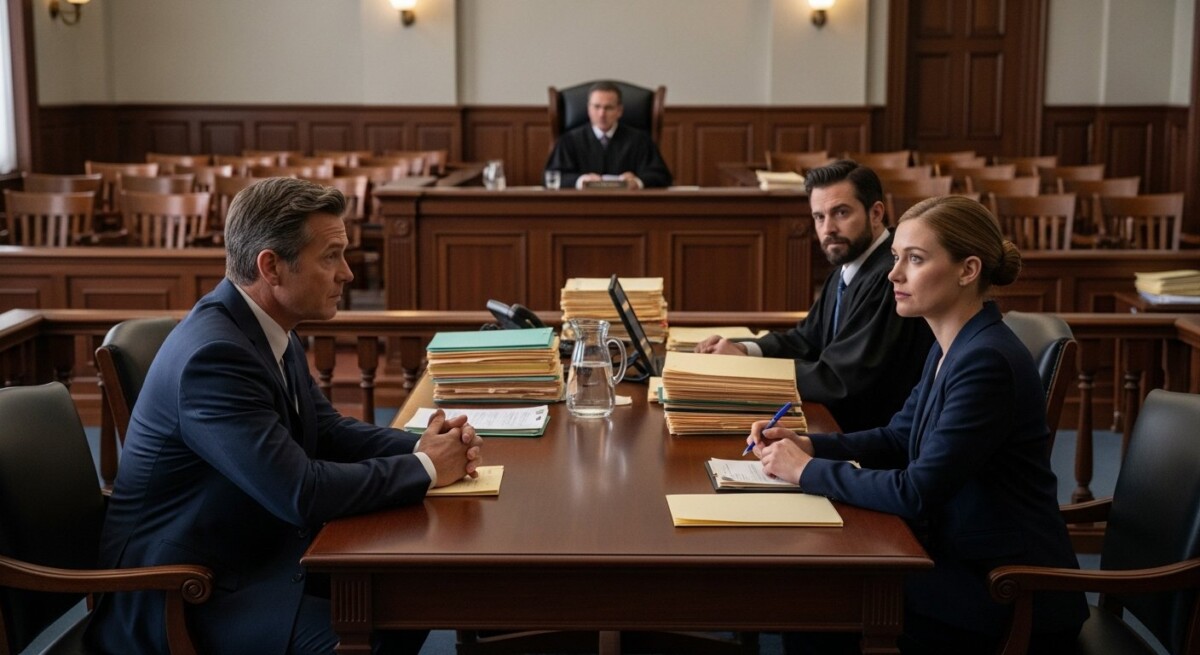
Most personal injury claims settle long before they reach a courtroom. Insurance companies and defense attorneys typically prefer to negotiate a payout rather than risk an unpredictable jury verdict. But when settlement talks stall or the other side refuses to offer fair compensation, your case may proceed to trial. Understanding what happens when an accident case goes to trial can help you prepare mentally, emotionally, and financially for this high-stakes phase of litigation.
Many people assume a trial is the natural end point of every lawsuit, but that is not accurate. In reality, fewer than five percent of personal injury cases ever see a courtroom. The vast majority resolve through settlement agreements or alternative dispute resolution methods like mediation and arbitration. However, when liability is hotly contested, the injuries are severe, or the insurance carrier refuses to negotiate in good faith, trial becomes the only path to justice. This article walks through each stage of a civil trial so you know exactly what to expect and how to protect your rights.
The Pretrial Process That Sets the Stage
Before a jury ever hears opening statements, months or even years of preparation occur behind the scenes. The pretrial phase includes discovery, motions practice, and settlement conferences that shape how the trial unfolds. During discovery, both sides exchange evidence, take depositions, and request documents. This is where your attorney gathers medical records, expert reports, and witness statements that will be presented at trial.
Your legal team will also file pretrial motions that can narrow the issues or even eliminate certain claims before the trial begins. For example, a motion for summary judgment asks the judge to rule that the other party is liable as a matter of law, potentially avoiding a trial altogether. If the judge denies that motion, the case proceeds to trial with a clear roadmap of what evidence is admissible and what arguments each side can make.
The court typically requires both parties to attend at least one pretrial settlement conference. A judge or magistrate will facilitate negotiations and encourage a resolution. If no agreement is reached, the court will set a firm trial date. During this phase, your attorney will also prepare trial exhibits, create witness lists, and develop the theme of your case that will be presented to the jury. For a deeper look at selecting the right representation to guide you through this process, you can read our guide on how to find the best lawyer for your car accident case.
Jury Selection: The First Critical Step
When the trial date arrives, the first order of business is selecting the jury. This process, called voir dire, allows both attorneys to question potential jurors about their backgrounds, biases, and ability to be impartial. Your lawyer will look for jurors who are sympathetic to injury victims and who understand concepts like negligence and pain and suffering. The defense attorney will try to exclude jurors who might be too generous with damages.
Each side can strike a limited number of jurors without giving a reason, known as peremptory challenges. They can also ask the judge to remove a juror for cause if that person shows clear bias. A well-chosen jury can dramatically affect the outcome of your case. Attorneys often spend days working through a large jury pool to find the six to twelve people who will decide your fate.
Your presence in the courtroom during jury selection matters. You should dress professionally, maintain eye contact, and show respect for the proceedings. Jurors will be watching you, and their first impressions can influence how they perceive your credibility throughout the trial.
Opening Statements: Telling Your Story
Once the jury is sworn in, each side delivers an opening statement. Your attorney goes first and presents a clear, compelling overview of what the evidence will show. This is not an argument. It is a roadmap that helps jurors understand the story of your accident, your injuries, and why the defendant should be held responsible. A strong opening statement frames the entire trial and gives jurors a lens through which they will view all subsequent evidence.
The defense will then give its own opening statement, offering a different version of events. The defense may argue that you were partially at fault, that your injuries are not as severe as claimed, or that the accident did not happen the way you describe. After both sides finish their opening statements, the presentation of evidence begins.
The Plaintiff’s Case in Chief
Because you are the plaintiff, your side presents evidence first. Your attorney will call witnesses, introduce documents, and display photographs or video footage that supports your claims. The goal is to prove each element of your case by a preponderance of the evidence, meaning it is more likely than not that the defendant’s negligence caused your injuries.
Key witnesses in a car accident trial often include:
- Eyewitnesses who saw the collision and can describe how it happened
- Medical experts who explain the nature and extent of your injuries
- Economic experts who calculate lost wages and future medical costs
- Accident reconstruction specialists who analyze vehicle damage and skid marks
- Family members or friends who can testify about how your injuries have affected your daily life
Each witness will be questioned by your attorney in direct examination. Then the defense attorney gets to cross-examine the witness, trying to poke holes in their testimony or undermine their credibility. Your lawyer will then have the opportunity to conduct redirect examination to clarify any points that were confused during cross-examination.
Throughout this phase, you will sit at the plaintiff’s table and observe. You may be called to testify about your own experience of the accident and your ongoing pain or limitations. This can be emotionally difficult, but it is essential that you tell your story honestly and clearly. Jurors want to see that you are a real person who has suffered real harm.
The Defense Case and Your Response
After your side rests, the defense presents its own evidence. The defendant may call witnesses, introduce expert testimony, or present documents that contradict your version of events. Common defense strategies include arguing that you were speeding, that you failed to yield, or that your pre-existing medical conditions, not the accident, caused your symptoms.
Your attorney will cross-examine each defense witness and try to expose weaknesses in their testimony. If the defense introduces expert opinions, your own experts may be called during rebuttal to challenge those conclusions. This back-and-forth can continue for several days, depending on the complexity of the case.
At the conclusion of all evidence, the judge will instruct the jury on the law that applies to your case. The jury will then retire to deliberate and reach a verdict. Deliberations can take anywhere from a few hours to several weeks, depending on the complexity of the issues and the strength of the evidence.
The Verdict and Potential Outcomes
When the jury returns, the foreperson reads the verdict aloud. In a civil trial, the jury must answer specific questions about liability and damages. They may find the defendant fully liable, partially liable, or not liable at all. If they find the defendant liable, they will also determine the amount of compensation you should receive.
Possible verdicts include:
- A full award covering medical expenses, lost wages, pain and suffering, and other damages
- A reduced award if the jury finds you partially at fault under comparative negligence rules
- A defense verdict where the jury finds the defendant not liable, and you receive nothing
- A hung jury where the jurors cannot agree, which may lead to a mistrial and a new trial
If you win, the judge will enter a judgment in your favor. However, collecting that judgment can be a separate challenge if the defendant lacks insurance or assets. Your attorney can help you pursue collection methods such as wage garnishment or asset seizure, but these options are not always successful. Understanding your rights and options after a verdict is critical, and our article on car accident settlement offers additional insight into what happens after a court decision.
Post-Trial Motions and Appeals
Even after a verdict, the legal battle may not be over. The losing party can file post-trial motions asking the judge to overturn the verdict or order a new trial. Common grounds include legal errors during the trial, misconduct by the jury, or evidence that was improperly admitted. If the judge denies these motions, the losing party can appeal to a higher court.
Appeals are not retrials. The appellate court reviews the trial record to determine whether the judge made legal mistakes that affected the outcome. If the appellate court finds reversible error, it may order a new trial or modify the judgment. Appeals can take months or even years and add significant costs to both sides.
Most personal injury cases end at the trial level, but you should be prepared for the possibility of an appeal. Your attorney will advise you on the likelihood of success and the costs involved if the other side chooses to appeal. For more information on how legal developments affect injury cases, explore our coverage of legal news.
Frequently Asked Questions
How long does a personal injury trial usually last?
Most trials last between two and ten days. Complex cases involving multiple parties or severe injuries can take several weeks. The length depends on the number of witnesses, the volume of evidence, and the court’s schedule.
Do I have to testify at my own trial?
In most cases, yes. Your testimony is often the most powerful evidence of how the accident affected your life. Your attorney will prepare you thoroughly so you know what to expect and how to answer questions clearly.
What happens if I lose at trial?
If the jury finds the defendant not liable, you receive no compensation. You may also be responsible for certain costs, though most personal injury attorneys work on a contingency fee basis, meaning you only pay if you win. Your attorney can explain the specific fee arrangement in your case.
Can I settle my case after the trial has started?
Yes. Settlement negotiations can continue even after the trial begins. Many cases settle during trial once both sides see how the evidence is landing with the jury. If a settlement is reached, the trial stops and the case is dismissed.
What is the difference between a bench trial and a jury trial?
In a bench trial, the judge decides both the facts and the law. In a jury trial, the jury decides the facts and the judge applies the law. Most personal injury plaintiffs prefer jury trials because jurors tend to be more sympathetic to injury victims than judges.
Preparing for the Road Ahead
Taking an accident case to trial is a significant undertaking that requires patience, courage, and strong legal representation. The process can be emotionally draining and financially risky, but for many injury victims, it is the only way to secure the compensation they deserve. If you are considering trial, you should work closely with an experienced attorney who can evaluate your case, manage the logistics, and advocate for you every step of the way.
Your attorney will help you understand the specific laws in your state, the strengths and weaknesses of your evidence, and the realistic range of outcomes you might expect. They will also guide you through the practical aspects of trial preparation, from selecting what to wear to practicing your testimony. With the right team and a clear understanding of what happens when an accident case goes to trial, you can face the courtroom with confidence. To learn more about how legal representation can protect your interests, visit LawyerOffer for resources and referrals to qualified attorneys.

About Julian Everoak
Recent Posts

Documenting Settlement Negotiations: A Legal Guide
Discover how settlement negotiations are documented to protect your claim. Get expert legal help by calling (833) 227-7919 today.

How Legal Ethics Affect Accident Litigation Outcomes
Discover how legal ethics shape accident litigation and protect your claim. Call LawyerOffer at (833) 227-7919 for help finding ethical counsel.
How Private Investigators Are Used in Accident Cases
Discover how private investigators are used in accident cases to strengthen your claim and maximize your settlement. Call (833) 227-7919 for a free attorney referral.