
How Juries Evaluate Pain and Suffering Claims
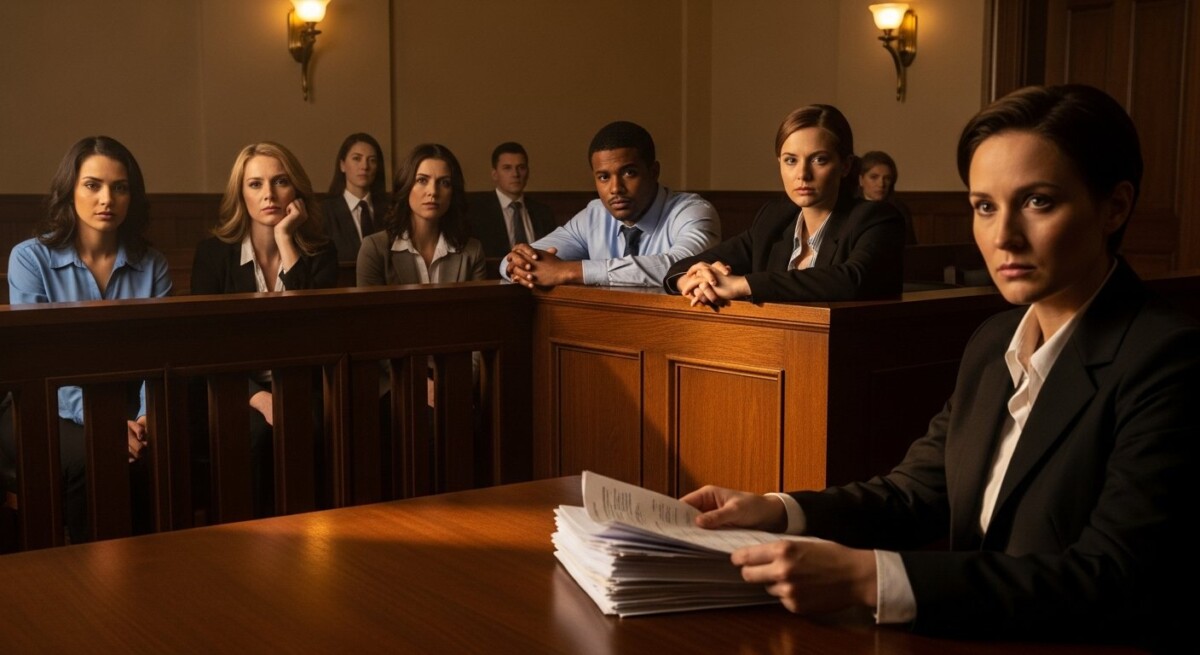
When a personal injury case goes to trial, the jury holds enormous power. They decide not only who was at fault but also how much money the injured person deserves for their pain and suffering. Unlike medical bills or lost wages, pain and suffering has no receipt or price tag. This makes it one of the most debated and unpredictable parts of any civil lawsuit. Understanding how juries evaluate pain and suffering claims can help you prepare for what lies ahead and make informed decisions about your case.
Pain and suffering refers to the physical discomfort and emotional distress caused by an injury. It includes ongoing pain, loss of enjoyment of life, anxiety, depression, and the inability to perform everyday activities. Juries must assign a dollar amount to these subjective experiences based on the evidence they see and hear. The process is not random. Jurors follow legal instructions, weigh testimony, and use their life experience to reach a fair number. However, the outcome can vary widely depending on the facts of the case and how well the story is presented.
The Legal Framework for Pain and Suffering Damages
Before a jury can award pain and suffering damages, the judge instructs them on the law. These instructions define what pain and suffering means in that jurisdiction and what factors the jury should consider. In most states, pain and suffering is classified as non-economic damages. This sets it apart from economic damages like medical expenses and lost income which have clear dollar values. Non-economic damages are intended to compensate for the intangible losses that accompany a serious injury.
Some states impose caps on non-economic damages in certain types of cases. Medical malpractice cases often have strict limits. For example, California caps non-economic damages at $250,000 in medical malpractice lawsuits. Other states have no caps at all for personal injury cases. A jury may award a large sum, but the judge may later reduce it if a cap applies. Your attorney can explain the specific rules in your state and how they affect your potential recovery.
Jurors also learn about the concept of reasonableness. They cannot award an amount based on sympathy alone. The award must be supported by evidence and be proportional to the harm suffered. This legal framework gives the jury a structure to follow while still allowing them discretion to decide what feels fair.
Factors That Influence a Jury’s Decision
Juries consider a wide range of factors when deciding how much to award for pain and suffering. No single factor determines the outcome. Instead, jurors weigh the entire picture and look for consistency. A strong case presents clear evidence across multiple areas.
Severity and Permanence of the Injury
The most important factor is the nature of the injury itself. A broken bone that heals completely in six weeks will not command the same award as a spinal cord injury causing permanent paralysis. Juries want to know if the injury is temporary or permanent. They also consider the level of pain involved. Graphic medical evidence such as photographs of injuries, surgical videos, or diagnostic scans can help jurors understand the severity. Testimony from doctors about the long-term prognosis carries significant weight because it comes from an objective expert.
Permanent injuries often lead to higher awards because the pain will continue for the rest of the plaintiff’s life. Jurors try to imagine living with that condition themselves. When they can see that the injury is life-altering, they are more likely to award substantial damages.
Impact on Daily Life
Jurors want to know how the injury has changed the plaintiff’s everyday existence. This goes beyond physical pain to include the loss of activities that once brought joy. A plaintiff who can no longer play with their children, work in their garden, or participate in hobbies has a powerful story to tell. Testimony from family members, friends, and coworkers can illustrate these changes better than the plaintiff alone.
For example, a plaintiff who loved running marathons but now struggles to walk a block can show the jury what they lost. Jurors connect with these human moments. They want to see that the injury has real consequences on the quality of life. When the evidence shows a dramatic before-and-after contrast, the jury is more likely to award meaningful compensation.
Credibility of the Plaintiff
Jurors watch the plaintiff closely. They look for signs of exaggeration, dishonesty, or inconsistency. A plaintiff who seems to be exaggerating their symptoms will lose credibility fast. On the other hand, a plaintiff who is honest about their limitations and does not overstate their pain is more likely to be believed. Defense attorneys often try to catch plaintiffs in contradictions. They may use surveillance footage or social media posts to argue that the plaintiff is not as injured as they claim.
To maintain credibility, plaintiffs should follow their doctor’s orders, attend all medical appointments, and avoid activities that contradict their claimed limitations. A single photo of the plaintiff lifting a heavy object while claiming they cannot lift anything can destroy their case. Consistency is key.
Jurors also consider the plaintiff’s demeanor on the stand. A plaintiff who appears calm and composed may seem less credible than one who shows genuine emotion when describing their pain. However, excessive crying or anger can also backfire. The most effective plaintiffs are those who come across as authentic and sincere.
How Attorneys Present Pain and Suffering to a Jury
Presenting pain and suffering to a jury requires a combination of storytelling and evidence. Good attorneys know that jurors decide based on emotion and then justify their decision with logic. The opening statement sets the tone. The attorney introduces the plaintiff as a real person with a real life that was disrupted by someone else’s negligence. They plant the seed that this case is about fairness and justice, not greed.
During the trial, the attorney builds the case through witness testimony and exhibits. Medical experts explain the diagnosis, treatment, and prognosis. The plaintiff testifies about their pain and how it has affected their relationships, work, and mental health. Family members describe the changes they have observed. The attorney may also use a day-in-the-life video that shows the plaintiff struggling with everyday tasks. This visual evidence can be very powerful because it shows the jury what words cannot fully capture.
The closing argument ties everything together. The attorney asks the jury to put a fair number on the pain and suffering. Some attorneys suggest a specific dollar amount. Others use a per-diem approach. They calculate a daily amount for the pain and multiply it by the number of days the plaintiff has suffered or will suffer. For example, they might ask for $100 per day for the pain and multiply that by 365 days a year for the rest of the plaintiff’s life. This method helps jurors grasp the ongoing nature of the harm.
For a deeper look at how insurance companies calculate these values before trial, see our guide on how insurance calculates pain and suffering value. Understanding the insurance side helps you see the full picture.
The Role of the Defense in Shaping the Outcome
Defense attorneys work hard to minimize pain and suffering awards. They argue that the injury is not as severe as the plaintiff claims. They may question the plaintiff’s medical treatment, suggest that pre-existing conditions are to blame, or argue that the plaintiff could have avoided the injury by being more careful. The defense may also highlight gaps in treatment or delays in seeking medical care as signs that the injury is not serious.
Another common defense strategy is to focus on the plaintiff’s activities after the accident. If the plaintiff went on vacation, attended social events, or returned to work quickly, the defense will use that to argue that the pain is manageable. The defense may also bring in their own medical experts to testify that the plaintiff’s injuries are minor or unrelated to the accident.
Jurors hear both sides and must decide which story is more believable. A well-prepared plaintiff with strong evidence can overcome these attacks. But a weak or inconsistent case gives the defense room to reduce or eliminate the pain and suffering award entirely.
Common Misconceptions About Jury Awards
Many people assume that jury awards for pain and suffering are always huge. In reality, most cases settle before trial. Of the cases that do go to trial, the results vary widely. Some juries award nothing if they find the plaintiff partially at fault or if they do not believe the injury is serious. Others award substantial sums, especially in cases involving catastrophic injuries or egregious conduct by the defendant.
Another misconception is that the jury’s award is the final amount the plaintiff receives. In many states, the award is reduced by the plaintiff’s percentage of fault. If the jury finds the plaintiff 20 percent at fault, the award is reduced by 20 percent. Additionally, attorney fees and other costs are deducted from the final recovery. So the amount the plaintiff actually receives is often much less than the jury’s verdict.
Jurors also have access to very little information about the plaintiff’s insurance coverage or legal fees. They are instructed to focus only on the evidence presented in court. This means they often decide in a vacuum. They do not know if the plaintiff has health insurance that paid the medical bills or if the defendant has liability coverage that will pay the judgment. The law intentionally keeps this information from the jury to prevent bias.
How to Strengthen Your Pain and Suffering Case
If you are pursuing a personal injury claim, there are steps you can take to build a strong case for pain and suffering before it ever reaches a jury. First, seek medical treatment immediately and follow all recommended care. This creates a clear record linking your injuries to the accident. Second, keep a pain journal. Write down how you feel each day, what activities you cannot do, and how the pain affects your mood and relationships. This journal can be used as evidence at trial or during settlement negotiations.
Third, document everything. Take photographs of your injuries throughout the recovery process. Save receipts for medications, medical devices, and any other expenses related to your injury. Fourth, avoid posting about your accident or your activities on social media. Defense attorneys will search for anything that contradicts your claims. A single post showing you smiling at a party can be used to argue that you are not suffering as much as you say.
Finally, work with an experienced attorney who knows how to present pain and suffering effectively. An attorney can help you gather the right evidence, prepare you for testimony, and negotiate with the insurance company or argue your case to a jury. If you do not have an attorney yet, you can use a referral service like LawyerOffer to find qualified legal help in your area. For more information on managing the claims process, read our article on how insurance calculates pain and suffering value.
Frequently Asked Questions
How do juries decide how much to award for pain and suffering?
Juries consider the severity of the injury, the impact on the plaintiff’s daily life, the credibility of the plaintiff and witnesses, and the strength of the medical evidence. They follow legal instructions from the judge and use their own judgment to arrive at a fair amount.
Can a jury award zero dollars for pain and suffering?
Yes. If the jury finds that the plaintiff did not suffer any compensable pain and suffering, or if they find the plaintiff was at fault for the accident, they may award zero. This is more common in cases with weak evidence or minor injuries.
Is there a limit on how much a jury can award for pain and suffering?
Some states impose caps on non-economic damages in certain types of cases, such as medical malpractice. Other states have no caps. Your attorney can explain the rules that apply to your case.
Does the jury know about insurance or attorney fees?
No. Juries are not told about insurance coverage, attorney fees, or any payments the plaintiff has already received. They decide the case based only on the evidence presented in court.
How can I improve my chances of getting a fair pain and suffering award?
Seek prompt medical treatment, keep a pain journal, follow your doctor’s orders, avoid social media, and work with an experienced personal injury attorney. Strong documentation and credible testimony are essential.
Juries take their role seriously. They try to be fair and just based on the evidence you present. By understanding how juries evaluate pain and suffering claims, you can take the right steps to build a compelling case. If you are facing a trial, preparation and honesty are your best tools. For a broader look at how these cases unfold, check out our resources on car crash legal help and insurance claim help.
Pain and suffering is real. It deserves fair compensation. With the right approach, you can help a jury see your story and deliver a verdict that reflects the true cost of your injury.

About Maeve Lockridge
Recent Posts

How Evolving Legal Standards Affect Compensation
How evolving legal standards affect compensation: get clarity on caps, fault rules, and AI claims. Call (833) 227-7919 for a free case review.

How Recent Court Rulings Impact Accident Claims in 2026
Recent court rulings are changing how accident claims are valued and defended. Call (833) 227-7919 to speak with an attorney and protect your recovery.

How New Injury Law Changes Affect Settlements in 2026
Recent injury law changes can shift your settlement value by tens of thousands. Call (833) 227-7919 to review your claim and protect your recovery.