
Why Police Report Accuracy Can Make or Break Your Claim
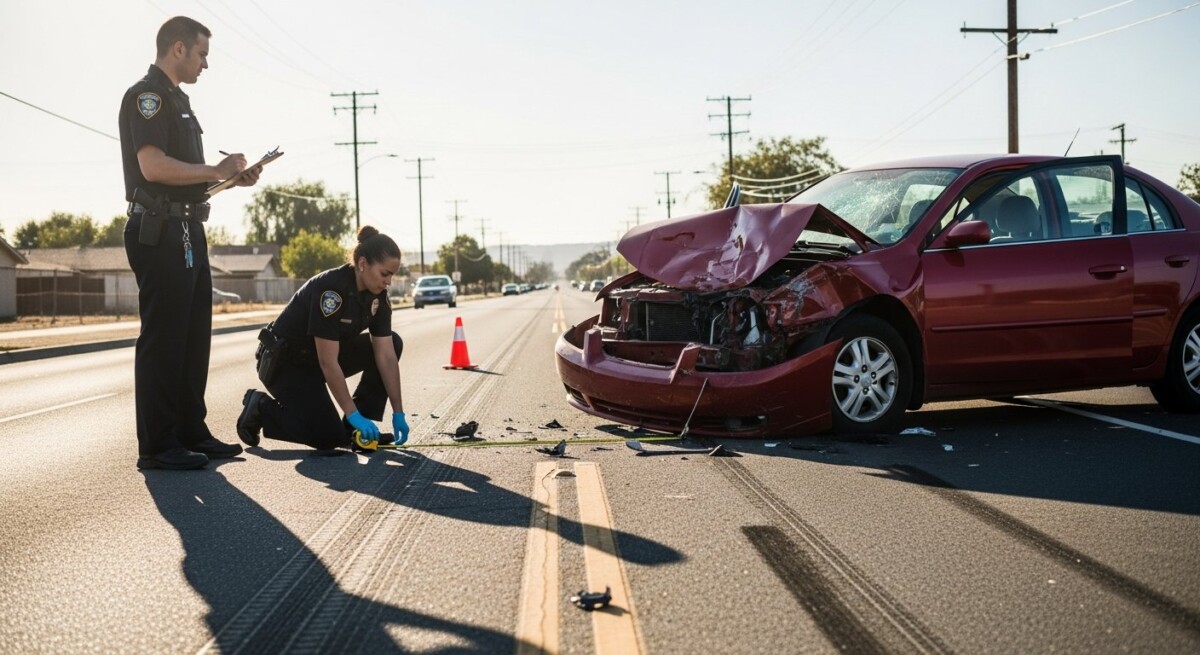
After a car accident, the police report often becomes the backbone of your insurance claim. It is a neutral, third-party account of what happened, and adjusters rely on it heavily to assign fault and calculate compensation. Yet many drivers never review their report for errors, and that oversight can cost them thousands of dollars. The truth is simple: how police report accuracy impacts claim outcome is direct and often decisive. A single incorrect detail, such as the wrong speed estimate or a misidentified driver, can shift blame to you or reduce your settlement. This article breaks down why accuracy matters, how errors creep in, and what you can do to protect your claim.
What Insurers and Attorneys See in Your Police Report
When you file a claim, the adjuster receives your statement, the other party’s version, and the police report. Among these, the police report carries the most weight because it comes from an impartial officer trained to document facts. Adjusters look for three key elements: the officer’s narrative, the diagram of the crash, and any citations issued. The narrative explains how the collision occurred, the diagram shows vehicle positions and impact points, and citations indicate who violated traffic laws. Together, these elements form the foundation of the liability decision.
If the report says you were speeding, even when you were not, the insurer may use that to deny your claim or offer a lowball settlement. Conversely, if the report clearly documents the other driver running a red light, your claim gains substantial credibility. In our guide on delayed reporting and insurance payouts, we explain how timing and documentation affect your case. The police report is the centerpiece of that documentation, and its accuracy determines how smoothly your claim proceeds.
Attorneys also scrutinize police reports before taking a case. A lawyer may decline representation if the report contains damaging errors that are hard to correct. On the other hand, a clean, accurate report can strengthen your negotiating position, making it easier to secure a fair settlement without litigation.
Common Errors in Police Reports and Their Consequences
Police officers are human, and their reports are not immune to mistakes. In fact, studies suggest that a significant percentage of accident reports contain at least one error. These mistakes range from minor typos to serious factual misrepresentations. Here are the most common issues that can jeopardize your claim:
- Incorrect driver identification: The officer may list the wrong person as the driver, especially if passengers or witnesses provide confusing information.
- Wrong vehicle details: Misstated license plates, makes, or models can delay claims and create disputes.
- Inaccurate accident description: The narrative may omit key details or mischaracterize how the crash occurred.
- Fault determination errors: Citations or fault notations that do not match the actual evidence.
- Missing witness information: Failure to include contact details of witnesses who support your version of events.
Each of these errors can have ripple effects. For instance, an incorrect driver identification might lead the insurer to deny coverage because the policyholder is not the person listed. A vague accident description could allow the other side to argue comparative negligence, reducing your payout by a percentage. Even a simple typo in your name or policy number can delay processing, giving the insurer time to investigate further and perhaps find reasons to deny your claim.
The consequences are not limited to settlement amounts. In some cases, an inaccurate report can affect your insurance premiums, lead to traffic citations, or even influence a lawsuit if you decide to sue. Therefore, reviewing your report promptly and correcting errors should be a top priority.
How Fault Determination Is Influenced by the Report
Most auto insurance claims rely on the concept of negligence. The party who breached a duty of care and caused the accident is deemed at fault. The police report often includes the officer’s opinion on who violated traffic laws, which directly correlates with fault. Insurers generally follow the officer’s lead, especially when the report is detailed and consistent.
However, fault is not always black and white. Many states use comparative negligence, which allows each party to bear a percentage of fault. If the police report notes that both drivers contributed, the adjuster may assign you 20% fault, reducing your settlement by 20%. Even a small percentage can mean the difference between covering your medical bills and paying out of pocket.
Consider a scenario where you were rear-ended at a stoplight. The police report correctly notes that the other driver was following too closely. That report essentially guarantees the other driver is at fault. But if the officer mistakenly writes that you slammed on your brakes unnecessarily, the report may suggest you contributed to the collision. The adjuster could then argue that you bear some responsibility, and your settlement shrinks. This is why understanding how delayed reporting impacts insurance claims payouts is also critical: the longer you wait to address inaccuracies, the harder they are to correct.
In contrast, a report that clearly establishes the other party’s fault gives you leverage. An attorney can use it to pressure the insurer into a full settlement offer, and if negotiations fail, the report serves as strong evidence in court.
Steps to Ensure Your Police Report Is Accurate
You do not have to accept a flawed report as final. Most jurisdictions allow you to request a copy and file a correction. The process varies by state, but the general steps are straightforward. Acting quickly is essential, as some states have deadlines for requesting changes.
First, obtain a copy of the report as soon as it is available, usually within a few days to a week after the accident. Review every detail: your name, the date, time, location, vehicle information, and the officer’s narrative. Compare it with your own notes and photos from the scene. If you have witnesses, ask them to confirm their statements were recorded accurately.
Second, identify any errors and gather supporting evidence. For example, if the report says you were speeding but your dashcam footage shows otherwise, preserve that video. If a witness was omitted, obtain their contact information and a written statement. Documentation is your best tool for convincing the officer to make a change.
Third, contact the police department that filed the report. You may need to fill out a formal correction request or speak with the officer directly. Be polite and factual, and provide your evidence. Officers are more likely to amend a report if you approach them professionally rather than confrontationally. In our article on delayed reporting and claim payouts, we emphasize that early action preserves your rights; the same principle applies to report corrections.
If the officer refuses to amend the report, you can still challenge it. Submit a written statement to the insurer explaining the inaccuracies and attach your evidence. You can also hire an attorney to write a formal letter, which often carries more weight. In some cases, you may need to file a motion with the court, but that is rare and usually reserved for serious discrepancies.
The Role of Legal Representation in Overcoming Inaccuracies
When a police report contains errors that harm your claim, an experienced personal injury attorney can be invaluable. Lawyers know the nuances of police report procedures and have relationships with local law enforcement. They can formally request corrections, negotiate with insurers on your behalf, and if needed, present your case in court.
Attorneys also understand how to counter damaging reports. For example, they might hire accident reconstruction experts to demonstrate that the officer’s version of events is physically impossible. They can depose the officer or witnesses to uncover inconsistencies. This level of advocacy is difficult to achieve on your own, especially while you are recovering from injuries.
If your claim is substantial, involving significant medical bills or lost wages, the cost of legal representation is often worth it. Most personal injury lawyers work on a contingency fee basis, meaning they only get paid if you win. This arrangement allows you to pursue justice without upfront costs, and it aligns the lawyer’s interests with yours.
LawyerOffer can connect you with qualified attorneys who specialize in car accident claims. Their referral service matches you with lawyers who have a track record of handling police report disputes and securing fair settlements. You can discuss your case with a professional who can evaluate the strength of your claim and guide you through the correction process.
How a Corrected Report Affects Settlement Negotiations
Once your police report is accurate, your negotiating position improves dramatically. The insurer cannot rely on false information to deny or reduce your claim. A corrected report that clearly shows the other driver’s fault gives your attorney a strong foundation to demand fair compensation.
Settlement negotiations are a give-and-take process. The insurer’s initial offer is often low, anticipating that you will counter. With an accurate police report in hand, your attorney can present a compelling case that justifies a higher amount. For example, if the report details the other driver’s reckless behavior, the insurer may be more willing to settle quickly to avoid litigation and negative publicity.
On the other hand, an uncorrected report can stall negotiations. The adjuster may point to the report as evidence of your fault, and without legal intervention, you may be forced to accept a reduced offer. The difference between an accurate and inaccurate report can be tens of thousands of dollars, especially in cases involving serious injuries.
Therefore, the importance of how delayed reporting impacts insurance claims payouts cannot be overstated. Delays in reviewing and correcting your report give the insurer time to build a case against you. Conversely, swift action preserves the integrity of your claim and maximizes your recovery.
Frequently Asked Questions
Can I get a police report changed?
Yes, you can request a correction from the issuing police department. You will need to provide evidence that supports the change, and the process may require a formal request. It is best to act quickly, as some jurisdictions have time limits.
What if the police report is wrong about who caused the accident?
You can dispute the report by submitting a written statement and supporting evidence to the insurer and the police department. An attorney can also intervene to help correct the record. If the report remains unchanged, your lawyer may use expert testimony to challenge it during negotiations or in court.
How long do I have to correct a police report?
The deadline varies by state and department. Some allow corrections for several months, while others require action within a few weeks. Check with the law enforcement agency that filed the report to determine your timeline. As a general rule, request a copy immediately after the accident and review it right away.
Does a police report guarantee the insurance company accepts fault?
No, but it is highly influential. Insurers conduct their own investigations, but they often defer to the police report unless there is strong evidence to the contrary. An accurate report that clearly documents the other party’s violation significantly increases your chances of a favorable outcome.
Take Control of Your Claim
Your police report is not just a piece of paper; it is a powerful tool that can shape the outcome of your claim. By understanding how police report accuracy impacts claim outcome, you can take proactive steps to ensure your report reflects the truth. Review it promptly, correct any errors, and seek legal help when needed. A small effort now can prevent a significant loss later. If you are unsure how to proceed, consider consulting a personal injury attorney who can guide you through the process and fight for the compensation you deserve.

About Camden Roth
Recent Posts
How Jurisdiction Affects Accident Claim Outcomes
Understand how jurisdiction affects accident claim outcomes and maximize your recovery. Call (833) 227-7919 for a free attorney referral.

Why Legal Deadlines Can Make or Break Your Accident Case
Missing a filing deadline can end your accident case instantly. Get legal help today at (833) 227-7919.

How Statute of Limitations Affects Injury Claims: Key Deadlines
Learn how statute of limitations affects injury claims and why deadlines matter. Call (833) 227-7919 for a free case review to protect your rights.