
Company Vehicle Accident Legal Steps: What You Must Know
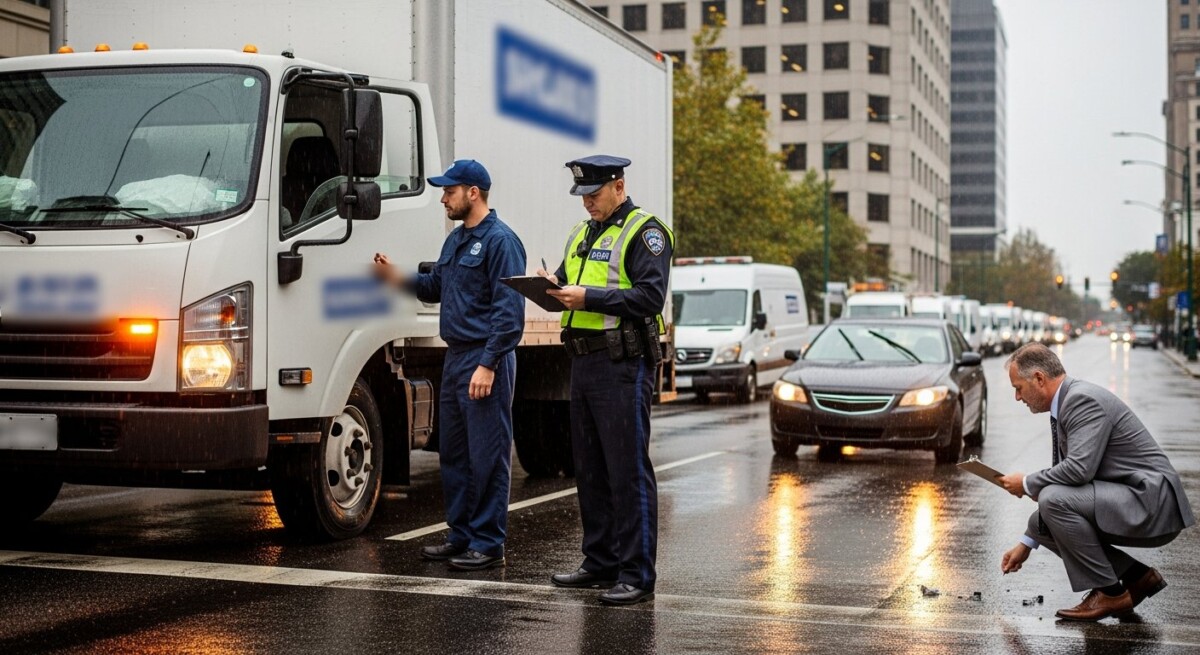
When a crash involves a vehicle owned by a business, the legal landscape shifts dramatically. You are no longer dealing with a simple insurance claim between two private drivers. Instead, you face a complex web of employer liability, commercial insurance policies, and corporate legal teams. Understanding how company vehicle accidents are handled legally can mean the difference between a fair settlement and a prolonged battle with a powerful insurance carrier.
This guide walks you through the key legal principles, the immediate steps you should take, and the strategies that protect your rights. Whether you are a victim of a company driver or an employer facing a claim, knowing the rules of engagement is your first line of defense.
Who Is Liable When a Company Vehicle Is Involved?
The central legal question in any company vehicle accident is who bears responsibility. The answer often hinges on the legal doctrine of respondeat superior, which translates to “let the master answer.” Under this principle, an employer is held vicariously liable for the negligent acts of an employee when the employee is acting within the scope of their employment at the time of the accident.
This means if a delivery driver runs a red light while making a scheduled delivery, the employer’s insurance policy is the primary source of compensation. However, the doctrine has limits. If the employee was on a personal errand, commuting to work, or using the vehicle without permission, the employer may successfully argue that the employee was acting outside the scope of their duties.
In our guide on how employer liability works in vehicle accidents, we break down the nuances of scope-of-employment tests. You will see that courts examine several factors, including the time of day, the purpose of the trip, and whether the employer derived any benefit from the employee’s activity. For example, an employee stopping for lunch while on a sales call is likely still within the scope, but an employee driving to a weekend fishing trip is not.
A related but distinct issue involves independent contractors. If the driver is an independent contractor, the employer may not be automatically liable. Courts look at the degree of control the employer exercises over the driver’s work. If the employer dictates the route, schedule, and manner of work, a court may treat the contractor as a de facto employee for liability purposes.
Immediate Steps After a Company Vehicle Accident
Your actions in the minutes and hours after a crash can significantly influence the legal outcome. Follow these steps to protect your health and your claim:
- Check for injuries and call 911. Your safety and the safety of others comes first. A police report is critical evidence.
- Exchange information with the driver, but also note the company name, the vehicle’s license plate, and any logo or identification number on the truck or van.
- Take photos of the scene from multiple angles. Capture vehicle damage, road conditions, traffic signals, and any visible injuries.
- Obtain contact information from any witnesses. Their statements can be invaluable if liability is disputed.
- Do not apologize or admit fault. Even a casual “I’m sorry” can be used against you later.
After these immediate steps, you should notify your own insurance company about the accident, even if you believe the company driver was at fault. Your insurer may have obligations under your policy that require timely notice. However, you should be cautious when speaking with the company’s insurance adjuster. They may contact you quickly, often within days, to take a recorded statement. You are not legally required to provide one, and doing so without legal counsel can jeopardize your claim.
If you are the employer, your steps are equally important. You must preserve any dashcam footage, GPS data, or vehicle maintenance records immediately. These materials can be critical in determining whether the accident was caused by driver negligence or a mechanical failure. You should also notify your commercial auto insurer without delay, as the policy may require prompt reporting to preserve coverage.
Insurance Coverage and Claims Process
Commercial auto insurance policies differ substantially from personal auto policies. They typically carry higher limits, but they also come with more complex exclusions and conditions. When you file a claim against a company’s policy, the adjuster will investigate not only the facts of the accident but also the employment status of the driver and the vehicle’s permitted use.
In many cases, the company’s policy will provide primary coverage for the accident. However, if the damages exceed the policy limits, or if the company disputes liability, you may need to pursue a claim against the company’s assets or a separate umbrella policy. Personal injury protection (PIP) may also be available, depending on the state. PIP covers medical expenses and lost wages regardless of fault, but it is not available in every jurisdiction.
One common complication arises when the driver is a permissive user, meaning someone who had the owner’s permission to drive the vehicle but is not a regular employee. For example, a mechanic who takes a dealership’s car for a test drive. In such cases, the owner’s policy may still provide coverage, but the limits and conditions may differ. An experienced attorney can help you navigate these subtleties.
If you are dealing with an insurance claim, you should be aware that commercial insurers often have aggressive defense teams. They may argue comparative negligence, claiming you were partly at fault, or they may challenge the extent of your injuries. To counter these tactics, you need solid evidence, including medical records, expert testimony, and a thorough accident reconstruction if necessary.
Lawsuits and Litigation Against Companies
When settlement negotiations fail, the next step is filing a lawsuit. The legal process for a company vehicle accident is similar to other personal injury cases, but with additional complexities. You must name the correct defendants, which may include the driver, the company, and potentially the vehicle owner if it is a different entity. Naming the wrong party can lead to delays or even dismissal.
Discovery in a corporate case can be extensive. You may request documents such as the driver’s employment file, training records, prior accident history, and the company’s safety policies. These materials can reveal patterns of negligence, such as hiring drivers with revoked licenses or failing to enforce hours-of-service regulations. If the company failed to properly maintain its vehicles, you may have a claim for negligent entrustment or negligent maintenance.
In some cases, courts will allow punitive damages if the company’s conduct was especially reckless, such as knowingly dispatching a driver who was under the influence of drugs. Punitive damages are designed to punish the wrongdoer and deter future misconduct, but they are not available in every claim. An attorney can assess whether the facts of your case meet the high threshold for punitive awards.
Litigation also involves strict deadlines. Each state has a statute of limitations for personal injury claims, ranging from one to six years. Filing after the deadline will likely bar your claim entirely. Additionally, if the company is a government entity, such as a city bus or a school district vehicle, you may face special notice requirements that shorten the deadline to as little as 90 days. Missing these deadlines is a common and costly mistake.
Factors That Affect Settlement Value
If your claim is strong, the company’s insurer may offer a settlement to avoid the cost and uncertainty of a trial. The value of your claim depends on several variables:
- Medical expenses, both past and future, including rehabilitation and therapy costs.
- Lost wages and loss of earning capacity if your injuries prevent you from working.
- Pain and suffering, which is subjective but often calculated using a multiplier of your economic damages.
- The clarity of liability. If the company driver was clearly at fault, the settlement value increases.
- The limits of the commercial insurance policy and the company’s financial resources.
An experienced personal injury attorney can help you quantify these damages and negotiate effectively. Insurance companies are known for offering lowball settlements early in the process, hoping that you will accept before you fully understand the extent of your injuries. A lawyer can counter with a demand package that includes medical records, expert opinions, and a detailed calculation of your losses.
Also, consider the long-term impact of your injuries. Some injuries, like traumatic brain injuries or spinal cord damage, may not fully manifest for months. Rushing to settle can leave you without coverage for future medical needs. This is why it is essential to wait until your condition has stabilized before accepting any offer.
Frequently Asked Questions
What should I do if the company driver has no insurance?
If the commercial vehicle’s policy is insufficient or nonexistent, you may need to file a claim under your own uninsured/underinsured motorist (UM/UIM) coverage. This coverage is optional in some states but is highly recommended. An attorney can help you identify all available sources of compensation.
Can I sue both the driver and the company?
Yes, you can typically name both parties in a lawsuit. The driver is directly liable for their negligence, and the company is vicariously liable for the driver’s actions. However, the company may also have independent liability for negligent hiring or supervision, which adds another layer to the case.
How long will my case take?
The timeline varies widely. Simple claims with clear liability and minor injuries can settle in a few months. Cases involving serious injuries, disputed liability, or corporate defense teams can take one to two years or more. Litigation often extends the timeline, but it may be necessary to secure fair compensation.
Do I need a lawyer for a company vehicle accident?
While you are not legally required to hire one, the stakes are high. Commercial insurers have experienced adjusters and defense attorneys who are skilled at minimizing payouts. A lawyer levels the playing field and can significantly increase your chances of a favorable outcome. Many personal injury attorneys offer free consultations and work on a contingency fee basis, meaning you pay nothing unless they recover money for you.
If you decide to seek legal representation, LawyerOffer can connect you with a qualified attorney in your area. The platform provides educational resources and a referral service that matches you with a lawyer who handles company vehicle accident cases. You can also call (833) 227-7919 to discuss your situation with a legal professional.
Understanding how company vehicle accidents are handled legally is the first step toward protecting your rights. These cases involve complex rules of liability, aggressive insurance tactics, and strict deadlines. With the right knowledge and the right legal partner, you can navigate the process with confidence and pursue the compensation you deserve.

About Eric Lawson
Recent Posts
How Jurisdiction Affects Accident Claim Outcomes
Understand how jurisdiction affects accident claim outcomes and maximize your recovery. Call (833) 227-7919 for a free attorney referral.

Why Legal Deadlines Can Make or Break Your Accident Case
Missing a filing deadline can end your accident case instantly. Get legal help today at (833) 227-7919.

How Statute of Limitations Affects Injury Claims: Key Deadlines
Learn how statute of limitations affects injury claims and why deadlines matter. Call (833) 227-7919 for a free case review to protect your rights.