
How Commercial Driver Liability Is Determined
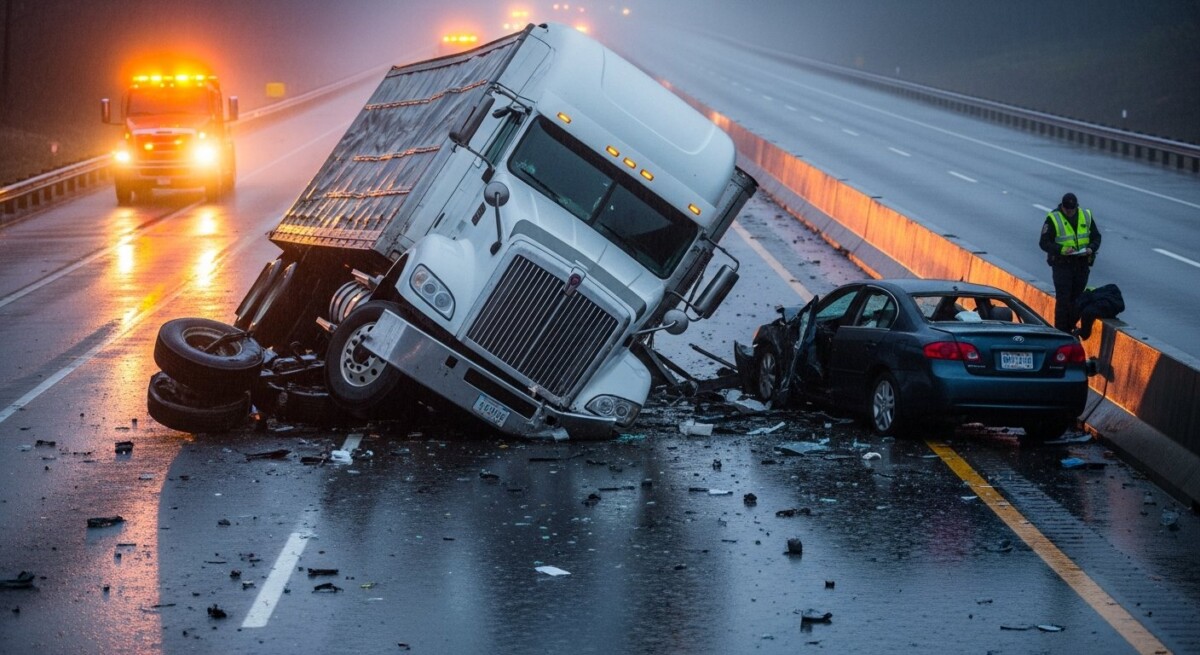
When a commercial truck collides with a passenger vehicle, the consequences are often catastrophic. The sheer size and weight of a tractor-trailer or delivery truck can cause severe injuries, extensive property damage, and even death. In the aftermath of such an accident, one of the most pressing questions for victims is: who pays for the damages? Unlike a typical car accident involving two private drivers, commercial truck accidents involve a complex web of parties, regulations, and insurance policies. Understanding how commercial driver liability is determined is essential for anyone seeking fair compensation. This article breaks down the legal principles, investigative steps, and practical considerations that shape liability in commercial vehicle accidents, helping you navigate your claim with confidence.
Commercial driver liability is not a single, simple answer. It is a process that involves examining the driver’s actions, the employer’s practices, the vehicle’s condition, and the cargo being hauled. Each case requires a thorough investigation to identify all potentially responsible parties. For victims, this process can be overwhelming, especially while recovering from injuries. That is why having a clear grasp of the legal framework and knowing what evidence matters can make a significant difference in the outcome of your claim.
The Legal Basis for Commercial Driver Liability
At the core of any truck accident claim is the concept of negligence. To hold a commercial driver liable, you must prove four elements: duty of care, breach of that duty, causation, and damages. The driver owes a duty to operate the vehicle safely and follow all traffic laws. A breach occurs when the driver acts recklessly, violates regulations, or fails to exercise reasonable care. You must then show that this breach directly caused the accident and that the accident resulted in measurable damages, such as medical bills, lost wages, or pain and suffering.
However, commercial driver liability often extends beyond the individual behind the wheel. Under the legal doctrine of vicarious liability, trucking companies can be held responsible for the negligent acts of their employees if the driver was acting within the scope of employment. This means that if a driver was making a delivery, hauling cargo, or performing any work-related task, the employer may share liability. This principle is crucial because trucking companies typically have far more substantial insurance coverage than individual drivers, making them the primary source of compensation in many cases.
Key Factors in Determining Fault
Several specific factors can influence how commercial driver liability is determined in a particular case. Investigators and insurance adjusters look closely at these elements to assign fault and calculate damages.
Driver Behavior and Compliance
One of the first areas of scrutiny is the driver’s behavior leading up to the crash. This includes checking for speeding, distracted driving, aggressive maneuvers, or driving under the influence of drugs or alcohol. Federal regulations, such as the Hours of Service rules, limit how many hours a driver can be behind the wheel without rest. Violations of these rules can be strong evidence of negligence, as fatigue is a leading cause of truck accidents.
Additionally, investigators review the driver’s logbooks, electronic logging device (ELD) data, and any previous violations or accidents on their record. A pattern of unsafe behavior can demonstrate a disregard for safety, which strengthens your case. If the driver was not properly licensed or did not have the required endorsements for the cargo being transported, that also bolsters a negligence claim.
Vehicle Maintenance and Defects
Commercial vehicles are subject to rigorous maintenance requirements. Brake failures, tire blowouts, and steering malfunctions are common causes of truck accidents, and they often point to inadequate maintenance by the trucking company. If a mechanical defect contributed to the crash, liability may extend to the company that owns or operates the truck, or even to the manufacturer of the defective part under product liability law.
Inspectors will examine maintenance records, repair receipts, and pre-trip inspection reports. A lack of documentation or evidence of skipped inspections can be a red flag that the company prioritized profits over safety. In some cases, the driver may also be liable if they failed to report a known mechanical issue or attempted to operate a vehicle they knew was unsafe.
Loading and Cargo Issues
Improperly loaded or secured cargo can cause a truck to become unstable, leading to a rollover or a spill. Liability for cargo-related accidents can fall on the driver, the loading company, or the shipper, depending on who was responsible for securing the load. Federal regulations require that cargo be properly distributed and tied down to prevent shifting during transit. If an investigation reveals that a load was overloaded, unbalanced, or inadequately secured, the party responsible for the loading process may be held liable.
The Role of Insurance in Commercial Claims
Commercial trucking companies are required to carry liability insurance, but the coverage limits can vary significantly based on the type of cargo and the size of the operation. Federal law mandates minimum coverage of $750,000 for general freight, but many companies carry policies worth millions of dollars. Understanding the available insurance coverage is critical because it directly impacts the maximum compensation you can recover.
In many cases, multiple insurance policies may apply, including the trucking company’s primary liability policy, an umbrella policy, and policies covering the trailer or the cargo. Determining which policy is in effect and how they stack can be complex. An experienced attorney can help identify all applicable coverage and ensure that you pursue claims against every available policy. This is one reason why seeking legal guidance after a commercial truck accident is so important.
If you have been involved in a truck accident, you may feel pressure to accept a quick settlement from an insurance adjuster. However, these offers are often far below the true value of your claim. Insurance companies have teams of lawyers and investigators working to minimize their payouts. Having your own legal representation levels the playing field and helps you avoid being taken advantage of.
Investigating the Accident: Evidence That Matters
Determining liability requires a thorough investigation, often conducted by accident reconstruction experts, law enforcement, and private investigators. The evidence gathered in the immediate aftermath of the crash can be pivotal in proving fault. Key pieces of evidence include:
- Electronic logging device (ELD) data, which records hours of service and can reveal violations.
- Black box data from the truck’s event data recorder, showing speed, braking, and engine performance before impact.
- Dashcam footage from the truck or nearby vehicles, which provides a visual account of the accident.
- Maintenance and inspection records for the truck and trailer.
- Testimony from the driver, passengers, and witnesses, along with any statements made at the scene.
The preservation of this evidence is time-sensitive. Trucking companies may be quick to download or even destroy data if they anticipate litigation. That is why it is essential to have legal counsel involved early, as they can issue spoliation letters and take steps to secure evidence before it is lost.
In addition to the evidence listed above, investigators will also examine the accident scene itself. Skid marks, debris patterns, and the final resting positions of the vehicles can provide clues about how the collision occurred. Weather conditions, road design, and traffic signals are also considered. All of this information is used to build a comprehensive picture of what happened and who is legally responsible.
Multiple Parties: Who Else Can Be Liable?
Commercial truck accidents often involve more than just the driver and the trucking company. Depending on the circumstances, liability may extend to several other parties, including:
- The trucking company that employs the driver and owns the vehicle.
- The owner of the trailer or the cargo, if different from the trucking company.
- Manufacturers of defective vehicle parts or tires.
- Cargo loaders and shippers who improperly secured the load.
- Maintenance providers who failed to perform necessary repairs.
- Government entities responsible for road design or maintenance, if a hazardous condition contributed to the crash.
Identifying all liable parties is a key part of maximizing your recovery. Each party’s insurance policy may contribute to your settlement, and having multiple sources of compensation can make a significant difference in covering your long-term medical needs and lost earning capacity.
For example, if a defective tire caused a blowout, you might have a claim against the tire manufacturer. If the trucking company failed to replace the tire despite knowing it was worn, they could be liable for negligent maintenance. If the driver had been driving for 14 hours straight in violation of federal rules, both the driver and the company could be liable. Each scenario adds a layer of complexity, which is why a thorough investigation is necessary.
State and Federal Regulations
Commercial drivers and trucking companies are heavily regulated at both the state and federal levels. The Federal Motor Carrier Safety Administration (FMCSA) sets rules for driver qualifications, hours of service, vehicle maintenance, and cargo securement. Violations of these regulations are often used as evidence of negligence in civil lawsuits. For example, if a driver was operating without a valid commercial driver’s license (CDL) or was found to be using a handheld device while driving, these violations can be cited to support your claim.
State laws also play a role, particularly regarding comparative fault. Many states use a comparative negligence system, meaning that if you are found to be partially at fault for the accident, your compensation is reduced by your percentage of fault. For instance, if you were speeding at the time of the collision and the truck driver ran a red light, a jury might assign you 20% of the blame, reducing your award by that amount. Understanding how your state handles comparative fault is crucial, as it can affect the final value of your claim.
Comparative Negligence and Its Impact
In the context of commercial driver liability, comparative negligence can be a contentious issue. Trucking companies often try to shift blame onto the victim to reduce their financial exposure. They may argue that you were distracted, following too closely, or driving recklessly. Even if you were partially at fault, you may still be entitled to compensation, but the amount will be reduced proportionally.
To protect your rights, it is important to gather evidence that clearly establishes the truck driver’s negligence. Witness statements, traffic camera footage, and accident reconstruction reports can all help counter allegations of comparative fault. An experienced attorney can present your case in a way that minimizes your percentage of fault and maximizes your recovery.
Steps to Take After a Commercial Truck Accident
If you are involved in a crash with a commercial vehicle, your actions in the hours and days following the accident can have a lasting impact on your claim. Here are critical steps to take:
- Seek medical attention immediately, even if you feel fine. Some injuries, such as whiplash or internal bleeding, may not be apparent right away.
- Call the police and ensure a formal accident report is filed. This report will be a key piece of evidence.
- Exchange information with the truck driver, but do not discuss fault or make statements that could be used against you.
- Take photos of the scene, your injuries, and any visible damage to the vehicles.
- Collect contact information from any witnesses.
- Contact an attorney as soon as possible to begin preserving evidence and building your case.
One of the most important steps is to avoid speaking with insurance adjusters without legal representation. They may try to get you to admit fault or make a recorded statement that undermines your claim. Your attorney can handle all communications and ensure that your rights are protected.
At LawyerOffer, we understand the immense physical, emotional, and financial toll that a commercial truck accident can take on victims and their families. Our platform connects you with experienced truck accident attorneys who can investigate your case, negotiate with insurance companies, and fight for the compensation you deserve. We are here to help you navigate the legal process with confidence.
Frequently Asked Questions
How long do I have to file a claim after a commercial truck accident?
The statute of limitations varies by state, but it is typically between one and three years from the date of the accident. However, there are exceptions, such as when the accident involves a government vehicle or if the victim is a minor. It is critical to act quickly, as evidence can be lost and witnesses may forget details. Consulting an attorney soon after the accident will help ensure you do not miss any deadlines.
Can I sue the trucking company directly, or only the driver?
In most cases, you can sue both the driver and the trucking company. Under vicarious liability, the company is responsible for the actions of its employees. Additionally, if the company was negligent in hiring, training, or supervising the driver, or if it failed to maintain the vehicle, it can be held directly liable. Your attorney will help identify all potentially responsible parties.
What if the truck driver was an independent contractor?
Even if the driver is classified as an independent contractor, the trucking company may still be liable if it exercised control over the driver’s actions or if it was negligent in selecting a qualified contractor. The distinction can be complex, and it is a common area of dispute. An attorney can investigate the actual working relationship to determine who is accountable.
How much is my claim worth?
The value of your claim depends on the severity of your injuries, the extent of your medical expenses, the impact on your ability to work, and the level of pain and suffering you have endured. Economic damages, such as medical bills and lost wages, are relatively easy to calculate. Non-economic damages for pain and suffering are more subjective and may require expert testimony. An attorney can assess your damages and negotiate for a fair settlement.
What if I was partially at fault for the accident?
In states that follow comparative negligence, you can still recover damages, but your award will be reduced by your percentage of fault. For example, if you are found to be 20% at fault, you will receive 80% of the total damages. In a few states, if you are more than 50% at fault, you cannot recover at all. An attorney can help minimize your fault percentage by presenting evidence that focuses on the truck driver’s negligence.
Seeking Legal Help
Navigating a commercial truck accident claim is challenging, especially when you are dealing with serious injuries and mounting bills. Insurance companies have their own legal teams working to minimize payouts, and without proper legal representation, you may be left with an unfair settlement. Hiring an attorney who understands how commercial driver liability is determined can make a significant difference in the outcome of your case.
At LawyerOffer, we make it easy to connect with qualified truck accident lawyers who can evaluate your case, explain your options, and fight for your rights. Our referral service is free, and you only pay if you recover compensation. We are committed to helping you get the justice and financial recovery you need to move forward with your life. Contact us today to speak with a legal professional who can guide you through every step of the process.
Remember, time is of the essence. Evidence can disappear, and legal deadlines may be approaching. Do not wait to seek the help you need. Reach out to us at (833) 227-7919 to get started.

About Michael Turner
Recent Posts
Why State Laws Differ in Accident Cases and What That Means for You
Understand how state laws differ in accident cases and protect your claim. Call (833) 227-7919 for a free attorney referral.
How Jurisdiction Affects Accident Claim Outcomes
Understand how jurisdiction affects accident claim outcomes and maximize your recovery. Call (833) 227-7919 for a free attorney referral.

Why Legal Deadlines Can Make or Break Your Accident Case
Missing a filing deadline can end your accident case instantly. Get legal help today at (833) 227-7919.