
How Multi Vehicle Pileups Are Investigated: Key Steps
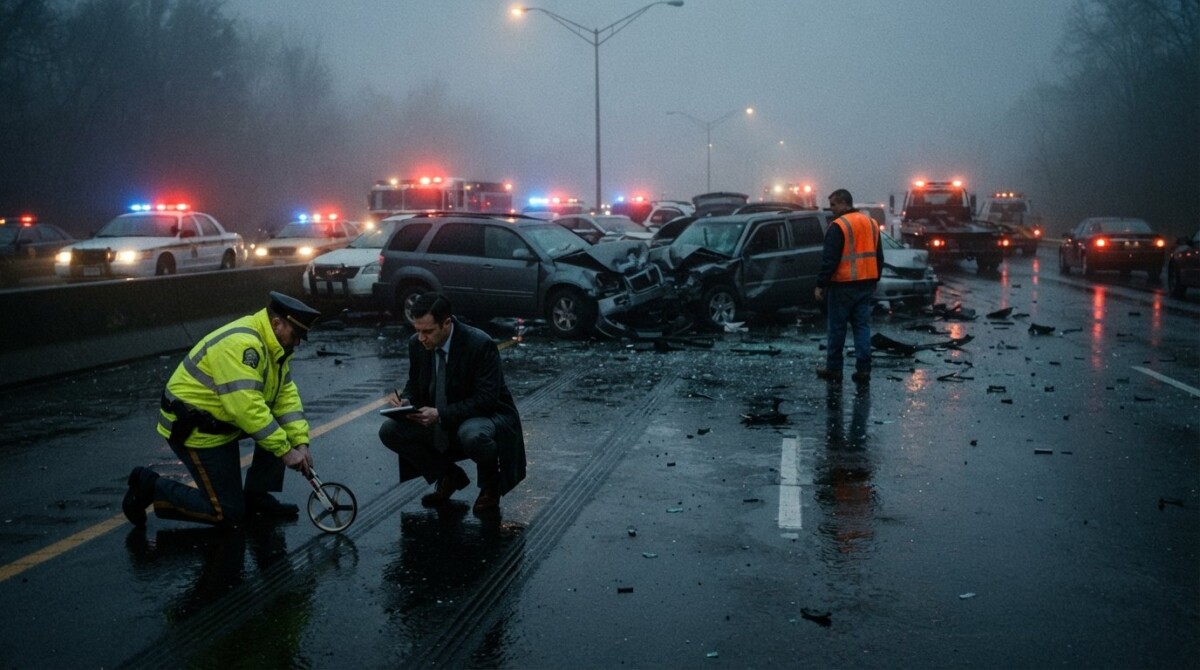
A multi vehicle pileup can transform a routine commute into a scene of twisted metal, shattered glass, and urgent medical response. When dozens of cars collide on a highway, determining what happened becomes a complex puzzle. For victims, the confusion is overwhelming: who caused the crash, which insurance company pays, and how can you prove your version of events? Understanding how multi vehicle pileups are investigated helps you protect your rights and build a stronger claim.
Investigators approach these crashes differently than a simple two-car fender bender. The scale demands a meticulous review of physical evidence, electronic data, witness statements, and sometimes even weather reports. Law enforcement, accident reconstruction specialists, and insurance adjusters each play a role. Their findings can take weeks or months to finalize, and the conclusions often determine liability and compensation.
If you or a loved one has been injured in a pileup, you need clarity on what to expect. The process is technical, but you do not have to navigate it alone. Legal guidance can make a significant difference in how your claim is valued and resolved. This article breaks down the investigation process so you know what happens behind the scenes and how to position yourself for a fair outcome.
The Initial Response and Scene Preservation
When emergency responders arrive at a multi vehicle pileup, their first priority is medical care and safety. Firefighters extinguish flames, paramedics treat the injured, and police secure the area to prevent further collisions. Once the immediate danger passes, the investigation begins with scene preservation. Investigators photograph the entire stretch of road, including skid marks, debris fields, vehicle positions, and traffic control devices.
Road conditions are documented thoroughly. Investigators note whether the pavement was wet, icy, or dry, and they check for potholes, construction zones, or poor signage. Weather conditions at the time of the crash are pulled from local meteorological data. This information helps establish whether environmental factors contributed to the pileup or whether driver error was the primary cause.
In many states, law enforcement must close the highway for hours or even a full day to complete a proper investigation. This disruption is frustrating for motorists, but it is essential. The physical evidence left on the road is the most objective record of what occurred. Once vehicles are moved or debris is cleared, that evidence is lost forever.
Documenting Vehicle Positions and Damage
Investigators use total station surveys, drones, and 3D laser scanning to map the crash scene with precision. These tools create a digital recreation that can be examined from any angle. Each vehicle’s final resting position is logged, along with the extent and pattern of damage. The damage pattern often reveals the direction and force of impact, which is critical for reconstructing the sequence of collisions.
Photographs are taken from multiple angles, including aerial shots when possible. Close-ups capture paint transfer, bumper heights, and airbag deployment. Investigators also document tire marks, including skid marks, yaw marks, and acceleration marks. These marks indicate whether drivers braked, swerved, or lost control before impact.
Electronic Data Recovery: Black Boxes and Phones
Modern vehicles are equipped with event data recorders (EDRs), commonly known as black boxes. These devices capture data from the seconds before a crash, including vehicle speed, throttle position, brake application, steering angle, and seatbelt usage. Investigators can download this data from the EDR and use it to reconstruct each driver’s actions leading up to the pileup.
This electronic evidence is often the most powerful tool in determining fault. For example, if one driver’s EDR shows they were traveling at 80 mph in a 55 mph zone and never braked, that information can establish negligence. If another driver’s data shows they were stopped or moving slowly when struck from behind, it supports their claim that they were not at fault.
Cell phone records are also examined, particularly if distracted driving is suspected. Investigators may request call logs, text message timestamps, and data usage records. In some cases, they can determine whether a driver was using their phone at the exact moment of the crash. This evidence can be decisive in establishing liability, especially in pileups where multiple drivers may have contributed to the chain reaction.
Witness Statements and Driver Accounts
Investigators interview every driver involved in the pileup, as well as passengers and bystanders. These statements provide a narrative of what each person saw and experienced. Witnesses may describe the initial collision, the speed of vehicles, or a driver who appeared distracted. Their accounts can corroborate or contradict the physical evidence.
In large pileups, investigators often canvass nearby businesses and homes for security camera footage. Traffic cameras operated by the department of transportation are also reviewed. This video evidence can show the crash as it unfolded, providing a clear timeline of events. In some cases, dashcam footage from one of the involved vehicles or a passing motorist becomes the key piece of evidence.
Statements are not always reliable, however. Memory can be distorted by stress, and drivers may be biased toward their own interests. That is why investigators cross-reference every statement with the physical and electronic evidence. A witness who claims a car ran a red light, but whose account conflicts with skid marks and camera footage, may be discounted.
Reconstruction and Liability Determination
Accident reconstruction specialists use the collected data to create a detailed timeline of the pileup. They determine the speed of each vehicle, the point of impact, and the sequence of collisions. This analysis can answer critical questions: Was the first crash caused by a rear-end collision, a sideswipe, or a sudden lane change? Did a secondary crash occur because a driver failed to stop in time after the initial incident?
Liability in a multi vehicle pileup is rarely simple. Multiple drivers may share fault, and the legal concept of comparative negligence often applies. For example, Driver A may be 40% at fault for initiating the chain reaction, while Driver B is 60% at fault for following too closely and striking the vehicle ahead. Each state has its own rules for how fault is apportioned, which directly affects the compensation each victim can recover.
Insurance companies conduct their own investigations in parallel with law enforcement. Their adjusters review the police report, analyze the evidence, and apply their own interpretation of fault. Insurance companies are motivated to minimize payouts, so their conclusions may differ from what the evidence supports. This is why independent legal review is essential for victims who want to maximize their recovery.
The Role of Legal Representation in Pileup Claims
Navigating a multi vehicle pileup claim without legal help is risky. Insurance companies have teams of lawyers and adjusters who are skilled at shifting blame and undervaluing injuries. Victims who are unrepresented often accept settlements that do not cover their medical bills, lost wages, and pain and suffering.
An attorney can conduct a parallel investigation, hiring independent experts to analyze the evidence. They can challenge the findings of the police report and insurance adjusters if those findings are flawed. They can also negotiate with multiple insurance companies, ensuring that all liable parties are held accountable.
In pileups involving commercial trucks, the investigation becomes even more complex. Trucking companies may have their own black box data, driver logs, and maintenance records. An attorney can subpoena these records and identify violations of federal safety regulations. This can dramatically increase the value of a claim.
Steps to Take After a Multi Vehicle Pileup
If you are involved in a pileup, your actions in the immediate aftermath can affect your claim. The following steps are critical:
- Seek medical attention immediately, even if you feel fine, as some injuries are not apparent right away.
- Call the police and ensure a formal crash report is filed.
- Exchange information with all involved drivers, but avoid discussing fault or apologizing.
- Take photos of the scene, your vehicle, and any visible injuries.
- Contact a personal injury attorney before speaking to any insurance company.
Each of these steps protects your legal position. Medical records document your injuries, the police report provides an official account, and photographs preserve evidence that may disappear. Most importantly, an attorney can handle all communication with insurers so you do not accidentally say something that harms your claim.
Frequently Asked Questions
How long does a multi vehicle pileup investigation take?
The investigation can take anywhere from a few weeks to several months, depending on the complexity. Law enforcement may release a preliminary report within days, but the full reconstruction and liability analysis can take much longer. Insurance claims often proceed before the final report is issued, which is why legal guidance is valuable.
Can I file a claim if I am partially at fault?
Yes, in most states you can still recover compensation, but your award will be reduced by your percentage of fault. For example, if you are found 20% at fault and your damages are $100,000, you would receive $80,000. An attorney can help argue that your fault is minimal or nonexistent.
What if the at-fault driver is uninsured?
Your own uninsured motorist coverage may pay for your injuries and damages. An attorney can review your policy and explore other avenues, such as claims against commercial vehicle operators or government entities if road conditions contributed.
Protecting Your Recovery
Multi vehicle pileups are chaotic events that leave victims with serious injuries and complex legal battles. The investigation process is thorough, but its outcome is not always fair to the innocent victim. Insurance companies are not your allies, and the evidence can be misinterpreted or ignored.
Having a dedicated attorney on your side levels the playing field. They ensure that the investigation is conducted properly, that all liable parties are identified, and that your compensation reflects the full extent of your losses. If you have been hurt in a pileup, do not wait. The sooner you seek legal help, the stronger your case will be.

About Michael Turner
Recent Posts
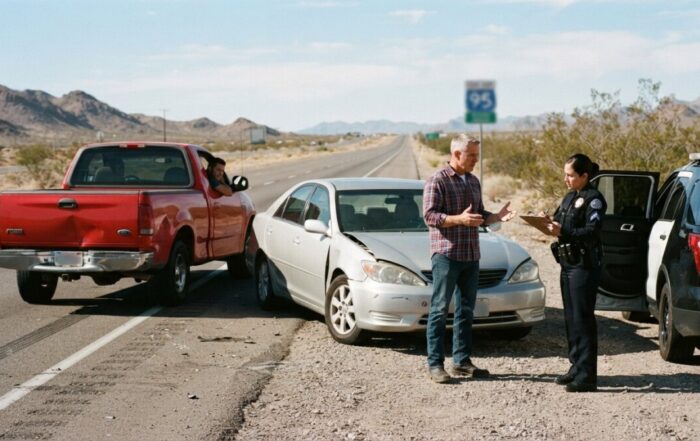
Why State Laws Differ in Accident Cases and What That Means for You
Understand how state laws differ in accident cases and protect your claim. Call (833) 227-7919 for a free attorney referral.
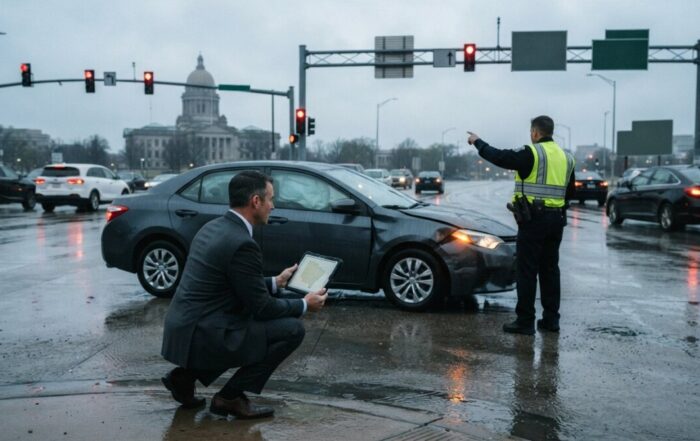
How Jurisdiction Affects Accident Claim Outcomes
Understand how jurisdiction affects accident claim outcomes and maximize your recovery. Call (833) 227-7919 for a free attorney referral.

Why Legal Deadlines Can Make or Break Your Accident Case
Missing a filing deadline can end your accident case instantly. Get legal help today at (833) 227-7919.