
How Hit and Run Cases Are Investigated: Key Steps
When a driver strikes another vehicle, a pedestrian, or property and then leaves the scene, the aftermath can feel overwhelming. You may be nursing injuries, staring at significant vehicle damage, and wondering who will pay for it all. The process of how hit and run cases are investigated is often a mystery to victims, but understanding it can make a real difference in protecting your rights and building a claim. Law enforcement and legal professionals follow a structured path to identify the responsible party, and knowing that path helps you cooperate effectively and preserve crucial evidence from the very first moment.
This guide walks you through the entire investigation process, from the immediate steps at the scene to the legal strategies that can help you recover compensation. Whether you are dealing with a minor fender bender or a serious injury, the information below will help you understand what investigators look for, how they track down hit and run drivers, and what you can do to strengthen your case.
The Immediate Aftermath: What Investigators Look For at the Scene
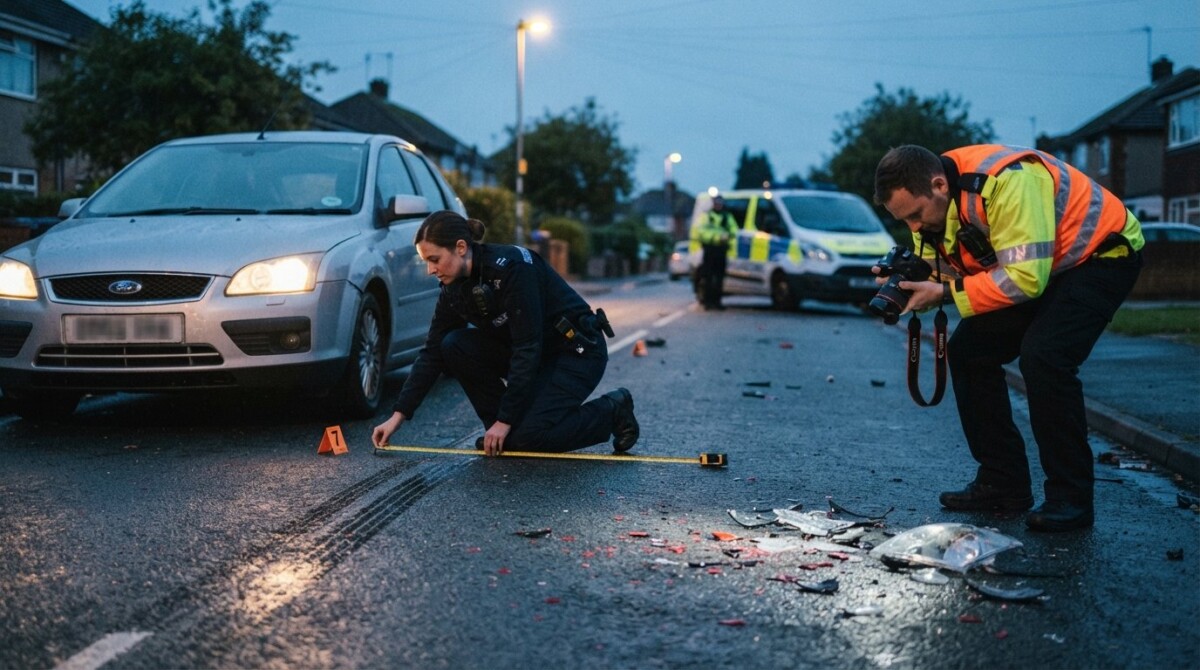
The first hour after a hit and run is the most critical for evidence collection. When police arrive, they treat the scene like a puzzle, and every physical clue can be a piece. Investigators will document the positioning of vehicles, measure skid marks, and photograph the area from multiple angles. They also look for debris, such as broken headlight glass, paint chips, or side mirror fragments, which can link a suspect vehicle to the scene.
Witness statements are equally vital. Officers will interview anyone who saw the collision or the fleeing vehicle, and they will ask about the license plate number, vehicle make and model, color, and the direction of travel. Even a partial plate number can narrow down a search significantly. If you are the victim, your own recollection matters, so try to note these details in the moment. In our guide on filing a hit and run claim, we explain how your memory and the police report work together to support your case.
Another key piece of evidence is surveillance footage. Investigators will check nearby businesses, traffic cameras, and residential security systems. In many urban areas, red light cameras and license plate readers capture passing vehicles, and this footage can be a goldmine. If you have a dashcam in your own vehicle, that recording is often the single most persuasive piece of evidence you can provide.
How Law Enforcement Tracks Down Hit and Run Drivers
Once the initial evidence is collected, the investigation shifts to identification. Police will run license plate numbers through databases, compare paint chips against manufacturer color charts, and search for vehicles with matching damage in body shops or tow yards. They may also issue a public appeal through local media or social media, asking for tips from anyone who saw the suspect vehicle.
In cases involving serious injury or death, detectives may dedicate significant resources to the search. They might use cell phone tower data to place the suspect’s phone near the scene at the time of the crash, or they could analyze GPS data from the vehicle itself if it is equipped with modern technology. Hit and run investigations often benefit from the public’s willingness to report suspicious behavior, especially when a vehicle suddenly appears with fresh damage.
It is important to note that the legal consequences for leaving the scene vary by state. Most states classify hit and run as a criminal offense, with penalties ranging from fines and license suspension to felony charges if someone was injured or killed. The investigation’s goal is not only to find the driver for a civil claim but also to support criminal prosecution, which can hold the at-fault party accountable on multiple fronts.
The Role of Your Insurance Company in the Investigation
While police focus on the criminal aspect, your insurance company conducts its own investigation for your claim. When you report a hit and run, your insurer will review the police report, examine photos of the damage, and may even inspect your vehicle. They are looking for consistency between the damage pattern and your account of the crash, so honesty and full cooperation are essential.
Depending on your policy, you may be covered under your uninsured motorist (UM) or collision coverage. UM coverage is specifically designed for hit and run situations, as it steps in when the at-fault driver cannot be identified. Collision coverage pays for vehicle repairs regardless of fault, though you will likely owe a deductible. It is wise to review your policy limits and understand what applies before you file a claim. Our article on hit and run accident lawyers outlines how an attorney can help you deal with the insurance company and push for the maximum payout.
Insurance adjusters may also try to minimize your claim by questioning the severity of your injuries or arguing that you could have avoided the crash. This is why it is critical to seek medical attention immediately after a hit and run, even if you feel fine. Delayed symptoms like whiplash or soft tissue injuries can appear hours or days later, and having a medical record that connects those injuries to the accident strengthens your case.
When the Driver Is Never Found: What Happens Then?
Despite the best efforts of investigators, some hit and run drivers are never identified. The vehicle may be stolen, the license plate may be obscured, or the crash may occur in a remote area with no witnesses. In these situations, you still have options for compensation, but the process becomes more complicated.
Your uninsured motorist coverage is your primary resource. It can cover medical bills, lost wages, and even pain and suffering, depending on your policy. However, UM claims require you to prove that the other driver was at fault, which can be challenging without a known defendant. Your account of the crash, combined with any physical evidence, becomes the basis for the claim. The insurance company will investigate the circumstances, and if they determine that a hit and run occurred, they will pay within your policy limits.
Another avenue is a claim under your own collision coverage for vehicle damage. This is often faster than a UM claim, but it does not cover your medical expenses. In some states, you may also qualify for benefits through your state’s crime victims compensation program, which can help with out of pocket costs if you were the victim of a crime. An experienced attorney can evaluate all these options and recommend the best path forward, especially when the at-fault driver remains unknown.
How Legal Representation Can Strengthen Your Case
Navigating a hit and run investigation on your own is stressful, particularly when you are dealing with injuries and mounting bills. A lawyer can step in and take over communication with insurance companies, ensuring that you do not say anything that could hurt your claim. They can also hire private investigators to search for the driver if police have hit a dead end, or they can use accident reconstruction experts to prove fault based on physical evidence.
Legal representation is especially valuable when the insurance company undervalues your claim. Adjusters often use tactics to minimize payouts, such as downplaying your injuries or arguing that you were partially at fault. A lawyer knows how to counter these tactics and can negotiate aggressively on your behalf. In one case, a client was offered a settlement that barely covered their medical bills, but after the lawyer presented additional evidence of the other driver’s negligence, the settlement increased by 300 percent.
If you are considering legal help, our guide on how multi vehicle pileups are investigated shows how similar investigative techniques apply to complex crashes, and it can give you a sense of what to expect. The key is to act quickly, as evidence can disappear and witnesses can become harder to locate over time.
Preserving Evidence: What You Can Do to Help the Investigation
Even before police arrive, you can take steps to preserve evidence and improve the chances of identifying the hit and run driver. Here is a checklist of actions that can make a significant difference:
- Write down the license plate number, even if you only catch a few digits, and note the state on the plate.
- Take photos of the damage to your vehicle, the surrounding area, and any debris from the other car.
- Look for witnesses and ask for their contact information, as they may have seen something you missed.
- Check nearby businesses for security cameras and ask them to save the footage before it is overwritten.
- Do not wash your car or touch any paint transfer, as forensic analysis can link the paint to a specific vehicle make and model.
These actions are simple but powerful. Law enforcement can use a partial plate number to run a search, and paint chips can be analyzed in a laboratory to narrow down the suspect vehicle. Witnesses, meanwhile, can provide a description of the driver or the vehicle that police would not otherwise have. By being proactive, you become a valuable partner in the investigation, and you increase the likelihood of a positive outcome.
Statutes of Limitations and Deadlines in Hit and Run Cases
Time is not on your side in a hit and run case. Every state has a statute of limitations, which is a deadline for filing a lawsuit, and it typically ranges from one to six years depending on the state and the type of claim. For property damage, the deadline is often shorter than for personal injury, so it is important to know the specific rules in your jurisdiction.
There are also deadlines for filing an insurance claim. Most auto insurance policies require you to report an accident promptly, often within 24 to 72 hours. Failing to do so can give the insurer a reason to deny your claim. In addition, if you plan to use uninsured motorist coverage, you must show that the hit and run was reported to the police, which usually must happen within a certain number of days after the crash.
Missing any of these deadlines can be fatal to your case. That is why it is wise to consult with a lawyer as soon as possible after a hit and run. They can calculate the applicable deadlines, ensure that all necessary reports are filed, and preserve your right to pursue compensation. For more on how deadlines affect your options, see our article on mechanical failure and liability, which touches on how fault and timing intersect in accident claims.
Frequently Asked Questions About Hit and Run Investigations
What should I do immediately after a hit and run?
Stay at the scene, call the police, and seek medical attention if you are injured. Do not chase the other vehicle, as that can be dangerous and may put you at risk. Focus on gathering evidence and documenting what you saw.
How long does a hit and run investigation take?
There is no set timeline. Simple cases with a clear suspect may be resolved in days, while complex investigations involving multiple jurisdictions or no leads can take months. The key is to cooperate fully and provide all the evidence you have.
Can I still get compensation if the driver is never found?
Yes, you can file a claim under your uninsured motorist coverage, which is designed for hit and run accidents. You may also have collision coverage for vehicle damage. An attorney can help you understand your policy and pursue all available avenues.
Do I need a lawyer for a hit and run case?
While not required, a lawyer can significantly improve your chances of a fair recovery. They handle negotiations, investigate the crash, and ensure that your rights are protected throughout the process. Many lawyers offer free consultations, so you have nothing to lose by seeking advice.
Your Next Steps: Protecting Your Rights and Recovery
Understanding how hit and run cases are investigated is the first step toward justice, but taking action is what truly matters. If you have been involved in a hit and run, report it to the police immediately, seek medical care, and contact your insurance company without delay. Then, consider speaking with a qualified attorney who can guide you through the legal maze and fight for the compensation you deserve.
At LawyerOffer, we connect you with experienced hit and run lawyers who know how to handle these investigations and maximize your recovery. Whether the driver is caught or remains at large, you do not have to face this alone. Call us today to discuss your case and learn how we can help you move forward with confidence.

About Soraya Whitcombe
Recent Posts
How Jurisdiction Affects Accident Claim Outcomes
Understand how jurisdiction affects accident claim outcomes and maximize your recovery. Call (833) 227-7919 for a free attorney referral.

Why Legal Deadlines Can Make or Break Your Accident Case
Missing a filing deadline can end your accident case instantly. Get legal help today at (833) 227-7919.

How Statute of Limitations Affects Injury Claims: Key Deadlines
Learn how statute of limitations affects injury claims and why deadlines matter. Call (833) 227-7919 for a free case review to protect your rights.