
How Uninsured Driver Claims Are Processed: Key Steps
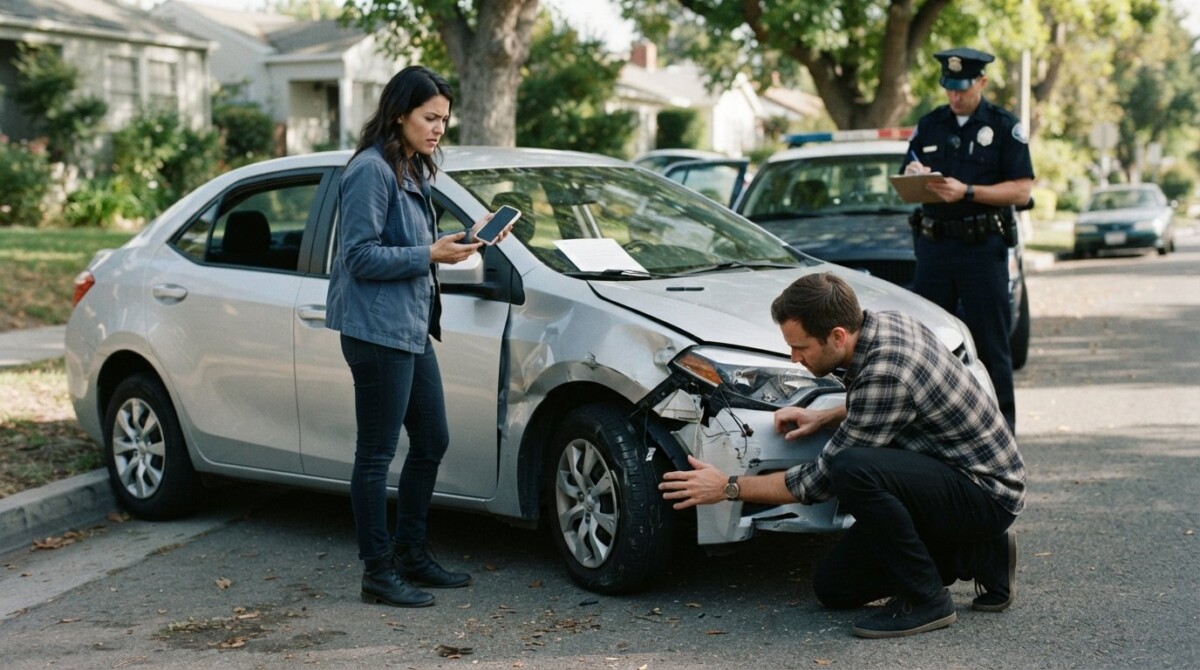
Being involved in a car accident is stressful enough, but discovering that the at-fault driver has no insurance can make the situation feel overwhelming. You may wonder who will pay for your medical bills, lost wages, and vehicle repairs. The good news is that uninsured driver claims are processed through a specific legal and insurance framework designed to protect you. Understanding how uninsured driver claims are processed can help you navigate the system with confidence and avoid costly mistakes.
In this article, we break down the entire process, from the moment of the accident to the final settlement. You will learn what steps to take immediately, how uninsured motorist (UM) coverage works, what to do if the other driver is uninsured, and how to maximize your recovery. We also explain how a lawyer can help, especially when dealing with a complex claim. Whether you are a driver, passenger, or pedestrian, this guide provides the clarity you need.
What Is an Uninsured Driver Claim?
An uninsured driver claim is a legal demand for compensation that you file with your own insurance company when the at-fault driver lacks liability insurance. Unlike a standard accident claim, where you pursue the other driver’s insurer, an uninsured claim relies on your own policy’s uninsured motorist coverage. This coverage is optional in some states but mandatory in others, so you need to check your policy documents carefully.
The purpose of UM coverage is to put you in the same financial position you would have been in if the other driver had insurance. It covers medical expenses, lost income, pain and suffering, and sometimes property damage, depending on your policy. However, the claims process involves specific requirements, deadlines, and legal rules that differ from a typical accident claim.
One key aspect is that your insurance company acts as the defendant, even though you are their customer. This means the insurer may be more adversarial than you expect, scrutinizing your claim to minimize payouts. Therefore, you must document everything and understand your policy’s limits and exclusions.
Immediate Steps After an Accident With an Uninsured Driver
Your actions immediately after the crash can significantly affect how uninsured driver claims are processed for you. First, ensure everyone’s safety and call the police. A police report is crucial evidence, especially if the other driver admits they have no insurance. The officer will note the other driver’s information, including their license plate, and may issue a citation for driving without insurance.
Next, exchange information with the other driver, but do not argue or admit fault. If they lack insurance, they may be reluctant to share details, so rely on the police report. Also, gather evidence at the scene: take photos of the vehicles, the damage, the surrounding area, and any visible injuries. Collect contact information from witnesses; their statements can help prove liability.
After leaving the scene, report the accident to your insurer promptly, even if you have not yet confirmed the other driver’s insurance status. Delaying a report can jeopardize your claim. When you speak with your insurance company, be honest and factual, but do not speculate about fault. Your insurer will begin an investigation, which may include reviewing the police report and speaking to witnesses.
If you have medical injuries, seek treatment immediately and follow your doctor’s recommendations. Medical records are essential for proving damages. Also, keep a journal of your symptoms, recovery progress, and how the injuries impact your daily life. This documentation strengthens your claim for pain and suffering.
Understanding Uninsured Motorist Coverage
Uninsured motorist coverage is the primary source of compensation in an uninsured driver claim. It is designed to protect you when the at-fault driver has no insurance or insufficient insurance. There are two main types of UM coverage: bodily injury (UMBI) and property damage (UMPD). UMBI pays for your medical bills, lost wages, and pain and suffering, while UMPD covers repair or replacement of your vehicle.
Most states require insurers to offer UM coverage, but you may have the right to reject it in writing. If you did not opt out, you likely have it, but you should verify your policy’s limits. The minimum limits vary by state, often ranging from $25,000 to $50,000 per person and $50,000 to $100,000 per accident. If your damages exceed these limits, you may need to pursue other avenues, such as a lawsuit against the uninsured driver personally, though they may not have assets to collect.
Another important variation is underinsured motorist (UIM) coverage, which applies when the at-fault driver has insurance, but the limits are too low to cover your full damages. UIM coverage kicks in to fill the gap. Some policies combine UM and UIM into a single coverage, so you should check your declaration page.
What If You Do Not Have UM Coverage?
If you do not have uninsured motorist coverage, your options are limited. You may have to file a claim against the uninsured driver directly, which is often fruitless because they likely have no assets or income to pay a judgment. In some states, you can also seek compensation through your own health insurance or Medicaid, but you will still face out-of-pocket costs.
Additionally, you can consider filing a claim under your collision coverage if you have it. However, collision coverage is not designed to compensate for injuries, only vehicle damage, and you will have to pay a deductible. In this situation, consulting with a lawyer is particularly important to explore all possible sources of recovery.
How Uninsured Driver Claims Are Processed: Step-by-Step
The processing of an uninsured driver claim follows a structured sequence. Here is a step-by-step breakdown of what you can expect:
- Report the claim to your insurer. Provide all relevant details, including the other driver’s information, the police report number, and your medical diagnosis.
- Insurer’s investigation. The insurance company will assign an adjuster to investigate the accident. They may interview you and witnesses, review the police report, and examine your medical records.
- Demand letter. You or your lawyer will submit a demand letter outlining your damages, including medical bills, lost income, and pain and suffering, and request a specific settlement amount.
- Negotiation. The insurer may respond with a counteroffer, leading to negotiations. This stage can involve multiple rounds until you reach an agreement or impasse.
- Settlement or arbitration. If a settlement is reached, you will sign a release and receive the payment. If not, your policy may require arbitration, where a neutral third party decides the outcome.
Throughout this process, the law requires you to cooperate with the insurer’s investigation, but you do not have to accept a lowball offer. Remember that the adjuster works for the insurance company, not for you. Their goal is to minimize the payout, so you must be prepared to negotiate firmly.
One critical detail is that UM claims are subject to a statute of limitations, which is the deadline for filing a lawsuit if negotiations fail. This deadline varies by state, often ranging from one to six years. Miss it, and you lose your right to recover. An attorney can ensure you meet all deadlines.
What Is Arbitration and How Does It Work?
Many uninsured motorist policies include an arbitration clause, which means that if you and the insurer cannot agree on a settlement, the dispute goes to arbitration instead of court. Arbitration is a private legal proceeding where a neutral arbitrator or panel hears evidence and makes a binding decision. This process can be faster and less formal than a trial, but the decision is usually final and cannot be appealed.
During arbitration, both sides present evidence, including medical records, expert testimony, and accident reconstruction. The arbitrator then determines liability and the amount of damages. It is essential to have legal representation during arbitration, as the rules of evidence still apply, and the other side will have experienced counsel.
If your policy does not have an arbitration clause, you can still file a lawsuit in civil court. However, this is a longer and more expensive process. In either case, your lawyer can help you prepare a compelling case.
How a Lawyer Can Help With Uninsured Driver Claims
Navigating an uninsured driver claim can be complex, especially when your own insurance company is reluctant to pay. A personal injury attorney can level the playing field. They understand the tactics insurers use to deny or devalue claims, and they know how to present evidence effectively. For example, they can help you calculate the full value of your claim, including future medical expenses and non-economic damages like pain and suffering.
Additionally, lawyers can handle all communications with the insurance company, protecting you from making statements that could harm your case. They can also negotiate aggressively on your behalf, and if necessary, they can take the case to arbitration or court.
If you are considering legal help, platforms like LawyerOffer can connect you with qualified attorneys in your area. Their referral service simplifies the process of finding a lawyer who specializes in car accident claims, including uninsured driver cases. As noted in their guide, they do not act as a law firm, but they facilitate your connection to experienced legal professionals.
Common Mistakes to Avoid During the Claims Process
Many claimants make errors that reduce their settlement or delay payment. Here are common pitfalls to avoid:
- Admitting fault. Even saying “I’m sorry” can be interpreted as an admission of liability.
- Signing a release too early. Once you sign a release, you cannot seek additional compensation, even if your injuries worsen.
- Missing deadlines. Both insurance claim deadlines and the statute of limitations apply.
- Not seeking medical care. Delaying treatment gives the insurer a reason to argue your injuries are not serious.
- Accepting the first settlement offer. Initial offers are often far lower than the true value of your claim.
Avoiding these mistakes can make the difference between a fair settlement and a denied claim. If you are unsure about any step, consulting a lawyer is wise.
Frequently Asked Questions
What happens if the uninsured driver is at fault and I am injured?
If you have uninsured motorist coverage, you can file a claim with your own insurer. The claim process is similar to a standard accident claim, but you are the claimant against your own policy. Your insurer will investigate and determine liability, then compensate you up to your policy limits.
Can I still recover if I do not have UM coverage?
Yes, but your options are limited. You can sue the uninsured driver directly, but collecting may be difficult. You may also use your health insurance for medical bills, but you will likely face deductibles and co-pays. A lawyer can help explore all possible sources.
How long does an uninsured driver claim take to settle?
The timeline varies. Simple claims may settle in a few months, while complex ones can take a year or more, especially if arbitration or litigation is needed. The speed depends on the severity of injuries, the cooperation of the insurer, and whether liability is disputed.
Do I need a lawyer for an uninsured driver claim?
While not required, having a lawyer is highly recommended. Insurers are more likely to offer a fair settlement when you have representation. A lawyer can handle the legal complexities and ensure you receive the compensation you deserve.
Final Thoughts on Uninsured Driver Claims
Knowing how uninsured driver claims are processed empowers you to take the right steps after an accident. From reporting the incident promptly to gathering strong evidence and understanding your policy, every action matters. If you face complexities, such as an uninsured driver or a denied claim, do not hesitate to seek legal advice. At LawyerOffer, we can connect you with experienced attorneys who will fight for your rights. Call us at (833) 227-7919 for a referral today.
Remember, you do not have to face this challenge alone. With the right knowledge and legal support, you can secure the compensation you need to move forward.

About Audra Bellrose
Recent Posts
How Comparative Negligence Laws Differ by State
Understand how comparative negligence laws differ by state and protect your settlement. Call (833) 227-7919 for a free case review.

Why State Laws Differ in Accident Cases and What That Means for You
Understand how state laws differ in accident cases and protect your claim. Call (833) 227-7919 for a free attorney referral.
How Jurisdiction Affects Accident Claim Outcomes
Understand how jurisdiction affects accident claim outcomes and maximize your recovery. Call (833) 227-7919 for a free attorney referral.