
How Legal Demand Letters Are Structured: Key Parts
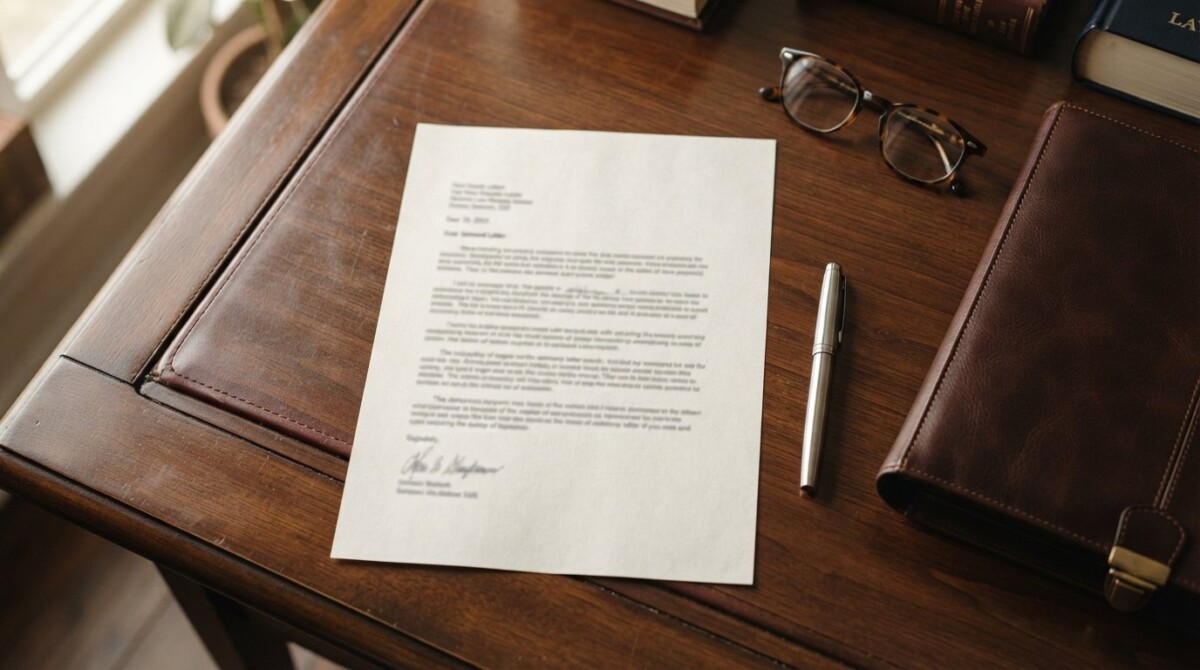
A legal demand letter is often the first serious move in a dispute. It tells the other side what you want and why you believe you are entitled to it. For many people, this document is the bridge between a frustrating situation and a negotiated settlement. When written well, it can resolve a claim without filing a lawsuit. When written poorly, it can stall negotiations or even weaken your position.
Understanding how legal demand letters are structured matters because the format directly affects how the recipient perceives your case. Insurers, corporate legal teams, and opposing attorneys read these letters daily. They look for clarity, evidence, and a realistic threat of litigation. A structured letter that is organized, factual, and professionally presented signals that you are prepared to take the matter further if necessary.
This guide breaks down the anatomy of a demand letter, explains each section in detail, and offers practical tips for drafting one that gets results. Whether you are dealing with an insurance claim after a car crash or a breach of contract dispute, the structure remains largely the same. The goal is always to present a compelling case that encourages the other side to settle.
<n
The Purpose of a Demand Letter
Before examining the structure, it helps to understand what the letter is supposed to accomplish. A demand letter is not just a formal complaint. It is a negotiation tool designed to achieve a specific outcome, usually monetary compensation. It also serves as a record of your position if the dispute escalates to court.
The letter puts the recipient on notice. It explains the facts, the legal basis for your claim, and the damages you have suffered. It also sets a deadline for response, which creates urgency. In many cases, the recipient will respond with a settlement offer or a request for more information. That response is the beginning of a dialogue that can lead to resolution.
For individuals, sending a demand letter can save time and money. It allows you to present your case before incurring the high costs of litigation. It also demonstrates good faith, which can be viewed favorably by a judge if the case proceeds to trial. For businesses, a demand letter is a way to protect revenue and avoid unnecessary legal fees.
The Opening Section: Header and Recipient Details
Every demand letter starts with basic information. This includes your name, address, and contact details, followed by the date and the recipient’s information. This section may seem routine, but accuracy is critical. A typo in an address or a misspelled name can delay delivery or create confusion.
The subject line should be direct and descriptive. For example, “Re: Demand for Payment Regarding Auto Accident on January 15, 2025.” This immediately tells the reader what the letter is about. It also makes it easier to file and reference. If you are dealing with an insurance company, include the policy number and claim number in this section.
Addressing the letter to the right person or department is equally important. For an insurance claim, send it to the claims adjuster handling your case. For a business dispute, address it to the legal department or the CEO. If you are unsure who to contact, call the company and ask. Do not send a demand letter to a general inbox where it might sit unread.
Statement of Facts
The factual narrative is the heart of the letter. This section tells the story of what happened, leading up to the damages you are claiming. It should be chronological, objective, and concise. Stick to the facts and avoid emotional language. The goal is to make the reader understand the sequence of events without feeling like they are reading a dramatic novel.
Start with the date and location of the incident. Describe what happened in clear terms. For example, if you are making a claim after a car accident, include details like the weather, road conditions, and the actions of each driver. If you are claiming breach of contract, describe the agreement and the specific clause that was violated. Include any relevant communications, such as emails or notices, that support your account.
Be careful not to admit fault or make statements that could be used against you later. For example, saying “I was distracted for a second” in a demand letter could jeopardize your claim. Stick to the facts and let the evidence speak. If you are unsure whether a detail is helpful, consult with an attorney before sending the letter.
Using Evidence to Support Your Narrative
Facts are stronger when backed by evidence. In the statement of facts section, reference documents, photographs, medical records, or witness statements that support your account. You do not need to attach every piece of evidence, but you should mention what you have and offer to provide copies upon request.
For example, “Attached are the police report and photos of the damage to my vehicle” is a simple and effective way to strengthen your case. This shows the recipient that you have done your homework and are prepared to prove your claims. It also makes it harder for them to dismiss your letter as a bluff.
Liability and Legal Basis
After presenting the facts, the letter should explain why the recipient is legally responsible. This is where you connect the dots between what happened and the law. You do not need to quote statutes or cite case law extensively, but you should reference the general legal principles that apply.
For example, in a personal injury case, you would explain that the other party owed you a duty of care, breached that duty through negligent actions, and caused your injuries as a result. In a breach of contract case, you would state that the parties had a valid agreement, that you performed your obligations, and that the other party failed to do the same.
This section does not need to be long. A few sentences that clearly state the legal basis for your claim are enough. The recipient will likely have legal counsel review the letter, and they will understand the implications. Your goal is to show that your claim has merit and that you are aware of your rights.
Itemized Damages
One of the most critical sections of a demand letter is the itemized list of damages. This is where you quantify your losses and state the amount you are seeking. Vague demands like “I want compensation for my pain and suffering” are weak. Specific numbers are much more persuasive.
Create a list that breaks down each category of damages. For a personal injury claim, this might include medical expenses, lost wages, property damage, and pain and suffering. For a contract dispute, it might include the cost of replacement goods, lost profits, and any additional expenses you incurred. Use the following format to present your damages clearly:
- Medical bills and treatment costs: $4,250
- Lost wages for three weeks of work: $2,100
- Vehicle repair costs: $1,850
- Pain and suffering (estimated): $5,000
- Total demand: $13,200
Providing a breakdown shows the recipient how you arrived at your number. It also makes it easier for them to evaluate the claim. If your total seems too high, they can counter with a specific reduction. If you only provide a lump sum, they may ignore it as unreasonable. Be realistic in your valuation. An inflated demand can kill negotiations before they start.
For complex damages like pain and suffering, there is no exact formula. You can reference similar cases or settlements to justify your amount. You can also explain the duration of your recovery or the long-term impact of your injuries. The key is to provide a rationale that seems fair and grounded.
The Settlement Demand and Deadline
The final part of the letter’s body is the actual demand. This is where you state the total amount you are willing to accept to settle the matter. You should also include a deadline for response, typically 10 to 30 days. This creates a sense of urgency and prevents the recipient from dragging their feet.
Be clear about what will happen if the deadline passes without a response. State that you will pursue legal action, which could include filing a lawsuit. This is not an empty threat. It is a statement of intent that shows you are serious. For example, “If I do not receive payment by March 1, 2026, I will file a complaint in the county court to recover the full amount plus court costs.”
Some letters also include a clause that the offer is valid only until the deadline. This is known as a “time-limited offer” and can be an effective negotiation tactic. It pressures the recipient to act quickly rather than delaying to see if you will lower your demand.
Common Mistakes to Avoid
Even with a strong structure, demand letters can fail due to common errors. One of the biggest mistakes is being vague. If the recipient cannot understand what you are claiming or why you are entitled to it, they will likely ignore the letter. Another mistake is being overly aggressive or emotional. Insults and threats do not persuade anyone; they only make you look unprofessional.
Missing evidence is another issue. If you reference a document but fail to attach it or offer to provide it, the recipient may assume you do not have it. Always follow through on what you promise. Finally, do not forget to proofread. Spelling errors and typos undermine your credibility. Read the letter aloud or have a friend review it before you send it.
When to Consult an Attorney
While you can write a demand letter yourself, there are situations where professional help is essential. If your claim involves significant damages, complex legal issues, or a well-funded opponent, an attorney can add weight to your letter. Lawyers know how legal demand letters are structured for maximum impact, and their letterhead signals that you are prepared to litigate.
An attorney can also help you evaluate your claim and avoid undervaluing your damages. They can negotiate on your behalf and handle any counteroffers. If your case is headed to court, having an attorney from the start is a significant advantage. You can use a service like LawyerOffer to find a qualified attorney who specializes in your type of case.
For straightforward claims with clear liability, a well-drafted demand letter may be enough to secure a settlement. But if the recipient does not respond favorably, or if the stakes are high, do not hesitate to seek legal advice. The cost of a consultation is often worth the peace of mind.
Frequently Asked Questions
What is the ideal length for a demand letter?
There is no strict rule, but most effective demand letters are between one and three pages. The letter should be long enough to present your case clearly but short enough to hold the reader’s attention. Focus on the key facts, the legal basis, and your damages. Avoid repeating yourself or including irrelevant details.
Can I send a demand letter via email?
Yes, email is acceptable in most situations, but certified mail is the safest option. A physical letter sent via certified mail provides proof of delivery, which is valuable if the dispute escalates. If you choose email, request a read receipt and follow up with a mailed copy to be safe.
What should I do if the recipient ignores my letter?
If the deadline passes without a response, you have a few options. You can send a follow-up letter, make a phone call, or proceed with legal action. Ignoring your demand does not mean your claim goes away. It simply means you need to escalate the matter. Consult with an attorney to discuss your next steps.
Structured demand letters are a powerful tool for resolving disputes without the cost and stress of litigation. They force the other side to pay attention and respond. By following the format outlined above, you can present a professional and persuasive case. For more complex claims, consider whether a structured settlement or a lump sum payment is better for your situation. Our guide on lump sum vs structured settlement can help you understand the trade-offs. Also, review our article on how structured settlements are paid out if you expect a large award.
If you are ready to take action but need legal guidance, do not wait. Contact a professional who can review your case and draft a letter that maximizes your chances of a favorable outcome. A well-structured letter is your first step toward getting what you deserve.

About Eric Lawson
Recent Posts

How Evolving Legal Standards Affect Compensation
How evolving legal standards affect compensation: get clarity on caps, fault rules, and AI claims. Call (833) 227-7919 for a free case review.

How Recent Court Rulings Impact Accident Claims in 2026
Recent court rulings are changing how accident claims are valued and defended. Call (833) 227-7919 to speak with an attorney and protect your recovery.

How New Injury Law Changes Affect Settlements in 2026
Recent injury law changes can shift your settlement value by tens of thousands. Call (833) 227-7919 to review your claim and protect your recovery.