
At Fault in a Car Accident: What Happens Next?

Being involved in a car accident is stressful, but discovering you are the one who caused it can feel overwhelming. Your mind races with questions about insurance, repairs, medical bills, and legal consequences. The immediate moments after a crash are critical, and understanding what happens if you are at fault in a car accident can help you navigate the aftermath with confidence and protect your rights.
Whether you rear-ended another driver, failed to yield, or made an unsafe lane change, the legal and financial ripple effects can last for months or even years. This guide walks through every stage of the process from the scene of the accident through the final resolution of claims and potential lawsuits. By knowing what to expect, you can make informed decisions that minimize your liability and preserve your financial stability.
Immediate Steps After You Cause a Crash
The first moments after an accident set the tone for everything that follows. Your actions can either protect your position or create additional problems. If you believe you caused the collision, focus on safety first. Check for injuries and call 911 if anyone needs medical attention. Do not admit fault at the scene, even if you think you are responsible. Fault is a legal determination that requires investigation and evidence review.
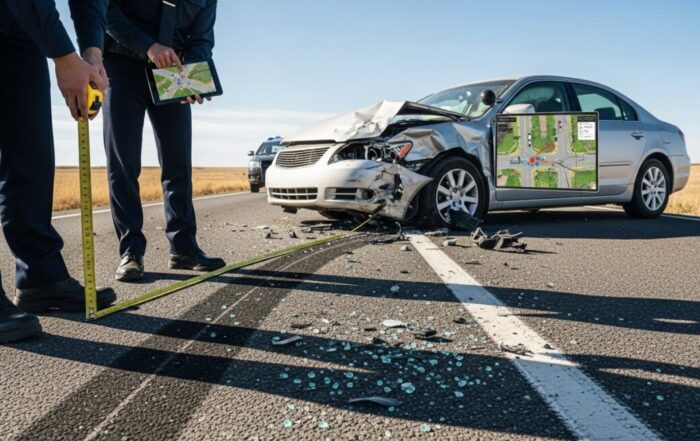
Exchange information with the other driver including names, phone numbers, insurance details, and license plate numbers. Take photos of both vehicles, the surrounding area, road conditions, and any visible injuries. If there are witnesses, ask for their contact information. These steps create a factual record that helps insurance adjusters and attorneys determine exactly what happened. In our guide on handling a Fort Lauderdale car accident with a skilled injury lawyer, we explain why preserving evidence matters for both liability and damages.
Cooperate with police officers who respond to the scene. Provide your account of what happened without speculating or guessing. If you are unsure about a detail, say so. The police report will become an important document for insurance claims and potential legal proceedings. Remember that anything you say can be used against you later, so stick to the facts and let the investigation determine fault.
How Insurance Companies Determine Fault
Insurance adjusters use several sources of information to decide who caused an accident and to what degree. They review the police report, photos from the scene, damage patterns on the vehicles, and statements from drivers and witnesses. In some cases, they may visit the accident location to assess road conditions, signage, and visibility. The adjuster assigns a percentage of fault to each driver based on the evidence.
This determination matters because it directly affects how claims are paid. In states that follow comparative negligence rules, you can still recover damages even if you are partially at fault, but your compensation is reduced by your percentage of fault. For example, if you are 40 percent at fault and your total damages are $10,000, you would receive $6,000. In states with contributory negligence rules, any fault at all can bar you from recovering anything from other parties.
Your insurance company will assign a claims adjuster to investigate the accident and evaluate your liability. You are contractually obligated to cooperate with this investigation. Provide requested documents promptly, but avoid giving recorded statements without consulting an attorney. Adjusters are trained to ask questions that minimize the company’s payout, and your words can be used to reduce or deny coverage.
What Your Insurance Policy Covers
When you are at fault, your liability insurance is the primary protection for you and the other party. Liability coverage pays for property damage and bodily injury that you cause to others. This includes the other driver’s vehicle repairs, medical expenses, lost wages, and pain and suffering up to your policy limits. Your own damages, such as repairs to your car and your medical bills, are covered only if you have collision and medical payments coverage.
Most states require minimum liability limits, but these minimums are often insufficient for serious accidents. If your policy limits are too low to cover the other party’s damages, you may face personal financial exposure. The other driver or their insurance company can sue you directly for the remaining amount. This is one reason why carrying adequate coverage is essential. Review your policy declarations page to understand your limits and consider increasing them if they are minimal.
Your insurance company has a duty to defend you against claims and lawsuits arising from the accident. They will provide an attorney if you are sued, but only up to your policy limits. If the claim exceeds your coverage, you may need to hire your own attorney to protect your personal assets. This is where having a skilled legal advocate becomes critical.
Financial Consequences of Being at Fault
The immediate financial impact of causing an accident includes paying your deductible for repairs to your own vehicle if you have collision coverage. Your insurance premiums will almost certainly increase at renewal, often significantly. In many states, insurers can raise rates by 20 to 50 percent after an at-fault accident, and the surcharge can last for three to five years. Some insurers may even choose not to renew your policy, forcing you to find coverage with a high-risk insurer at much higher rates.
Beyond premium increases, you may face out-of-pocket costs if the other party’s damages exceed your insurance limits. These costs can include rental car expenses, lost wages from time spent dealing with claims, and legal fees if you are sued. If the accident caused serious injuries, the financial exposure can be substantial. Medical bills for a single hospitalization can exceed $50,000, and long-term care costs can run into the hundreds of thousands.
For a deeper look at protecting your finances after a crash, see our article on navigating compensation after a Las Vegas car accident. While that guide focuses on receiving fair compensation, the principles of documentation and legal strategy apply equally when you are defending against a claim.
Legal Consequences and Potential Lawsuits
When you cause an accident that results in injuries or significant property damage, the other party has the right to file a lawsuit against you. The lawsuit will seek compensation for medical expenses, lost income, pain and suffering, and other losses. Your insurance company is obligated to defend you and pay any judgment up to your policy limits. However, if the judgment exceeds your limits, you are personally responsible for the difference.
In most cases, lawsuits are filed close to the statute of limitations deadline, which varies by state. Common deadlines range from one to six years from the date of the accident. If you are served with a lawsuit, do not ignore it. Notify your insurance company immediately, as they will assign defense counsel. Failure to respond can result in a default judgment against you, meaning the court automatically awards damages to the other party.
The legal process involves discovery, where both sides exchange evidence and take depositions. Your attorney will work to negotiate a settlement before trial. Most car accident cases settle out of court, but some proceed to trial if the parties cannot agree on damages or liability. A trial can be lengthy and expensive, but it is rare for at-fault drivers to personally attend court proceedings because the insurance company handles the defense.
When You Might Face Criminal Charges
Most at-fault accidents are civil matters, not criminal ones. However, certain behaviors can lead to criminal charges. Driving under the influence of alcohol or drugs, reckless driving, hit-and-run, and driving with a suspended license are common examples. If you are charged with a crime related to the accident, you need a criminal defense attorney immediately. Criminal convictions carry penalties such as fines, jail time, license suspension, and mandatory education programs.
Even without criminal charges, traffic citations like speeding or failure to obey a traffic signal can result in points on your driving record. Accumulating too many points can lead to license suspension and higher insurance rates for years. Some states offer defensive driving courses to remove points, but these options vary by jurisdiction.
If you are unsure about your legal exposure, consulting with a qualified attorney is wise. Many attorneys offer free consultations to discuss your situation. You can find an experienced car accident lawyer near you through legal referral services that match you with attorneys who handle your type of case.
How to Minimize the Damage After an At-Fault Accident
Taking the right steps after an accident can reduce the negative impact on your life. Start by being honest with your insurance company. Attempting to hide facts or minimize your role can backfire and result in denial of coverage. Provide the information they request, but do not volunteer unnecessary details. Let the evidence speak for itself.
Consider hiring an attorney even if you think your case is straightforward. An attorney can help you understand your policy limits, negotiate with the other party’s insurance, and protect you from bad faith practices by your own insurer. They can also advise you on whether to accept a settlement offer or fight a disputed claim. Many people mistakenly believe that attorneys are only for victims, but defense representation is equally important for at-fault drivers.
Here are key steps to protect yourself after an at-fault accident:
- Notify your insurance company within 24 hours and provide the claim number to all involved parties.
- Keep a detailed file of all documents including the police report, photos, medical records, and correspondence with insurers.
- Do not discuss the accident on social media. Posts can be used as evidence against you in court or during settlement negotiations.
- Track all expenses related to the accident, including towing, storage, rental cars, and medical copays. You may need these for tax deductions or legal proceedings.
- Attend all scheduled medical appointments if you were injured. Gaps in treatment can be used to argue that your injuries are not serious.
By following these steps, you demonstrate responsibility and cooperation, which can work in your favor if disputes arise. Insurance companies and courts look more favorably on drivers who take proactive steps to resolve claims fairly.
Long-Term Impact on Your Driving Record and Insurance
An at-fault accident stays on your driving record for three to five years in most states. During this time, your insurance rates will be higher, and some insurers may refuse to cover you. If you are dropped by your insurer, you enter the high-risk insurance market, where premiums can be double or triple standard rates. SR-22 insurance, a certificate of financial responsibility, may be required if you caused a serious accident or have multiple violations.
Your driving record affects more than just insurance. Employers who require driving for work may check your motor vehicle report. A recent at-fault accident could disqualify you from certain jobs or promotions. Similarly, if you lease a vehicle, the leasing company may impose higher fees or restrict your options based on your driving history.
The best way to mitigate long-term damage is to drive safely and avoid further incidents. Many insurance companies offer accident forgiveness programs that prevent your first at-fault accident from raising your rates. Some states allow you to complete a defensive driving course to reduce points or demonstrate improvement. Check with your insurer and state DMV for available options.
Frequently Asked Questions
Will my insurance automatically pay the other driver?
Your insurance company will pay the other driver only after completing its investigation and confirming that you are legally liable. If liability is clear, they will negotiate a settlement directly with the other party or their insurer. If liability is disputed, the process may take longer and could involve mediation or litigation.
Can I be sued personally even if I have insurance?
Yes. If the other party’s damages exceed your insurance policy limits, they can sue you personally for the difference. Your insurance company will defend you, but any judgment above your limits becomes your personal debt. This is why umbrella insurance policies are recommended for drivers with significant assets.
What happens if I cannot afford to pay the damages?
If a judgment is entered against you and you cannot pay, the other party can pursue collection methods such as wage garnishment, bank account levies, or property liens. Bankruptcy may discharge some accident-related debts, but not all. Consulting with a bankruptcy attorney is advisable if you face overwhelming liability.
Do I need a lawyer if I am at fault?
Not always, but often yes. If the accident involves serious injuries, disputed liability, or potential policy limits issues, an attorney can protect your interests. Even in minor accidents, an attorney can help you avoid common mistakes that lead to higher costs. For complex situations, you may want to work with a top-rated car accident lawyer to maximize your claim outcome, even when you are the one facing the claim.
How long does an at-fault accident affect my insurance rates?
Typically three to five years, depending on your state and insurer. Some insurers surcharge for three years, while others look back five years. After that period, the accident usually falls off your driving record and no longer affects your premiums.
Final Thoughts on Being at Fault in a Car Accident
Being at fault in a car accident is never pleasant, but it does not have to ruin your life. By understanding the process, cooperating with your insurer, and seeking legal advice when needed, you can manage the consequences effectively. The key is to act quickly, document everything, and avoid making admissions or promises at the scene. Remember that insurance exists precisely for situations like this. Your policy is designed to protect you financially, and your insurer has a duty to handle claims fairly. If you ever feel overwhelmed by the process, reach out to a qualified attorney who can guide you through the legal and insurance maze. With the right approach, you can move past the accident and get back on the road with confidence.

About Michael Turner
Recent Posts
How Speed Is Proven After a Crash: Key Evidence
Learn how speeding is proven after an accident using EDR data, skid marks, and video. Call (833) 227-7919 for a free attorney referral.

How Texting Evidence Is Used in Accident Cases
Discover how texting evidence is used in accident cases to prove fault and win claims. Call (833) 227-7919 for a free case review.

How Texting Evidence Is Used in Accident Cases
Learn how texting evidence is used in accident cases and how it can prove fault or challenge claims. Call (833) 227-7919 for a free attorney referral.