
Bard PowerPort Catheter Lawsuit: Complications and Legal Options
Bard PowerPort catheter lawsuit complications and legal options: learn how to pursue compensation with a free case review and no upfront fees.

By Micah Snowdon
A Bard PowerPort catheter is a small, implanted medical device used to deliver medications, fluids, and blood draws for patients who need long-term intravenous access. It is designed to reduce the need for repeated needle sticks and to make treatments like chemotherapy easier to tolerate. For many patients, the device works as intended. But in recent years, a growing number of lawsuits have alleged that certain Bard PowerPort catheters can fracture, migrate, or cause dangerous infections, leading to serious complications and, in some cases, death. If you or a loved one were harmed after receiving a Bard PowerPort, understanding the Bard PowerPort catheter lawsuit complications and legal options can help you decide whether to pursue compensation.
This article explains what the Bard PowerPort is, the complications linked to it, the status of current litigation, and the steps you can take to protect your legal rights. It also outlines how a free case review through a trusted legal information platform can connect you with an attorney who handles mass tort claims. The information here is educational and is not legal advice. Only a qualified lawyer can evaluate your specific situation and advise you on the best course of action.
What Is a Bard PowerPort Catheter and Why Is It Used?
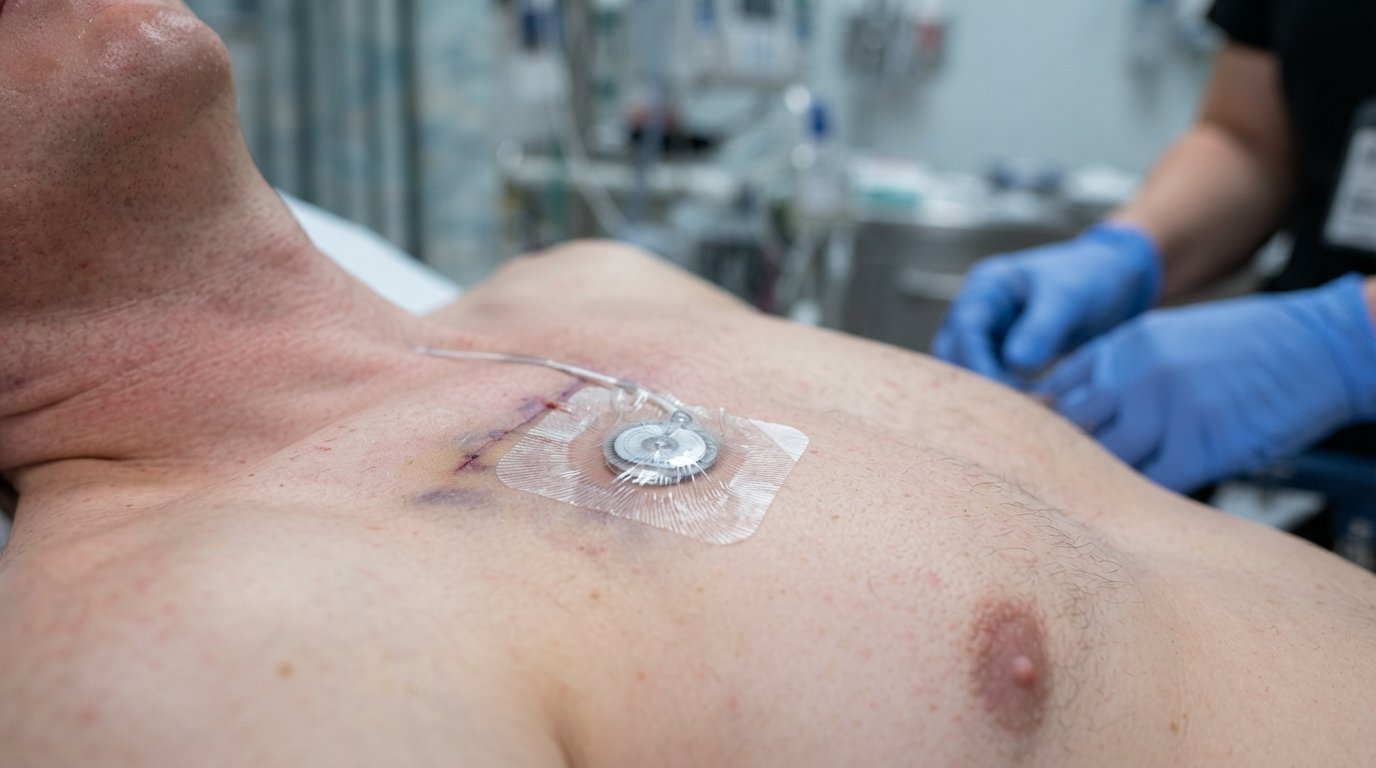
A Bard PowerPort is a type of implantable port, also known as a totally implantable venous access device. It consists of a small reservoir (the port) placed under the skin, usually in the chest, and a thin, flexible tube called a catheter that threads into a large vein near the heart. Health care providers use the port to draw blood and to administer chemotherapy, antibiotics, nutrition, and other treatments without repeatedly accessing peripheral veins.
The device is manufactured by C.R. Bard Inc., now part of Becton, Dickinson and Company (BD). The PowerPort line includes several models, such as the PowerPort Slim, PowerPort Duo, and PowerPort MRI. These ports are marketed as being able to withstand high-pressure injections used in CT scans, which is why they are often called power-injectable ports. That feature makes them convenient for patients who need frequent imaging studies.
Despite their benefits, reports of device failures have raised concerns. The U.S. Food and Drug Administration (FDA) has received thousands of adverse event reports involving implanted ports, including Bard PowerPort devices. Many of these reports describe catheter fractures, embolization (where a piece of the catheter breaks off and travels through the bloodstream), infections, and thrombosis. These complications can require additional surgeries, extended hospital stays, and long-term medical monitoring.
Common Complications Linked to Bard PowerPort Catheters
Lawsuits against C.R. Bard and BD allege that the design of certain PowerPort catheters makes them prone to fracture and other failures. The most frequently reported complications include the following.
- Catheter fracture and embolization: The catheter can crack or break, sending fragments into the bloodstream. These fragments can travel to the heart or lungs and cause life-threatening injuries.
- Infections: Bacteria can enter through the port or catheter, leading to bloodstream infections, sepsis, or localized infections that require removal of the device.
- Thrombosis: Blood clots can form around the catheter, potentially blocking veins or traveling to the lungs (pulmonary embolism).
- Migration and malposition: The catheter tip can move out of place, causing pain, malfunction, or damage to surrounding tissues.
- Pinch-off syndrome: The catheter can become compressed between the clavicle and the first rib, which may lead to fracture and embolization.
These complications are not just inconvenient. They can be deadly. Catheter fragments that reach the heart can cause arrhythmias, perforation, or cardiac arrest. Infections can progress to sepsis, which has a high mortality rate if not treated promptly. Blood clots can cause pulmonary embolisms that are similarly dangerous. Even when complications are not immediately life-threatening, they often require invasive procedures to remove the device and retrieve broken pieces, adding physical and emotional strain.
Many patients who experienced these problems say they were never warned about the risk of fracture or embolization. Lawsuits allege that the manufacturer knew or should have known about the defects and failed to provide adequate warnings to doctors and patients. If you suffered a serious complication after receiving a Bard PowerPort, you may have grounds for a product liability claim.
Bard PowerPort Catheter Lawsuit: Current Litigation Status
Litigation involving Bard PowerPort catheters has been consolidating in federal court. In 2023, the Judicial Panel on Multidistrict Litigation (JPML) created a multidistrict litigation (MDL) known as In re: Bard Implanted Port Catheter Products Liability Litigation, MDL No. 3081. The MDL centralizes federal lawsuits filed across the country before Judge David G. Campbell in the District of Arizona. As of 2026, hundreds of cases are pending in this MDL, and the number continues to grow.
MDL consolidation does not mean that all cases are tried together. Instead, it allows for coordinated discovery and pretrial proceedings. Bellwether trials may be selected to test the strength of the claims and to encourage settlement discussions. If a global settlement is reached, it could resolve many cases at once. If not, cases may be remanded to their original courts for trial. Lawsuits are also pending in state courts in various jurisdictions.
The claims in these lawsuits generally assert that the Bard PowerPort catheters are defectively designed, that the manufacturer failed to warn about the risks, and that the defects caused severe injuries or death. Plaintiffs seek compensation for medical expenses, lost wages, pain and suffering, and other damages. Some families also pursue wrongful death claims on behalf of deceased loved ones.
If you are considering joining this litigation, it is important to act promptly. Each state has its own statute of limitations for product liability and personal injury claims. In many states, the clock starts running from the date of injury or the date you discovered (or should have discovered) the harm. Waiting too long can permanently bar your claim. An experienced attorney can evaluate the timeline in your case and help you file before the deadline.
Who May Qualify to File a Bard PowerPort Lawsuit?
Not everyone who had a Bard PowerPort implanted will have a valid claim. To pursue a lawsuit, you generally need to show that you suffered a serious complication that was caused by the device, not by an unrelated medical condition or improper handling. The strongest cases typically involve one or more of the following.
- A confirmed catheter fracture, with or without embolization of a fragment.
- A bloodstream infection or sepsis that required hospitalization or IV antibiotics.
- A blood clot (deep vein thrombosis or pulmonary embolism) linked to the port catheter.
- Migration or malposition of the catheter that required surgical correction.
- Other serious injuries requiring additional surgery, extended hospitalization, or long-term care.
You may also have a claim if a family member died due to complications related to a Bard PowerPort. Surviving spouses, children, and sometimes parents can file wrongful death claims, depending on state law. The amount of compensation available varies widely based on the severity of the injury, the jurisdiction, and the strength of the evidence.
It is important to note that having a Bard PowerPort alone is not enough to sue. The device must have malfunctioned or caused harm. If you are unsure whether your experience qualifies, a free case evaluation can help clarify your options. Many law firms handling these cases offer free consultations and work on a contingency fee basis, meaning you pay nothing upfront and only owe a fee if they recover money for you.
Legal Options for Injured Patients
If you believe you were harmed by a Bard PowerPort, you have several potential legal avenues. The right path depends on the specifics of your injury, the timing, and the evidence available. Below are the primary options.
- Product liability lawsuit: You can sue the manufacturer for design defects, manufacturing defects, or failure to warn. These cases are often brought as individual lawsuits or as part of the MDL.
- Medical malpractice claim: If a health care provider negligently implanted or managed the port, you may have a claim against the provider. This is separate from a product liability claim and may be pursued simultaneously.
- Wrongful death claim: If a loved one died due to complications, surviving family members may file a wrongful death lawsuit to recover damages for funeral expenses, loss of companionship, and other losses.
- Class action: In some instances, a class action may be appropriate, but mass tort MDLs are more common for device injury cases because each plaintiff has unique damages.
Whichever route you choose, you will need evidence. Key documents include your medical records, operative reports, imaging studies, and any communications with your health care providers. If the device was removed, the explanted catheter may be preserved as evidence. Your attorney can help you gather these materials and work with medical experts to establish causation.
It is also wise to keep a detailed diary of your symptoms, treatments, and how the injury has affected your daily life. This can be powerful evidence when presenting your claim to a jury or negotiating a settlement. Insurance companies and defense lawyers often try to minimize the impact of device injuries, so thorough documentation matters.
How to Find a Qualified Attorney for Your Bard PowerPort Claim
Selecting the right lawyer is one of the most important decisions you will make. Not all personal injury attorneys have experience with mass torts or medical device litigation. You want someone who understands the science behind catheter fractures, the regulatory history of the device, and the procedural rules of the MDL. Here are steps to find a qualified attorney.
- Research the firm's experience: Look for attorneys who have handled Bard PowerPort cases or similar implantable device litigation. Check their websites, read client reviews, and ask about their track record.
- Schedule free consultations: Most mass tort lawyers offer free, no-obligation case reviews. Use these meetings to ask questions about their strategy, staffing, and communication style.
- Ask about fees and costs: Contingency fee arrangements are standard in these cases. Confirm who pays for expert witnesses, filing fees, and other expenses if the case loses.
- Evaluate communication: You should feel comfortable reaching out with questions. A good attorney will explain the process in plain language and keep you informed about key developments.
- Check for conflicts: Make sure the firm does not represent the manufacturer or have any conflict of interest that could compromise your case.
If you are not sure where to start, a legal information platform like LegalCaseReview can help you learn more about mass tort litigation and connect with attorneys who handle these claims. Such platforms provide educational resources and free case evaluations, making it easier to explore your options without pressure.
Remember that you do not have to navigate this alone. The legal system can be complex, especially when you are dealing with health problems. Having a knowledgeable advocate on your side can make a significant difference in the outcome of your case.
What Compensation Might Be Available?
Compensation in a Bard PowerPort lawsuit depends on the nature and extent of your injuries, the evidence of defect, and the jurisdiction where the case is filed. Economic damages are typically easier to calculate because they are tied to documented losses. Non-economic damages are more subjective but can be substantial in severe injury cases. In some instances, punitive damages may also be available if the manufacturer's conduct was particularly reckless or malicious.
Economic damages may include:
- Past and future medical expenses, including surgeries, medications, and rehabilitation.
- Lost wages and lost earning capacity if you cannot return to work.
- Costs of travel for medical treatment and other out-of-pocket expenses.
Non-economic damages may include:
- Pain and suffering.
- Emotional distress, anxiety, and depression.
- Loss of enjoyment of life.
- Loss of consortium for spouses.
If a loved one died, a wrongful death claim may seek compensation for funeral and burial expenses, loss of financial support, loss of companionship, and the emotional pain suffered by survivors. The exact value of any claim can only be determined after a thorough review of the facts. Beware of anyone who promises a specific settlement amount before investigating your case. A reputable attorney will give you an honest assessment of the strengths and weaknesses of your claim.
Steps to Take If You Suspect a Bard PowerPort Injury
If you or a family member experienced a serious complication after receiving a Bard PowerPort, it is important to act quickly. Evidence can be lost, memories can fade, and legal deadlines can pass. The following steps can help protect your rights.
- Seek medical attention immediately: Your health comes first. If you are experiencing symptoms like chest pain, shortness of breath, fever, or swelling, get emergency care.
- Document everything: Keep copies of medical records, test results, and bills. Write down dates, names of providers, and details of your symptoms.
- Preserve the device if possible: If the port or catheter is removed, ask that it be retained. Do not let it be discarded.
- Consult an attorney: Contact a lawyer experienced in medical device litigation as soon as you are able. A free case review can help you understand whether you have a claim.
- Do not sign anything from the manufacturer or insurers without legal advice: Early settlement offers are often far less than what your case may be worth.
Taking these steps does not commit you to filing a lawsuit. It simply preserves your options while you gather information. Many people find that once they speak with an attorney, they feel more in control of the situation and better prepared to make decisions about their future.
The Role of Mass Tort Litigation in Device Injury Cases
Mass tort litigation allows many individual lawsuits involving the same product or harm to proceed in a coordinated way. The Bard PowerPort MDL is an example of this approach. It is not a class action, which would bundle all claims into one lawsuit with a single outcome. Instead, each plaintiff retains their own case, but pretrial proceedings are managed together to save time and resources.
Mass torts can lead to global settlements that compensate many victims at once. They also allow plaintiffs to share the costs of expert discovery and to present a united front against well-funded corporate defendants. However, every case is unique, and the outcome for one plaintiff does not guarantee the same for another. An experienced attorney can explain how the MDL process works and what it means for your specific claim.
If you are considering joining the Bard PowerPort litigation, it is wise to consult with an attorney who has experience in mass torts and medical devices. They can help you understand the potential value of your claim, the risks involved, and the timeline for resolution. They can also advise you on whether to file in federal court (and thus become part of the MDL) or in state court, depending on your circumstances.
In closing, if you or a loved one suffered complications from a Bard PowerPort catheter, you are not alone. Thousands of patients have come forward with similar stories, and the legal system offers a path to accountability. By learning about the Bard PowerPort catheter lawsuit complications and legal options, you can take the first step toward seeking justice. A free case evaluation is confidential, costs nothing, and carries no obligation. It is never too early to find out where you stand.