
Can You Sue If the Other Driver Has No Insurance?
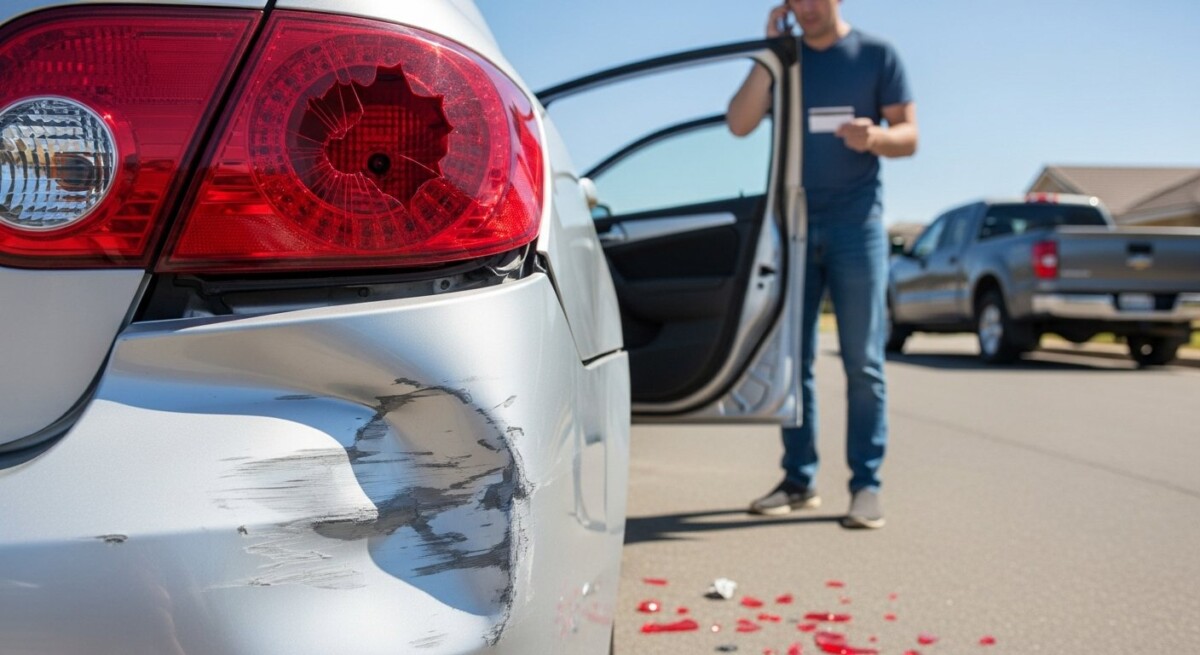
Being involved in a car accident is stressful enough, but discovering that the at-fault driver has no insurance can feel like a devastating blow. You may be wondering whether you can still pursue compensation for your medical bills, lost wages, and vehicle damage. The short answer is yes, you can sue an uninsured driver. However, the practical reality is more complex. Without insurance coverage from the other party, collecting a court judgment becomes the primary challenge. This article explains your legal options, the role of your own insurance policy, and the steps you should take to protect your financial recovery.
Understanding Your Legal Right to Sue an Uninsured Driver
In every state, you have the legal right to file a lawsuit against a driver who caused an accident, regardless of whether they carry insurance. The key question is not whether you can sue, but whether you can actually collect money from someone who has no insurance. Many uninsured drivers lack significant assets or income, making it difficult to enforce a judgment. Still, a lawsuit can serve as a powerful tool to pressure the other driver or uncover hidden assets.
When you sue an uninsured driver, you are seeking a court order that requires them to pay for your damages. If they fail to pay voluntarily, you can pursue wage garnishment, bank account levies, or property liens. In some cases, uninsured drivers have family or business assets that can be reached. A skilled attorney can investigate the driver’s financial situation and recommend the best course of action. For a deeper look at how legal representation can strengthen your case, read our guide on finding the right car accident insurance lawyer near you.
What Happens When the Other Driver Has No Insurance?
When the at-fault driver lacks liability coverage, the burden of compensation shifts to your own insurance policy, specifically your uninsured motorist (UM) coverage. UM coverage is designed precisely for this scenario. It steps in to pay for your medical expenses, lost income, and sometimes pain and suffering, up to the limits you selected when you purchased your policy. Many drivers are unaware that UM coverage exists or that it is required in some states.
If you do not have UM coverage, your options become more limited. You may need to rely on your health insurance for medical bills and your collision coverage for vehicle repairs. However, you can still sue the uninsured driver directly. The outcome of that lawsuit will depend on the driver’s ability to pay. In some states, you can also seek compensation from the state’s unsatisfied judgment fund, though these funds have strict eligibility requirements and caps.
Uninsured Motorist Coverage: Your First Line of Defense
Uninsured motorist coverage is optional in some states but mandatory in others. If you have it, you can file a claim with your own insurance company as if the uninsured driver were insured. Your insurer will investigate the accident, determine fault, and pay damages up to your policy limits. This process is generally faster and less adversarial than suing an individual. However, insurance companies are businesses, and they may try to minimize your payout. Working with an attorney ensures you receive the full value of your claim. Our article on how auto accident insurance lawyers maximize your claim explains strategies insurers use and how to counter them.
Steps to Take After an Accident With an Uninsured Driver
Your actions immediately after the accident can significantly affect your ability to recover compensation. Follow these steps to protect your rights:
- Call the police. A police report creates an official record of the accident and confirms that the other driver was uninsured. This documentation is critical for any insurance claim or lawsuit.
- Exchange information. Get the other driver’s name, address, phone number, and license plate number. Also, ask for their insurance information even if they say they have none.
- Document the scene. Take photos of all vehicles, the surrounding area, road conditions, and any visible injuries. Write down what happened while it is fresh in your mind.
- Seek medical attention. Even if you feel fine, see a doctor. Some injuries, like whiplash, appear hours or days later. Medical records also link your injuries to the accident.
- Notify your insurance company. Report the accident to your insurer as soon as possible. Tell them the other driver was uninsured so they can begin the UM claim process.
After taking these steps, consult with an attorney who specializes in uninsured motorist claims. Many offer free initial consultations. They can evaluate your case, advise you on the strength of a lawsuit, and handle negotiations with your insurance company.
Can You Sue for Pain and Suffering if the Driver Has No Insurance?
Yes, you can sue for pain and suffering, but the collectability issue remains. Pain and suffering damages are non-economic, meaning they compensate for physical pain, emotional distress, and loss of enjoyment of life. In a lawsuit against an uninsured driver, a judge or jury can award significant amounts for these damages. However, if the driver has no money or assets, the judgment may be uncollectible. Your UM coverage may also include compensation for pain and suffering, depending on your policy terms. Some policies limit UM damages to economic losses only, so review your policy or ask your attorney.
Alternatives to Suing an Uninsured Driver
Filing a lawsuit is not always the best option. Depending on your situation, these alternatives may provide faster or more certain compensation:
- Uninsured motorist claim. As discussed, this is often the most reliable path. Your insurance company handles the claim, and you avoid the hassle of chasing an uninsured defendant.
- Health insurance subrogation. Your health insurer may pay your medical bills now and later seek reimbursement from any settlement or judgment you receive. This ensures you get treatment without upfront costs.
- MedPay or PIP coverage. Medical payments coverage or personal injury protection (PIP) pays for medical expenses regardless of fault. These can cover immediate costs while you pursue other options.
- State unsatisfied judgment funds. A few states maintain funds to compensate victims of uninsured drivers. You typically must first obtain a judgment against the driver and prove they cannot pay.
Each alternative has pros and cons. An attorney can help you weigh them based on the severity of your injuries and the uninsured driver’s financial situation. For example, if your injuries are minor, a MedPay claim might suffice. For serious injuries, a UM claim or lawsuit may be necessary to cover long-term costs.
How a Lawyer Can Help You Sue an Uninsured Driver
Navigating a lawsuit against an uninsured driver requires legal knowledge and strategic thinking. An experienced attorney can:
- Investigate the driver’s assets. Lawyers have tools to uncover bank accounts, real estate, vehicles, and other assets that could satisfy a judgment.
- Determine if other parties are liable. Sometimes, another party shares fault, such as a government entity responsible for road conditions or a mechanic whose faulty repair caused the accident. These parties may have insurance.
- Negotiate with your insurance company. Your UM claim is handled by an adjuster whose goal is to minimize payout. An attorney levels the playing field.
- File a lawsuit and enforce the judgment. If the driver has assets, your lawyer will file suit, present evidence, and if you win, take steps to collect, such as wage garnishment or property liens.
If the uninsured driver is a hit-and-run driver, your options change slightly. Hit-and-run accidents are treated similarly to uninsured driver cases, but you must prove the other driver fled the scene. Our detailed guide on hit-and-run claims: can you still file after an accident explains the specific requirements and deadlines.
Frequently Asked Questions
Can I sue an uninsured driver if I live in a no-fault state?
Yes, but no-fault laws limit your right to sue for pain and suffering unless your injuries meet a certain threshold, such as permanent injury or significant disfigurement. You can still sue for economic damages like medical bills and lost wages. In no-fault states, your own PIP coverage pays first, and UM coverage may still be available.
What if the uninsured driver has no assets?
If the driver has no significant assets or income, a lawsuit may result in an uncollectible judgment. However, an attorney can still pursue the case if there is a possibility of future assets or if the driver has equity in a home or vehicle. Some states allow you to renew a judgment for years, giving you time to collect later.
How long do I have to sue an uninsured driver?
The statute of limitations for car accident lawsuits varies by state, typically ranging from one to six years. Missing this deadline bars you from ever suing. Consult an attorney promptly to ensure you do not lose your right to file.
Will my insurance rates go up if I file a UM claim?
In many states, insurance companies cannot raise rates for claims where you are not at fault, including UM claims. However, some insurers may increase premiums regardless. Check your policy or ask your agent. The potential rate increase is often worth the compensation you receive.
Can I sue the uninsured driver for punitive damages?
Punitive damages are possible if the driver acted with gross negligence, such as drunk driving or intentional harm. These damages punish the wrongdoer and deter similar conduct. However, collecting punitive damages from an uninsured driver is even more difficult than collecting compensatory damages.
Protecting Yourself Before an Accident
The best way to handle an accident with an uninsured driver is to prepare beforehand. When purchasing car insurance, always include uninsured motorist coverage. It is relatively inexpensive compared to the protection it provides. Also, consider umbrella insurance, which extends liability and UM coverage beyond your auto policy limits. Review your policy annually to ensure your limits are adequate. If you live in a state where UM coverage is optional, do not skip it. The small premium is a fraction of the cost of a serious accident without coverage. For guidance on navigating complex insurance claims, see our resource on navigating no-fault insurance claims with an accident lawyer.
Being hit by an uninsured driver does not mean you have to bear the financial burden alone. Between your own insurance coverage and the legal system, you have multiple avenues for recovery. While suing the uninsured driver is an option, it should be weighed against the likelihood of collecting a judgment. An experienced attorney can evaluate your case, explain your options, and help you choose the path most likely to result in fair compensation. If you have been in an accident with an uninsured driver, contact LawyerOffer today to discuss your case and take the first step toward financial recovery.

About Eric Lawson
Recent Posts
How Jurisdiction Affects Accident Claim Outcomes
Understand how jurisdiction affects accident claim outcomes and maximize your recovery. Call (833) 227-7919 for a free attorney referral.

Why Legal Deadlines Can Make or Break Your Accident Case
Missing a filing deadline can end your accident case instantly. Get legal help today at (833) 227-7919.

How Statute of Limitations Affects Injury Claims: Key Deadlines
Learn how statute of limitations affects injury claims and why deadlines matter. Call (833) 227-7919 for a free case review to protect your rights.