
Can Your Lifestyle Affect Injury Settlement Valuation?
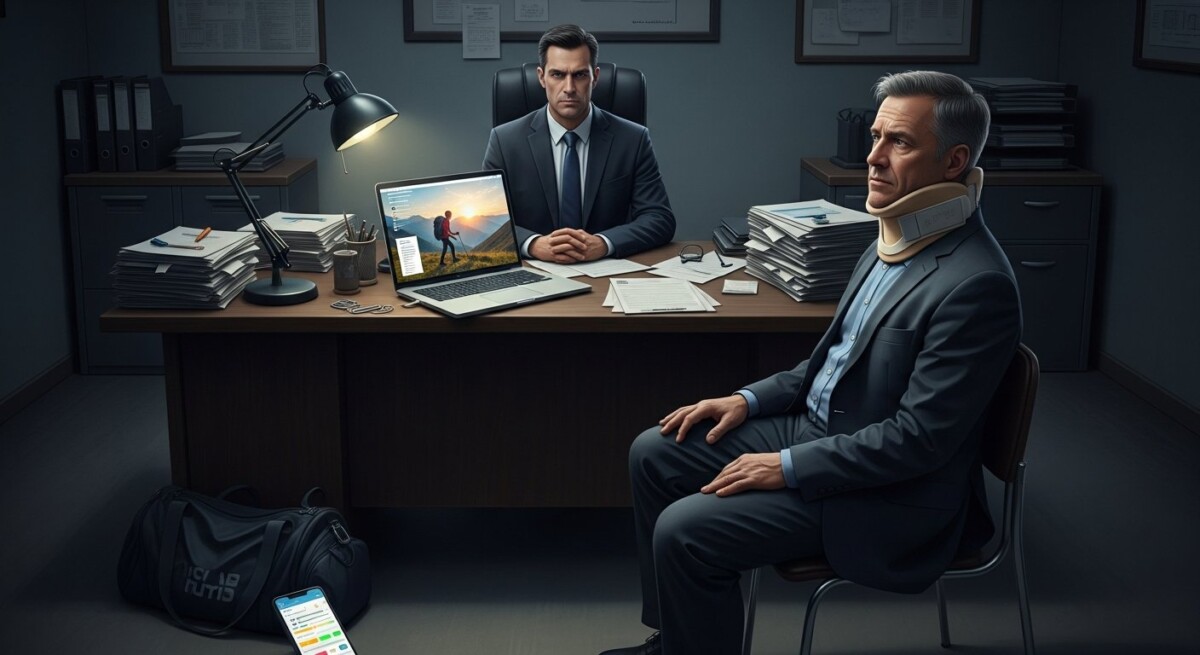
When you file a personal injury claim, you likely focus on medical bills, lost wages, and pain and suffering. But there is another factor that can quietly shift your settlement figure: your lifestyle. Insurance adjusters and defense attorneys often examine how you live, what you do, and the choices you make before and after an accident. Understanding how lifestyle affects injury settlement valuation can help you prepare, avoid surprises, and maximize your recovery. This article breaks down the key connections, explains what insurers look for, and offers practical steps to protect your claim.
How Your Daily Habits Shape Your Settlement Value
Your lifestyle is not just a personal matter. It becomes evidence in the hands of an insurer. They use it to argue that your injuries are less severe than claimed, or that your recovery was delayed by your own actions. For example, if you post photos on social media showing you hiking or lifting heavy objects after an accident, the adjuster may question your reported level of pain. Similarly, your diet, exercise routine, and even your job can influence how quickly you heal and how much compensation you deserve.
The core question is whether your lifestyle supports or undermines your injury narrative. A consistent, health-conscious lifestyle can bolster your claim by demonstrating that you were in good shape before the accident and that you are diligently following medical advice. On the other hand, a lifestyle that includes risky hobbies, smoking, or a sedentary routine can be used to discount your damages. To better understand the broader picture, review our discussion on what increases personal injury settlement value. That guide explains many other elements that interplay with lifestyle.
The Role of Pre-Existing Conditions and Lifestyle
Pre-existing conditions often intersect with lifestyle. If you already had back pain from years of heavy lifting at work, and then a car accident aggravates that condition, an insurer may argue that most of your pain is attributable to your previous lifestyle, not the accident. They will dig into your medical history, gym habits, and even your work duties to build this argument.
For instance, a person who runs marathons and has a history of knee issues might find their settlement reduced because the defense claims the accident only caused a minor flare-up. But a person with an active lifestyle who can prove they were pain-free before the accident has a stronger position. The key is to separate pre-existing lifestyle factors from accident-related injuries. Your attorney can help by obtaining records that show your baseline health and activity level before the incident.
Why Insurers Scrutinize Your Lifestyle Choices
Insurance companies have a financial incentive to minimize payouts. Scrutinizing your lifestyle is one of their most effective tools. They look for inconsistencies between your claimed limitations and your actual behavior. Common targets include social media posts, video surveillance, and even your own statements during a deposition.
Consider this example: a claimant says they cannot walk more than a few blocks due to a back injury, but surveillance footage shows them shopping at a mall for two hours. The adjuster will use that to argue that the injury is not as disabling as claimed. Similarly, if you smoke or drink excessively, insurers may argue that these habits caused or prolonged your symptoms, reducing the value of your claim. These tactics are why understanding factors that boost personal injury settlement value is essential when preparing your case.
Lifestyle Factors That Can Increase or Decrease Your Settlement
Not all lifestyle factors work against you. Some can actually strengthen your claim when properly documented. Here are the most influential lifestyle elements and how they are typically weighed by insurers:
- Physical activity and fitness level: Being fit before an accident often means faster recovery. Insurers may accept that your active lifestyle supports a higher claim for pain and suffering because you lost something valuable.
- Risky hobbies: Activities like skydiving, motorcycle racing, or rock climbing can be used to suggest that you have a high tolerance for risk or that your injury could have occurred from those hobbies rather than the accident.
- Smoking and alcohol consumption: These habits can delay healing and worsen outcomes. Insurers may argue that your own choices contributed to a longer recovery, thus reducing the settlement amount.
- Social media presence: Posts, check-ins, and photos are a goldmine for defense attorneys. Even a simple photo of you smiling at a party can be twisted to suggest you are not suffering.
- Employment and daily routine: Your job demands and how you manage household tasks provide context for your disability. A desk worker with a minor injury may have a weaker claim than a construction worker unable to lift.
Each of these factors is weighed alongside medical evidence, witness statements, and expert testimony. The more you can show consistency between your claimed limitations and your actual lifestyle. the harder it is for insurers to devalue your claim. For a deeper dive into the numerical side of these influences, read our post on elements that increase personal injury settlement value.
How to Protect Your Claim by Managing Lifestyle Evidence
Once you understand how lifestyle affects injury settlement valuation. you can take proactive steps to protect your case. First, be cautious with what you share online. Set your social media accounts to private, avoid posting about the accident or your activities, and ask friends and family to do the same. Second, keep a daily journal documenting your pain levels, limitations, and the impact on your daily life. This creates a consistent record that counters any surveillance evidence.
Third, be honest with your attorney about your lifestyle. If you smoke, drink, or have risky hobbies, tell your lawyer early. They can prepare responses to likely attacks. For instance, if you smoke, medical experts can still testify that your injury was caused by the accident, not by smoking. Finally, follow all medical advice strictly. If a doctor tells you to rest, rest. If they prescribe physical therapy, attend every session. Deviating from treatment is often used as evidence that your lifestyle (i.e., lack of compliance) prolongs recovery.
These steps do not guarantee a higher settlement, but they help maintain the credibility of your claim. Credibility is the currency of settlement negotiations. An adjuster who believes you are truthful and diligent is more likely to offer a fair number. To see a full checklist of proven strategies, refer to our guide on what drives settlement value higher.
Frequently Asked Questions
Can an insurer use my social media posts against me?
Yes. Insurance companies routinely monitor social media accounts for evidence that contradicts injury claims. Even posts from before the accident can show your baseline activity level. It is best to avoid posting altogether until your case is resolved.
Does my exercise routine affect settlement value?
It can. If you were an avid runner before the accident and now cannot run, that loss of enjoyment can increase your settlement. However, if you are seen exercising after the accident, it may reduce your claim. Context matters.
What if I smoke or consume alcohol?
These habits can be used to argue that your recovery is slower or that your health was already compromised. While you cannot change the past, your attorney can use medical evidence to show that the accident was the primary cause of your injuries.
How do I prove my lifestyle before the accident?
Medical records, gym logs, work attendance records, and testimonies from friends and family can all help establish your pre-accident lifestyle. Your lawyer will know what documents are most effective in your jurisdiction.
If you have more questions about your specific situation, consider speaking with an experienced personal injury attorney. LawyerOffer can connect you with qualified legal professionals who understand how lifestyle evidence is used in your state.
Your lifestyle is not a barrier to fair compensation. It is a piece of evidence that. when managed properly. can actually support your claim. The more aware you are of how lifestyle affects injury settlement valuation, the better prepared you will be to negotiate from a position of strength. Stay consistent, be honest, and let your attorney guide you through the process. For personalized advice, call us at (833) 227-7919 or visit our contact page to get started.

About Calista Moreno
Recent Posts

How Evolving Legal Standards Affect Compensation
How evolving legal standards affect compensation: get clarity on caps, fault rules, and AI claims. Call (833) 227-7919 for a free case review.

How Recent Court Rulings Impact Accident Claims in 2026
Recent court rulings are changing how accident claims are valued and defended. Call (833) 227-7919 to speak with an attorney and protect your recovery.

How New Injury Law Changes Affect Settlements in 2026
Recent injury law changes can shift your settlement value by tens of thousands. Call (833) 227-7919 to review your claim and protect your recovery.