
Car Accident in a Rental Car: What Should You Do?
You are driving a rental car in an unfamiliar city when suddenly another vehicle slams into your door. Your heart races. Your mind goes blank. In that moment, knowing exactly what steps to take can mean the difference between a smooth resolution and a financial nightmare. Rental car accidents add layers of complexity that a personal vehicle crash does not. Different insurance policies, rental company contracts, and liability rules all come into play. This guide walks you through every critical action so you can protect yourself legally and financially.
Stay Safe and Document Everything
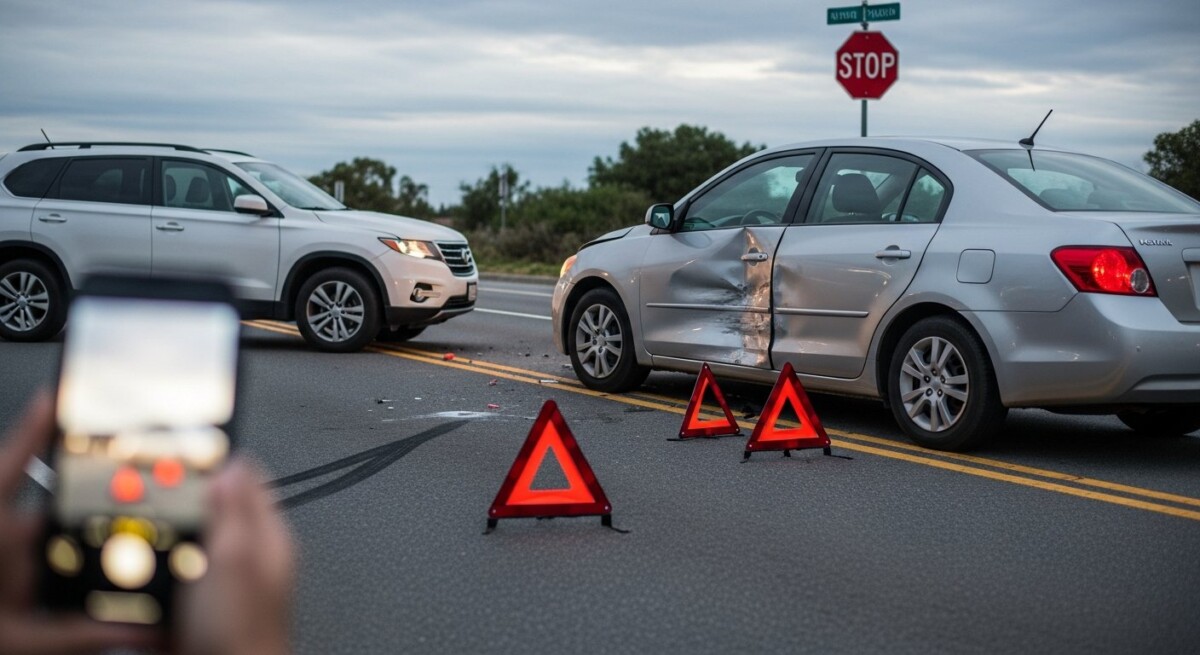
Your first priority is safety. Check yourself and your passengers for injuries. If anyone is hurt, call 911 immediately. Move the rental car to the side of the road only if it is safe and possible. Turn on hazard lights and set up warning triangles if you have them.
Once you are out of immediate danger, begin documenting the scene. Take photos from multiple angles. Capture the rental car’s damage, the other vehicle’s damage, skid marks, traffic signs, and the surrounding area. Write down the time, date, weather conditions, and road surface. Exchange information with the other driver: full name, phone number, insurance company, policy number, driver’s license number, and license plate. If there are witnesses, ask for their contact details and a brief statement of what they saw. Do not discuss fault or apologize. Even a casual “I’m sorry” can be used against you later.
Notify the Rental Company and Police
After ensuring everyone is safe, contact the rental company. Most rental agreements require you to report an accident within 24 hours. Look in your rental contract for the emergency number. Some companies have a dedicated claims hotline. Tell them where the car is located and what happened. They will tell you whether to leave the car at the scene, move it to a specific lot, or have it towed to an authorized repair center.
Call the police as well. A police report creates an official record of the accident. This document is critical for insurance claims and any legal proceedings. Give the officer the facts you have gathered. Do not speculate about who was at fault. Get the officer’s name and badge number, and ask how to obtain a copy of the report. Even in minor fender benders, a police report can protect you if the other driver later changes their story.
Understand Your Insurance Coverage
Rental car insurance can be confusing. Several layers of coverage may apply, and knowing which one takes priority is essential. Here are the common sources of coverage you need to review:
- Your personal auto insurance: Many personal policies extend liability, collision, and comprehensive coverage to rental cars. Check your policy or call your agent to confirm limits and deductibles.
- Credit card benefits: Some premium credit cards offer secondary rental car insurance. This means they cover what your personal insurance does not, such as the deductible or loss-of-use fees.
- Rental company coverage: If you purchased the rental company’s Collision Damage Waiver (CDW) or Loss Damage Waiver (LDW), it may cover damage to the rental car with little or no deductible. However, it usually does not cover liability for injuries to others.
- Supplemental liability insurance: This optional coverage from the rental company protects you if you are sued for injuring someone else. It often provides higher limits than state minimums.
If you did not buy any optional coverage from the rental company, your personal auto policy is the primary source of protection. If you do not own a car, your credit card benefit might be your only safety net. In that case, you could face significant out-of-pocket costs for damage to the rental vehicle and for third-party claims. For a deeper dive into how legal representation can help, read our guide on what a lawyer should do after a Utah car accident to understand the attorney’s role in building a strong case.
File a Claim Promptly
Time is not on your side after a rental car accident. Insurance companies and rental agencies often impose strict deadlines for filing claims. Contact your personal insurance company as soon as possible. Provide them with the police report number, photos, and the other driver’s information. If you have credit card rental insurance, call the benefit administrator listed on your card’s guide to benefits. They will tell you what documentation they need, such as the rental agreement, accident report, and repair estimates.
Be prepared for the rental company to charge you for several items beyond repairs. These can include loss of use (the income they lose while the car is being fixed), administrative fees, towing costs, and diminished value. If you have a CDW or LDW, those fees are typically waived. Without it, you may be billed for the full cost of repairs plus those additional charges. The total can easily reach thousands of dollars. For example, a two-week loss-of-use fee at $50 per day adds $700 to your bill before repairs are even considered.
Dealing With Disputes and Denials
Sometimes insurance companies deny claims or offer far less than what you owe. If that happens, do not accept the first offer. Gather all your documentation and write a detailed letter disputing the denial or lowball figure. Include the police report, photos, and any correspondence from the rental company. If the dispute involves who was at fault, a lawyer can help negotiate or take legal action. In complex cases, especially when injuries are involved, having an attorney on your side levels the playing field. You can learn more about navigating these situations by reading our article on why you need a skilled injury lawyer after a Fort Lauderdale car accident.
Another common dispute is over damage that existed before you rented the car. Always inspect the rental thoroughly and photograph any pre-existing dents, scratches, or interior damage before driving off. If the rental company later tries to charge you for that damage, your photos prove it was not your fault. This simple step saves you from paying for someone else’s mistake.
Legal Considerations and When to Hire a Lawyer
Not every rental car accident requires an attorney. If the accident is minor, no one is injured, and the rental company’s CDW covers all damage, you may handle it without legal help. However, there are clear situations where a lawyer becomes essential. These include serious injuries, disputed fault, claims exceeding your insurance limits, or when the rental company or other driver’s insurer refuses to pay. An attorney can also help if you are being sued by the other party or if the rental company is demanding excessive fees.
A lawyer will review your insurance policies, the rental agreement, and the accident report to identify all sources of coverage. They can negotiate with the rental company to reduce or waive loss-of-use and administrative fees. If you suffered injuries, they will calculate the full value of your claim, including medical bills, lost wages, pain and suffering, and future care costs. For a detailed look at seeking fair compensation, see our guide on your legal guide to fair compensation after a Las Vegas car accident.
Preventing Future Rental Car Accidents
While you cannot control other drivers, you can reduce your risk. Always perform a walk-around inspection of the rental car before accepting it. Test the brakes, lights, and windshield wipers. Familiarize yourself with the car’s controls, especially if it is a different model than what you normally drive. Adjust mirrors and seat position before moving. Drive defensively, especially in unfamiliar areas. Avoid distractions like using your phone or adjusting the GPS while driving. If the weather is poor, slow down and increase following distance. These habits lower your chances of an accident and make your rental experience safer.
Another preventive measure is to always purchase adequate insurance coverage for the rental. Even if you have personal auto insurance, consider the rental company’s CDW or LDW for peace of mind. The daily cost is small compared to the potential out-of-pocket expense after an accident. Some credit cards offer primary coverage, which means you do not have to involve your personal insurer at all. Check your card’s benefits before you rent and decide which option works best for you.
Frequently Asked Questions
What happens if I don’t have insurance and crash a rental car?
If you have no personal auto insurance and did not buy any coverage from the rental company, you are personally liable for all damages to the rental car and any injuries or property damage you cause to others. The rental company may send the bill to collections, sue you, or report the debt to credit bureaus. You could also face a lawsuit from the other driver. This is a high-risk situation that can lead to significant financial hardship.
Will my insurance rates go up if I crash a rental car?
If you file a claim through your personal auto insurance, your rates may increase just as they would after an accident in your own car. The rate increase depends on your policy, your state’s laws, and whether you were at fault. If you use a credit card’s rental insurance or the rental company’s CDW, your personal rates are less likely to be affected because no claim is filed under your personal policy.
Can I be sued after a rental car accident?
Yes. If you cause an accident and the damages exceed the insurance limits available, the other party can sue you personally. This is more likely if you have minimal liability coverage or if the injuries are severe. Having adequate liability insurance, either through your personal policy or the rental company’s supplemental liability coverage, is your best defense against a lawsuit. If you are sued, contact a lawyer immediately. For guidance on finding the right attorney, read our article on finding the best car accident lawyer near you.
What is loss of use, and do I have to pay it?
Loss of use is the fee the rental company charges for the income they lose while the damaged car is being repaired and unavailable to rent. If you did not purchase a CDW or LDW, you are typically responsible for this fee. The amount is based on the daily rental rate of that vehicle multiplied by the repair days. Some insurance policies cover loss of use, but many do not. Check your policy or ask your agent.
Being in a rental car accident is stressful, but knowing the right steps protects your wallet and your peace of mind. Stay calm, document everything, notify the proper parties, and understand your coverage. When disputes arise or injuries occur, do not hesitate to seek legal advice. Taking action quickly and wisely ensures you handle the situation with confidence. If you need personalized help or want to speak with an attorney about your specific case, call our team at (833) 227-7919. We are here to help you navigate the road ahead.

About Elias Brookstone
Recent Posts
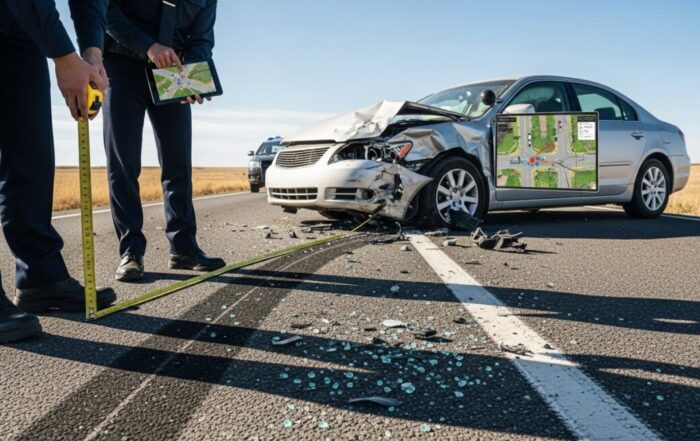
How Speed Is Proven After a Crash: Key Evidence
Learn how speeding is proven after an accident using EDR data, skid marks, and video. Call (833) 227-7919 for a free attorney referral.
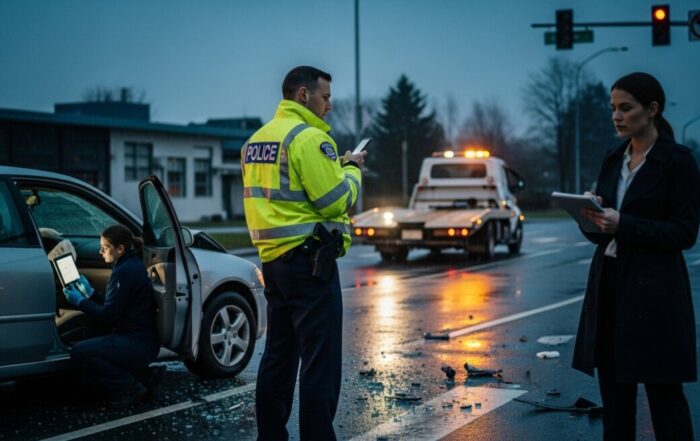
How Texting Evidence Is Used in Accident Cases
Discover how texting evidence is used in accident cases to prove fault and win claims. Call (833) 227-7919 for a free case review.

How Texting Evidence Is Used in Accident Cases
Learn how texting evidence is used in accident cases and how it can prove fault or challenge claims. Call (833) 227-7919 for a free attorney referral.