
Filing a Car Accident Lawsuit Without Injuries: Is It Possible?
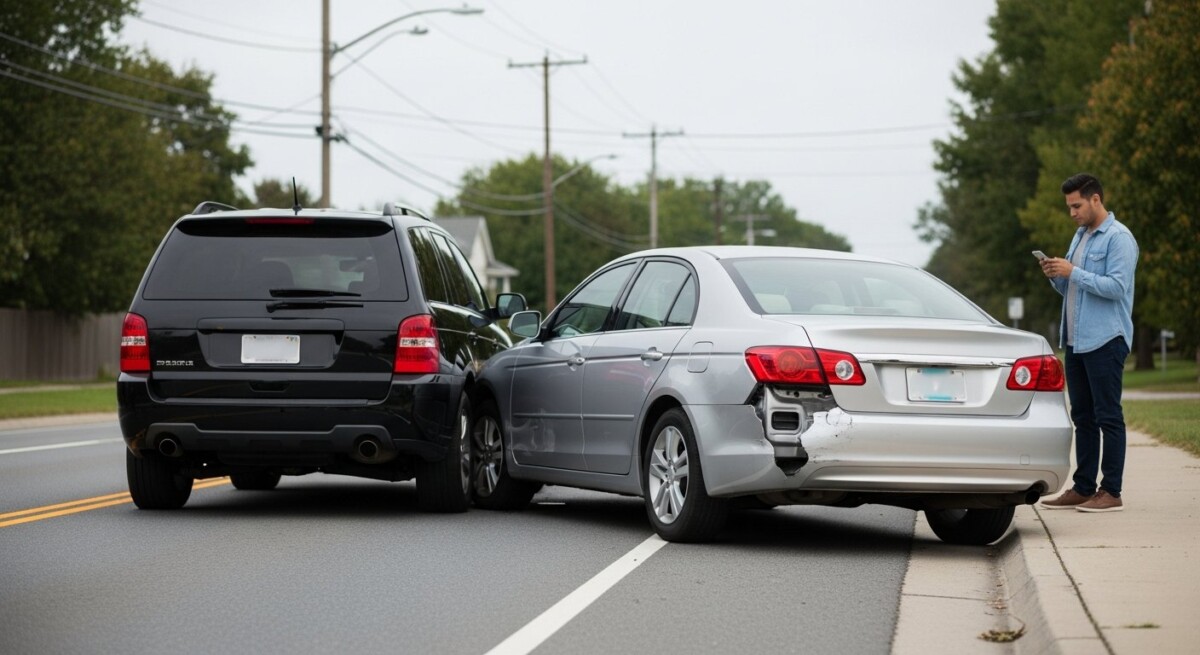
Imagine you are sitting at a red light. Another driver rear-ends your car. You step out, check for damage, and feel fine. No blood, no broken bones, no ambulance ride. In that moment, you might assume there is no legal case because you are not hurt. But that assumption could cost you thousands of dollars. The question many drivers face is: Can you file a lawsuit after a car accident if there are no injuries? The short answer is yes, but only under specific circumstances. This article explains when you can sue without physical harm, what you can recover, and the strategic reasons to take legal action even when you feel fine.
Many people believe that a personal injury lawsuit requires a trip to the emergency room or weeks of recovery. While injuries certainly strengthen a claim, they are not always required. Courts recognize that a car accident can cause financial loss and property damage even when no one is hurt. In our guide on car accident claim denied? your next steps explained, we discuss how insurers sometimes refuse to pay for property damage alone. Understanding your rights when there are no injuries can help you avoid surprise bills and pressure the at-fault driver’s insurance to pay what is fair.
When Can You File a Lawsuit Without Injuries?
The most common type of lawsuit after a no-injury accident is a property damage claim. If the other driver caused the crash, you can sue for the cost of repairing or replacing your vehicle. You can also sue for the diminished value of your car after it is repaired. For example, if your vehicle was worth $20,000 before the accident and only $15,000 after repairs, you may be able to recover that $5,000 loss. Additionally, you can claim rental car costs, towing fees, and storage charges that resulted from the crash.
Another scenario involves economic losses beyond vehicle damage. If the accident forced you to miss work because your car was undriveable, you might recover lost wages. If you had to pay for rideshare services or public transit, those expenses are also recoverable. In some states, you can even claim the cost of a rental car while your vehicle is in the shop. The key is to document every expense with receipts, invoices, and written estimates. Without proof, a judge or insurer may deny your claim.
Finally, if the accident was caused by extreme negligence such as drunk driving, reckless speeding, or running a red light, some states allow you to sue for punitive damages even without physical injury. Punitive damages are designed to punish the wrongdoer and deter future misconduct. However, these are rare and require clear evidence of intentional or grossly negligent behavior. For most no-injury accidents, your lawsuit will focus on property damage and out-of-pocket costs.
Legal Theories for No-Injury Lawsuits
When you sue without injuries, you typically rely on a legal theory called negligence per se or ordinary negligence. Negligence per se means the other driver broke a traffic law (like speeding or failing to yield) and that violation caused your damage. You do not need to prove the driver was careless beyond the violation itself. Ordinary negligence requires showing the driver failed to act with reasonable care. For example, a driver who texted and caused a rear-end collision can be sued for negligence even if you felt no pain.
In some states, you can also bring a claim for conversion or trespass to chattels if the other driver intentionally damaged your property. While rare in everyday car accidents, these theories apply if someone deliberately rammed your car or vandalized it. Most no-injury lawsuits fall under negligence, and the burden of proof is lower than for criminal charges. You only need to show it is more likely than not that the other driver caused the damage.
It is important to note that you cannot sue for pain and suffering without a physical injury. Pain and suffering damages require medical evidence of harm. If you later develop symptoms such as whiplash, back pain, or headaches, you should see a doctor immediately. Delayed injuries can turn a no-injury case into a personal injury lawsuit. Our article on changes in personal injury law for car accidents explains how recent legal reforms affect your ability to recover for delayed injuries.
What Can You Recover in a No-Injury Lawsuit?
If you proceed with a lawsuit without injuries, your recovery is limited to economic damages. These are tangible losses that can be calculated with receipts and invoices. The most common categories include:
- Vehicle repair or replacement costs based on mechanic estimates or the fair market value of your car before the accident.
- Rental car expenses while your vehicle is being repaired, up to a reasonable period.
- Towing and storage fees if your car was towed from the scene or impounded.
- Lost wages if you missed work due to the accident or car-related errands.
- Diminished value of your vehicle after repairs, which can be significant for newer cars.
Collecting these damages requires meticulous record-keeping. Take photos of the damage before repairs, save all estimates and invoices, and keep a log of any time off work. If you use a rental car, save the agreement and receipts. Insurance companies often lowball no-injury claims because they assume you will not hire a lawyer. Having a clear paper trail makes it harder for them to deny or reduce your recovery.
One common mistake is assuming your own insurance will cover everything. If you have collision coverage, your insurer may pay for repairs minus your deductible. But you still have the right to sue the at-fault driver for your deductible and any other out-of-pocket costs. In some states, you can also recover the difference between what your insurance paid and the actual cost of repairs. A lawsuit can help you recoup that gap.
Should You Sue or File an Insurance Claim?
Before filing a lawsuit, you should first try to resolve the matter through an insurance claim. Most no-injury accidents are settled without court involvement. The process typically starts with filing a claim with the at-fault driver’s insurance company. Provide them with photos, repair estimates, and a timeline of events. If they offer a fair settlement, you can accept it and move on. If they deny the claim or offer an unreasonably low amount, a lawsuit becomes your next option.
There are several reasons to consider a lawsuit even after a denied claim. First, a lawsuit pressures the insurance company to take you seriously. They know that litigation can result in a court judgment plus interest and court costs. Second, a lawsuit allows you to recover your deductible from the at-fault driver directly. Third, if the at-fault driver is uninsured or underinsured, a lawsuit may be the only way to recover anything. However, you should weigh the cost of legal fees against the potential recovery. For small claims under $5,000, small claims court may be a cheaper alternative to hiring an attorney.
If you decide to sue, you must act within the statute of limitations. Every state has a deadline for filing property damage lawsuits, typically two to four years from the accident date. Missing this deadline bars you from recovering anything. In our guide on filing a claim after a car accident: what you need to know, we break down the specific deadlines for every state. Do not wait until the last minute to file.
How a Lawyer Helps With No-Injury Cases
Many drivers assume they do not need a lawyer if there are no injuries. That is a mistake. An experienced car accident attorney can identify hidden damages you may not know about, such as diminished value or loss of use. They can also negotiate with insurance adjusters who specialize in lowballing property damage claims. Even in a no-injury case, a lawyer’s involvement often leads to a higher settlement.
Most personal injury lawyers work on a contingency fee basis, meaning they only get paid if you win. This arrangement is common for property damage claims as well. Some lawyers even offer free consultations for no-injury cases. If your claim involves complex issues like disputed liability or uninsured drivers, a lawyer can handle the paperwork and court filings. They can also advise you on whether your case is worth pursuing in court.
For those considering a lawsuit without injuries, the key is to act quickly and document everything. Even a minor fender bender can lead to hundreds or thousands of dollars in losses. A lawyer can help you calculate the full extent of your economic damages and take legal action if the insurance company refuses to pay. As discussed in how no win no fee car accident lawyers protect your rights, these arrangements make legal representation accessible even for smaller claims.
Frequently Asked Questions
Can I sue for emotional distress if I have no physical injuries?
In most states, you cannot recover for emotional distress (such as anxiety or fear) without a physical injury. Some states allow negligent infliction of emotional distress claims for serious emotional harm, but these are difficult to prove and usually require evidence of a physical manifestation like insomnia or depression. For most no-injury accidents, emotional distress damages are not available.
What if I later develop pain or symptoms?
If you develop symptoms such as neck pain, headaches, or back pain days or weeks after the accident, you should see a doctor immediately. Delayed injuries can turn a no-injury claim into a personal injury case. However, you must be able to prove the accident caused the injury. A medical evaluation and documentation are essential. If you already settled a property damage claim, you may waive your right to sue for personal injury later. Always consult a lawyer before signing any settlement.
Do I need a lawyer for a small property damage claim?
For claims under $5,000, you can often handle them yourself through small claims court. However, a lawyer can help you evaluate whether your claim is worth more than you think. Diminished value on a newer car can add thousands to your recovery. A free consultation is a low-risk way to find out if you need legal help.
How long do I have to file a lawsuit?
The statute of limitations for property damage claims varies by state. It ranges from two years (California, Louisiana) to six years (Maine, Rhode Island). Check your state’s deadline or ask a lawyer. Missing the deadline means you lose your right to sue forever.
What if the other driver has no insurance?
If the at-fault driver is uninsured, you may need to rely on your own uninsured motorist property damage coverage if you have it. Some states require this coverage, while others do not. If you do not have it, you can still sue the driver personally, but collecting money from an uninsured driver can be difficult. A lawyer can help you explore your options.
No-injury car accidents happen every day, and many drivers walk away without pursuing their legal rights. While you cannot sue for pain and suffering without physical harm, you can still recover for property damage, lost wages, and other out-of-pocket expenses. The answer to the question can you file a lawsuit after a car accident if there are no injuries? is yes, provided you have provable economic losses. Document everything, know your state’s deadlines, and consider consulting a lawyer to ensure you receive the full compensation you deserve. Your car is a valuable asset, and you should not have to pay for someone else’s mistake.

About Rafael Tolland
Recent Posts
How Comparative Negligence Laws Differ by State
Understand how comparative negligence laws differ by state and protect your settlement. Call (833) 227-7919 for a free case review.
Why State Laws Differ in Accident Cases and What That Means for You
Understand how state laws differ in accident cases and protect your claim. Call (833) 227-7919 for a free attorney referral.
How Jurisdiction Affects Accident Claim Outcomes
Understand how jurisdiction affects accident claim outcomes and maximize your recovery. Call (833) 227-7919 for a free attorney referral.