
Florida Auto Insurance Claims: New Changes Explained
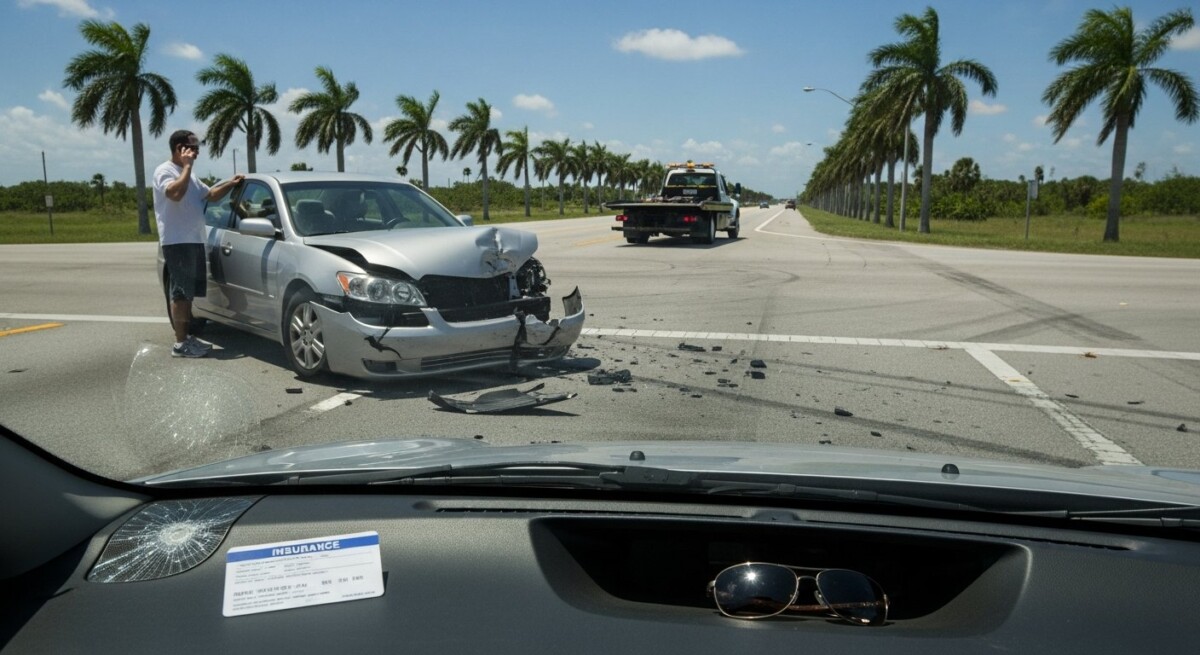
Florida drivers face a transformed landscape for auto insurance claims in 2025. Recent legislative reforms have rewritten the rules for how claims are filed, how insurers evaluate damage, and how quickly policyholders receive payment. Understanding these updates is essential for anyone who drives in the state, whether you are filing a claim for the first time or dealing with a dispute after an accident. This article breaks down the most critical changes and what they mean for you.
Why Florida Overhauled Its Auto Insurance System
For decades, Florida operated under a no-fault insurance system that required drivers to carry Personal Injury Protection (PIP) coverage. The system was designed to reduce litigation and speed up payments, but it instead led to widespread fraud, rising premiums, and delayed compensation for serious injuries. State lawmakers determined that the old model was failing consumers. In response, they passed legislation that fundamentally alters how auto insurance claims are handled.
The new changes to auto insurance claims in Florida eliminate the longstanding requirement for PIP coverage in many cases and shift the state toward a compulsory bodily injury liability model. This change means that after an accident, the at-fault driver’s insurance is now primarily responsible for covering medical expenses and lost wages. The goal is to reduce fraudulent claims and lower premiums over time, though the transition period may create confusion for policyholders.
Insurance companies have also updated their claims handling procedures to comply with the new law. Adjusters now must follow stricter timelines for acknowledging claims, completing investigations, and issuing payments. Failure to meet these deadlines can result in penalties against the insurer. For consumers, this means faster responses and fewer unnecessary delays.
Key Changes in the Claims Process
The most significant shift involves how medical bills are paid after a crash. Under the old PIP system, your own insurance covered up to $10,000 in medical expenses regardless of fault. Now, medical claims go directly to the at-fault driver’s liability policy. This change places a greater emphasis on determining fault quickly and accurately.
Policyholders should also be aware of new requirements for accident reporting and claim documentation. Florida now mandates that all accidents involving injury or property damage exceeding $5,000 be reported to law enforcement within 10 days. Failure to report can delay or even jeopardize your claim. Additionally, insurers must provide a clear written explanation for any claim denial or partial payment, giving you the information needed to challenge the decision.
Another critical update involves the statute of limitations for filing a claim. While the general deadline remains four years for property damage and two years for personal injury, the clock now starts from the date the accident is reported rather than the date of the accident in certain situations. This nuance can trip up claimants who assume they have more time than they actually do.
What This Means for Your Premiums
Insurers have already begun adjusting rates in response to the new legal framework. Early data suggests that premiums for drivers with clean records may decrease modestly, while high-risk drivers could see increases. The elimination of PIP fraud savings is expected to offset some of the costs associated with higher bodily injury liability limits. However, experts caution that rate changes will vary by insurer and region within Florida.
If you are shopping for a new policy, ask agents specifically how the new changes to auto insurance claims in Florida affect their pricing and coverage options. Some companies are offering bundled discounts for policyholders who also carry comprehensive and collision coverage. Comparing quotes from multiple insurers is more important now than ever.
Steps to Take After an Accident Under the New Rules
Your actions immediately after a crash can significantly impact the outcome of your claim. Follow these steps to protect your rights and ensure a smooth process:
- Call 911 and request both police and medical assistance if anyone is injured. Do not move vehicles unless directed by law enforcement.
- Exchange insurance and contact information with all involved drivers. Take photos of the scene, vehicle damage, and any visible injuries.
- Report the accident to your insurer as soon as possible, even if you believe you are not at fault. Failure to report can void certain coverages.
- Seek medical evaluation within 14 days if you sustained any injury. Delaying treatment can give insurers grounds to deny your claim.
- Keep detailed records of all medical visits, repair estimates, and correspondence with insurance adjusters.
Once you have reported the accident, the insurance companies will begin their investigation. Under the new law, the at-fault driver’s insurer must respond to your claim within 15 business days. If they request additional information, you have 30 days to provide it. After that, the insurer has 30 days to approve or deny the claim. These deadlines are strict, and missing them can harm your case.
For a deeper look at how legal representation can help you navigate these steps, read our guide on Navigating Tampa Car Accident Claims: A Lawyer’s Essential Guide. This resource covers local court procedures and strategies for dealing with aggressive adjusters.
How the New Law Affects Uninsured Motorist Coverage
Uninsured and underinsured motorist (UM/UIM) coverage has also been impacted by the reforms. Previously, UM/UIM coverage was optional but automatically included unless you signed a waiver. The new law requires insurers to offer UM/UIM coverage in writing and obtain a signed rejection from the policyholder. If you did not sign a waiver, your policy likely includes UM/UIM coverage by default.
This change is particularly important because Florida has one of the highest rates of uninsured drivers in the nation. If you are hit by a driver without insurance, your UM coverage will step in to pay for medical expenses and lost wages. Review your policy declarations page to confirm your UM/UIM limits. If you are unsure, contact your agent or refer to the information provided during your policy renewal.
In cases where an insurer acts in bad faith by unreasonably delaying or denying a valid UM claim, you may have legal recourse. Our article on What Auto Accident Litigation Lawyers Do for Your Injury Claim explains how attorneys can hold insurers accountable and maximize your recovery.
Common Pitfalls and How to Avoid Them
Even with the new protections, claimants still make mistakes that cost them money. One common error is accepting the first settlement offer from an insurance company without consulting a professional. Initial offers are often low and do not account for future medical expenses or pain and suffering. Always get a second opinion before signing a release.
Another frequent issue is failing to notify your own insurer about the accident. Some policyholders assume that because they were not at fault, they do not need to report the crash. However, your policy almost certainly requires prompt notice of any accident involving your vehicle. Failure to report can result in a denial of coverage for uninsured motorist claims or even policy cancellation.
Finally, do not neglect the importance of legal representation. The new changes to auto insurance claims in Florida have created a more complex legal environment. Insurers are still learning to implement the new rules, and mistakes by adjusters are common. An experienced attorney can identify errors, negotiate effectively, and take your case to court if necessary. To learn how to find the right lawyer for your situation, see our guide on How to Find the Best Auto Injury Attorneys for Your Claim.
Frequently Asked Questions About Florida’s Auto Insurance Changes
Do I still need Personal Injury Protection (PIP) coverage?
No. The new law eliminates the PIP requirement for most drivers. However, your insurer may still offer PIP as optional coverage if you want an extra layer of protection. Check with your agent to see if PIP benefits make sense for your situation, especially if you do not have health insurance.
Will my premium go up or down?
It depends on your driving record, location, and insurer. Early reports indicate that many drivers with clean records are seeing slight decreases, while high-risk drivers face increases. Shop around and compare rates to find the best deal under the new system.
What happens if the at-fault driver has no insurance?
Your uninsured motorist coverage will pay for your medical bills and lost wages up to your policy limits. If you do not have UM coverage, you may need to file a claim against the at-fault driver personally or pursue other legal options.
How long do I have to file a claim?
Generally, you have two years from the date of the accident to file a personal injury claim and four years for property damage. However, the new law ties the deadline to the date the accident is reported in some cases, so report your accident promptly to preserve your rights.
Can I still sue the at-fault driver for pain and suffering?
Yes, but only if you can prove that you sustained a permanent injury or significant scarring. Florida law requires a threshold of serious injury before you can seek non-economic damages. An attorney can help you determine whether your injuries meet this standard.
Final Thoughts on the New Florida Auto Insurance Landscape
The new changes to auto insurance claims in Florida represent a major shift in how accidents are handled and how victims are compensated. While the reforms aim to reduce fraud and lower costs, the transition period will likely bring challenges for policyholders. Staying informed about your rights and responsibilities is the best way to protect yourself financially and legally.
If you have been involved in an accident, do not wait to take action. Report the incident, document everything, and seek professional guidance when needed. For help identifying a qualified attorney who understands the new rules, review our resource on How to Identify the Best Auto Accident Lawyers for Your Claim. Taking these steps now can save you time, money, and frustration later.

About Calista Moreno
Recent Posts
How Comparative Negligence Laws Differ by State
Understand how comparative negligence laws differ by state and protect your settlement. Call (833) 227-7919 for a free case review.

Why State Laws Differ in Accident Cases and What That Means for You
Understand how state laws differ in accident cases and protect your claim. Call (833) 227-7919 for a free attorney referral.

How Jurisdiction Affects Accident Claim Outcomes
Understand how jurisdiction affects accident claim outcomes and maximize your recovery. Call (833) 227-7919 for a free attorney referral.