
How Chain Reaction Accidents Are Analyzed for Fault
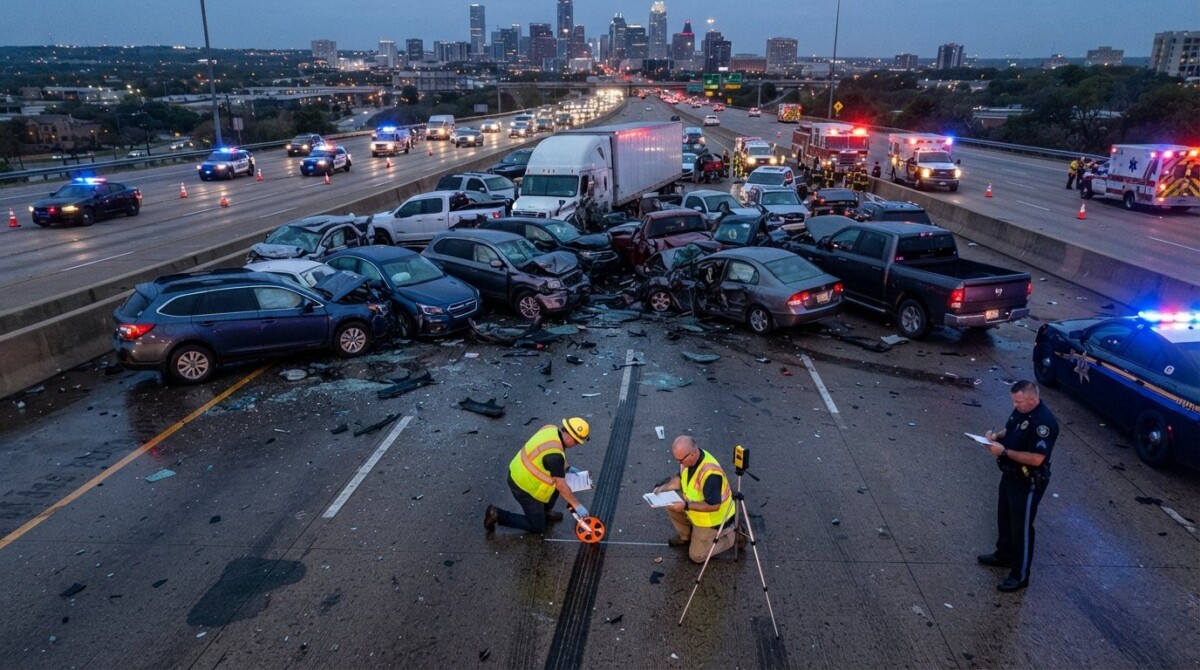
Chain reaction accidents, often called multi-vehicle pileups, are among the most complex events on American roadways. When a single rear-end collision triggers a cascade of impacts involving three, ten, or even fifty vehicles, determining who is legally at fault becomes a maze of physics, human behavior, and insurance policy nuances. For anyone injured in such a crash, understanding how investigators and attorneys piece together the sequence of events is not just academic; it directly impacts the ability to recover compensation for medical bills, lost wages, and vehicle damage. This article breaks down the analytical process, the evidence that matters most, and the legal strategies that emerge from these chaotic scenes.
Unlike a simple two-car fender bender, a chain reaction accident rarely has a single, obvious cause. Each collision within the pileup may have its own trigger and its own responsible party. For example, the initial crash might be caused by a distracted driver, but a subsequent rear-end impact might occur because another driver was following too closely. The law treats each impact separately, and liability can be shared among multiple drivers. The analysis therefore requires a meticulous reconstruction of the timeline, speeds, and driver actions at every stage of the incident.
Core Factors in Chain Reaction Accident Analysis
When investigators begin examining a multi-vehicle crash, they focus on a set of core physical and behavioral factors. These elements form the foundation of any liability determination and are the same factors that attorneys, insurance adjusters, and expert witnesses use to build their cases.
The first and most critical factor is the principle of following distance. In most rear-end collision cases, the trailing driver is presumed to be at fault because they have a duty to maintain a safe gap. In a chain reaction, this presumption applies to each driver who hits the vehicle in front of them. However, there are exceptions. If a driver is stopped unexpectedly due to a prior collision, the driver behind may still be liable if they had time to react. The analysis hinges on reaction time, which is typically estimated at 1.5 seconds for an alert driver. Investigators calculate whether the trailing driver could have stopped given the speed and distance available.
Another key factor is speed. Excessive speed reduces the time a driver has to perceive a hazard and stop. In chain reaction accidents, speed is often the reason a minor fender bender escalates into a deadly pileup. For instance, if a vehicle is traveling at 70 mph and traffic ahead suddenly stops, the stopping distance is far greater than at 40 mph. Investigators use skid marks, event data recorders (EDRs), and traffic camera footage to estimate the speed of each vehicle at the moment of impact. These calculations are not always straightforward, as vehicles may have braked, swerved, or been pushed forward by subsequent impacts.
Environmental conditions also play a significant role. Rain, snow, ice, fog, and glare reduce visibility and tire traction, making it harder for drivers to stop in time. In some states, adverse weather does not excuse a driver from liability, but it may be considered a contributing factor. For example, if a driver was traveling too fast for the road conditions, they may be found negligent even if they were within the posted speed limit. Conversely, if a sudden and unforeseeable weather event caused a loss of control, the driver might have a stronger defense. The analysis weighs these factors against the standard of what a reasonable driver would have done in the same situation.
Driver behavior is the final core factor. Distraction, impairment, fatigue, and aggressive driving are common contributors to chain reaction accidents. Texting, eating, or adjusting the radio can delay a driver’s reaction by several seconds, which is often enough to cause a crash. Investigators look for evidence of these behaviors in phone records, witness statements, and the driver’s own admission. In some cases, law enforcement may issue citations for reckless driving or driving under the influence, which can significantly strengthen a plaintiff’s case in a civil lawsuit.
The Role of Physical Evidence and Data
Physical evidence is the backbone of any chain reaction accident analysis. The most valuable sources of data are the vehicles themselves, particularly their event data recorders (EDRs). Modern cars are equipped with black boxes that record speed, brake application, steering angle, and seatbelt usage in the seconds before a crash. Retrieving this data requires specialized equipment and legal authorization, but it provides an objective record that is far more reliable than eyewitness testimony.
Skid marks and tire tracks are another crucial piece of evidence. The length and pattern of skid marks can indicate the speed of a vehicle and whether the driver braked or swerved. In a chain reaction, the final resting positions of vehicles are also telling. Investigators can use the damage patterns and the positions of debris to determine the angle and force of each impact. For example, if a vehicle is pushed into the car ahead of it, the damage to the rear of the lead vehicle may be caused by the second impact, not the first. This distinction is critical for assigning fault to the correct driver.
Traffic cameras, dashcam footage, and surveillance videos from nearby businesses are increasingly common and often provide the clearest picture of the event. A single video can show the entire sequence, from the initial loss of control to the final impact. In cases where video is not available, investigators rely on photographs taken by police and witnesses, as well as GPS data from commercial vehicles. This physical evidence is used to create a timeline, which is then compared with the statements of drivers and witnesses.
Here is a list of the primary evidence sources used in chain reaction analysis:
- Event data recorder (EDR) downloads from passenger vehicles and commercial trucks
- Skid marks, yaw marks, and debris patterns at the scene
- Dashcam, traffic camera, and surveillance footage
- GPS data from fleet vehicles and ride-share drivers
- Photographs of vehicle damage and final resting positions
- Witness statements and police reports
Each piece of evidence contributes to a reconstruction that is as close to the actual event as possible. However, evidence can be lost or destroyed if vehicles are moved or repaired before analysis. Therefore, it is essential for victims to preserve evidence by taking photos, keeping repair estimates, and notifying their insurance company immediately after the accident.
Legal Liability and the Multi-Vehicle Puzzle
Once the evidence is gathered, the legal analysis begins. In a chain reaction accident, liability is not always a single driver’s fault. It can be shared among multiple parties, and the percentage of fault assigned to each driver directly affects the compensation they must pay. This is where the legal principle of comparative negligence comes into play. Under this rule, which is used in most states, each driver’s compensation is reduced by their own percentage of fault. For example, if a driver is found to be 30% at fault for following too closely, they can only recover 70% of their damages from another driver who caused the initial collision.
In some states, a stricter rule called contributory negligence applies. This rule bars any recovery if the victim is even 1% at fault. This makes the analysis even more critical, as a minor mistake can mean no compensation at all. In contrast, comparative negligence states allow for a more nuanced approach. For instance, in a case where a driver was stopped in a travel lane due to a prior minor crash and was then hit from behind, the stopped driver might be found partially at fault for not moving to the shoulder, but the trailing driver would still bear the majority of the blame.
The chain reaction analysis also involves the concept of a “reasonable interval.” This is the time and space that should exist between vehicles to allow for a safe stop. If a driver maintains a reasonable interval and still collides with the vehicle ahead because that vehicle was pushed into them by a third car, the driver may not be liable. Instead, the driver who caused the initial push may be responsible for both the first and second impacts. This is often referred to as the “cascade effect,” where the initial force travels through the line of vehicles like a wave.
Insurers and attorneys use these principles to allocate liability. The process is not always collaborative. Defendants may try to shift blame to others to minimize their own financial exposure. This is why having an experienced attorney is crucial. A lawyer can hire accident reconstruction experts, negotiate with insurers, and, if necessary, take the case to trial. The attorney’s goal is to build a narrative that clearly explains the sequence of events and demonstrates which driver violated their duty of care.
How Attorneys Build a Chain Reaction Case
Building a strong case after a chain reaction accident requires a systematic approach. Attorneys begin by collecting all available evidence, often within days of the crash. This includes obtaining the police report, requesting EDR data, and securing traffic camera footage before it is overwritten. They also interview witnesses and consult with accident reconstruction experts who can analyze the physics of the collision. The goal is to create a comprehensive timeline that answers three questions: What happened first? Who had the opportunity to avoid the crash? And what did each driver do that contributed to the overall harm?
Once the evidence is organized, the attorney will send demand letters to the at-fault drivers’ insurance companies. These letters outline the damages, including medical expenses, lost income, and pain and suffering, and request a settlement. In a multi-vehicle accident, there may be multiple insurance policies available, which can increase the total recovery. For example, if one driver has a $100,000 policy and another has a $250,000 policy, the victim may be able to claim against both policies for their respective percentages of fault.
However, insurance companies are often reluctant to pay out large sums, especially when liability is unclear. They may argue that the victim contributed to the accident or that the injuries were pre-existing. This is where the strength of the evidence becomes critical. A well-documented analysis that includes EDR data and expert testimony is much harder to dispute than a simple he-said-she-said account. In many cases, the mere threat of a lawsuit is enough to prompt a fair settlement. If not, the case may proceed to litigation, where a judge or jury will determine fault and damages.
Victims should also be aware of the statute of limitations for filing a lawsuit in their state. This deadline varies, typically ranging from one to six years. Missing the deadline means losing the right to recover compensation. Therefore, it is advisable to consult with a lawyer as soon as possible after the accident, not only to build the case but also to ensure all deadlines are met.
Frequently Asked Questions
Who is usually at fault in a chain reaction accident?
In most cases, the driver who initiates the first collision is considered the primary at-fault party, but this is not always the case. If a subsequent driver fails to stop in time and hits the vehicle ahead, they may be separately liable for that impact. The analysis looks at each collision independently, and fault can be shared among multiple drivers based on their actions.
What if I was rear-ended and pushed into the car ahead of me?
If you were pushed into the car ahead of you by a driver behind you, you are generally not liable for the damage to the front of your vehicle or the vehicle ahead. The driver who hit you from behind is responsible for the entire chain of events, as they failed to maintain a safe distance. However, you may still need to prove that you were not following too closely yourself.
How long do I have to file a claim after a chain reaction accident?
The statute of limitations varies by state, but it is typically between one and six years for personal injury claims. In some states, there are shorter deadlines for property damage claims or claims against government entities. It is best to consult with an attorney immediately after the accident to ensure you do not miss any critical deadlines.
Can I recover compensation if I am partially at fault?
Yes, in states that use comparative negligence, you can recover compensation even if you are partially at fault, but your award will be reduced by your percentage of fault. In states with contributory negligence, you may be barred from recovery if you are even 1% at fault. An attorney can help you understand the rules in your state and argue for the lowest possible percentage of fault.
Chain reaction accidents are overwhelming, both physically and legally. The process of analyzing fault is complex, but it is essential for securing the compensation you deserve. If you or a loved one has been involved in a multi-vehicle crash, you do not have to navigate this alone. An experienced attorney can gather the necessary evidence, consult with experts, and advocate on your behalf. Take the first step toward protecting your rights by seeking legal guidance today.

About Soraya Whitcombe
Recent Posts
How Jurisdiction Affects Accident Claim Outcomes
Understand how jurisdiction affects accident claim outcomes and maximize your recovery. Call (833) 227-7919 for a free attorney referral.

Why Legal Deadlines Can Make or Break Your Accident Case
Missing a filing deadline can end your accident case instantly. Get legal help today at (833) 227-7919.

How Statute of Limitations Affects Injury Claims: Key Deadlines
Learn how statute of limitations affects injury claims and why deadlines matter. Call (833) 227-7919 for a free case review to protect your rights.