
How Delivery Driver Accidents Are Evaluated Legally
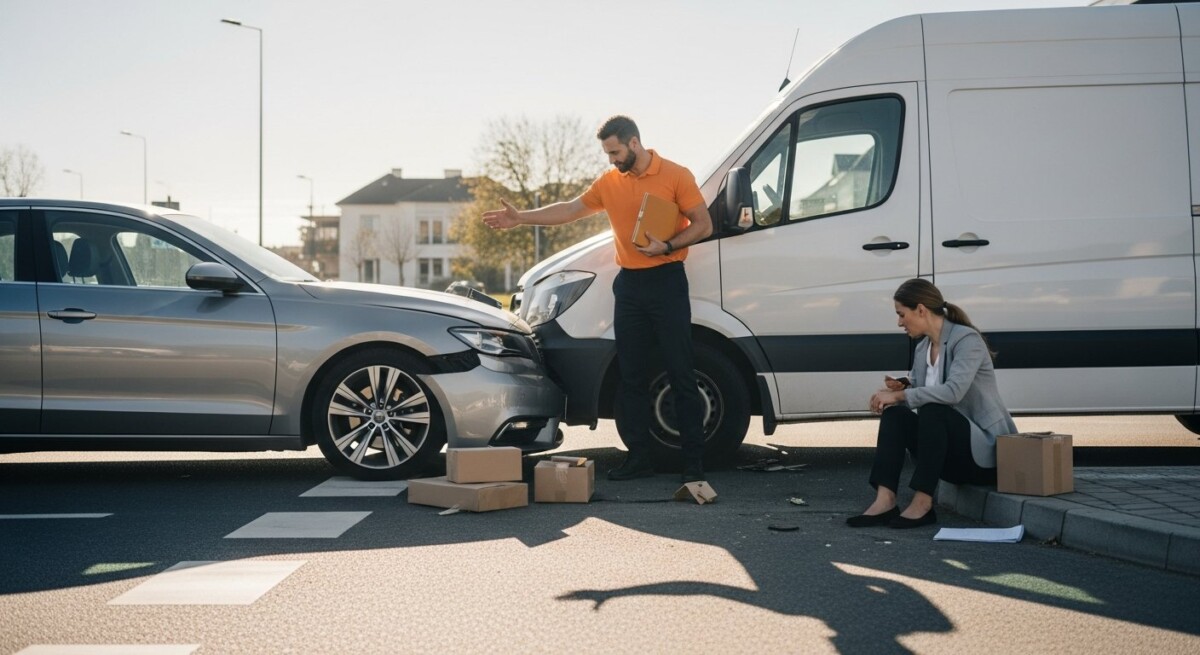
When a delivery driver’s vehicle collides with yours, the legal process can feel overwhelming. You may be dealing with injuries, vehicle damage, and mounting medical bills, all while wondering who will pay. The answer depends on a complex set of rules that govern how delivery driver accidents are evaluated legally. Unlike a typical car accident between two private individuals, delivery crashes often involve multiple parties: the driver, the delivery company, and their respective insurance carriers. Understanding this evaluation process is your first step toward securing fair compensation, and a knowledgeable attorney can guide you through every twist and turn.
This guide breaks down the key factors that determine liability in delivery driver accidents. We will explore the legal doctrines that apply, the types of evidence that matter most, and the practical steps you should take after a crash. By the end, you will know what to expect and how to protect your rights, whether you are dealing with a gig economy driver or a corporate delivery fleet.
Who Is Liable in a Delivery Driver Accident?
The central question in any delivery accident case is liability: whose legal responsibility is it to compensate you for your losses? In many cases, the answer is not straightforward. Delivery drivers can be employees of a large company like Amazon or UPS, or they can be independent contractors for apps like DoorDash, Uber Eats, or Instacart. The distinction between employee and independent contractor has a huge impact on how the case proceeds.
If the driver is a traditional employee, the employer is usually liable under the legal doctrine of respondeat superior. This Latin term means “let the master answer,” and it holds employers responsible for the negligent acts of their employees when those acts occur within the scope of employment. For example, if a UPS driver runs a red light while making a scheduled delivery, UPS can be held liable for your injuries. The driver’s negligence is imputed to the company because they were acting in the course of their job.
However, with the rise of the gig economy, many delivery drivers are classified as independent contractors. This classification can shield the company from liability, because respondeat superior typically does not apply to independent contractors. In such cases, you may need to pursue a claim directly against the driver, who may have limited insurance coverage. Some companies, like Uber and DoorDash, provide liability coverage for their drivers, but the limits and conditions vary widely. An experienced attorney can investigate the driver’s employment status and the company’s insurance policies to determine the best path forward.
Another layer of complexity arises when the delivery driver is using their personal vehicle. In a personal injury lawsuit, the driver’s personal auto insurance may be the primary source of compensation, but commercial policies often have higher limits and broader coverage. The legal evaluation must consider all available insurance policies, including the driver’s personal policy, the company’s commercial policy, and any umbrella or excess coverage.
Key Factors That Determine Liability
Liability is not automatic. To hold a delivery driver or their employer accountable, you must prove four elements: duty, breach, causation, and damages. Duty means the driver had a legal obligation to drive safely. Breach means they violated that duty through negligence, such as speeding, distracted driving, or failing to yield. Causation requires a direct link between the breach and your injuries. Damages are the actual losses you suffered, such as medical expenses, lost wages, and pain and suffering.
In addition to these basic elements, courts consider the specific circumstances of the delivery. Was the driver on a scheduled route? Were they delivering a package at the time of the crash? Were they deviating from their assigned route for personal errands? If the driver was on a “frolic” (a personal detour), the employer may not be liable. If they were on a “detour” (a minor deviation that still serves the employer’s interests), liability may still apply. These nuances require a thorough factual investigation.
The evaluation also involves state-specific laws. Some states have passed legislation that presumes delivery app drivers are independent contractors, while others apply a stricter test. An attorney familiar with your state’s laws can assess whether the company should be treated as the driver’s employer for liability purposes.
Evidence That Shapes the Legal Evaluation
Evidence is the foundation of any legal claim. In delivery driver accidents, certain types of evidence are particularly valuable because they can establish negligence and identify the responsible party. The sooner you gather evidence, the stronger your case will be.
The most critical evidence includes the police report, which contains the officer’s observations, statements from witnesses, and a preliminary determination of fault. However, police reports are not always admissible in court, and they may contain errors. Your attorney will review the report and may challenge any inaccuracies.
Photographs and video footage are also essential. Take photos of the accident scene, vehicle damage, road conditions, and any visible injuries. If there are nearby businesses or traffic cameras, your attorney can request footage that may have captured the crash. Many delivery vehicles are equipped with dashcams or telematics systems that record speed, braking, and GPS data. This information can be invaluable in proving the driver’s actions.
Finally, document your own experience. Keep a journal of your injuries, medical treatments, and how the accident has affected your daily life. This personal account can demonstrate the extent of your pain and suffering, which is a key component of non-economic damages.
Steps to Strengthen Your Case
After a delivery driver accident, taking the right steps can make a significant difference in the legal evaluation of your claim. Here is a practical checklist to follow:
- Call the police and request a formal accident report.
- Exchange information with the driver, including name, contact details, license plate, and insurance information.
- Take photographs of everything, including the vehicles, the surrounding area, and your injuries.
- Get contact information from any witnesses.
- Seek medical attention immediately, even if you feel fine, as some injuries appear later.
- Do not admit fault or sign any documents from the other party’s insurance company without legal advice.
These steps create a record that your attorney can use to build a compelling case. Remember that insurance companies are not on your side; their goal is to minimize payouts. By preserving evidence and consulting a lawyer early, you level the playing field.
The Role of Insurance in Delivery Accidents
Insurance is the practical vehicle for compensation in most personal injury cases. The legal evaluation of a delivery driver accident must consider the various insurance policies that may provide coverage. The driver’s personal auto insurance is often the first line of defense, but it may have limits that are too low to cover your damages fully. In that case, the delivery company’s commercial policy may come into play.
For gig economy drivers, the coverage situation is particularly complex. Companies like Uber and DoorDash provide liability coverage that activates at different stages of the delivery process. For example, coverage may be lower while the driver is waiting for an order and higher once they are actively delivering. Understanding these nuances requires a careful review of the company’s insurance agreements.
Your own insurance policy may also provide coverage under uninsured or underinsured motorist provisions. This can be a lifeline if the at-fault driver has no insurance or inadequate limits. An attorney can help you navigate these policies and ensure that you pursue all available sources of compensation.
In some cases, the legal evaluation may reveal that the driver was not properly insured, or that the delivery company’s policy excludes coverage for certain types of vehicles. This can lead to a claim against the company’s excess or umbrella policy, or even a direct lawsuit against the company for negligent hiring or supervision. For example, if the company failed to verify the driver’s driving record or vehicle maintenance, they may be held independently liable.
Comparative Negligence and Its Impact
Most states follow the doctrine of comparative negligence, which means that your compensation can be reduced if you are found partially at fault for the accident. For example, if you were speeding or distracted at the time of the crash, the court may assign you 20% of the fault, and your damages would be reduced by that percentage. In a few states, any fault on your part can bar recovery entirely, so the legal evaluation must be precise.
Delivery driver accidents often involve complex factual scenarios that make fault allocation challenging. Was the driver making an illegal turn? Were you driving through a green light? Did the driver run a stop sign? Each detail matters. An attorney can use evidence, accident reconstruction experts, and witness testimony to argue for the highest possible percentage of fault on the driver’s part.
Understanding how comparative negligence works in your state is crucial. In pure comparative negligence states, you can recover even if you are 99% at fault, though the amount is reduced. In modified comparative negligence states, you cannot recover if you are 50% or more at fault. A lawyer can explain the specific rules that apply to your case.
How to Get Legal Help After a Delivery Accident
Navigating the aftermath of a delivery driver accident can be daunting, but you do not have to do it alone. The legal evaluation process involves complex statutes, insurance policies, and evidence rules. A skilled personal injury attorney can handle the investigation, negotiate with insurance companies, and fight for the compensation you deserve.
At LawyerOffer, we connect you with experienced attorneys who specialize in delivery driver accidents. Our referral service is free, and it can help you find a lawyer who has a proven track record of success. Whether you are dealing with a gig economy driver or a corporate delivery fleet, we can match you with an attorney who understands the nuances of your case. For a free case evaluation, call us at (833) 227-7919.
Remember that time limits apply. Most states have a statute of limitations for personal injury claims, typically two to three years from the date of the accident. If you miss this deadline, you may lose your right to recover. Do not delay in seeking legal advice.
Frequently Asked Questions
What if the delivery driver is an independent contractor?
If the driver is an independent contractor, the delivery company may not be automatically liable. However, you can still pursue a claim against the driver and their insurance. Some companies voluntarily provide coverage, and you may also have a claim against the company for negligent hiring or if the driver was acting within the apparent scope of their work.
Can I sue the delivery company directly?
Yes, in many cases you can sue the delivery company, especially if the driver was an employee acting within the scope of their job. Even for independent contractors, the company may be liable if they exercised significant control over the driver or if they were negligent in hiring or training.
What damages can I recover in a delivery driver accident?
You can recover economic damages like medical bills, lost wages, and property damage, as well as non-economic damages like pain and suffering, loss of enjoyment of life, and emotional distress. In cases of extreme negligence, punitive damages may also be available.
How long do I have to file a claim?
The statute of limitations varies by state, but it is typically two to three years. It is important to act quickly, as evidence can disappear and witnesses may become unavailable. Consult with an attorney as soon as possible after the accident.
Do I need a lawyer for a delivery driver accident?
While you can handle a simple claim on your own, delivery driver accidents are often complicated by employment status and multiple insurance policies. A lawyer can maximize your recovery and protect you from insurance company tactics. At LawyerOffer, we can connect you with an attorney who will fight for your rights.
Understanding how delivery driver accidents are evaluated legally is the first step toward obtaining the compensation you need to recover. The process involves a detailed analysis of liability, evidence, and insurance coverage. With the right legal representation, you can navigate this process with confidence and achieve a fair outcome. If you have been injured in a delivery driver accident, do not wait. Contact LawyerOffer today at (833) 227-7919 to schedule a free consultation and learn more about your legal options. Our team is ready to help you get the justice you deserve.

About Soraya Whitcombe
Recent Posts
How Jurisdiction Affects Accident Claim Outcomes
Understand how jurisdiction affects accident claim outcomes and maximize your recovery. Call (833) 227-7919 for a free attorney referral.

Why Legal Deadlines Can Make or Break Your Accident Case
Missing a filing deadline can end your accident case instantly. Get legal help today at (833) 227-7919.

How Statute of Limitations Affects Injury Claims: Key Deadlines
Learn how statute of limitations affects injury claims and why deadlines matter. Call (833) 227-7919 for a free case review to protect your rights.