
How Injury Severity Impacts Settlement Range
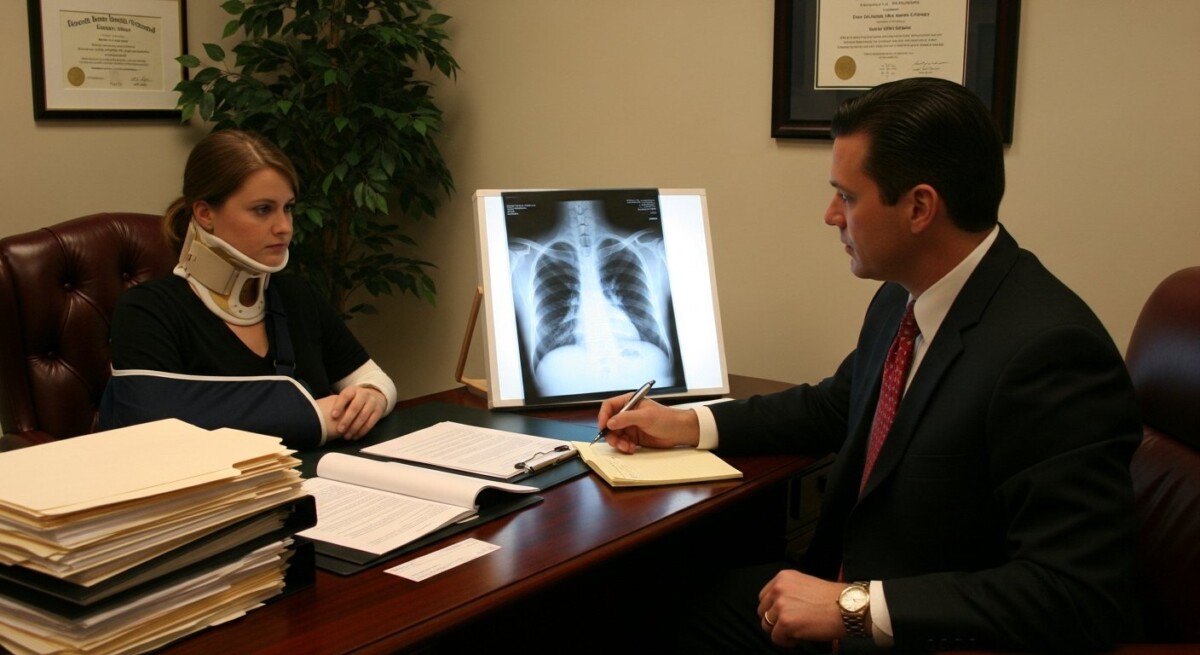
In the world of personal injury claims, no single factor carries more weight than the severity of the injury. Insurance adjusters, juries, and attorneys all look first to the nature and extent of your physical harm when deciding how much a case is worth. A minor soft tissue strain might settle for a few thousand dollars, while a catastrophic spinal cord injury can lead to a seven or eight figure payout. Understanding how severity of injury impacts settlement range is essential for anyone pursuing a claim. It helps you set realistic expectations, avoid lowball offers, and recognize when you need professional legal help. This guide breaks down the connection between injury severity and settlement value so you can approach your case with clarity and confidence.
The Role of Medical Documentation in Proving Severity
Before any settlement negotiation begins, the insurance company demands clear, objective evidence of your injury. Medical records serve as the backbone of your claim. They document the diagnosis, treatment plan, and prognosis. Without strong medical documentation, even a genuinely severe injury can be undervalued. Insurance adjusters are trained to look for gaps in treatment, inconsistent statements, or signs that the injury is less serious than claimed. That is why you should seek immediate medical attention after an accident and follow every doctor’s recommendation.
Severe injuries often leave a clear paper trail. Broken bones appear on X-rays. Herniated discs show up on MRIs. Traumatic brain injuries are confirmed by CT scans and cognitive tests. Soft tissue injuries, while real, are harder to prove because they do not always show on imaging. This difference alone can shift a settlement range by tens of thousands of dollars. When adjusters review your medical records, they assign a severity score that directly influences their initial offer. For a detailed look at this process, see how insurance adjusters evaluate injury severity. Understanding their methodology helps you prepare stronger evidence and counter their arguments.
How Severity Categories Map to Settlement Ranges
In the legal and insurance world, injuries are generally grouped into four broad categories. Each category carries a typical settlement range, though individual cases vary based on other factors like liability, insurance policy limits, and state laws. Below is a quick overview of these categories and their approximate values.
- Minor Soft Tissue Injuries: Sprains, strains, and whiplash without lasting symptoms. Settlement range: $1,000 to $15,000.
- Moderate Injuries: Simple fractures, torn ligaments, or herniated discs that heal without surgery. Settlement range: $15,000 to $75,000.
- Severe Injuries: Complex fractures, spinal injuries requiring surgery, or permanent nerve damage. Settlement range: $75,000 to $300,000.
- Catastrophic Injuries: Traumatic brain injury, spinal cord damage with paralysis, amputation, or severe burns. Settlement range: $300,000 to millions.
These ranges are not set in stone. A minor injury in a state with low insurance minimums might settle for only a few thousand, while the same injury in a high-coverage case could reach the upper end. What matters is the objective medical evidence and how an attorney frames the injury’s impact on your life. For example, a herniated disc that requires epidural injections and months of physical therapy will command a higher settlement than one that resolves with rest alone. The severity category sets the baseline, but specifics push the number up or down.
Key Factors That Amplify or Reduce Severity’s Impact
Several nuances can significantly alter how severity influences settlement range. One of the most critical is permanency. An injury expected to heal completely within a year is valued lower than one that leaves lasting scars, chronic pain, or reduced mobility. Permanent injuries justify higher pain and suffering damages because the victim will endure the consequences for a lifetime. Another factor is the need for surgery. A back injury requiring spinal fusion is far more severe than one treated with physical therapy alone, even if both start as a herniated disc.
Scarring and disfigurement also amplify severity. A facial scar from a car accident can lead to emotional distress and social stigma, increasing settlement value. Age matters too. A younger person with decades of lost earning capacity and long-term medical needs will receive a higher award than an older retiree with fewer future losses. Pre-existing conditions complicate the picture. If you already had a bad back, the adjuster may argue the accident only aggravated it temporarily, reducing severity. To counter this, attorneys often call on medical experts to testify about the true extent of the injury. Learn more about this in our article on how expert witnesses influence injury case outcomes. Expert testimony can solidify the severity claim and justify a higher settlement range.
The Insurance Company’s Severity Assessment Process
Insurance companies do not pull settlement numbers out of thin air. They use systematic methods to evaluate severity and assign a dollar value. Adjusters typically start by reviewing the medical records and calculating total medical expenses. Then they apply a multiplier, usually between 1.5 and 5, to account for pain and suffering. The multiplier is tied directly to severity. A minor sprain might get a 1.5 multiplier, while a catastrophic injury could get a 5.0 multiplier or more. They also consider lost wages, future medical needs, and any permanent impairment rating assigned by a doctor.
Adjusters also rely on proprietary software that compares your case to thousands of similar claims. This software analyzes injury codes, treatment duration, and geographic region to predict a likely settlement range. If your injury severity is well documented, the software will output a higher range. But adjusters often start with a low offer, hoping you will accept before consulting a lawyer. That is why understanding the assessment process gives you an edge. During the discovery phase, your attorney will take depositions to lock in the facts and prevent the adjuster from downplaying your injury. For insight into what those depositions involve, read our piece on injury deposition questions: what you will be asked. Clear, consistent testimony reinforces severity and strengthens your position.
Why Legal Representation Matters for Severe Injuries
When an injury is severe, the settlement stakes are high, and the insurance company will fight aggressively to minimize payout. They may hire their own medical experts, dig into your social media, or argue that your injury preexisted the accident. Handling such a case alone is risky. An experienced personal injury attorney knows how to gather compelling evidence, negotiate with adjusters, and if necessary, take the case to trial. Attorneys also understand the full range of damages you can claim, including future medical costs, loss of enjoyment of life, and diminished earning capacity. These items are often overlooked by unrepresented claimants.
Most injury attorneys work on a contingency fee basis, meaning you pay nothing unless they win. This arrangement makes legal help accessible even for those with limited funds. For a detailed explanation, see how contingency fees work in injury cases: a guide. Knowing that your lawyer is motivated to maximize your settlement can give you peace of mind. At LawyerOffer, we connect individuals with qualified attorneys who specialize in injury cases of all severity levels. If you have suffered a moderate to catastrophic injury, having a lawyer on your side can mean the difference between a low five-figure check and a life-changing recovery. Call (833) 227-7919 to discuss your case and get matched with a legal professional who understands your needs.
Frequently Asked Questions
How is injury severity officially determined for a settlement?
Severity is determined by medical records, diagnostic imaging, doctor’s reports, and sometimes independent medical examinations. Insurance adjusters also consider the length of treatment, whether surgery was needed, and any permanent impairment. The higher the severity, the larger the potential settlement range.
What is a typical settlement for a broken bone?
It depends on the bone and complications. A simple finger fracture may settle for $5,000 to $15,000, while a femur fracture requiring surgery and months of rehab can range from $50,000 to $150,000. Severity of the break and impact on daily life are key.
Can I settle a severe injury claim without a lawyer?
Technically yes, but it is not recommended. Insurance adjusters are trained to minimize payouts, and severe injuries involve complex damages like future medical costs and lost earning capacity. Without legal guidance, you may accept an offer far below what a jury would award.
How does scarring or disfigurement affect settlement range?
Visible scars, especially on the face or hands, increase the settlement because they cause permanent cosmetic harm and emotional distress. The more noticeable and severe the scarring, the higher the pain and suffering multiplier. Cases involving burns often reach high six-figure settlements.
Knowing how severity of injury impacts settlement range empowers you to make informed decisions. Whether your injury is minor or catastrophic, the evidence you gather and the professional help you secure will determine the outcome. If you are navigating a personal injury claim, reach out to LawyerOffer at (833) 227-7919 to speak with a team that can connect you with a skilled attorney. Do not let the insurance company undervalue your suffering. Take control of your case today.

About Katerin Solace
Recent Posts
Building a Legal Strategy for Injury Claims That Wins
Learn how legal strategy is built for injury claims to maximize your recovery. Call (833) 227-7919 for a free consultation with a trusted attorney.

Attorney Client Privilege in Accident Cases: What to Know
Learn how attorney client privilege works in accident cases and protect your claim. Call (833) 227-7919 to find a qualified lawyer.

Documenting Settlement Negotiations: A Legal Guide
Discover how settlement negotiations are documented to protect your claim. Get expert legal help by calling (833) 227-7919 today.