
How Insurance Handles Conflicting Accident Reports
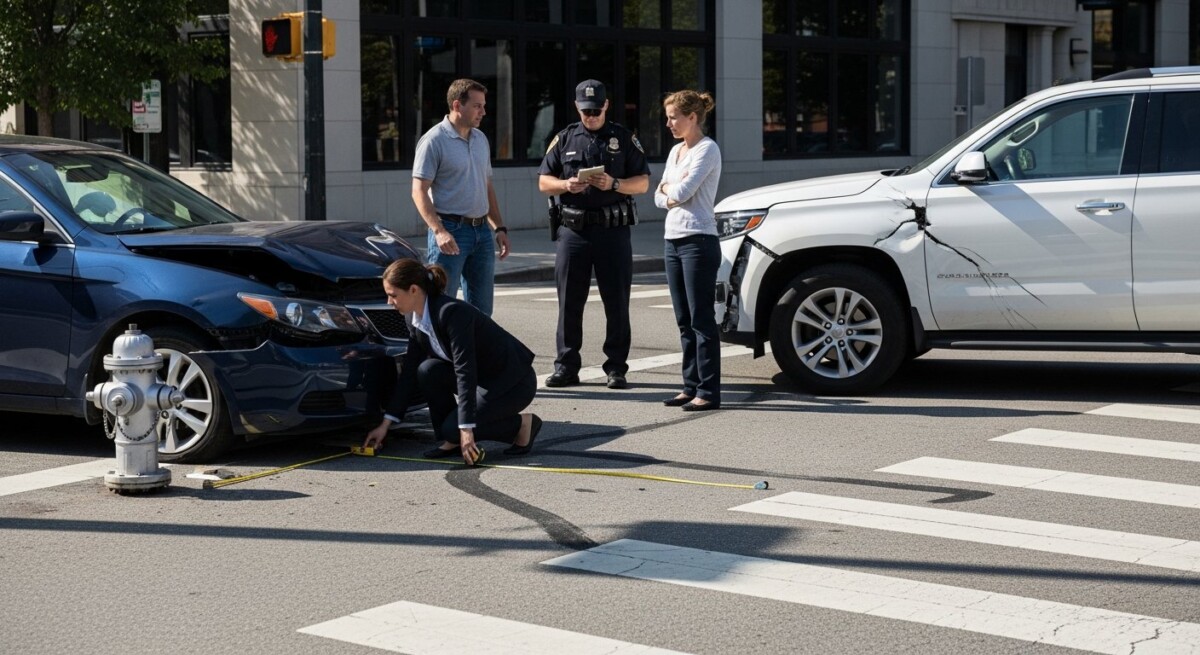
When two drivers walk away from a crash with completely different stories, the insurance company faces a puzzle. One driver insists the other ran a red light. The other claims the first driver sped through the intersection. No independent witnesses exist, and the police report is inconclusive. This scenario plays out thousands of times each day across the United States, and it raises a critical question for anyone involved in a collision: How does an insurer decide who is telling the truth? Understanding how insurance handles conflicting accident reports can mean the difference between a swift settlement and a prolonged battle that leaves you paying for damages you did not cause.
Insurance adjusters are trained to evaluate evidence, not emotions. When reports conflict, they rely on a systematic process that weighs physical evidence, witness statements, and legal standards. Your goal is to present your version of events in the most credible, evidence-backed way possible. This article walks through the exact steps insurers take, the tools they use to detect inconsistencies, and what you can do to protect your claim when the other party’s story contradicts yours.
The Adjuster’s Initial Investigation Process
As soon as an insurance company receives a claim involving conflicting accounts, the adjuster begins gathering every piece of available information. This process starts with the police report, which often serves as the baseline document. However, a police report is not the final word. Officers may arrive after vehicles have been moved, and their conclusions are based on limited observations. The adjuster knows this and treats the report as one data point among many.
The adjuster will then collect recorded statements from each driver and any witnesses. These statements are compared against the physical evidence. For example, if Driver A says the collision happened at 35 miles per hour but the damage suggests a speed of 50 miles per hour, that discrepancy raises a red flag. Adjusters also examine photographs of the scene, vehicle damage patterns, and even weather conditions at the time of the crash. In our guide on how insurance handles disputed liability cases, we explain how adjusters weigh competing narratives when fault is unclear.
Once the adjuster has compiled all initial evidence, they assign a preliminary liability percentage. This percentage determines how much each insurer will pay. In a pure conflict scenario where no evidence tips the scale, some insurers default to a 50/50 split. Others may deny the claim entirely, forcing the policyholder to pursue legal action. The key takeaway is that the adjuster’s decision is rarely final at this stage. You have the right to submit additional evidence and challenge their findings.
Evidence That Carries the Most Weight
Not all evidence is created equal in the eyes of an insurance adjuster. Some forms of proof are far more persuasive than others when stories conflict. The strongest evidence includes:
- Dashcam footage: Video from either vehicle provides an unbiased record of the seconds leading up to impact. Adjusters treat this as near-conclusive proof.
- Third-party witness statements: A bystander who has no connection to either driver is considered highly credible, especially if they can describe the crash in detail.
- Skid marks and vehicle resting positions: Accident reconstruction experts can use these to determine speed, direction, and point of impact.
- Traffic camera or red-light camera footage: Municipal cameras often capture intersections where collisions occur. These recordings are admissible and difficult to dispute.
If you lack any of these forms of evidence, your case becomes more reliant on consistency and documentation. Insurance companies frequently deny claims when the only evidence is the word of one driver against another. That is why it is critical to gather evidence at the scene, even if you believe the accident was clearly the other driver’s fault.
How Insurers Detect Inconsistencies and Fraud
Insurance companies lose billions of dollars each year to fraudulent claims. As a result, they have developed sophisticated methods to detect when a claimant is exaggerating or fabricating details. When reports conflict, the adjuster does not simply take both stories at face value. They look for specific patterns that indicate dishonesty.
One common technique is timeline analysis. The adjuster compares the time each driver says they arrived at the scene, the time the accident occurred, and the time they called 911. Gaps or mismatches can suggest that a driver is fabricating events. Another method is reviewing social media activity. If a claimant says they suffered severe neck pain but posted photos of themselves playing basketball the next day, the adjuster will note that contradiction.
Adjusters also use computer programs that analyze speech patterns in recorded statements. These tools flag hesitations, changes in story details, and emotional responses that do not match the severity of the accident. While these programs are not foolproof, they help insurers prioritize which claims to investigate more deeply. If the adjuster suspects fraud, they may refer the case to a special investigations unit (SIU). An SIU investigator has more resources and authority to dig into a claimant’s background and accident history.
For honest claimants, this system can feel intrusive. However, understanding that the adjuster is trained to be skeptical can help you prepare. Be consistent in every statement you give. Do not embellish your injuries or the damage to your vehicle. If you are caught in a minor inconsistency, the adjuster may use it to question your entire account.
The Role of Fault Laws in Your State
Your state’s laws on fault and liability directly affect how the insurance company resolves a conflict. There are three main systems used across the United States: at-fault (tort) states, no-fault states, and choice no-fault states. Each system changes the adjuster’s approach when reports conflict.
In at-fault states, the insurer of the driver who caused the accident pays for damages. If fault is disputed, the adjuster must determine who was legally responsible. This often leads to a longer investigation and a higher likelihood of litigation. In contrast, no-fault states require each driver’s insurance to pay for their own medical expenses and lost wages, regardless of who caused the crash. However, property damage claims still follow fault rules in most no-fault states, so conflicts over vehicle damage remain important.
Some states apply comparative negligence rules, which allow both drivers to share fault. For example, if you are found to be 20 percent at fault and the other driver is 80 percent at fault, your insurer pays 20 percent of the damages and their insurer pays 80 percent. In a pure comparative negligence state, you can still recover damages even if you are 99 percent at fault, though your recovery is reduced by your percentage of fault. In modified comparative negligence states, you cannot recover anything if you are 50 percent or more at fault. Knowing these rules helps you understand what the adjuster is calculating when they evaluate conflicting reports.
If you live in a state with strict contributory negligence laws, such as Virginia or Maryland, being found even 1 percent at fault can bar you from recovering any damages. In those jurisdictions, insurers are especially aggressive when reports conflict because a small finding of fault against you wipes out your claim entirely.
Steps You Can Take When Reports Conflict
You are not powerless when the other driver’s story contradicts yours. There are concrete actions you can take to strengthen your position and push the adjuster toward a favorable decision. The most important step happens before the adjuster even calls you: document everything at the scene.
If you are physically able, take photos of the vehicles from multiple angles, the surrounding area, traffic signs, road conditions, and any visible injuries. Record a short video on your phone describing what happened while the details are fresh in your mind. Get the names and phone numbers of any witnesses. If there are nearby businesses with security cameras, ask the owner if they can preserve the footage. This evidence can be the deciding factor in a he-said-she-said dispute.
After you file your claim, do not give a recorded statement without first consulting an attorney. Insurance adjusters are skilled at asking questions that lead you to make statements that hurt your case. They may ask you to estimate your speed, describe how far away the other car was, or speculate about what the other driver was doing. If you are unsure, say you are unsure. Guessing can create inconsistencies that the adjuster will exploit.
If the adjuster denies your claim or assigns a higher percentage of fault than you believe is fair, you have the right to appeal. Submit a written demand letter that includes all of your evidence and explains why the adjuster’s decision is wrong. Many claims are resolved at this stage when the policyholder provides compelling documentation. If the appeal fails, you may need to file a lawsuit or enter arbitration, depending on your policy terms.
When to Involve an Attorney
Conflicting accident reports create a legal gray area that often requires professional guidance. If the damages are minor and both parties have clear insurance coverage, you may be able to resolve the dispute without a lawyer. However, there are several situations where legal representation becomes essential.
If the other driver’s insurance company has already denied liability, an attorney can file a lawsuit on your behalf and begin the discovery process. During discovery, your lawyer can subpoena phone records, traffic camera footage, and witness statements that the insurer may have overlooked. An attorney also knows how to negotiate with adjusters who are trained to minimize payouts. In many cases, simply having a lawyer on retainer changes the adjuster’s willingness to settle fairly.
If you sustained significant injuries, the stakes are higher. Medical bills, lost wages, and pain and suffering damages can add up quickly. An attorney can calculate the full value of your claim and ensure you do not accept a lowball settlement. They can also handle communication with the insurance company, which reduces your stress and prevents you from making statements that could harm your case.
LawyerOffer connects you with experienced attorneys who handle disputed liability claims every day. These lawyers understand how insurance companies think and can build a strategy around the specific weaknesses in the adjuster’s case. If you are facing a denied claim or an unfair fault determination, speaking with a lawyer can clarify your options and increase your chances of a favorable outcome.
Frequently Asked Questions
What happens if both drivers deny fault?
When both drivers deny fault, the insurance company reviews all available evidence. If no evidence clearly shows who caused the crash, the adjuster may assign 50 percent fault to each driver. In some cases, the insurer may deny both claims, leaving each driver to sue the other in court.
Can I use my own insurance if the other driver’s insurer denies my claim?
Yes, if you have collision coverage, you can file a claim with your own insurance company. Your insurer will pay for your vehicle repairs minus your deductible. They may then attempt to recover that money from the other driver’s insurer through a process called subrogation. If they succeed, you may get your deductible refunded.
How long does an insurance company have to investigate a conflicting report?
Most states require insurers to complete their investigation within 30 to 45 days after receiving notice of the claim. However, the timeline can be extended if the adjuster needs additional information or if the case is complex. You should receive regular updates on the status of your claim.
Will my insurance rates go up if I am found not at fault?
Not necessarily. Many insurers do not raise rates for not-at-fault accidents. However, some companies consider any claim activity when calculating premiums. If your insurer tries to increase your rates after a not-at-fault accident, you can shop around for a better policy.
What if the police report is wrong?
Police reports are not infallible. If the officer made an error, you can submit a correction request to the police department. You can also provide the insurance adjuster with evidence that contradicts the report, such as photos, witness statements, or video footage. The adjuster is not bound by the police report and can make a different determination based on stronger evidence.
Navigating a claim where the other driver’s story conflicts with yours is stressful, but you do not have to face it alone. The insurance company’s process is designed to protect their bottom line, not your interests. By gathering strong evidence, understanding the adjuster’s methods, and knowing when to seek legal help, you can level the playing field. If you find yourself stuck in a dispute over fault, reach out to a qualified attorney who can advocate for your rights and help you secure the compensation you deserve.

About Alden Navarro
Recent Posts
How Jurisdiction Affects Accident Claim Outcomes
Understand how jurisdiction affects accident claim outcomes and maximize your recovery. Call (833) 227-7919 for a free attorney referral.

Why Legal Deadlines Can Make or Break Your Accident Case
Missing a filing deadline can end your accident case instantly. Get legal help today at (833) 227-7919.

How Statute of Limitations Affects Injury Claims: Key Deadlines
Learn how statute of limitations affects injury claims and why deadlines matter. Call (833) 227-7919 for a free case review to protect your rights.