
How Lawyers Present Accident Evidence in Court
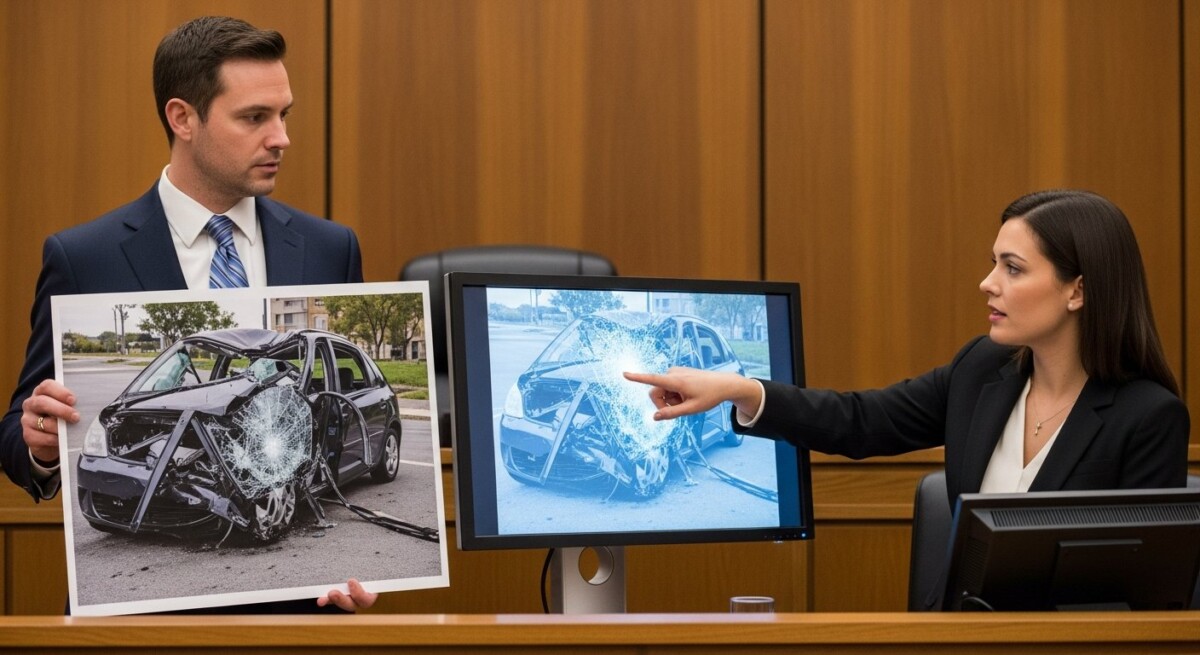
When the dust settles after a car crash, slip and fall, or workplace accident, the physical and emotional toll can be overwhelming. Yet for those seeking compensation, the real battle begins long after the ambulance leaves. In a courtroom, the difference between a favorable verdict and a denial of damages often comes down to one critical factor: how effectively a lawyer presents accident evidence. Evidence is not simply collected; it is curated, authenticated, and woven into a compelling narrative that speaks to judges and juries. Understanding how lawyers present accident evidence in court can help accident victims prepare for what lies ahead and recognize the value of skilled legal representation.
Every piece of evidence must serve a purpose. Whether it is a grainy surveillance video, a torn piece of clothing, or a police officer’s handwritten notes, the attorney’s job is to transform raw data into a persuasive argument. This process involves strategic planning, deep knowledge of courtroom procedure, and the ability to anticipate defense tactics. For anyone navigating a personal injury claim, knowing these methods can reduce anxiety and improve cooperation with your legal team.
The Foundation: Evidence Collection and Preservation
Before a lawyer ever steps into a courtroom, months of behind-the-scenes work have already taken place. The foundation of any successful presentation is the careful collection and preservation of evidence. Attorneys begin by identifying all potential sources of proof, from medical records and repair estimates to witness statements and electronic data. They often work with investigators, accident reconstruction experts, and medical professionals to ensure nothing is overlooked.
Preservation is equally important. Evidence that is lost, contaminated, or improperly stored can be excluded by the judge. For example, a car’s black box data must be downloaded quickly before the vehicle is repaired or destroyed. Medical records must be requested in writing and stored securely. Lawyers also issue spoliation letters to opposing parties, warning them not to destroy relevant evidence. This proactive approach prevents the other side from claiming that key materials were lost or altered.
Organizing Evidence for Maximum Impact
Once collected, evidence must be organized logically. A jury cannot absorb a chaotic pile of papers and photographs. Lawyers typically create a chronological timeline of events, grouping evidence by theme such as liability, damages, or causation. They may use digital presentation tools, physical exhibit boards, or summary charts to make complex information digestible.
There are three primary categories of evidence that lawyers focus on:
- Demonstrative evidence: Diagrams, animations, and models that recreate the accident scene or illustrate injury mechanisms.
- Documentary evidence: Police reports, medical bills, employment records, and correspondence with insurance companies.
- Testimonial evidence: Statements from eyewitnesses, expert witnesses, and the plaintiff themselves.
Each category serves a different purpose. Demonstrative evidence helps jurors visualize what happened. Documentary evidence provides objective proof of losses. Testimonial evidence adds a human element, explaining why the accident mattered and how it changed someone’s life. The best presentations weave all three together seamlessly.
Laying the Foundation: Authenticating Evidence in Court
Presenting evidence in court is not as simple as handing a photograph to the jury. Every item must be authenticated, meaning the lawyer must prove that it is what it claims to be. This process follows strict rules of evidence, which vary by jurisdiction but share common principles. For example, a police officer must testify that a diagram accurately represents the accident scene. A medical records custodian must verify that the documents were created in the ordinary course of business.
Lawyers prepare for authentication by pre-marking exhibits, creating a list of exhibits, and rehearsing the questions they will ask witnesses to introduce each piece of evidence. If the defense objects, the judge rules on admissibility. A skilled attorney anticipates objections and lays a thorough foundation to overcome them. They may also use stipulations, agreements between both sides, to admit certain evidence without formal testimony, saving time and reducing risk.
Direct Examination: Guiding Witnesses Through the Story
Direct examination is the lawyer’s opportunity to present their case through the mouths of witnesses. This is where how lawyers present accident evidence in court becomes most visible. The attorney asks open-ended questions that allow witnesses to explain what they saw, heard, or experienced. Leading questions, which suggest the answer, are generally prohibited during direct examination.
A successful direct examination feels like a natural conversation. The lawyer starts with background information, then moves step by step through the accident and its aftermath. For medical experts, the attorney might ask them to describe the plaintiff’s injuries, the treatment required, and the prognosis for recovery. For eyewitnesses, the focus is on sensory details: what did you see? What did you hear? How fast was the other car going? The goal is to build credibility and create a vivid, memorable picture for the jury.
Cross-Examination: Testing the Defense’s Evidence
Cross-examination is where lawyers challenge the opposing party’s evidence. This phase requires precision, restraint, and deep preparation. Attorneys use leading questions to control the witness and highlight inconsistencies. They may confront a witness with prior statements, photographs, or expert reports that contradict their testimony.
An effective cross-examination can destroy the credibility of a key defense witness. For example, if the defense claims the plaintiff was speeding, the lawyer might introduce black box data showing the actual speed. If a defense expert’s opinion is based on faulty assumptions, the attorney can systematically expose those flaws. However, seasoned lawyers know that over-aggressive cross-examination can backfire, making the jury sympathize with the witness. The best approach is focused, respectful, and surgically precise.
Using Expert Witnesses to Strengthen the Case
Expert witnesses play a crucial role in complex accident cases. These professionals bring specialized knowledge that jurors lack, such as accident reconstruction, biomechanics, or medical causation. Lawyers carefully select experts based on their credentials, experience, and ability to communicate clearly. Before trial, the attorney prepares the expert by reviewing their report, discussing potential cross-examination questions, and rehearsing testimony.
During trial, the lawyer qualifies the expert by asking about their education, training, and professional background. Once the judge accepts them as an expert, the attorney elicits opinions that support the plaintiff’s case. For example, a biomechanical engineer might testify that the forces involved in the crash were sufficient to cause a herniated disc. A vocational expert might explain how the injuries prevent the plaintiff from returning to their previous occupation. These opinions give the jury a framework for understanding complex medical or technical issues.
The Closing Argument: Weaving Evidence Into a Verdict
The closing argument is the lawyer’s final opportunity to persuade the jury. At this point, all evidence has been presented, and the attorney must synthesize it into a clear, compelling call for justice. They remind the jury of key pieces of evidence, highlight the credibility of their witnesses, and explain why the defense’s arguments fall short.
A powerful closing argument often uses a theme or metaphor introduced during opening statements. The lawyer might refer back to a specific photograph or piece of testimony that encapsulates the case. They also address the jury instructions, explaining how the evidence satisfies each legal element required for a verdict in their favor. The goal is to make the jury feel that a verdict for the plaintiff is not just legally correct, but morally right.
Frequently Asked Questions
What happens if evidence is not presented correctly in court?
If evidence is not properly authenticated or admitted, the judge may exclude it, meaning the jury never sees or hears it. This can severely weaken a case. In some instances, failure to present evidence correctly can lead to a mistrial or grounds for appeal.
How long does it take to prepare accident evidence for trial?
Preparation time varies widely based on the complexity of the case. Simple car accident cases may take several months, while multi-party product liability or medical malpractice cases can take years. Lawyers typically begin gathering evidence immediately after being retained.
Can accident evidence be used if the police did not file a report?
Yes. While a police report is helpful, it is not required. Lawyers can use photographs, witness statements, surveillance footage, and expert analysis to prove what happened. The absence of a report may make the case harder, but it is not fatal.
What is the most important piece of evidence in an accident case?
There is no single most important piece. However, evidence that directly proves liability such as a traffic camera video showing the defendant running a red light, or photographs of the accident scene taken immediately after the crash, often carries significant weight. Medical records are critical for proving damages.
Moving Forward With Confidence
Understanding how lawyers present accident evidence in court empowers accident victims to participate actively in their own cases. It also underscores the importance of hiring an experienced attorney who knows the rules of evidence and how to use them effectively. If you or a loved one has been injured in an accident, do not navigate the legal system alone. Contact a qualified personal injury lawyer who can gather, preserve, and present the evidence needed to fight for the compensation you deserve. For more information or to connect with a trusted attorney, visit LawyerOffer today.

About Lissette Hollowell
Recent Posts
Building a Legal Strategy for Injury Claims That Wins
Learn how legal strategy is built for injury claims to maximize your recovery. Call (833) 227-7919 for a free consultation with a trusted attorney.

Attorney Client Privilege in Accident Cases: What to Know
Learn how attorney client privilege works in accident cases and protect your claim. Call (833) 227-7919 to find a qualified lawyer.

Documenting Settlement Negotiations: A Legal Guide
Discover how settlement negotiations are documented to protect your claim. Get expert legal help by calling (833) 227-7919 today.