
How MRI Results Influence Injury Compensation Payouts
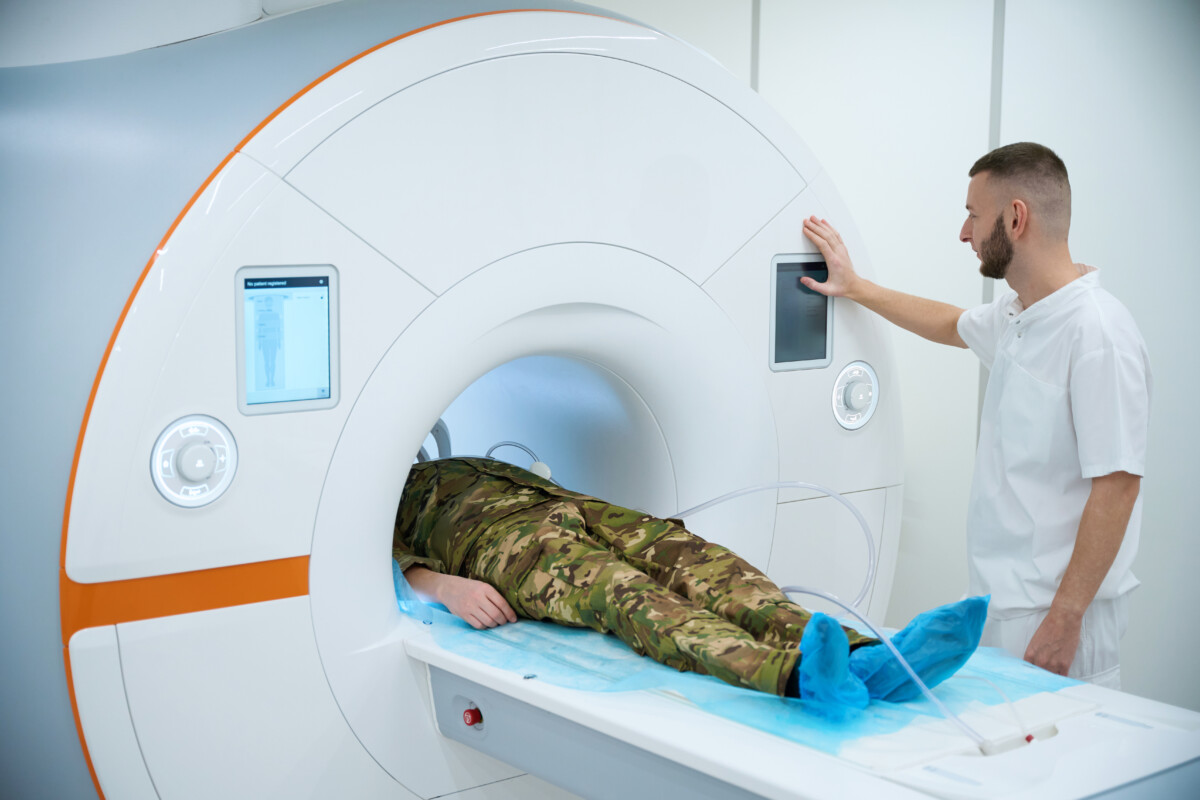
After a car accident, a slip and fall, or any other incident that leaves you injured, the path to fair compensation often feels overwhelming. You are dealing with pain, medical appointments, and lost wages, all while insurance adjusters pressure you for a quick statement. In the middle of this chaos, one piece of medical evidence can dramatically shift the balance of power in your favor: the MRI scan. Understanding how MRI results influence injury compensation is not just helpful, it is often the single most critical factor in determining whether you receive a modest offer or a settlement that truly covers your long-term needs.
An MRI, or magnetic resonance imaging, provides a detailed view of your body’s soft tissues, including ligaments, tendons, cartilage, and the spinal cord. Unlike an X-ray which only shows bones, an MRI reveals the hidden injuries that cause chronic pain and disability. For an insurance company, the existence of a clear, objective MRI finding transforms your subjective complaints of pain into a documented medical fact. This article breaks down the exact mechanisms of this influence, showing you how to use this imaging tool to build a stronger claim and avoid common pitfalls.
The Objective Proof Insurers Cannot Ignore
Insurance adjusters are trained to be skeptical. They assume that every claimant is exaggerating their symptoms to secure a larger payout. When you walk into a negotiation claiming you have severe back pain, the adjuster has no way to verify that unless you provide objective evidence. This is where MRI results become your most powerful ally. A radiologist’s report that clearly identifies a herniated disc, a torn rotator cuff, or a meniscal tear provides irrefutable proof that a structural injury exists. This evidence changes the conversation from a debate about your credibility to a discussion about the value of a specific, documented injury.
Furthermore, the timing of your MRI matters significantly. Insurance defense attorneys will often argue that your injuries are pre-existing or that they resulted from a subsequent incident. An MRI taken shortly after the accident, which shows acute trauma such as swelling or a fresh tear, directly refutes these arguments. It creates a temporal link between the accident and your injury. If you wait weeks or months to get the scan, the defense can claim the injury could have occurred at any time during that gap. Therefore, seeking a prompt medical evaluation and getting an MRI ordered early is crucial for establishing causation, a foundational element in any personal injury claim.
Without this objective imaging, your case relies entirely on the testimony of you and your doctor. While this can sometimes be enough, it leaves a significant opening for the defense to poke holes. They might question your pain tolerance, suggest you are malingering, or claim that your symptoms are psychological. An MRI shuts down these avenues of attack. It shows the exact location and severity of the damage, giving your attorney a solid foundation to demand a settlement that reflects the true extent of your physical harm.
How MRI Findings Categorize Injury Severity
Not all MRI findings are created equal in the eyes of the law. The specific language used in the radiology report plays a major role in determining the value of your claim. A finding of a “mild disc bulge” is viewed very differently than a finding of a “severe spinal stenosis with nerve root compression.” The latter suggests a much more serious condition that likely requires invasive treatment and leads to permanent limitations. These distinctions are critical because they directly correlate with the cost of your medical care and the impact on your earning capacity.
Here are the common MRI findings and how they typically influence injury compensation:
- Disc Bulges and Protrusions: These are often considered degenerative or age-related, but if the MRI shows an acute bulge impinging on a nerve, it can justify significant compensation for pain and suffering.
- Herniated or Ruptured Discs: This is a more severe injury that frequently causes radiating pain, numbness, and weakness. Insurers assign higher values to these claims because they often require epidural steroid injections, physical therapy, or even surgery.
- Ligament Tears (ACL, MCL, Rotator Cuff): A full-thickness tear usually requires surgical repair and months of rehabilitation. The MRI provides clear evidence of the need for this extensive treatment, supporting a higher settlement demand.
- Bone Marrow Edema or Contusions: These findings indicate recent trauma and are excellent for proving that the injury was caused by the accident, as they typically resolve within months.
The takeaway is that the more specific and severe the finding, the stronger your negotiating position. For instance, a claim involving a torn meniscus requiring arthroscopic surgery will have a significantly higher settlement value than one involving a mild sprain with no MRI findings. Your attorney uses these objective results to calculate a demand that covers past and future medical expenses, lost income, and non-economic damages like pain and suffering. The MRI essentially sets the baseline for these calculations.
The Role of MRI in Proving Pain and Suffering
Pain and suffering is a subjective category of damages, making it difficult to quantify. However, MRI results provide a bridge between the subjective experience of pain and the objective reality of an injury. When you have a torn labrum in your hip, the MRI explains why you cannot sit for long periods or why you struggle to climb stairs. It gives your attorney the clinical language needed to describe your limitations to a jury or an insurance adjuster. This transforms your claim from a simple assertion of pain into a documented narrative of how the injury has disrupted your life.
Furthermore, a negative MRI is not always a death sentence for your claim, but it does present challenges. It can weaken your case if you are claiming severe, debilitating pain without any structural abnormality. In these situations, the insurance company will likely argue that your pain is not as serious as you claim. However, there are conditions like nerve injuries or certain soft tissue damages that do not always show up on standard MRI protocols. In such cases, your attorney may need to rely on other evidence, such as nerve conduction studies or the clinical findings of your treating physician. The strength of your case heavily depends on how well your medical team can document your symptoms even without positive imaging.
Conversely, a compelling MRI result can be used to preemptively counter the defense’s arguments. Since the scan shows a clear injury, the focus shifts to the extent of your recovery and the likelihood of future complications. If the MRI shows early signs of post-traumatic arthritis, for example, your claim must account for the likelihood of needing a joint replacement in the future. This is where the expertise of injury compensation lawyers who maximize settlements becomes invaluable, as they know how to project these future costs based on solid imaging evidence.
When MRI Timing Hurts Your Claim
While a prompt MRI is beneficial, a delayed one can be used against you. If you wait several months after the accident to get an MRI, the defense will argue that your current pain is due to a new injury or a degenerative condition that has worsened over time. They will point to the lack of a scan immediately following the incident as evidence that your injuries were not serious at the outset. This is a common tactic used to reduce the value of a claim, and it is one of the reasons why seeking immediate medical attention is so vital.
Another pitfall is inconsistency between the MRI report and your stated symptoms. For instance, if the MRI shows a minor annular fissure in the lower back, but you claim you cannot walk without a cane, the adjuster will immediately flag this discrepancy. They will argue that the objective findings do not support the severity of your subjective complaints. This can severely damage your credibility and lead to a lowball offer. It is essential that your attorney prepares you for deposition by reviewing the MRI findings and ensuring your testimony is consistent with the medical evidence.
To ensure you have the strongest possible case, you must also be diligent in following your doctor’s recommended treatment plan. If the MRI reveals a need for surgery, but you delay it due to personal reasons, the insurance company may argue that you are not mitigating your damages. They can claim that your continued pain is your own fault for not seeking necessary treatment. Therefore, the MRI not only proves the injury but also dictates the treatment path, and your adherence to that path is a direct reflection of the legitimacy of your claim. For more insights on building a robust case, consider reading about the key steps to success in injury compensation.
Leveraging MRI Results in Settlement Negotiations
Armed with a detailed MRI report, your attorney enters negotiations from a position of strength. The initial demand letter will reference the specific findings and correlate them with the projected medical costs and the impact on your quality of life. The goal is to make the insurance company understand that if they do not offer a fair settlement, a jury will likely see the MRI and award a much higher amount in court. This fear of a large verdict often motivates adjusters to offer a more reasonable settlement upfront.
During negotiations, your attorney will use the MRI to justify every dollar requested. For example, if the MRI shows a complex tear of the supraspinatus tendon, your attorney will present the surgical costs, the anesthesiologist fees, the physical therapy costs, and the projected time off work. They will also add a multiplier for pain and suffering based on the severity of the injury. The MRI makes these calculations seem concrete rather than arbitrary. This is a critical advantage that can mean the difference between a settlement that covers your bills and one that leaves you struggling.
It is also important to understand that the MRI can be used to challenge the defense’s medical expert. Often, insurance companies send you to their own doctor for an independent medical examination (IME). If that doctor claims your injury is not serious, your attorney can use your MRI results to cross-examine their opinion. A defense doctor who dismisses a visible, large rotator cuff tear will lose credibility in front of a jury. This pressure often forces the defense to settle rather than risk an unfavorable verdict. To understand how this dynamic plays out in specific scenarios, you can look at how spinal injuries affect claims and the value of MRI evidence there.
Frequently Asked Questions
Q: Can I get compensation if my MRI is normal?
Yes, but it is more difficult. A normal MRI does not necessarily mean you are not injured. You may have a nerve injury or a condition that does not show up on standard imaging. Your claim will rely more heavily on clinical examinations and documented symptoms, but you may face more resistance from insurers.
Q: Should I get an MRI even if my doctor thinks it is unnecessary?
If you have persistent pain, you should ask your doctor to consider an MRI. While you should follow medical advice, you also have the right to request diagnostic imaging. The cost of an MRI is often covered under the medical payments portion of your auto insurance or by the at-fault party’s liability coverage, so it is a crucial step for documenting your injury.
Q: How long after an accident should I get an MRI?
You should get an MRI as soon as your doctor recommends it, ideally within a few weeks of the accident. This timing helps establish causation and shows that your injury is acute and directly related to the incident. Delays can give the defense room to argue that your injury is pre-existing.
Q: Can the insurance company force me to get an MRI?
They cannot force you, but they can request an independent medical examination (IME) where their doctor examines you. As part of that exam, they may recommend imaging. If you refuse a reasonable request, they might use that to argue that you are hiding something or that your injuries are not serious.
Bringing It All Together for Your Claim
In the complex world of personal injury law, the MRI scan stands out as a pillar of objective truth. It cuts through the noise of subjective complaints and provides a clear picture of the damage inflicted by another party’s negligence. From validating your pain to projecting future medical needs, the influence of these imaging results on your financial recovery cannot be overstated. Whether you are negotiating with a claims adjuster or preparing for trial, the clarity provided by a professional radiologist’s report is your strongest asset.
Understanding how MRI results influence injury compensation empowers you to take control of your recovery. It underscores the importance of seeking immediate medical care, following through with diagnostic testing, and adhering to your treatment plan. If you have suffered an injury and are facing a complicated legal battle, do not navigate this alone. The team at LawyerOffer can connect you with legal professionals who know exactly how to use this evidence to your advantage. For a free consultation and to discuss the specifics of your case, call us at (833) 227-7919 today. Your path to a fair settlement starts with securing the right help and ensuring your medical evidence is presented effectively.

About Viona Hartwell
Recent Posts

How Jurisdiction Affects Accident Claim Outcomes
Understand how jurisdiction affects accident claim outcomes and maximize your recovery. Call (833) 227-7919 for a free attorney referral.

Why Legal Deadlines Can Make or Break Your Accident Case
Missing a filing deadline can end your accident case instantly. Get legal help today at (833) 227-7919.

How Statute of Limitations Affects Injury Claims: Key Deadlines
Learn how statute of limitations affects injury claims and why deadlines matter. Call (833) 227-7919 for a free case review to protect your rights.