
How to Dispute a Homeowner Insurance Claim Denial for Water Damage
Overturn a water damage denial with our step-by-step guide. Get a free case review by calling (833)-632-1198 to protect your recovery.

By Camden Roth
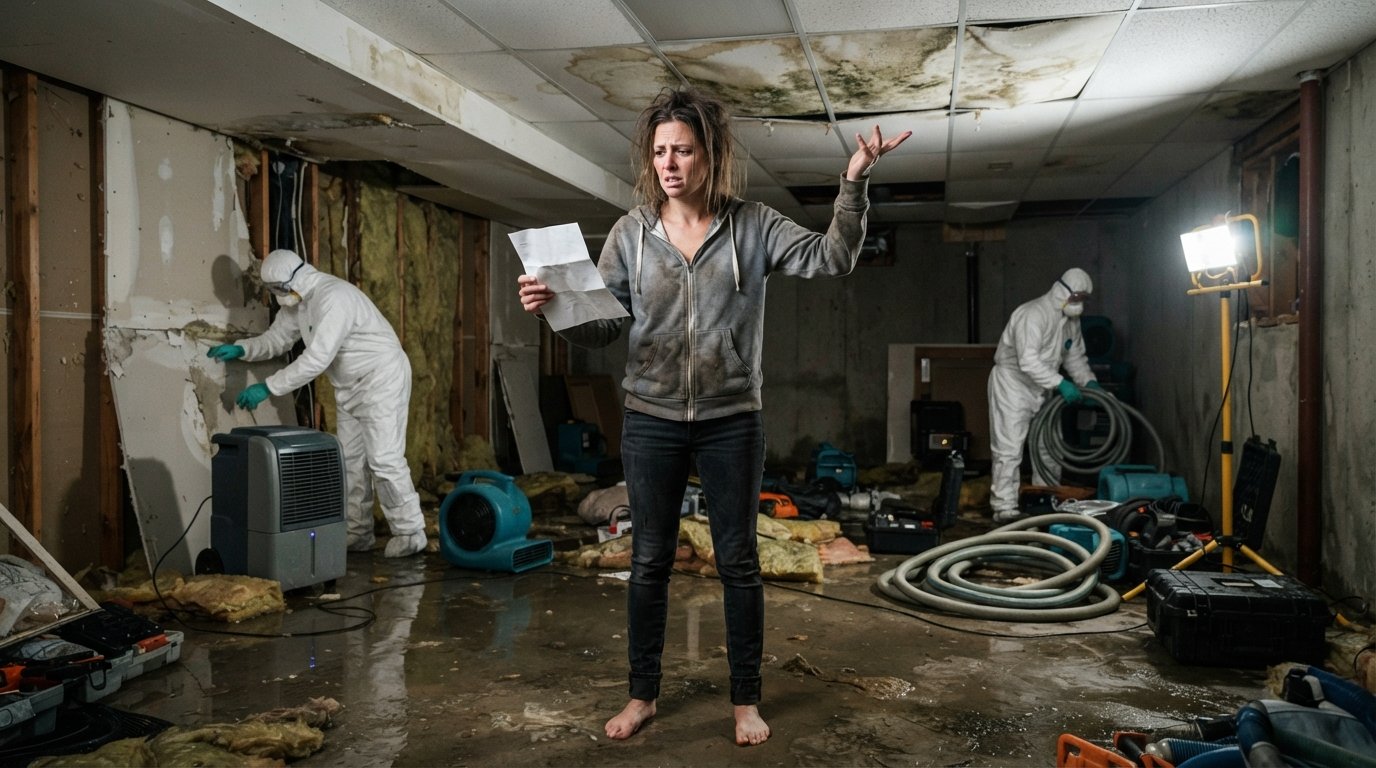
Your basement is flooded, your ceiling is stained, and the remediation crew is already tearing out drywall. Then the letter arrives: your insurer has denied your water damage claim. The denial may cite a policy exclusion for long-term seepage, a failure to maintain the property, or a dispute over what caused the damage. Whatever the reason, you do not have to accept the first decision. Homeowners across the country successfully overturn water damage denials every year by building evidence, following the policy's dispute process, and escalating when necessary. This guide explains how to dispute a homeowner insurance claim denial for water damage with a clear, step by step approach that protects your rights and your recovery.
Why Insurers Deny Water Damage Claims
Insurance companies deny water damage claims for several common reasons. The most frequent is a dispute over the source of the water. Most homeowners policies cover sudden and accidental water damage, such as a burst pipe, a failed water heater, or an appliance malfunction. However, they typically exclude damage caused by long term seepage, repeated leaks, poor maintenance, or flooding from outside the home. The line between a sudden event and a gradual problem is where many disputes begin.
Another common reason is a claim that the damage resulted from a maintenance failure. Insurers argue that a slow leak under a sink or a deteriorating roof was the homeowner's responsibility to fix before it caused major damage. They may also deny claims for mold if they determine the mold resulted from a long standing moisture problem rather than a covered event. Finally, some denials are based on policy language that is ambiguous or applied too broadly. Understanding the specific reason for your denial is the first step in challenging it.
It is important to distinguish between a denial and a low settlement offer. A denial means the insurer is refusing to pay anything. A low offer means the insurer accepts some liability but disputes the value or scope of the damage. Both situations require a response, but the strategy differs. For a denial, you must first establish that the loss is covered under the policy. For a low offer, you must document that the repair or replacement costs exceed what the insurer has estimated.
Step One: Review the Denial Letter and Your Policy
When you receive a denial letter, read it carefully. The letter should state the specific policy provision the insurer relied on and the factual basis for the denial. For example, the letter might say that the damage was caused by continuous or repeated seepage over a period of weeks, which is excluded under a specific section of your policy. Or it might say that the insurer's investigation found no evidence of a sudden pipe failure. Write down the exact language the insurer used. This is the argument you will need to rebut.
Next, pull out your homeowners policy and find the relevant sections. Look for the coverage grant for water damage, the exclusions for water damage, and any endorsements or riders that modify the coverage. Pay attention to definitions. The policy may define "sudden and accidental" or "continuous or repeated seepage" in ways that help your case. If the denial letter cites a specific exclusion, read the entire exclusion, including any exceptions. Many policies exclude long term seepage but make an exception if the seepage was hidden and unknown to the homeowner. If you can show that you did not know about the leak until the damage became visible, you may be able to overcome the exclusion.
If the policy language is unclear or ambiguous, that ambiguity may work in your favor. Courts generally interpret ambiguous policy language against the insurer that drafted it. You do not need to be a lawyer to spot ambiguity, but a legal professional can help you evaluate whether the insurer's interpretation is reasonable. If you are unsure about your rights, a free legal case review can provide clarity on whether the denial is worth challenging.
Step Two: Gather Documentation That Supports Your Claim
The strongest weapon against a water damage denial is evidence. Insurers deny claims when they believe the evidence does not support coverage. Your job is to build a record that leaves little room for doubt. Start by documenting the damage itself. Take photographs and videos of the water damage, including the source of the water if visible, the affected areas, and any items that were damaged. If the damage occurred suddenly, note the date and time you discovered it. If possible, preserve the damaged materials until the dispute is resolved, or at least keep samples.
Obtain a professional inspection report. A licensed plumber, restoration contractor, or water damage specialist can provide a written report explaining the cause of the damage and whether it was sudden or gradual. This report is critical because it directly addresses the insurer's likely argument. If the insurer's denial is based on a claim that the damage was caused by long term seepage, a plumber's report showing a sudden pipe failure can rebut that claim. If the denial is based on a maintenance issue, a contractor's report may show that the damage was not foreseeable and that you took reasonable steps to maintain the property.
Keep all receipts and invoices related to the damage. This includes receipts for emergency repairs, temporary housing, and any remediation work you have already paid for. These costs may be recoverable under your policy, and they demonstrate that you acted responsibly to mitigate the damage. Also, keep a log of all communications with your insurer, including dates, times, names of representatives, and summaries of what was said. If you speak by phone, follow up with an email confirming the conversation. This log can become important evidence if you later file a complaint or take legal action.
Finally, consider obtaining an independent estimate for the repairs. Your insurer may have provided its own estimate, but you are entitled to a second opinion. A contractor's estimate that is significantly higher than the insurer's estimate can support your argument that the insurer has undervalued the claim. If the denial is total, the estimate helps establish the amount you are disputing.
Step Three: File an Internal Appeal with Your Insurer
Before you escalate to a regulator or a lawyer, you must exhaust your insurer's internal appeal process. Most policies and state regulations require you to give the insurer a chance to reconsider its decision. The denial letter should include instructions for filing an appeal, including the deadline and the address or portal to use. Do not miss the deadline. If the letter does not specify a deadline, call your insurer and ask. Document the call.
Your appeal should be a formal, written submission. Include a clear statement of why the denial is wrong, supported by the evidence you gathered. Organize your appeal logically. Start with a brief summary of the claim and the denial. Then, address each reason the insurer gave for the denial and explain why it is incorrect. Attach the supporting documents, such as the plumber's report, photographs, receipts, and contractor estimates. If the insurer's denial letter misquoted or misapplied the policy, point that out specifically. Use the policy language to your advantage.
Send your appeal by a method that provides proof of delivery, such as certified mail with return receipt requested, or through the insurer's online portal if it provides a confirmation. Keep a copy of everything you send. If the insurer requests additional information or an inspection, cooperate fully and promptly. An appeal is not the time to be unresponsive. The goal is to show the insurer that you are serious, organized, and prepared to pursue the matter further if necessary.
If your appeal is successful, you may receive a revised settlement offer or a full payment. If it is denied again, you have other options. The appeal process also creates a paper trail that will be useful if you later file a complaint with your state insurance department or pursue legal action.
Step Four: Request an Appraisal or Mediation
Many homeowners policies include an appraisal clause. This clause allows either party to demand an appraisal when there is a disagreement about the amount of loss. The appraisal process typically involves each party selecting a competent appraiser, and the two appraisers selecting a third, neutral appraiser if they cannot agree. The appraisers determine the amount of the loss, and their decision is usually binding. Appraisal is not appropriate for disputes about whether the loss is covered at all; it is for disputes about the value of the loss. However, if your denial is based on a disagreement about the extent of the damage rather than the cause, appraisal can be a powerful tool.
Some states also offer mediation programs for insurance disputes. Mediation is a voluntary process where a neutral third party helps the insurer and the homeowner reach a resolution. Mediation can be faster and less expensive than litigation, and it often results in a settlement. Check with your state insurance department to see if mediation is available for your claim. If your policy includes a mediation clause, follow the procedures outlined there.
If your insurer refuses to participate in appraisal or mediation, or if those processes do not resolve the dispute, you may need to consider legal action. Before you do, consult with an attorney who specializes in insurance disputes. Many attorneys offer free consultations and work on a contingency fee basis, meaning you pay nothing unless they recover money for you. An attorney can evaluate the strength of your case, advise you on the applicable law, and represent you in negotiations or litigation.
Step Five: File a Complaint with Your State Insurance Department
If your insurer has denied your claim without a reasonable basis, or if it has failed to respond to your appeal in a timely manner, you can file a complaint with your state insurance department. Every state has a department that regulates insurance companies and handles consumer complaints. The complaint process is free and relatively simple. You can usually file online, by mail, or by phone. The department will investigate your complaint and may require the insurer to explain its decision. While the department cannot force the insurer to pay your claim, it can pressure the insurer to reconsider and can impose penalties for bad faith practices.
Before you file a complaint, gather your documentation. You will need your policy number, the denial letter, your appeal, and any evidence you have gathered. Write a clear, concise summary of the dispute, focusing on the facts and the policy language. The more organized your complaint, the easier it will be for the department to investigate. Keep a copy of your complaint and any response you receive.
Filing a complaint can be particularly effective if your insurer has engaged in a pattern of bad faith. Bad faith insurance practices include unreasonably denying a claim, failing to investigate a claim promptly, making a low offer without a reasonable basis, and failing to communicate with the policyholder. If you suspect bad faith, mention it in your complaint. Some states allow policyholders to sue for bad faith and recover damages beyond the policy limits, including punitive damages. An attorney can advise you on whether your situation meets the legal standard for bad faith in your state.
In addition to the state insurance department, you may also file a complaint with the Better Business Bureau or your state attorney general's office. These complaints may not directly resolve your claim, but they add pressure and create a public record of your dispute.
Step Six: Consider Legal Action and Alternative Dispute Resolution
If your appeal and regulatory complaint do not resolve the dispute, you may need to take legal action. The most common options are arbitration and litigation. Some policies include an arbitration clause that requires disputes to be resolved through binding arbitration rather than in court. Read your policy carefully to see if arbitration is required. If it is, you must follow the procedures outlined in the clause. If it is not, you may be able to file a lawsuit in court.
Litigation can be expensive and time consuming, but it may be necessary if the amount in dispute is significant or if the insurer has acted in bad faith. An attorney can help you decide whether litigation is worth the cost and risk. Many insurance dispute attorneys offer contingency fee arrangements, so you do not pay upfront. If you win, the attorney takes a percentage of the recovery. If you lose, you may not owe attorney fees, but you may be responsible for court costs.
Before you file a lawsuit, consider whether there are alternatives that might be faster and cheaper. For example, some states require homeowners to participate in a pre suit mediation or appraisal process. Your attorney can advise you on the requirements in your state. You may also be able to resolve the dispute through a negotiated settlement. Insurers are often willing to settle once they see that you are represented by counsel and prepared to litigate.
It is also worth noting that some water damage claims involve complex issues that are better handled by an attorney from the start. For example, if your claim involves a large loss, a dispute over the cause of the damage, or allegations of bad faith, an attorney can level the playing field. If you are unsure whether you need an attorney, consider a free case evaluation. Many legal professionals offer free consultations to help you understand your options.
How to Strengthen Your Position at Every Stage
Throughout the dispute process, there are several things you can do to strengthen your position. First, be persistent. Insurers may deny a claim initially in the hope that the homeowner will give up. If you continue to provide evidence and follow up, you increase your chances of success. Second, be organized. Keep all documents in one place, and create a timeline of events. This will help you present your case clearly and respond to insurer requests quickly.
Third, be professional. Even if you are frustrated, avoid emotional or threatening language in your communications with the insurer. A calm, factual approach is more effective and will serve you better if the dispute escalates. Fourth, know your rights. Research your state's insurance regulations and the terms of your policy. If you are unsure about something, ask an attorney or a consumer advocate.
Finally, consider the role of technology in insurance claims. Insurers increasingly use artificial intelligence and data analytics to evaluate claims. While these tools can speed up processing, they can also lead to errors or unfair denials. If you believe your claim was denied due to an automated decision, you have the right to request a human review. For more on how AI is used in insurance claim processing, see our guide that explains the technology and its implications for policyholders.
If you are a legal professional looking to connect with homeowners who need help with insurance disputes, platforms like AttorneyLeads provide exclusive, pre-screened leads to law firms and solo practitioners. These services can help you build your practice while helping consumers find the representation they need.
Key Takeaways and Next Steps
Disputing a water damage denial is a process, but it is one you can navigate with the right approach. Here is a summary of the key steps:
- Review the denial letter and your policy to understand the specific reason for the denial.
- Gather evidence, including photographs, professional inspection reports, receipts, and contractor estimates.
- File a formal internal appeal with your insurer, addressing each reason for the denial and attaching supporting evidence.
- If the appeal fails, request an appraisal or mediation if your policy allows it.
- File a complaint with your state insurance department if the insurer has acted unreasonably.
- Consult with an attorney about legal action if the dispute remains unresolved.
Remember that you do not have to go through this alone. Many homeowners find that consulting with an attorney early in the process helps them avoid missteps and increases their chances of a successful outcome. Whether you hire an attorney or handle the dispute yourself, being informed and persistent is the key to overturning a wrongful denial.
If your home has suffered water damage and your claim has been denied, take action promptly. Review your policy, gather your evidence, and start the appeal process. With diligence and the right support, you can challenge the denial and pursue the compensation you deserve.