
How to Improve Weak Accident Claim Evidence
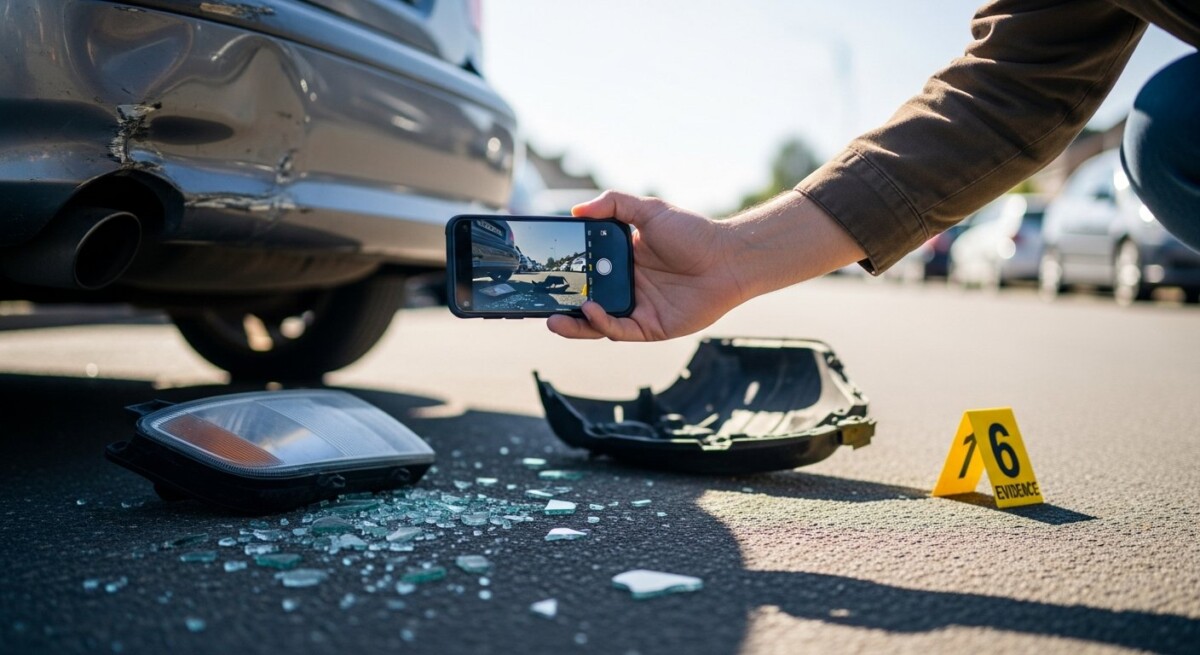
You were in a car accident. You know the other driver was at fault. But when you review the evidence, the picture looks fuzzy. Maybe there are no skid marks. Maybe the police report is vague. Perhaps your witness changed their story. A weak claim can feel like a dead end, but it does not have to be. You can take concrete steps to strengthen your position and build a case that holds up under scrutiny. The key is knowing what to look for and how to present it. This guide shows you exactly how to improve weak accident claim evidence so you can pursue the compensation you deserve.
Insurance companies and defense attorneys thrive on weak evidence. When they see gaps, they offer lower settlements or deny claims outright. But you can close those gaps. Whether you are dealing with a minor fender bender or a serious collision, the principles are the same. You need to gather proof, document everything, and tell a clear story of what happened. If you have already filed a claim and it feels shaky, do not panic. There are proven methods to escalate the strength of your evidence after the fact. Let us walk through them step by step.
In our guide on navigating Kansas City car accident claims with a skilled lawyer, we explain how local rules can affect your case. The same principles apply nationwide. The stronger your evidence, the harder it is for an insurer to deny your claim.
Why Accident Claim Evidence Becomes Weak in the First Place
Evidence can weaken for many reasons. Sometimes the scene is cleaned up before photos are taken. Other times, witnesses forget key details as days pass. Surveillance footage might be deleted before anyone requests it. The most common culprit is delay. The longer you wait to gather evidence, the more it degrades. Physical evidence like tire marks or vehicle damage can be altered by weather or repair work. Digital evidence like dashcam recordings can be overwritten. Witness memories fade or become influenced by what they hear from others.
Another factor is incomplete documentation. Many people assume the police report tells the whole story. It does not. Officers often miss subtle details that matter to liability. They may not measure the final resting positions of vehicles or note the absence of brake lights. If you only rely on what is in the official report, you might miss half the picture. Weak evidence is often just incomplete evidence. The good news is that you can fill in the blanks.
How to Improve Weak Accident Claim Evidence: Step by Step
Revisit the Scene and Document Everything
Go back to the accident location as soon as possible. Bring a smartphone or camera. Take photos of the intersection, road conditions, traffic signs, sight lines, and any skid marks that remain. If the accident happened at night, go back during the same time of day to capture lighting conditions. Look for security cameras on nearby buildings, businesses, or homes. These cameras often capture footage that is not automatically saved. You need to ask for it before it is overwritten. Write down the names of businesses and the exact locations of cameras. If you see a camera, go inside and ask for the footage politely. Explain that you were in an accident and need the video for your claim.
Also look for environmental factors you might have missed. Was there construction blocking a lane? Was a tree limb obstructing a stop sign? These details can shift liability. Take wide-angle shots and close-ups. Label each photo with the date, time, and a brief description. Organization matters. If you submit a jumbled mess of photos, an adjuster will not take them seriously. Create a folder on your computer with clear file names like “Intersection View Looking East 3pm.jpg.” This small step makes your evidence look professional and credible.
Track Down Witnesses Before They Disappear
Witnesses are some of the strongest evidence you can have. But they often vanish within days. If you did not get contact information at the scene, you are not necessarily out of luck. You can post in local community groups on social media or Nextdoor describing the accident and asking for anyone who saw it to come forward. You can also visit nearby businesses and ask employees if they remember the crash. Some witnesses are hesitant to get involved. Be polite and explain that you just need them to confirm what they saw. Offer to have them speak with your attorney rather than directly with the insurance company. This protects them from aggressive questioning.
If you already have a witness but their statement is vague, ask them to write down everything they remember in their own words. Memories can be triggered by specific questions. Ask them what they saw before the impact, during the crash, and immediately after. Even small details like the direction each car was facing or whether they heard a horn can be valuable. A detailed written statement is much stronger than a one-line summary.
Obtain Official Records and Reports
The police report is just the beginning. You can request supplemental reports, traffic camera footage, and even 911 call recordings. These records are often available through public records requests. If the responding officer noted anything incomplete or inaccurate, you can file a correction or add a statement to the report. Many police departments allow you to submit a supplemental statement that becomes part of the official record. This does not change the officer’s opinion, but it adds your version of events to the file.
You should also request your own medical records and bills. Even if you did not seek treatment immediately, follow up with a doctor. A delayed injury does not mean it is not real. Whiplash, soft tissue damage, and concussions can take days to appear. Medical documentation creates a paper trail that connects the accident to your injuries. Without it, the insurance company will argue that your injuries are unrelated or pre-existing. For more on this process, see our article on navigating Louisiana car accident claims with a skilled lawyer, which covers how medical records are used to prove damages.
Using Technology to Strengthen Your Claim
Technology is your best friend when evidence is weak. Smartphones, dashcams, and apps can fill gaps that would have been impossible to close a decade ago. If you do not have a dashcam, consider getting one for your vehicle going forward. For the current claim, check if any nearby vehicles had dashcams running. You can leave a note on windshields of cars parked near the scene asking if their camera captured anything. This is a long shot, but it has worked for many people.
You can also use mapping tools like Google Street View or Apple Maps to capture the scene as it looked before the accident. These images can show the positioning of lanes, signs, and obstacles that may have changed after the crash. Take screenshots and date them. Pair these with your current photos to show any differences. For example, if a construction zone was present at the time of the accident but has since been removed, the historical imagery proves it existed.
Another useful tool is an accident reconstruction app. These apps allow you to input details like vehicle speeds, impact angles, and road conditions to generate a digital diagram of the crash. While not as strong as a professional reconstruction by an engineer, it gives the insurance adjuster a visual representation that is easy to understand. A picture is worth a thousand words. A digital reconstruction can be worth thousands of dollars in settlement value.
How to Present Weak Evidence So It Looks Strong
Even strong evidence can look weak if it is poorly organized. Insurance adjusters review hundreds of claims per week. If your evidence is scattered, hard to read, or missing context, they will skim it and move on. You need to make their job easy. Create a single PDF document that includes everything in a logical order. Start with a one-page summary of the accident. Include the date, time, location, parties involved, and a brief narrative of what happened. Then attach your photos, witness statements, police report, medical records, and any other documentation. Number the pages and include a table of contents.
Label each piece of evidence clearly. Do not assume the adjuster will understand why a photo is important. Write a caption underneath each image explaining what it shows and why it matters. For example: “Photo 4: View of the intersection from the driver’s seat of the claimant’s vehicle. Note that the stop sign is partially obscured by a tree branch, making it difficult to see.” This removes ambiguity and guides the adjuster to your conclusion.
If there are gaps in your evidence, address them head on. Do not hide them. Explain why something is missing and what you have done to compensate. For instance, if there is no dashcam footage, say so and then explain that you obtained three witness statements that corroborate your version of events. Honesty and transparency build credibility. An adjuster who trusts you is more likely to approve your claim.
When to Bring in a Lawyer for Weak Evidence
There comes a point when you cannot fix the evidence on your own. If the other party is disputing liability, if the insurance company has already denied your claim, or if the accident involves serious injuries, you need professional help. A lawyer can do things you cannot. They can send formal evidence preservation letters to businesses and law enforcement. They can depose witnesses under oath. They can hire accident reconstruction experts, biomechanical engineers, and medical specialists who can testify about your injuries. These experts can turn a weak case into a strong one by providing authoritative opinions that carry weight in negotiations or court.
Most personal injury lawyers offer free consultations. They will review your evidence and tell you honestly whether your case is worth pursuing. If they take your case, they typically work on a contingency fee basis. You pay nothing upfront. They only get paid if you win. This aligns their interests with yours. They have every incentive to strengthen your evidence and maximize your recovery. Many lawyers also have relationships with investigators and experts who can be deployed quickly. For more on when legal help is essential, read our guide on navigating Duluth car accident claims with a skilled lawyer, which explains the value of professional representation.
Do not wait until the statute of limitations is about to expire. Evidence gets harder to improve the longer you wait. Contact a lawyer as soon as you realize your evidence is weak. They can take over the evidence-gathering process and give you peace of mind.
Common Mistakes That Weaken Evidence Further
Knowing what not to do is just as important as knowing what to do. Here are the most common mistakes people make that worsen their evidence:
- Posting about the accident on social media. Anything you say can be used against you. Insurance companies monitor social media. Do not post photos, comments, or check-ins related to the crash.
- Accepting a quick settlement before gathering full evidence. Early offers are almost always lower than what your claim is worth. Once you accept, you cannot go back for more.
- Failing to seek medical attention promptly. Even if you feel fine, see a doctor. A delay in treatment gives the insurer an excuse to say your injuries are not related to the accident.
- Giving a recorded statement to the other driver’s insurance company without legal advice. They will ask leading questions designed to minimize your claim. You are not required to give a statement. Politely decline and refer them to your lawyer.
- Repairing your vehicle before documenting the damage. Once the car is fixed, you lose crucial physical evidence. Take photos and get a repair estimate before any work is done.
Avoiding these mistakes preserves whatever evidence you have and prevents your claim from getting weaker. If you have already made one of these errors, do not despair. You can still recover by focusing on the steps outlined above. The key is to act quickly and systematically.
Frequently Asked Questions
Can I add new evidence after my claim has been filed?
Yes. You can submit supplemental evidence at any point before your claim is settled or goes to trial. Insurance companies are required to consider all evidence you provide. If you find new witnesses, footage, or records, send them to the adjuster immediately with a cover letter explaining why they are relevant. Do not assume it is too late.
What if the police report contains errors?
You can request a correction or add a supplemental statement. Most police departments have a formal process for this. You do not need a lawyer to do it, but having one helps ensure the correction is taken seriously. An incorrect police report can be challenged with contradictory evidence like photos or witness statements.
How long do I have to improve my evidence?
That depends on the statute of limitations in your state. For car accidents, it is typically two to three years from the date of the crash. However, evidence degrades quickly. You should aim to gather everything within the first few weeks. The sooner you act, the better your chances of success.
Is a witness statement enough to win my case?
A single witness statement is helpful but rarely enough on its own. You need corroborating evidence such as photos, medical records, and a police report. Multiple independent witnesses are much stronger. If you have only one witness, try to find additional supporting evidence to back up their account.
Should I hire a private investigator?
Private investigators can be useful for locating witnesses, capturing footage, and documenting the scene. However, they are expensive. Most people only need an investigator if the case is complex or involves serious injuries. A lawyer can advise you on whether this expense is justified. In many cases, you can do the same work yourself with a smartphone and some persistence.
For comprehensive guidance on building a strong case from the ground up, including how to work with an attorney, see our resource on navigating Georgia car accident claims with a skilled lawyer. The strategies apply across state lines.
Improving weak accident claim evidence is not about magic. It is about methodical effort. You go back to the scene. You find the witnesses. You request every record available. You organize everything into a clear story. You avoid mistakes that make things worse. And when you need help, you call a professional. Every piece of evidence you add strengthens your position. Every gap you close makes it harder for the insurance company to deny your claim. You have more power than you think. Use it.

About Lissette Hollowell
Recent Posts
Building a Legal Strategy for Injury Claims That Wins
Learn how legal strategy is built for injury claims to maximize your recovery. Call (833) 227-7919 for a free consultation with a trusted attorney.

Attorney Client Privilege in Accident Cases: What to Know
Learn how attorney client privilege works in accident cases and protect your claim. Call (833) 227-7919 to find a qualified lawyer.

Documenting Settlement Negotiations: A Legal Guide
Discover how settlement negotiations are documented to protect your claim. Get expert legal help by calling (833) 227-7919 today.