
New Car Accident Insurance Rules: How to Navigate Them

The moment after a car accident can feel chaotic and overwhelming. Between checking for injuries, exchanging information, and dealing with law enforcement, the last thing on your mind is often the fine print of your insurance policy. However, recent changes to insurance regulations across many states have made it more critical than ever to understand your rights and obligations immediately following a collision. These new rules can affect everything from how you report an accident to how your claim is paid out. If you are unprepared, you could face delays, reduced settlements, or even claim denials.
This guide breaks down exactly what has changed and provides a clear, step-by-step roadmap for handling your insurance obligations after a crash. By understanding these new protocols, you can protect your legal rights, avoid costly mistakes, and maximize your potential recovery. Whether you are dealing with a minor fender bender or a serious collision, knowing how to navigate the new insurance rules after a car accident is your best defense against financial loss and legal headaches.
Why Insurance Rules Have Changed Recently
Insurance regulations are not static. They evolve in response to new legal precedents, consumer protection movements, and shifts in how vehicles are used. In the last few years, several states have updated their rules regarding accident reporting, statute of limitations, and the handling of medical payments. Some of these changes were driven by the rise of ride-sharing services, while others came from court rulings that redefined fault and liability.
For example, several states have moved toward stricter deadlines for notifying your insurer about an accident. Missing this window, even by a day, can give the insurance company grounds to deny your claim. Additionally, new rules in some jurisdictions now require drivers to submit a formal statement within 24 hours of an accident or risk having their claim classified as “late.” These changes are designed to reduce fraud, but they also place a heavy burden on honest accident victims who may be in shock or dealing with injuries.
Another significant shift involves the use of digital evidence. Many insurers now require policyholders to upload photos, dashcam footage, or police reports directly through a mobile app within a specific timeframe. Failure to comply can lead to a presumption of fault against you. Understanding these digital requirements is a key part of how to navigate the new insurance rules after a car accident successfully.
Step 1: Secure the Scene and Document Everything
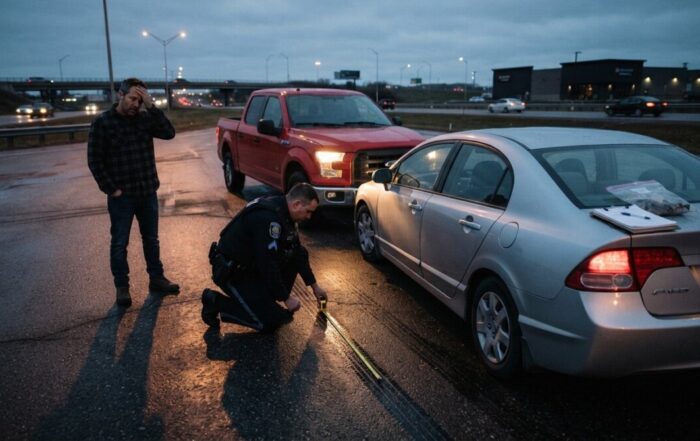
Your actions in the first 30 minutes after an accident set the foundation for your entire insurance claim. Under the new rules, documentation is not just helpful; it is often mandatory. Start by moving to a safe location if possible. Then, call the police. A police report is a powerful piece of evidence, and many insurers now require it for any claim involving injuries or significant property damage.
Next, gather information from the other driver. This includes their full name, address, phone number, driver’s license number, license plate, and insurance policy number. Do not rely on memory alone. Use your phone to take clear photos of the following:
- The damage to all vehicles from multiple angles
- The position of the cars on the road
- Any skid marks, debris, or road conditions
- The other driver’s insurance card and license
- Any visible injuries to yourself or passengers
This visual record is critical because many new insurance rules allow adjusters to make initial decisions based solely on submitted photos. If your photos are missing or unclear, the adjuster may rely on the other driver’s version of events. After gathering this evidence, write down your own account of what happened while it is still fresh. Include the time, date, weather conditions, and a brief description of how the crash occurred. Do not discuss fault with the other driver or admit responsibility at the scene, as these statements can be used against you later.
Step 2: Understand Your Policy’s Reporting Window
One of the most common pitfalls under the new insurance rules is missing the reporting deadline. Many policies now include a clause that requires you to notify your insurer within a specific number of days, often 24 to 72 hours, after an accident. This is sometimes called a “prompt notice” provision. If you fail to meet this deadline, the insurer may argue that you breached the contract and deny your claim.
To avoid this, call your insurance agent or claims department as soon as you are physically able. Do not wait until you get home or until the next day. Even if you think the damage is minor, file a report. Some injuries, like whiplash, can take days to manifest. If you wait to report the accident until you feel pain, the insurer may argue that the injury was not caused by the crash. In our guide on how to find the best car accident lawyer for insurance disputes, we explain how legal representation can help you push back against these tactics.
When you call, provide only the basic facts: the time, location, and parties involved. Do not speculate about fault or offer a detailed narrative. Stick to the information you have documented. The insurance representative will assign a claim number and tell you what information they need. Follow their instructions precisely, but keep a log of every conversation, including the date, time, and name of the person you spoke with.
Step 3: Navigating No-Fault and Fault-Based Systems
Depending on where you live, your state may operate under a no-fault or fault-based insurance system. Under the new rules, some states have adjusted their thresholds for when you can step outside the no-fault system to sue the at-fault driver. In a no-fault state, your own insurance pays for your medical expenses and lost wages up to your policy limits, regardless of who caused the crash. However, if your injuries meet a certain severity threshold (such as permanent impairment or significant disfigurement), you may be allowed to file a liability claim against the other driver.
The new rules in some states have raised these thresholds, making it harder to pursue a claim against the other party. This means that if you are seriously injured, you may need to rely more heavily on your own policy’s Personal Injury Protection (PIP) or Medical Payments (MedPay) coverage. It is essential to review your policy declarations page to understand exactly what your PIP or MedPay covers. If your limits are low, consider increasing them during your next renewal period.
In fault-based states, the new rules often focus on the standard of proof. Insurers now require more concrete evidence to assign fault. This is where your photos and police report become invaluable. If fault is disputed, the case may go to arbitration or court. For a deeper look at how to handle these complexities, see our article on navigating no-fault insurance claims with an accident lawyer, which covers strategies for both systems.
Step 4: Dealing with the Insurance Adjuster
After you file your claim, an insurance adjuster will be assigned to your case. This person’s job is to investigate the accident and determine how much the insurance company should pay. Under the new rules, adjusters often use automated systems and algorithms to evaluate claims. They may ask you to submit a recorded statement. Be very careful here. A recorded statement can be used to find inconsistencies or to get you to admit partial fault.
You are not legally required to give a recorded statement in most cases. Instead, you can provide a written statement or stick to the facts you already provided. If the adjuster pressures you, politely decline and say you will provide information in writing. The adjuster may also request access to your medical records. Do not sign a blanket medical release. Instead, provide a limited release that covers only the specific injuries related to the accident.
Another common tactic under the new rules is the use of “lowball” initial offers. Insurers know that many accident victims are desperate for money to cover medical bills or lost wages. They may offer a quick settlement that is far less than what your claim is worth. Do not accept the first offer without consulting a professional. As discussed in our resource on why you need a lawyer for insurance claims after a car accident, having legal representation can significantly increase the final payout by countering these low offers with solid evidence.
Step 5: Handling Medical Bills and Treatment
Your health should always be your top priority. However, the way you handle medical treatment after an accident can directly impact your insurance claim. New rules in many states require that you seek medical attention within a specific timeframe after the crash, often within 14 days, to be eligible for PIP or MedPay benefits. If you delay treatment, the insurer may argue that your injuries were not caused by the accident.
Go to a doctor or an emergency room immediately after the accident, even if you feel fine. Adrenaline can mask pain, and conditions like internal bleeding or concussions may not show symptoms right away. Keep all records of your visits, including diagnoses, treatment plans, and bills. Do not miss follow-up appointments, as gaps in treatment can be used to argue that your injuries are not serious.
If you do not have health insurance, the situation becomes more complicated. Some new rules allow insurers to negotiate medical bills directly with providers, which can reduce your out-of-pocket costs. However, you must still document every expense. Consider using a medical lien or letter of protection from a lawyer, which allows you to receive treatment now and pay later from your settlement. This is a common strategy used by attorneys to ensure their clients get the care they need without upfront costs.
Step 6: Calculating and Maximizing Your Damages
Understanding what you can claim is essential. Under the new insurance rules, the types of damages available may have changed. Generally, you can seek compensation for economic damages (medical bills, lost wages, property damage) and non-economic damages (pain and suffering, emotional distress). Some states have imposed new caps on non-economic damages, particularly in cases where the at-fault driver has minimal insurance coverage.
To maximize your claim, keep a detailed journal of how your injuries affect your daily life. Document every missed day of work, every activity you cannot perform, and every moment of pain or emotional struggle. This journal serves as powerful evidence when negotiating for non-economic damages. Additionally, collect all receipts for out-of-pocket expenses, such as prescription medications, transportation to medical appointments, and assistive devices.
One of the most significant changes in recent years involves the use of special damages calculators. Insurers now use software to estimate the value of your claim based on medical bills and a multiplier for pain and suffering. To get the highest multiplier, you need strong medical evidence and a clear record of treatment. A lawyer can help you present this evidence effectively. For more details on this process, read our guide on how auto accident insurance lawyers maximize your claim, which breaks down the math behind these calculations.
Frequently Asked Questions
What should I do immediately after a car accident?
First, ensure everyone is safe and call 911 if there are injuries. Exchange information with the other driver, take photos, and call the police to get a report. Notify your insurance company as soon as possible, ideally within 24 hours, to comply with prompt notice provisions.
How long do I have to report an accident to my insurance?
This depends on your policy and state laws. Many policies require notification within 24 to 72 hours. Check your policy documents or call your agent immediately after an accident to confirm your specific deadline.
Can I refuse to give a recorded statement to the insurance adjuster?
Yes, in most cases you are not required to give a recorded statement. You can provide a written statement or stick to the facts you already reported. Consult a lawyer before agreeing to any recorded interview.
What happens if I miss the deadline to report my accident?
Missing the deadline can result in a claim denial. The insurer may argue that you breached the contract by failing to provide prompt notice. If this happens, you may need to hire an attorney to appeal the decision or file a lawsuit.
Do I need a lawyer for a minor accident?
Even for minor accidents, consulting a lawyer can be beneficial if there are disputes about fault, if you have medical bills, or if the insurance company offers a low settlement. Many lawyers offer free consultations to evaluate your case.
Your Next Steps After a Crash
Navigating the new insurance rules after a car accident does not have to be a solo journey. The key is to act quickly, document everything, and never settle for less than what your claim is worth. By following the steps outlined in this guide, you can protect your rights and avoid the common traps that insurers use to minimize payouts. Remember, insurance companies are businesses focused on their bottom line. Your recovery is your priority, and you have the right to fight for full and fair compensation.
If you feel overwhelmed or uncertain about any part of the process, seeking professional legal advice can make a significant difference. A qualified attorney can handle the negotiations, deal with the paperwork, and ensure that your claim reflects the true cost of your injuries and losses. Take control of your situation today, and do not let the complexity of new insurance rules leave you with less than you deserve.

About Elira Vaughn
Recent Posts

How No Fault Insurance Systems Work: Key Facts
Learn how no fault insurance systems work and get help with your claim. Call (833) 227-7919 for a free case review.
How Comparative Negligence Laws Differ by State
Understand how comparative negligence laws differ by state and protect your settlement. Call (833) 227-7919 for a free case review.

Why State Laws Differ in Accident Cases and What That Means for You
Understand how state laws differ in accident cases and protect your claim. Call (833) 227-7919 for a free attorney referral.