
Preparing for a Social Security Disability ALJ Hearing
Preparing for a social security disability ALJ hearing starts with strong evidence and clear testimony. Call 8336321198 for a free case review today.

By Camden Roth
Receiving a hearing notice from the Social Security Administration can feel both hopeful and overwhelming. After months, sometimes years, of paperwork, denials, and appeals, your case is finally heading to an Administrative Law Judge. This hearing is often the single most important step in a disability claim, because it is usually the first time a decision-maker sees you as a person rather than a file number. Preparing for a Social Security disability ALJ hearing is not about memorizing a script. It is about organizing your medical story, understanding what the judge needs to decide, and showing up ready to answer questions clearly and honestly.
If your initial application or reconsideration was denied, you are not alone. The appeals process exists precisely because many valid claims are turned down early. In our guide on why a Social Security disability claim is denied, we explain how missing records, weak medical evidence, and simple filing errors can derail a case before a judge ever sees it. By the time you reach the ALJ stage, you have a real chance to correct those gaps and present a complete picture of your condition.
Understand What the ALJ Hearing Is Really About
An Administrative Law Judge works for the Social Security Administration, but the judge is not there to rubber-stamp a denial. The judge reviews your file, listens to your testimony, questions vocational and medical experts when they are present, and then issues a written decision. The central question is whether you meet the Social Security Administration's definition of disability: a medically determinable impairment that has lasted or is expected to last at least twelve months and prevents you from performing substantial gainful activity.
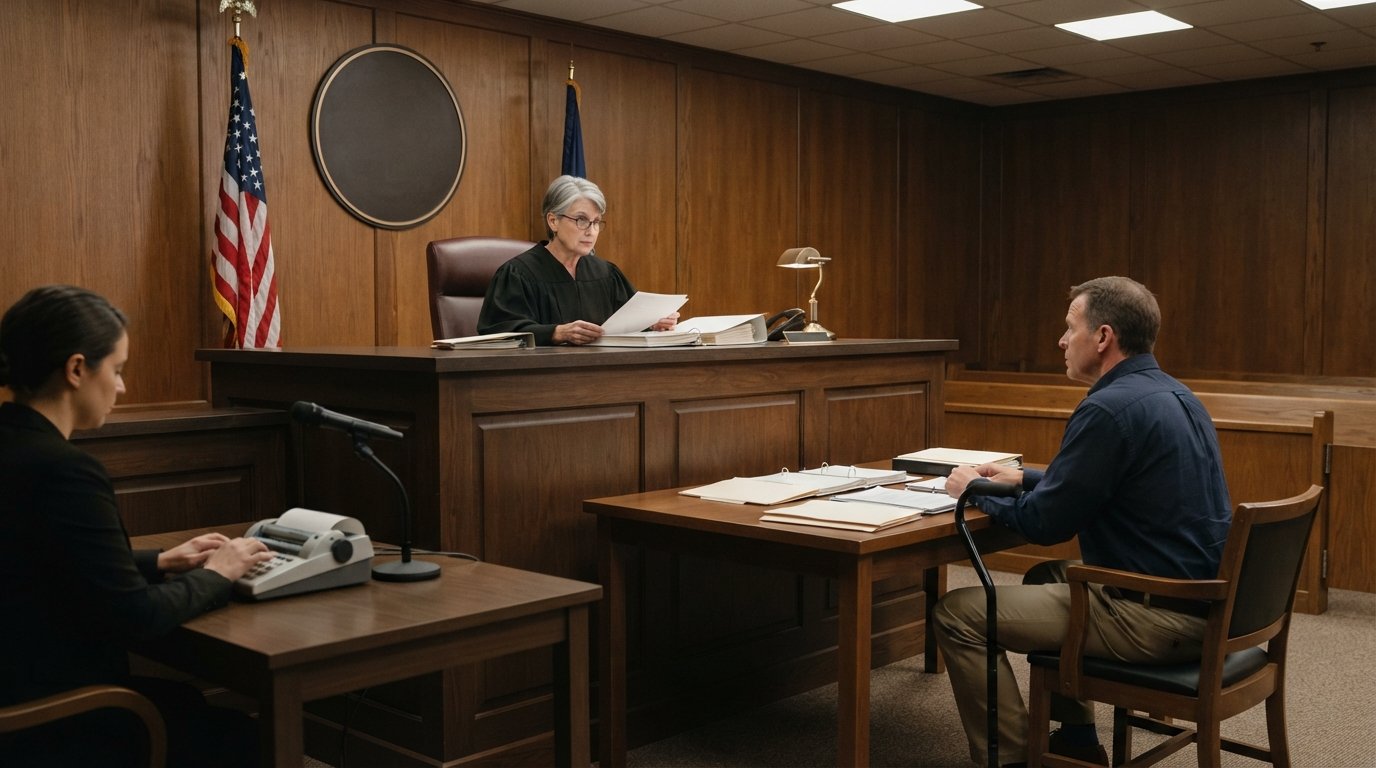
Most hearings are relatively informal compared to a courtroom trial. There is usually no jury, no opposing attorney cross-examining you, and no formal swearing-in drama. Hearings often happen by phone or video, though in-person hearings are still available in some locations. You may attend alone, bring a representative, or have an attorney speak for you. What matters most is that the judge gathers enough evidence to decide whether your limitations prevent full-time work at any job that exists in significant numbers in the national economy.
Because the judge decides both medical and vocational questions, your preparation should cover two tracks. First, your medical record must clearly document your diagnoses, symptoms, treatments, and functional limits. Second, you should be ready to explain, in plain language, how your condition affects a typical day, what you can and cannot do, and why your symptoms would make consistent work impossible. Judges appreciate specificity, so vague statements like "I hurt all the time" carry far less weight than concrete examples about lifting, sitting, standing, concentrating, or interacting with others.
Gather and Review Your Medical Evidence
The strongest disability cases are built on records, not on memories. Before the hearing, request copies of your medical files from every treating provider: primary care doctors, specialists, hospitals, therapists, and clinics. Check that the records cover the full period since your alleged onset date, because gaps in treatment can raise questions about severity. If you have new treatment, imaging, or test results since you filed your appeal, make sure those documents reach the Social Security Administration well before the hearing date.
You should also review your own file, including the disability report, function report, and any consultative examination reports. Look for errors, outdated information, or statements that no longer reflect your condition. If something is wrong, tell your representative or the hearing office promptly. Judges rely heavily on the exhibit file, so a clean, complete, and current record makes their job easier and your case stronger.
When you review your records, pay attention to how your doctors describe your limitations. A note that says "patient reports difficulty standing" is helpful, but a note that documents reduced range of motion, positive straight-leg raises, or prescribed assistive devices can be more persuasive. If your treating doctor has never written a formal opinion about your ability to work, ask whether they would be willing to complete a residual functional capacity questionnaire or write a brief letter. Such statements are not guarantees, but they give the judge a medical professional's view of your functional capacity.
Prepare Your Testimony With Honest, Specific Answers
Your testimony is your opportunity to humanize the medical file. The judge will likely ask about your symptoms, your daily activities, your treatment history, and why you believe you cannot work. Answer truthfully, but do not minimize your problems out of pride or a desire to seem tough. If you can only sit for twenty minutes before needing to lie down, say so. If you lose track of instructions or become confused after a short conversation, explain that as well.
Practice describing a typical day from morning to night. Include the times you wake, how long it takes to get ready, whether you need help with chores or meals, how often you rest, and what activities you have given up. This kind of narrative gives the judge a concrete sense of your functional limits. It also helps counter the assumption that anyone who can do light housework or drive short distances can hold a full-time job.
Be ready for questions about your work history, education, and skills. The judge or a vocational expert may ask whether any past job could be performed with your current limitations. You do not need to know vocational rules, but you should be able to explain the physical and mental demands of your past work. If you had accommodations or missed many days, mention that. Consistency matters: if your testimony conflicts with your medical records or earlier reports, be prepared to explain why, without becoming defensive.
Decide Whether to Bring Representation
You have the right to attend an ALJ hearing without an attorney or representative. Some claimants do this successfully, especially when the medical record is strong and the issues are straightforward. However, disability law and Social Security regulations are complex, and hearings often involve vocational experts, medical experts, and detailed questions about residual functional capacity. A representative can review the file, gather missing evidence, prepare you for testimony, question witnesses, and make closing arguments.
If you decide to seek help, look for an attorney or accredited representative who regularly handles Social Security disability cases. Many work on a contingency basis, meaning they are paid only if you win, and their fee is typically capped by the Social Security Administration. Before the hearing, your representative should explain the process, tell you what to expect, and review your testimony with you. If you cannot afford representation, legal aid organizations and disability advocacy groups may offer free or low-cost assistance.
Even if you attend alone, you can still prepare thoroughly. Bring a written list of your medications, providers, and symptoms, along with a short summary of your daily limitations. You are allowed to refer to notes during the hearing. The key is to stay calm, listen carefully to each question, and answer only what is asked, without guessing or volunteering information that could be misconstrued.
Know What Happens After the Hearing
After the hearing, the judge will issue a written decision, usually several weeks to a few months later. If the decision is fully favorable, you will receive a notice explaining your benefits, including back pay and any ongoing monthly payments. If the decision is unfavorable, you may have options such as appealing to the Appeals Council or filing a new application, depending on your situation. If the judge needs more evidence, the case may be held open for a short period so you can submit additional records.
Win or lose, it helps to understand the reasoning in the decision. The judge will explain which impairments were found, how they affect your ability to work, and why the evidence did or did not support disability. That explanation can guide any further appeal and can also help you and your doctors strengthen future documentation. Disability cases are rarely won by luck. They are won by careful preparation, complete records, and clear testimony that matches the medical evidence.
If you are still deciding how to move forward, remember that you do not have to navigate the system alone. Platforms like FormsByLawyers connect people facing legal challenges with third-party legal professionals who can help with Social Security and disability matters, as well as personal injury, bankruptcy, and other civil issues. Whether you hire a representative or prepare on your own, the goal is the same: give the judge a complete, credible, and consistent picture of why your condition prevents you from working.
Preparing for a Social Security disability ALJ hearing takes time, patience, and attention to detail, but it is one of the most meaningful steps you can take in your case. Organize your records, practice your testimony, and treat every question as a chance to explain your limitations clearly. With solid preparation, you can walk into the hearing ready to present your story and let the evidence speak for itself.