
Renters Insurance Claim Denied After a Burglary: Next Steps
A burglary denial is not final. Learn why theft claims fail and how to appeal. Call (833)-632-1198 for a free case review and protect your recovery.

By Stefan Lively
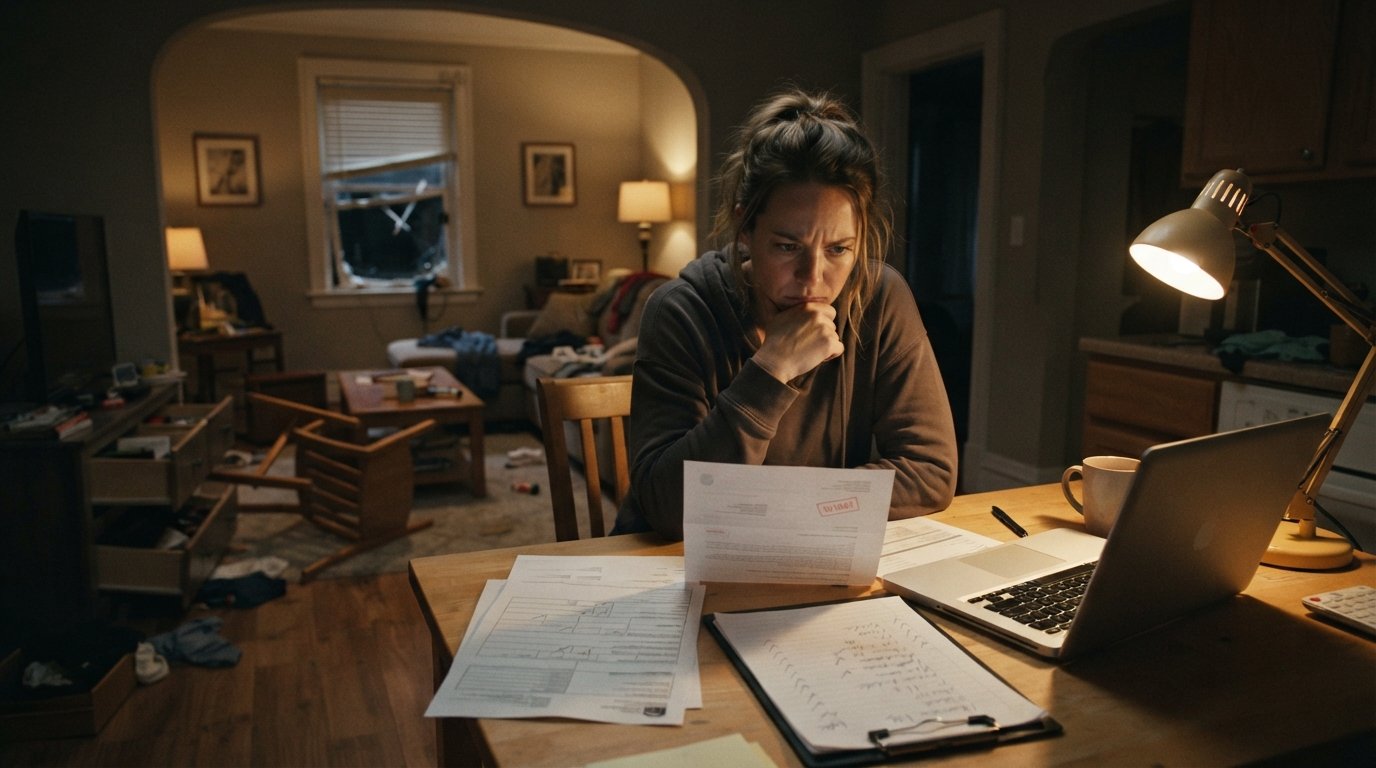
Coming home to a ransacked apartment is a violation that lingers long after the police report is filed. You file a renters insurance claim expecting help to replace what was taken, then a denial letter arrives. The shock of a denial after a burglary can feel as bad as the break-in itself. You are not alone. Insurers deny a significant share of property claims, and theft-related claims trigger extra scrutiny. The good news is that a denial is not always final. Many renters successfully overturn denials by understanding why the claim failed, gathering stronger proof, and following the policy's dispute process. This guide explains the common reasons a renters insurance claim gets denied after a burglary, how to document stolen items, how to handle deadlines for proof of loss, and what options exist if the insurer will not budge, including appraisal, mediation, and bad faith claims.
Why Renters Insurance Claims Get Denied After a Burglary
Insurance companies do not deny theft claims randomly. A denial usually traces back to a specific policy provision, a documentation gap, or a suspicion that the loss does not match the policy terms. Understanding the insurer's perspective helps you build a stronger response. Adjusters look for consistency between your initial report, the police report, and the proof of loss. They also compare your claim to your policy's coverage limits and exclusions. When something does not line up, the file gets flagged.
One of the most common triggers is insufficient proof of ownership. If you claim a stolen laptop, television, or engagement ring but cannot show that you owned it, the insurer may deny that portion of the claim. Receipts, bank statements, credit card records, photos, and warranty cards all help. Without them, the adjuster has little basis to value the loss. Another frequent issue is a coverage limit or exclusion that the renter did not know existed. Cash, jewelry, firearms, and collectibles often carry sublimits that are far lower than the overall personal property limit. Roommates can also complicate claims because a standard renters policy covers the named insured and resident relatives, not unrelated roommates. If your roommate's belongings were stolen and they are not on the policy, the insurer may deny that part of the claim.
Deadlines matter as well. Most policies require a prompt notice of loss and a sworn proof of loss statement within a set window, often 60 days. Missing that deadline gives the insurer grounds to deny or reduce the claim. Late reporting can also raise suspicion. Finally, claims get denied when the insurer believes the loss falls under an exclusion, such as theft by a household member, business property, or items stolen from a vehicle. Review your policy's declarations page and exclusions before you respond to a denial.
Proving Ownership of Stolen Items
Proof of ownership is the backbone of a theft claim. When you submit a claim, the insurer wants to see that the items existed, that you owned them, and that they were located in the apartment at the time of the burglary. The more independent the evidence, the stronger your position. Start by pulling together any records that show purchase history. Bank and credit card statements, order confirmations, and receipts are powerful because they come from third parties. Photographs and videos of your apartment are equally valuable. A photo of your living room showing the television, game console, and furniture helps establish what was there before the break-in. Home inventory apps and cloud backups make this easier, but even social media posts and old text messages can help.
If you do not have receipts, you can still build a credible record. Create a detailed inventory of stolen items that includes make, model, serial number, purchase date, purchase price, and replacement cost. Serial numbers are especially helpful because they can be matched to police reports and pawn shop databases. For high-value items like jewelry, include appraisal documents, certificates, or insurance riders. If you inherited an item or received it as a gift, a written statement from the person who gave it to you can add support. The goal is to give the adjuster enough independent evidence that denying the claim becomes harder than approving it.
Policy Exclusions for Roommates, Cash, and High-Value Items
Many renters are surprised to learn that their policy does not cover everything they assumed. Standard renters insurance covers personal property, liability, and additional living expenses, but it comes with exclusions and sublimits. Unrelated roommates are a common gap. A renters policy typically covers the named insured, a spouse, and resident relatives. If you share an apartment with a friend and that friend is not listed on the policy, their belongings may not be covered. Some insurers allow you to add a roommate as an insured, but many do not. If your roommate's items were stolen, they may need their own renters policy to file a claim.
Cash is another frequent denial point. Most policies cap cash coverage at a few hundred dollars, and some exclude cash entirely. If you claimed a large amount of cash, expect the insurer to apply the sublimit or deny that portion. High-value items like jewelry, watches, furs, silverware, firearms, and collectibles often carry sublimits of $1,000 to $2,500. If your stolen ring was worth $8,000 and you did not schedule it on the policy, the insurer may pay only the sublimit. Business property is also commonly excluded. If you run a business from home and a work laptop or inventory was stolen, the claim may be denied unless you added a business endorsement. Review your policy's exclusions and sublimits carefully, because a denial often reflects a coverage gap rather than a total lack of coverage.
Deadlines for Filing a Proof of Loss Statement
After a burglary, you must act quickly. Most policies require you to notify the insurer promptly, and many require a sworn proof of loss statement within a specific period, often 60 days from the date of loss. The proof of loss is a formal document that lists each stolen item, its value, and supporting documentation. Missing the deadline can give the insurer a valid reason to deny the claim, even if the loss was genuine. If you received a denial letter citing a missed deadline, check your policy language and your correspondence. Sometimes the insurer's own delays contributed to the missed deadline, which can strengthen your appeal.
If you are still within the deadline, submit your proof of loss as soon as possible. Use a detailed inventory and attach copies of receipts, photos, and police reports. Keep a copy of everything you send and note the date and method of delivery. If you need more time, request an extension in writing before the deadline passes. Insurers are more willing to work with policyholders who communicate proactively. If the deadline has already passed, do not assume the claim is dead. You can still appeal, explain the reason for the delay, and provide the missing documentation. Some insurers will reconsider if the delay was reasonable and the evidence is strong.
Documentation also plays a role in how insurers evaluate the claim. Modern carriers increasingly use analytics and automation to flag inconsistencies, so a clean, consistent record matters more than ever. If you want to understand how technology affects claim reviews, our guide on how AI is used in insurance claim processing explains the tools insurers use and how to avoid red flags.
Appraisal, Mediation, and Bad Faith Options
If your appeal is denied or the insurer makes an unreasonably low offer, you have options beyond simply accepting the decision. The first step is usually a formal appeal or reconsideration request. Write a clear letter that references your policy, the denial reason, and the evidence that contradicts it. Attach the documentation and ask for a supervisor review. If that fails, check whether your policy includes an appraisal clause. Appraisal is a dispute resolution process where you and the insurer each hire an independent appraiser, and the appraisers select an umpire if they disagree. Appraisal can resolve valuation disputes without litigation, but it does not resolve coverage disputes about whether an item is covered at all.
Mediation is another option. Some policies or state programs offer mediation for claim disputes. Mediation is less formal than arbitration or litigation and can be faster and cheaper. If mediation fails, you may consider filing a complaint with your state's department of insurance. Regulators track patterns of improper denials and can pressure insurers to reconsider. Finally, bad faith is a legal claim that an insurer denied or delayed a valid claim without a reasonable basis. Bad faith laws vary by state, and proving bad faith requires evidence that the insurer acted unreasonably. If you believe your denial was in bad faith, consult an attorney who handles insurance disputes. A demand letter from a lawyer often prompts a fresh review.
For renters dealing with related legal issues, such as a car accident or an injury claim, resources like CarInjuryAccident connect individuals with attorneys who handle personal injury, bankruptcy, DUI, and other civil matters. If your burglary claim overlaps with a personal injury or liability dispute, having the right legal contact can make a difference.
How to Strengthen a Resubmitted Claim
A resubmitted claim is your chance to fix the gaps that led to the denial. Start by reading the denial letter line by line. Identify each reason the insurer gave and address it directly. If the denial cited missing proof of ownership, attach receipts, photos, and statements. If it cited a policy exclusion, explain why the exclusion does not apply or provide evidence that the item falls within coverage. If it cited a missed deadline, explain the delay and provide the missing documents. Do not simply resubmit the same claim without changes. The insurer will likely deny it again.
Organize your resubmission like a case file. Include a cover letter that summarizes the loss, the denial reason, and the new evidence. Number your documents and refer to them in the letter. Keep your inventory consistent with your original report, and explain any discrepancies before the insurer asks. If you have new evidence, such as a pawn shop record or a police update, include it. If your roommate's items were part of the claim, clarify who owned what and whether they have their own coverage. If you add a scheduled rider for high-value items now, note that it applies going forward, not retroactively.
Finally, consider getting help. A public adjuster or an insurance attorney can review your claim and communicate with the insurer on your behalf. You can also request a free case review through a legal referral platform to understand your options. For many renters, the most effective strategy is a well-documented appeal combined with persistence. Insurers respond to organized, evidence-based requests, and a denial after a burglary is often reversible when the policyholder takes the time to build a stronger record.
A burglary is traumatic, and a denied claim adds financial strain to an already difficult situation. But a denial is a decision point, not a dead end. By understanding why claims fail, proving ownership, watching deadlines, and using the dispute options available, you can push back effectively and improve your chances of recovering what you lost.