
Social Media and Accident Claims: The Hidden Risk
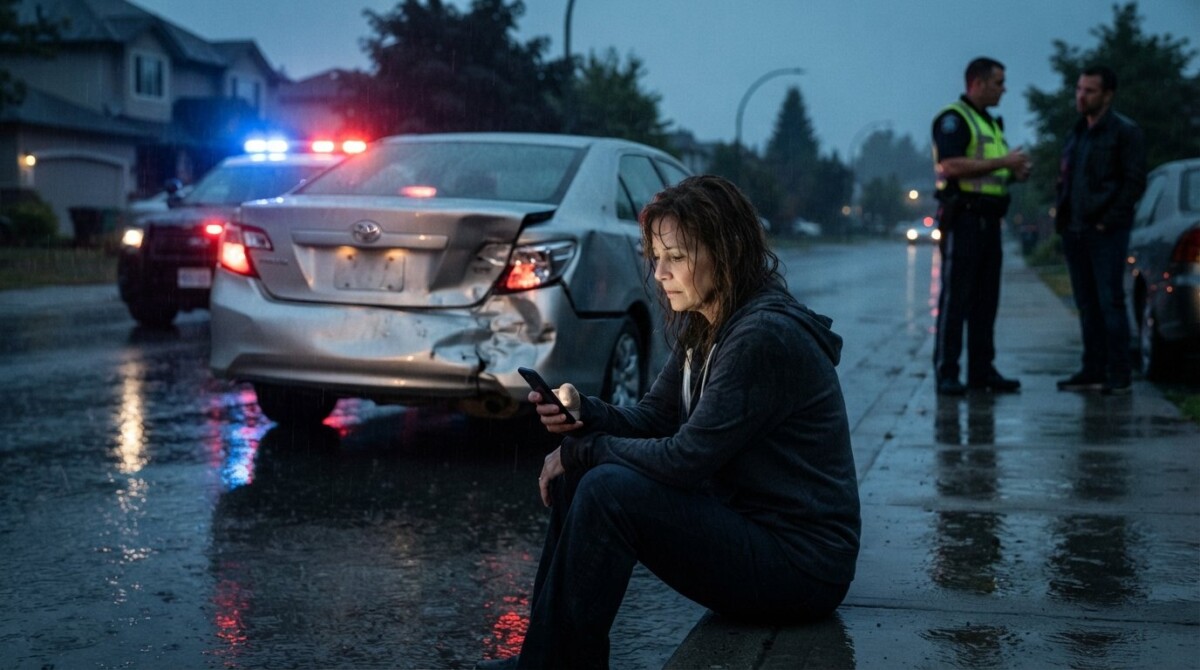
You just survived a car crash. You are shaken, sore, and maybe a little relieved that you walked away. In that haze of adrenaline, many people do something instinctive: they pull out their phone and post about it. A quick photo of the dented bumper, a caption about the unfair driver, or even a check-in at the emergency room can feel like a way to process the event. But here is the hard truth: that post can cost you thousands of dollars. Insurance companies have dedicated teams that scour social media to find reasons to deny or reduce payouts. Understanding how social media affects accident claims is not just a legal tip; it is a financial necessity.
Your digital footprint becomes evidence the moment an accident happens. What you say, what others tag you in, and even what you like can be used against you. This article explains the specific ways your online activity can jeopardize your case, the legal boundaries of what insurers can access, and the practical steps you must take to protect your recovery. Whether you are filing a claim against another driver or seeking compensation for a defective product, your social media habits are now part of the legal record.
Why Insurers Monitor Your Social Media Accounts
Insurance adjusters are not your friends. Their goal is to minimize the amount the company pays out. To do that, they look for inconsistencies between your claimed injuries and your documented life. Suppose you tell your doctor and the claim forms that you suffer from debilitating back pain. If you then post a video of yourself at a theme park or lifting a heavy box into your trunk, that is a goldmine for the adjuster. They will use that footage to argue that your injuries are exaggerated or even fabricated.
Even innocent posts can be twisted. A photo of you smiling at a family gathering might be presented as proof that you are not suffering emotional distress. A status update about going for a walk could be interpreted as contradicting a claim of limited mobility. The adjuster does not know the context, and they do not care. They are building a narrative to devalue your claim. This is precisely how social media affects accident claims: it turns your private life into public ammunition.
How Social Media Affects Accident Claims: The Key Mechanisms
To truly grasp the risk, you must understand the specific methods used to undermine your case. It is rarely a single post that destroys a claim. Instead, it is the accumulation of evidence that paints you as less injured or less credible than you claim to be.
- Contradiction of Physical Limitations: Posting photos or videos of physical activity that contradicts your stated medical restrictions.
- Discrediting Emotional Distress: Sharing content that shows you socializing and having fun, which undermines claims of depression or anxiety.
- Status Updates as Timelines: Using the timestamps of your posts to prove you were active when you claimed you were bedridden.
- Location Check-Ins: Proving you visited a gym or a hiking trail when you said you could barely leave the house.
Each of these actions provides a concrete data point that a defense attorney can use during settlement negotiations or in court. In our detailed guide on how mass accident claims are handled legally in 2026, we emphasize that evidence integrity is the cornerstone of valuation. A single contradictory post can reduce your settlement offer by tens of thousands of dollars because it destroys your negotiating leverage.
The Privacy Illusion: What You Think Is Private
Many people believe that strict privacy settings protect them. They set their profiles to “Friends Only” and assume they are safe. This is a dangerous misconception. Privacy settings do not create a legal shield. They create a technical barrier that is often easily bypassed through legal discovery. If a lawsuit is filed, your attorney will likely advise you that the opposing party can request copies of your social media posts through a process called discovery.
Courts are increasingly siding with defendants who argue that social media content is relevant to the case. Even if a post is deleted, forensic experts can often recover the data from your device or from the servers of the social media platform. Furthermore, friends and family members can be subpoenaed, and their posts about you are fair game. If a friend tags you in a photo of a party, that photo becomes part of the discoverable record, regardless of your privacy settings.
There is also the issue of “mutual friends.” An insurance investigator can create a fake profile, befriend your contacts, and gain access to your private posts. While this practice is ethically questionable, it is not always illegal. The only foolproof strategy is to assume that everything you post, send, or are tagged in will be seen by the insurance company. This reality is a central theme in how social media affects accident claims, and it requires a complete shift in your online behavior.
Why Jurisdiction and Case Type Matter
The location of your accident and the type of claim you file can change the rules of engagement. Some states have stricter privacy laws that limit how far insurers can dig into your history, while others allow broad access. For example, a court in one jurisdiction might rule that only posts related to physical activity are relevant, while another court might allow access to your entire direct message history. This variability is why legal guidance is critical.
Similarly, the nature of the claim matters. A straightforward rear-end collision with clear liability might not warrant a deep dive into your social media if the only question is the value of your medical bills. However, if you are claiming lost wages due to cognitive impairment, the defense will want to see evidence of your daily functioning. In complex cases, such as those involving multiple parties or product liability, the stakes are higher, and the scrutiny is more intense. Understanding how jurisdiction affects accident claim outcomes can help you anticipate the level of digital surveillance you might face.
For instance, if you were injured by a defective vehicle part, the manufacturer will not just look at your driving habits; they will look at your lifestyle to see if you used the vehicle in ways that could have caused the failure. They will look for photos of you off-roading or carrying heavy loads. This is why different case types require different levels of caution.
Specific Scenarios: Car Accidents vs. Other Claims
The way you handle social media should also be tailored to the specific type of accident. In a typical car accident case, the focus is often on the severity of your injuries. Posting a photo of your new car or a road trip shortly after the accident is a red flag. In contrast, if you are involved in a claim that involves a commercial truck, the defense team is often more aggressive because the financial exposure is higher. They have larger budgets to spend on private investigators and digital forensics.
Consider the difference between a passenger car collision and a crash involving an 18-wheeler. In our article on why truck accident claims differ from car accident cases, we note that trucking companies have strict litigation protocols. They will often review your social media history going back years, not just to the date of the accident. They want to see if you have a history of reckless behavior or if you have complained about chronic pain before the crash, which would suggest your current injuries are pre-existing.
For those who suffer injuries in non-vehicle accidents, such as a slip and fall or a bicycle crash, the principles remain the same. However, the timeline of recovery is often different. Bicycle accidents frequently result in severe orthopedic injuries that require months of rehabilitation. If you post a photo of yourself on a stationary bike at the gym during that recovery period, the defense will argue that you are capable of more than you claim. As detailed in our guide on how bicycle accident claims are handled step by step, documenting your recovery honestly is crucial, but broadcasting it on social media is reckless.
A Practical Social Media Blackout Strategy
The most effective way to protect your claim is to go dark. This does not mean you have to delete your accounts, but it does mean you must stop posting, commenting, and tagging immediately after the accident. This blackout should last until your case is completely settled or until your attorney explicitly gives you the green light. This period can last months or even years if the case goes to court.
During this time, you must also avoid indirect posting. Ask your friends and family not to tag you in anything. If someone else posts a photo of you, ask them to remove it immediately. Do not check in to locations, do not update your profile picture, and do not change your relationship status. Even a seemingly benign update like “Finally home from the hospital, feeling better” can be twisted to mean you are healed and ready to work.
If you must communicate with loved ones, use a private messaging app or the phone. The urge to share your frustration or your recovery progress is natural, but the risk is simply too high. When you are tempted to post, remember that insurance adjusters are trained to misinterpret context. They will take your words and use them against you in a deposition. Silence is your best defense.
What To Do If The Damage Is Already Done
Have you already posted something that could be problematic? Do not panic, but do act quickly. First, do not delete the post without consulting your attorney. Deleting evidence can be considered spoliation, which is the destruction of evidence relevant to a lawsuit. If the defense discovers you deleted a post, they can request severe sanctions, including a default judgment against you. Instead, preserve the evidence. Take a screenshot of the post, including the timestamp and any comments. Send this screenshot to your lawyer.
Your attorney can then craft a narrative to explain the post. Perhaps you were at a family event but stayed seated the entire time. Perhaps the photo of you smiling was taken minutes after you cried in pain. Context can be provided through witness statements and medical records. The key is to be proactive. Do not wait for the insurance company to bring it up during your deposition. Address it head-on with your legal team so they can prepare a response.
Frequently Asked Questions
Can an insurance company legally look at my private Facebook page?
Yes, in most cases. If your case goes to litigation, the defense can file a discovery request asking for your social media records. Courts generally grant these requests if the content is relevant to your claims of injury or damages. Your privacy settings do not protect you from a court order.
Should I deactivate my social media accounts during my claim?
Deactivating is safer than posting, but it is not without risks. If the defense has already collected evidence, deactivating might look like you are hiding something. The safest approach is to leave your accounts active but stop all new activity. Do not post, do not comment, and do not accept new friend requests.
Can my friends’ posts about me be used against me?
Absolutely. If a friend posts a photo of you at a bar or a concert, that photo is discoverable if it is relevant to your claim. You should ask your close friends and family to avoid posting about you entirely until the case is resolved.
What if I posted something before the accident that makes me look bad?
Pre-accident posts can be used to establish a baseline of your health and activity level. If you posted photos of yourself skydiving before the accident, the defense might argue that you are an adrenaline junkie, but they cannot argue that you injured your back skydiving if the accident caused it. However, these posts can still be used to question your credibility if you claim you have been sedentary for years due to an old injury.
Navigating these issues requires professional guidance. A referral service like LawyerOffer can connect you with an attorney who understands the nuances of digital evidence and can build a protective strategy around your case.
Your digital life is an open book to insurance companies. The moment you file a claim, every post, photo, and comment becomes a potential exhibit. The best way to ensure that you receive the compensation you deserve is to control the narrative. Shut down your social media activity, preserve your evidence, and consult with a legal professional who can shield you from these invasive tactics. Do not let a careless post undermine the justice you are entitled to.

About Winston Greer
Recent Posts
Building a Legal Strategy for Injury Claims That Wins
Learn how legal strategy is built for injury claims to maximize your recovery. Call (833) 227-7919 for a free consultation with a trusted attorney.

Attorney Client Privilege in Accident Cases: What to Know
Learn how attorney client privilege works in accident cases and protect your claim. Call (833) 227-7919 to find a qualified lawyer.

Documenting Settlement Negotiations: A Legal Guide
Discover how settlement negotiations are documented to protect your claim. Get expert legal help by calling (833) 227-7919 today.