
Staged Car Accidents: 8 Red Flags Insurers Use
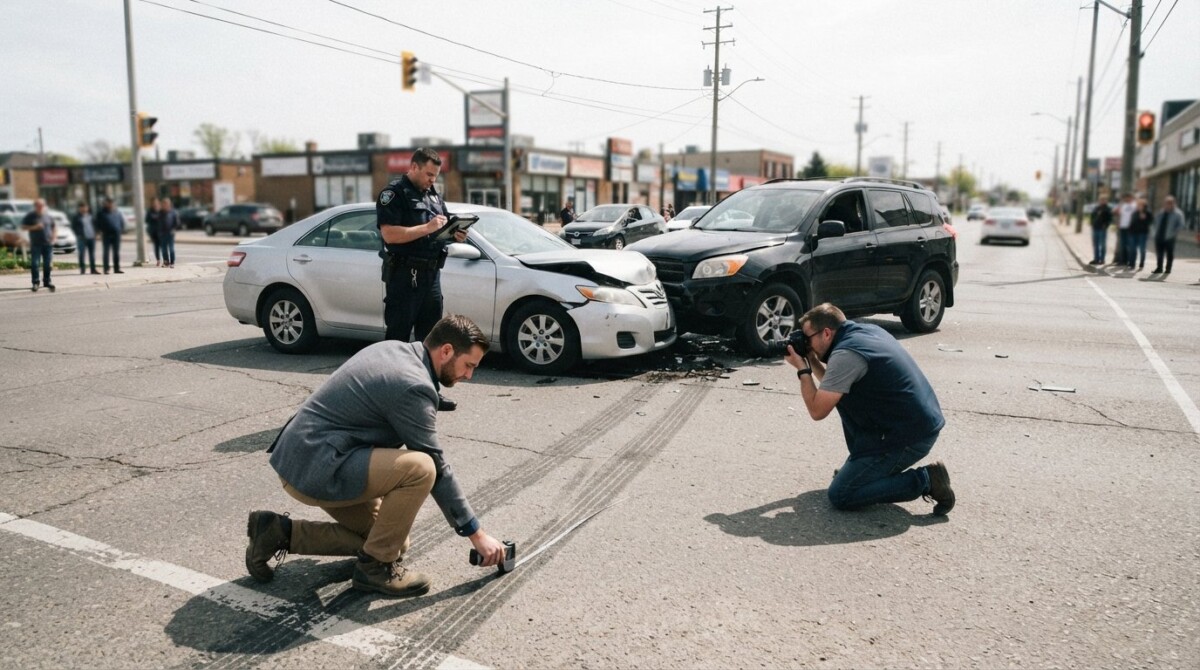
Staged car accidents are not a victimless crime. They inflate premiums for honest drivers, cost insurers billions annually, and create real safety hazards on the road. While the public often focuses on the fraudsters themselves, the real battlefield is the claims department. Insurers have developed sophisticated methods to sniff out these scams before a single dollar is paid out. Understanding how insurance companies detect staged accidents is crucial for legitimate claimants who fear being unfairly lumped in with fraudsters, and for anyone who wants to protect themselves from being a pawn in someone else’s scheme.
These detection methods go far beyond a simple gut feeling. Modern claims handling involves a blend of data analytics, forensic investigation, and behavioral psychology. Insurers look for patterns in the chaos of a collision report. They analyze the physics of the impact, the consistency of witness statements, and the timing of medical treatment. For a policyholder, knowing these triggers can mean the difference between a smooth settlement and a lengthy, invasive investigation. If you are facing a denied claim or an accusation of fraud, understanding these tactics is your first line of defense.
The Role of Data Analytics in Fraud Detection
The insurance industry has moved into the era of big data. Years ago, adjusters relied on instinct and local knowledge. Today, sophisticated algorithms flag claims that fit a known fraud profile. These systems analyze thousands of data points in seconds, comparing your claim against a database of historical claims and known fraud rings.
This process, often called predictive modeling, assigns a risk score to every claim. A high score automatically triggers a deeper investigation. The system looks for correlations that a human might miss, such as a specific body shop appearing in multiple claims in the same neighborhood, or a network of passengers who seem to be involved in a disproportionate number of accidents. This is not about profiling individuals based on race or income; it is about identifying behavioral patterns that statistically align with fraudulent activity.
Specifically, data analytics flags several key indicators. These are not definitive proof of fraud, but they are strong signals that warrant a closer look.
- Claim Frequency: A single policyholder or address with multiple accidents in a short period is a major red flag.
- Delay in Reporting: A claim reported days or weeks after the alleged incident often suggests time was needed to coordinate a story.
- Consistent Injury Claims: Claims that all involve the same type of injury (like whiplash) from the same attorney or medical clinic.
- Vehicle History: A vehicle that is recently purchased, has a salvage title, or is frequently involved in collisions.
Once a claim is flagged, the adjuster does not immediately deny it. Instead, they use the data as a roadmap for their physical investigation. They might pull traffic camera footage, check cell phone records, or look for social media posts that contradict the injury claim. This data-driven approach allows insurers to allocate their investigative resources efficiently, focusing on the claims most likely to be fraudulent rather than wasting time on honest policyholders.
Physical Evidence and Vehicle Forensics
While data provides the initial suspicion, physical evidence is the cornerstone of any fraud investigation. The way vehicles are damaged tells a story that is difficult to fake. In a genuine accident, damage patterns are chaotic and often specific to the angle and speed of impact. In a staged accident, the damage often looks ‘too perfect’ or matches a specific script.
Adjusters and accident reconstruction experts look for several telltale signs. They examine the position of the vehicles post-collision, the condition of the tires (are they freshly painted or worn?), and the presence of debris. In a staged ‘swoop and squat’ scenario, where a vehicle cuts off another to force a rear-end collision, the brakes are often not applied. The absence of skid marks can be a major indicator that the collision was intentional.
Furthermore, forensic examination of the vehicles themselves can reveal pre-existing damage. An investigator might find evidence of old repairs, rust in the crumple zones, or damage that does not align with the described impact. For example, if a claimant says they were rear-ended, but the damage shows a clear side-impact pattern, the story falls apart. In some sophisticated rings, fraudsters use ‘stunt cars’ that are already heavily damaged, making the potential payout far exceed the value of the vehicle.
Medical Record Scrutiny and ‘Jump-In’ Passengers
A significant portion of a claim’s value lies in medical expenses and pain and suffering. This is where fraudsters often overreach. Insurers have become incredibly adept at reviewing medical records for inconsistencies. They look for a sudden escalation in treatment, a diagnosis of a chronic condition that was never previously reported, or a direct correlation between the accident and a pre-existing injury.
The ‘jump-in’ passenger is a classic red flag. This occurs when individuals who were not in the vehicle at the time of the accident suddenly appear on the claim, seeking compensation for injuries. Insurers verify occupancy through witness statements, police reports, and even surveillance. If an insured driver claims to have had four passengers, but a nearby business’s security camera shows only the driver exiting the vehicle, the claim is immediately suspicious.
Additionally, insurers are on the lookout for ‘medical mills’ or clinics that collaborate with fraud rings. These clinics provide unnecessary treatment to generate massive bills, which are then submitted to the insurer. The adjuster will look for a pattern of referrals to the same chiropractor or physical therapist, especially if the treatment plan seems excessive for the reported injuries. This is why it is absolutely vital for legitimate accident victims to maintain consistent medical records and be honest about their symptoms from the very first visit.
Behavioral Indicators and Surveillance
Beyond the physical evidence, insurers pay close attention to human behavior. Claims investigators are trained to spot inconsistencies in statements and demeanor. If a claimant provides a story that is too rehearsed, or if their recollection of events changes between the initial police report and a later interview, it raises a red flag. They also look for a lack of genuine emotional distress, which is common in real accidents but hard to fake for seasoned fraudsters.
Surveillance is a powerful tool in the investigator’s arsenal. If a claimant states they have a debilitating back injury that prevents them from working, the insurer may hire a private investigator to watch them. A video of that same claimant lifting heavy boxes, playing sports, or moving furniture completely undermines their credibility. This tactic is not just for fraud cases; it is used to verify the severity of legitimate injuries as well. In our guide on how insurance companies track claimant behavior, we explain the extent of these surveillance operations.
Investigators also analyze social media profiles. A claimant who posts photos of a hiking trip or a dance party while claiming to be bedridden will likely face a swift denial. This digital footprint is often the easiest evidence for an adjuster to obtain. It is a stark reminder that in the digital age, your online persona is often as important as your physical testimony when it comes to insurance claims.
The ‘Crash for Cash’ Schemes and Organized Rings
While individual fraud exists, the most costly and dangerous form is the organized ‘crash for cash’ ring. These operations are sophisticated criminal enterprises that recruit participants, use stolen or cheap vehicles, and often target innocent motorists. They are not just committing insurance fraud; they are committing assault and battery against unsuspecting drivers.
These rings are the primary reason why how insurance companies detect staged accidents has become a top priority for the industry. The schemes are often complex, involving multiple vehicles and even staged ‘witnesses’ who corroborate the false story. To combat this, insurers collaborate with local law enforcement and use specialized anti-fraud units. They share intelligence on known offenders and use license plate readers (LPR) to track vehicles associated with fraud rings.
One common tactic is the ‘wave-in’ or ‘drive-down,’ where a fraudster waves an innocent driver into traffic, then deliberately accelerates into them to cause a collision. Another is the ‘panic stop,’ where a fraudster slams on their brakes for no reason, causing the innocent driver behind to rear-end them. In these scenarios, the fraudster will often claim that the innocent driver was speeding or following too closely. This is where the physical evidence, such as the lack of skid marks or the specific damage pattern, becomes vital to proving the true sequence of events.
What To Do If You Are Accused of Fraud
Being accused of insurance fraud is a terrifying experience, especially if you are a legitimate victim. The accusation alone can tarnish your reputation and lead to policy cancellation or even legal trouble. However, an accusation is not a conviction. If you find yourself in this situation, it is critical to remain calm and act deliberately.
First, do not speak to the insurance company without legal counsel. Anything you say can be twisted and used against you. Second, hire an attorney who specializes in insurance bad faith or personal injury defense. They understand the tactics used by insurers and can protect your rights. It is also essential to hire an independent accident reconstructionist to review the physical evidence. Their expert analysis can often counter the insurer’s narrative.
Finally, be prepared for a lengthy process. Insurers rarely back down quickly when they suspect fraud. They are betting that you will give up or settle for less than you deserve. Your attorney can help you navigate this complex landscape, ensuring that your side of the story is heard. If your claim has been wrongfully denied, you may have a cause of action against the insurer for breach of contract or bad faith. As noted in our analysis of why insurance companies take cases to trial, they are often willing to fight to set a precedent and deter other fraudulent claims.
How to Protect Yourself From Being a Victim
Your best defense against being caught in a staged accident is defensive driving. Maintaining a safe following distance gives you time to react to sudden stops. Being aware of your surroundings, especially in high-risk areas like highway ramps and busy intersections, is essential. If you see a car behaving erratically, such as swerving or braking unexpectedly, give them plenty of space.
If an accident does occur, take immediate steps to protect yourself. Photograph the scene, the vehicles, and the license plates. Look for potential witnesses and get their contact information. Do not admit fault, even if you think you might be responsible. Call the police and ensure a report is filed. This report is an unbiased record of the event and is critical for your insurance claim.
In the days following the accident, be vigilant. Fraudsters often wait to report injuries until after they have left the scene. If you suspect the accident was staged, tell the police officer on the scene. Your instinct could save you thousands of dollars and years of headaches. Insurers also look at the other party’s claim history; if they have a pattern of accidents, it supports your version of events. For a deeper look into the negotiation process after a legitimate accident, see our piece on how insurance companies negotiate between each other.
Frequently Asked Questions
What happens during an insurance fraud investigation?
An investigator will review your claim, your medical records, the police report, and the physical damage to your vehicle. They may take a recorded statement from you, interview witnesses, and conduct surveillance. The process can take several weeks or months, depending on the complexity of the case.
Can a legitimate claim be denied for suspected fraud?
Yes, an insurer can deny a claim if they have a reasonable basis to suspect fraud. However, they must have evidence to support this belief. If you believe your claim was denied unfairly, you have the right to dispute the decision and may file a lawsuit for bad faith.
Is it illegal to have a lawyer call me after an accident?
No, it is not illegal. However, be wary of attorneys or medical professionals who approach you unsolicited at the scene of an accident. This is often a sign of a fraudulent scheme, and they may be trying to steer you toward inflated medical treatment or a lawsuit. Always do your own research and choose a reputable attorney if you need one.
What is the most common type of staged accident?
The rear-end collision is the most common. It is easy to stage, difficult to disprove without strong evidence, and often results in soft-tissue injuries that are hard to objectively verify. The ‘swoop and squat’ and ‘panic stop’ are variations of this scheme.
Understanding the mechanics of these investigations is your best defense. If you have been in an accident and are concerned about how your claim is being handled, it is wise to consult with a professional. A thorough understanding of the investigative process can help you avoid common pitfalls and ensure your legitimate claim is not dismissed. For more details on what to expect, you can review how insurers investigate injury claims in general.
Ultimately, the system relies on a delicate balance between catching criminals and protecting honest policyholders. While the methods used to detect fraud are powerful, they are not infallible. If you find yourself under scrutiny, do not panic. Gather your evidence, secure legal representation, and trust the process to reveal the truth. The vast majority of claims are legitimate, and with the right approach, your claim will be paid fairly.

About Nyelle Porter
Recent Posts
How Jurisdiction Affects Accident Claim Outcomes
Understand how jurisdiction affects accident claim outcomes and maximize your recovery. Call (833) 227-7919 for a free attorney referral.

Why Legal Deadlines Can Make or Break Your Accident Case
Missing a filing deadline can end your accident case instantly. Get legal help today at (833) 227-7919.

How Statute of Limitations Affects Injury Claims: Key Deadlines
Learn how statute of limitations affects injury claims and why deadlines matter. Call (833) 227-7919 for a free case review to protect your rights.