
Sue After a Car Accident Without Injuries: Legal Options
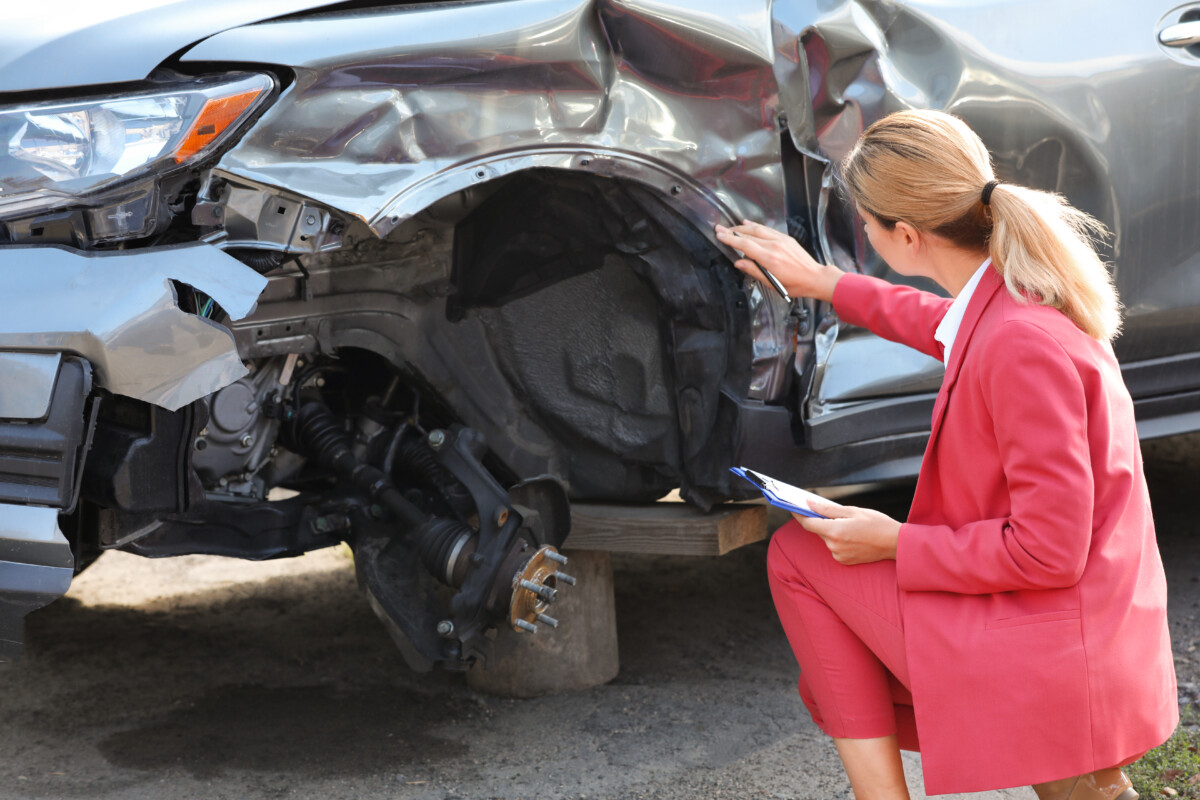
You walk away from a fender bender feeling fine. No aches, no pains, no visible injuries. The other driver ran a red light and smashed your door, but you seem unharmed. Many people assume that without a trip to the emergency room, there is no case to pursue. That assumption can cost you thousands of dollars. The law allows you to recover compensation for damage to your vehicle, lost wages from missed work, and even emotional distress, even if you never set foot in a doctor’s office. Understanding when and how to sue after a car accident without injuries is essential for protecting your financial interests.
Insurance companies often treat no-injury accidents as quick, cheap settlements. They hope you will accept a lowball offer and move on. But property damage claims, loss of use of your vehicle, and diminished value are all valid grounds for a lawsuit. In some states, you can also pursue punitive damages if the other driver acted recklessly. The key is knowing what losses qualify and how to document them. This article walks through the legal framework, the types of damages available, and the practical steps to take if you are considering litigation after a crash that left you physically unscathed.
Can You Still Sue After a Car Accident Without Injuries?
Yes, you can still sue after a car accident without injuries. The legal system recognizes that a collision causes harm beyond physical pain. Your car may be damaged, you might miss work, and you could suffer from anxiety or post-traumatic stress. Each of these losses can form the basis of a civil claim. The question is not whether you have a right to sue, but rather what type of damages you can recover and whether the potential award justifies the time and expense of litigation.
Most car accident lawsuits fall under the category of negligence. To win, you must prove that the other driver owed you a duty of care, breached that duty, and caused measurable harm. The harm does not have to be a broken bone or a concussion. It can be a crumpled bumper, a rental car bill, or a missed paycheck. Courts routinely award compensation for these economic losses. Some states also allow recovery for non-economic losses such as emotional distress, even when there is no physical injury. For example, if the crash left you afraid to drive or caused nightmares, a jury may award damages for that mental suffering.
However, the absence of injuries does limit your options. You cannot claim medical expenses or pain and suffering related to a physical injury because those damages simply do not exist. Your case will focus on property damage, loss of use, and other out-of-pocket costs. This makes the potential payout smaller than a case involving serious injuries. Yet small does not mean worthless. A well-documented property damage claim can recover the full cost of repairs, a rental car, and the diminished value of your vehicle after it is repaired. In our guide on After a Fort Lauderdale Car Accident, You Need a Skilled Injury Lawyer, we explain how local laws affect these claims.
Types of Damages Available in No-Injury Accidents
When you sue without physical injuries, your damages fall into two main categories: economic and non-economic. Economic damages are easy to calculate because they have a clear dollar value. Non-economic damages are harder to quantify but still recoverable in many jurisdictions.
Economic Damages
Economic damages compensate you for financial losses directly caused by the accident. These include:
- Vehicle repair costs the amount needed to restore your car to its pre-accident condition. Get two or three repair estimates and keep all invoices.
- Diminished value the difference between your car’s market value before the accident and its value after repairs. A car with an accident history sells for less, even if fixed perfectly.
- Rental car expenses the cost of a temporary vehicle while yours is in the shop. Keep receipts and note the dates of use.
- Towing and storage fees charges incurred to move your car from the accident scene or store it while waiting for repairs.
- Lost wages income you lost because you missed work to handle the accident, get estimates, or attend court. Document your hourly rate and hours missed.
These items are straightforward to prove with receipts, pay stubs, and written estimates. Insurance adjusters rarely dispute them if you provide clear documentation. The challenge is that many people underestimate the total cost. For instance, diminished value can add hundreds or even thousands of dollars to your claim, yet most accident victims never ask for it. If you are unsure how to calculate these losses, reading After a Las Vegas Car Accident: Your Legal Guide to Fair Compensation can help you understand what to include.
Non-Economic Damages
Non-economic damages cover intangible harms. The most common in no-injury cases is emotional distress. You might experience anxiety, insomnia, or depression after a crash, even if you were not physically hurt. Some states allow you to recover for emotional distress only if you also suffered a physical impact. This is called the impact rule. Other states allow standalone emotional distress claims if you can show severe emotional symptoms. A diagnosis from a therapist or a prescription for anxiety medication strengthens this claim.
Another non-economic damage is loss of enjoyment of life. If the accident makes you avoid driving or traveling, you may be entitled to compensation for that loss. These damages are harder to prove and often require expert testimony. Because the amounts are smaller than in injury cases, many attorneys handle no-injury claims on a flat fee or hourly basis rather than a contingency fee. You should discuss fee structures with any lawyer you consult.
When Suing Makes Financial Sense
Not every fender bender is worth a lawsuit. If your damages are under a few thousand dollars and the insurance company offers a fair settlement, accepting the offer is often smarter than litigating. Court costs, filing fees, and attorney time can eat up a small award. A good rule of thumb is to consider suing only when your total economic damages exceed $5,000 or when the insurance company refuses to pay a legitimate claim.
There are also situations where suing sends a message. If the other driver was drunk, texting, or driving aggressively, a lawsuit may be the only way to hold them accountable. Punitive damages, which punish the wrongdoer rather than compensate you, are available in some states for gross negligence. These damages can multiply your recovery significantly. However, they are rare and require clear evidence of reckless conduct. In our article on After a Utah Car Accident, What Should a Lawyer Do?, we discuss how state-specific laws affect punitive damage claims.
Another factor is the statute of limitations. Every state has a deadline for filing a lawsuit, typically two to four years for property damage claims. If you wait too long, you lose your right to sue forever. Check your state’s deadline as soon as possible after the accident. Missing it is a common mistake that can destroy an otherwise valid claim.
Steps to Take After a No-Injury Accident
If you are considering a lawsuit, your actions in the hours and days after the crash matter. Follow these steps to build a strong case:
- Call the police. Even if no one is hurt, a police report creates an official record of the accident. It documents fault, road conditions, and witness statements. Without a report, the other driver may later deny responsibility.
- Exchange information. Get the other driver’s name, phone number, insurance company, and policy number. Also collect contact details from any witnesses.
- Take photos and videos. Photograph both vehicles from multiple angles, the intersection, traffic signs, skid marks, and any visible damage. Capture close-ups of dents, scratches, and broken parts.
- Get repair estimates. Visit at least two body shops for written estimates. Ask the shops to note diminished value as well as repair costs.
- Keep a journal. Write down how the accident affected your daily life. Note any missed work, sleepless nights, or anxiety about driving. This supports an emotional distress claim.
- Notify your insurance company. Report the accident promptly, even if you were not at fault. Your policy may require immediate notification, and your insurer can help you navigate the claims process.
Documentation is the backbone of a no-injury lawsuit. Without medical records, you rely entirely on photos, receipts, and journals. The more thorough you are, the harder it is for the insurance company to dispute your losses. For a deeper look at how to handle the aftermath of a crash, see Best Car Accident Lawyer Near Me: Experienced Legal Help You Can Trust for tips on finding legal representation.
Proving Fault Without Injuries
Fault in a car accident is determined by the same rules whether or not injuries exist. You must show that the other driver breached a duty of care. Common examples include running a red light, speeding, failing to yield, or distracted driving. The police report is your best evidence because it contains the officer’s opinion on who caused the crash. Witness statements, traffic camera footage, and photos of the scene also help.
In some states, comparative negligence rules apply. This means your damages are reduced by the percentage of fault assigned to you. If you were 20 percent at fault for failing to signal, your award is reduced by 20 percent. If you were more than 50 percent at fault in a pure comparative negligence state, you may recover nothing. Understanding your state’s rules is critical before filing a lawsuit.
Hiring a Lawyer for a No-Injury Case
You do not need a lawyer to file a property damage claim. Many people handle small claims in small claims court without an attorney. But if your damages are significant, or if the insurance company is acting in bad faith, a lawyer can make a big difference. Lawyers know how to calculate diminished value, negotiate with adjusters, and file a lawsuit if negotiations fail.
When looking for a lawyer, ask about their experience with property damage cases specifically. Some personal injury firms focus on high-value injury claims and may not take a case worth only $10,000. Others have a dedicated property damage department. Ask about fees upfront. Many lawyers offer free consultations, and some will take a no-injury case on a contingency basis if the damages are high enough. If not, they may charge an hourly rate or a flat fee for specific tasks like drafting a demand letter.
Frequently Asked Questions
Can I sue for emotional distress if I was not physically hurt?
Yes, in many states you can sue for emotional distress after a car accident even without physical injuries. However, the requirements vary. Some states require that you also suffered a physical impact, such as being jostled in the crash. Other states allow standalone emotional distress claims if you can prove severe emotional symptoms. A therapist’s diagnosis or a prescription for medication strengthens your case.
How much is a no-injury car accident case worth?
The value depends on your economic losses. Typical settlements range from $1,000 to $15,000 for property damage alone. Diminished value can add $500 to $5,000. Lost wages vary by your income. Emotional distress damages, if available, can add another $1,000 to $10,000. Most no-injury cases settle for under $20,000 total.
Do I need a lawyer for a property damage claim?
Not always. If your damages are under $5,000 and the insurance company offers a fair amount, you can handle it yourself. But if the adjuster lowballs you, or if your damages exceed $10,000, a lawyer can help maximize your recovery. Many lawyers offer free consultations for no-injury cases.
How long do I have to file a lawsuit?
The statute of limitations for property damage claims is usually two to four years, depending on your state. Check your state’s deadline immediately. If you miss it, you lose your right to sue forever. Some states have shorter deadlines for claims against government entities.
Can I still sue if the other driver is uninsured?
Yes, but your options are limited. You can sue the uninsured driver directly, but collecting the judgment may be difficult if they have no assets. Your own uninsured motorist property damage coverage, if you have it, can pay for your losses without a lawsuit. Check your policy for details.
Understanding your legal rights after a no-injury accident is the first step toward fair compensation. Even without a scratch, you may be entitled to significant financial recovery. The key is acting quickly, gathering evidence, and knowing when to seek professional help. If you have questions about your specific situation, contact a qualified attorney in your state.

About Winston Greer
Recent Posts
How Comparative Negligence Laws Differ by State
Understand how comparative negligence laws differ by state and protect your settlement. Call (833) 227-7919 for a free case review.
Why State Laws Differ in Accident Cases and What That Means for You
Understand how state laws differ in accident cases and protect your claim. Call (833) 227-7919 for a free attorney referral.
How Jurisdiction Affects Accident Claim Outcomes
Understand how jurisdiction affects accident claim outcomes and maximize your recovery. Call (833) 227-7919 for a free attorney referral.