
Uninsured Driver Accident: What Happens Next?
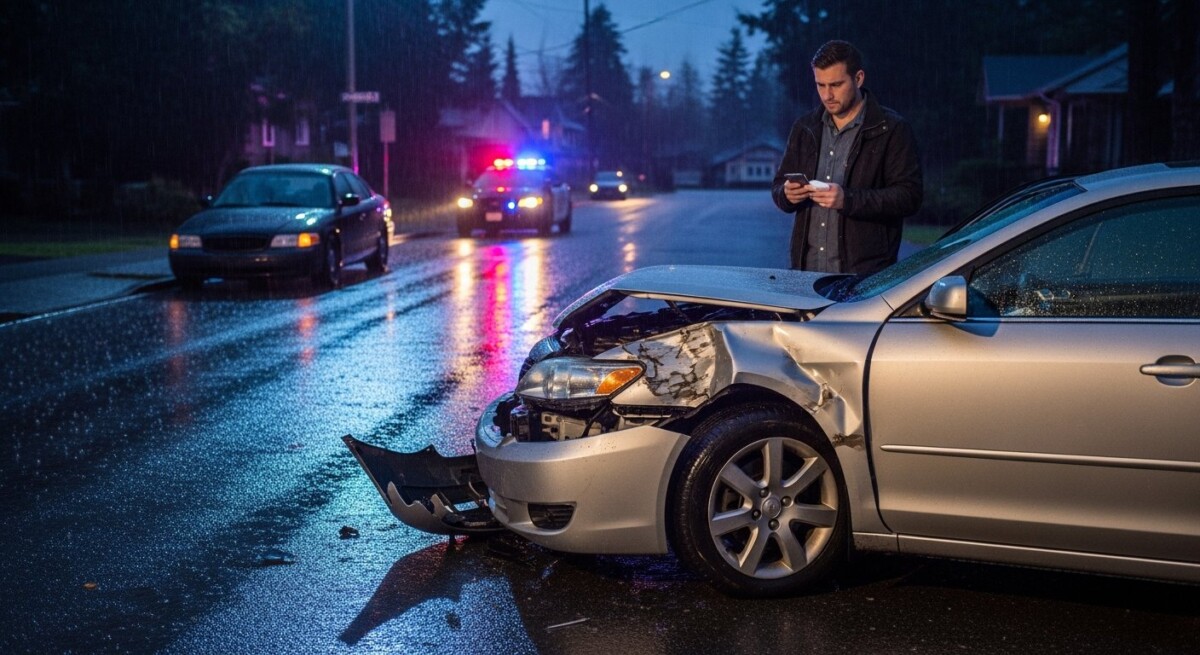
You are driving home, obeying every traffic law, when suddenly another car slams into your vehicle. You exchange information, expecting the other driver’s insurance to cover the damage. Then you discover the worst-case scenario: the other driver has no insurance. This situation leaves many people feeling helpless and confused about their financial future. Understanding what happens if the other driver is uninsured is the first step toward protecting yourself and recovering your losses.
An uninsured driver accident does not mean you are out of options. In fact, you may have more legal avenues available than you realize. The key is knowing which steps to take immediately after the crash and how your own insurance policy can step in to fill the gap. This article walks through the entire process, from the moment of impact to final resolution, so you can make informed decisions without unnecessary stress.
Immediate Steps After an Accident With an Uninsured Driver
Your actions in the first few minutes and hours after a collision can make or break your claim. Even when the other driver admits fault, the lack of insurance requires a different approach than a standard accident. Follow these steps carefully to preserve your rights.
First, check for injuries and call 911 immediately. A police report is critical in uninsured driver cases because it creates an official record of the crash and confirms that the other driver lacked insurance. Ask the responding officer to note the lack of insurance on the report. This documentation becomes your primary evidence when dealing with your own insurance company later.
Second, gather as much information as possible at the scene. Take photos of the vehicles, the surrounding area, any visible injuries, and the other driver’s license plate. Get the names and contact information of any witnesses. Write down the other driver’s name, address, and phone number, even if they have no insurance. This information helps your attorney or insurance adjuster locate the driver for potential legal action.
Third, do not discuss fault or make any statements about the accident beyond basic facts. The other driver may try to convince you to handle things privately without involving insurance. Never agree to this arrangement. Without insurance coverage, the other driver likely has no money to pay for your damages, and a verbal promise means nothing if they disappear or refuse to pay later.
How Uninsured Motorist Coverage Protects You
Your own insurance policy may contain a hidden safety net called uninsured motorist (UM) coverage. This type of coverage is designed specifically for situations where the at-fault driver has no insurance. Understanding what happens if the other driver is uninsured often begins with checking your policy declarations page for UM limits.
Uninsured motorist coverage pays for your medical expenses, lost wages, and pain and suffering up to the limits you selected when you purchased the policy. In many states, insurers are required to offer UM coverage, and you must reject it in writing if you do not want it. If you never signed a rejection form, you may still have this coverage even if you thought you declined it.
There are two main types of UM coverage: bodily injury and property damage. Bodily injury UM covers medical bills, rehabilitation costs, and compensation for pain and suffering. Property damage UM covers repairs to your vehicle or, in some states, the actual cash value of your car if it is totaled. Some policies also include a deductible for property damage claims, so check your policy details carefully.
What If You Do Not Have UM Coverage?
If you did not purchase uninsured motorist coverage, your options become more limited but not impossible. You can still pursue a personal lawsuit against the uninsured driver directly. However, this route has practical challenges. Many uninsured drivers have few assets or income, making it difficult to collect a judgment even if you win in court.
Another option is to check whether your health insurance or medical payments (MedPay) coverage can help. Health insurance may cover your medical bills, though you will likely face copays and deductibles. MedPay, if you have it, pays for medical expenses regardless of who was at fault, providing immediate relief without the need to prove liability.
Filing a Claim With Your Own Insurance Company
Once you confirm the other driver is uninsured, you must file a claim under your own policy. This process differs from a standard third-party claim where you deal with the other driver’s insurer. Here, you become a first-party claimant dealing with your own insurance company.
Contact your insurer as soon as possible after the accident. Provide them with the police report number, the other driver’s information, and any evidence you collected at the scene. Be honest and complete in your statements. Your insurance company will assign an adjuster to investigate the claim, verify that the other driver was uninsured, and determine the value of your damages.
Your insurance company has a duty to handle your claim fairly and promptly. However, they are also a business with profit motives. They may try to minimize your payout or dispute the extent of your injuries. This is why having an attorney can be valuable. A lawyer knows the tactics insurers use and can negotiate for a fair settlement on your behalf.
Legal Options Against the Uninsured Driver
Even after filing a UM claim, you may still have the right to sue the uninsured driver directly. This option is especially relevant if your damages exceed your UM policy limits or if you want to recover compensation for items not covered by insurance, such as punitive damages.
To sue an uninsured driver, you must file a lawsuit in civil court. The process begins with serving the defendant with a summons and complaint. If the driver has no assets or income, the court may still enter a judgment in your favor, but collecting that judgment becomes your responsibility. Methods of collection include wage garnishment, bank account levies, and placing liens on property.
Many uninsured drivers are judgment-proof, meaning they lack sufficient assets or income to pay a court-ordered award. In these cases, winning the lawsuit provides moral satisfaction but little financial recovery. An attorney can help you evaluate whether suing is worthwhile based on the other driver’s financial situation.
State Laws and Uninsured Driver Penalties
Each state has its own laws regarding uninsured drivers and how they affect your claim. Some states require all drivers to carry liability insurance, and penalties for driving without insurance include fines, license suspension, and vehicle impoundment. Knowing your state’s specific rules can help you understand what happens if the other driver is uninsured in your jurisdiction.
For example, in no-fault states like Florida and Michigan, your personal injury protection (PIP) coverage pays your medical bills regardless of fault, which can reduce the immediate financial impact of an uninsured driver. In tort-based states like California and Texas, the at-fault driver’s insurance normally pays, but when they lack coverage, your UM policy becomes the primary source of recovery.
Some states have strict laws requiring uninsured drivers to pay restitution to victims. If the other driver is convicted of driving without insurance, the court may order them to pay you restitution as part of their criminal sentence. This restitution can cover medical bills, lost wages, and property damage, providing an alternative path to recovery without filing a civil lawsuit.
The Role of an Attorney in Uninsured Driver Cases
Hiring an experienced attorney can significantly improve your chances of a successful outcome. Lawyers who handle car accident cases understand the nuances of insurance law and know how to maximize your recovery under your UM policy. They also handle all communication with the insurance company, freeing you to focus on your recovery.
An attorney can also help you identify all possible sources of compensation. For instance, if you were driving for work at the time of the accident, your employer’s commercial auto policy might provide coverage. If the uninsured driver was operating a vehicle owned by someone else, that owner’s insurance might apply. A skilled lawyer investigates these angles to leave no stone unturned.
Most personal injury attorneys work on a contingency fee basis, meaning they only get paid if you recover compensation. This arrangement makes legal representation accessible even if you are facing financial strain from the accident. Many offer free initial consultations, so you can discuss your case without any upfront cost.
Common Mistakes to Avoid After an Uninsured Driver Accident
Avoiding common pitfalls can protect your claim and prevent unnecessary delays. Below are key mistakes to steer clear of:
- Accepting a quick settlement from your insurance company without understanding the full extent of your injuries or damages
- Signing a release or waiver without consulting an attorney, which may prevent you from seeking additional compensation later
- Posting about the accident on social media, as insurers can use your posts to dispute your injuries or minimize your claim
- Failing to seek medical attention immediately, which gives the insurance company an argument that your injuries are not serious
Each of these mistakes can reduce the value of your claim or eliminate your right to compensation entirely. Taking the time to do things correctly from the start protects your interests and ensures you receive the full recovery you deserve.
Frequently Asked Questions
What happens if the other driver is uninsured and I don’t have UM coverage?
Without UM coverage, your options include suing the uninsured driver directly, using your health insurance for medical bills, or paying out of pocket. Collecting a judgment from an uninsured driver can be difficult if they have no assets or income.
Will my insurance rates go up if I file a UM claim?
In many states, insurance companies cannot raise your rates for filing a claim under your uninsured motorist coverage because you were not at fault. However, some insurers may still increase premiums. Check your policy or ask your agent about your state’s rules.
Can I still get compensation if the uninsured driver fled the scene?
Yes, a hit-and-run accident is treated similarly to an uninsured driver accident. Your UM coverage typically applies if you can identify the other vehicle or provide enough evidence to support your claim. Report the accident to police immediately and document everything you remember about the fleeing vehicle.
How long do I have to file a UM claim?
The deadline to file a UM claim varies by state and is usually between one and six years from the date of the accident. Your insurance policy may also have its own time limits for reporting claims. Contact your insurer and an attorney as soon as possible to avoid missing any deadlines.
Does uninsured motorist coverage cover my passengers?
Yes, in most cases, your UM coverage extends to passengers in your vehicle at the time of the accident. Passengers can also file claims under their own UM policies if they have one. The specific rules depend on your state’s laws and the language of your policy.
Final Thoughts on Uninsured Driver Accidents
Being involved in an accident with an uninsured driver is stressful, but it does not have to be financially devastating. By understanding your insurance coverage, taking the right steps after the crash, and seeking professional legal help when needed, you can recover compensation for your injuries and property damage. Remember that time limits apply, so do not delay in pursuing your claim. If you have questions about your specific situation, consult with a qualified attorney who can provide personalized guidance based on your state’s laws and your insurance policy.

About Isadora Kemp
Recent Posts
How Comparative Negligence Laws Differ by State
Understand how comparative negligence laws differ by state and protect your settlement. Call (833) 227-7919 for a free case review.
Why State Laws Differ in Accident Cases and What That Means for You
Understand how state laws differ in accident cases and protect your claim. Call (833) 227-7919 for a free attorney referral.
How Jurisdiction Affects Accident Claim Outcomes
Understand how jurisdiction affects accident claim outcomes and maximize your recovery. Call (833) 227-7919 for a free attorney referral.