
Updated Laws for Car Accident Claims in California 2026
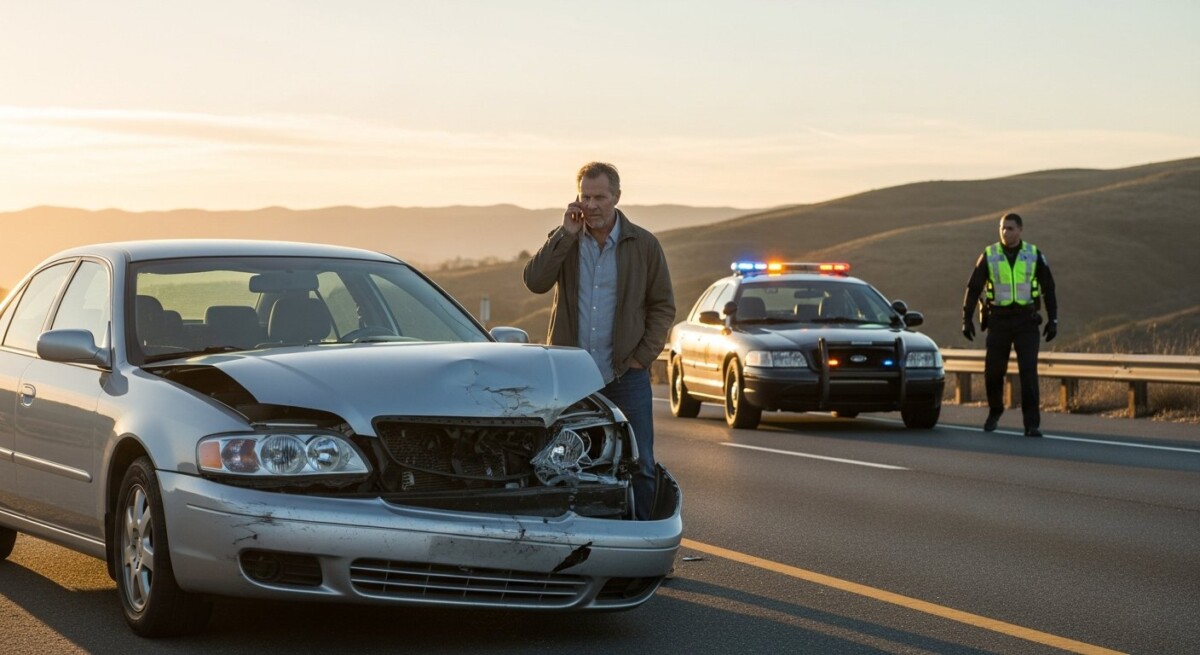
California drivers face a shifting legal landscape in 2026 as new statutes reshape how car accident claims are filed, negotiated, and resolved. Recent legislative updates aim to reduce fraud, streamline litigation, and protect victims from unfair insurance practices. Whether you were just in a fender bender on the 405 or a serious collision on Highway 101, understanding these changes is critical to protecting your right to compensation. Missing a deadline or misinterpreting a new rule could cost you thousands of dollars. This article breaks down the most important updates so you can navigate your claim with confidence.
Key Legislative Changes Taking Effect in 2026
California lawmakers passed several bills that directly impact car accident victims. The most significant updates involve statute of limitations adjustments, comparative fault modifications, and new requirements for insurance disclosures. These changes are designed to balance the playing field between claimants and insurance companies.
One major update extends the statute of limitations for certain injury claims. Previously, you had two years from the accident date to file a personal injury lawsuit. Under the 2026 law, victims with latent injuries (injuries that appear weeks or months later) now have three years from the date of discovery. This change addresses situations where soft tissue damage or internal injuries are not immediately apparent. For property damage claims, the limit remains at three years from the accident.
Another critical change involves comparative fault rules. California already follows a pure comparative negligence system, meaning you can recover damages even if you are 99% at fault. However, the 2026 update clarifies how fault is apportioned in multi-vehicle collisions. Now, each driver’s percentage of fault must be determined individually, and juries receive clearer instructions on allocating blame. This reduces the risk of one driver unfairly shouldering the entire burden.
New Insurance Requirements and Penalties
Insurance companies operating in California must comply with stricter disclosure rules starting in 2026. Carriers are now required to provide a plain-language summary of policy limits within 15 days of a claim being filed. Failure to do so triggers automatic penalties and extends the time you have to negotiate a settlement. This rule targets a common tactic where insurers delay revealing policy details to pressure claimants into accepting low offers.
Additionally, the minimum liability coverage limits remain unchanged at $15,000 per person and $30,000 per accident for bodily injury, plus $5,000 for property damage. However, the new law mandates that insurers offer uninsured and underinsured motorist coverage with higher default limits unless the policyholder explicitly waives them in writing. This protects you if the at-fault driver lacks adequate insurance.
How the 2026 Laws Affect Your Claim Process
If you are involved in a car accident in 2026, the claim process has several new steps. First, you must report the accident to the DMV within 10 days if there is property damage over $1,000 or any injury. Failing to file this report can delay your claim and may be used by the insurance company to deny coverage.
Second, your attorney must provide a pre-litigation notice to the insurance company at least 90 days before filing a lawsuit. This notice must include a detailed breakdown of medical expenses, lost wages, and pain and suffering calculations. The goal is to encourage early settlement discussions and reduce court backlogs. If the insurer fails to respond within 60 days, you may request a default judgment.
Third, medical liens are now strictly regulated. Healthcare providers who place liens on your settlement must register with the state and submit itemized bills within 30 days of treatment. This prevents surprise reductions to your final payout and gives you more control over how your settlement is distributed.
Evidence Rules and Digital Recordings
California courts now accept dashcam footage, smartphone video, and telematics data as standard evidence in car accident cases. However, the 2026 law requires that all digital evidence be submitted with a certification of authenticity. This means you or your attorney must provide a sworn statement that the recording has not been altered. Failure to do so can result in the evidence being excluded. If you have a dashcam, save the original file immediately after an accident and do not edit it.
Compensation Caps and Economic Damages
One of the most debated updates involves caps on non-economic damages. For car accident claims, California now limits pain and suffering awards to $500,000 for non-catastrophic injuries. Catastrophic injuries such as spinal cord damage, traumatic brain injury, or loss of a limb remain uncapped. This change aims to keep insurance premiums affordable while still compensating victims fairly for serious harm.
Economic damages such as medical bills, lost income, and property repair costs remain uncapped. You can still recover the full amount of your out-of-pocket expenses. The key is to document every cost thoroughly. Save receipts, keep a log of missed work days, and obtain written estimates for vehicle repairs. Your ability to prove economic losses directly impacts your settlement value.
For those who need to hire legal representation, the updated laws also address attorney fee structures. Contingency fees are still permitted, but the fee percentage must be clearly disclosed in a written agreement signed before any settlement offer is made. This prevents surprise deductions at the end of your case.
Steps to Take After a Car Accident Under the New Laws
To protect your rights under the 2026 updates, follow these steps immediately after a collision:
- Call 911 and request medical help if anyone is injured. Do not refuse treatment even if you feel fine.
- Exchange information with the other driver: name, phone number, insurance policy number, and license plate.
- Take photos of the scene, vehicle damage, and any visible injuries. Record the date and time stamps.
- Do not admit fault or apologize. Stick to factual statements when speaking with police or the other driver.
- Notify your insurance company within 24 hours, but do not give a recorded statement without consulting an attorney.
These steps create a strong foundation for your claim. The new laws reward proactive documentation and penalize delays. For example, waiting too long to seek medical treatment can be used by insurers to argue that your injuries are not serious. Similarly, failing to preserve dashcam footage may leave you without crucial evidence.
Frequently Asked Questions
Do the 2026 laws apply to accidents that happened before January 1, 2026?
Generally, the new laws apply to accidents that occur on or after January 1, 2026. If your accident happened in 2025, the previous rules govern your claim. However, some procedural changes like the pre-litigation notice requirement may still apply if you have not yet filed a lawsuit. Consult an attorney to determine which laws affect your specific case.
Can I still file a claim if the at-fault driver is uninsured?
Yes. California requires all drivers to carry uninsured motorist coverage unless you specifically waived it in writing. If the at-fault driver has no insurance, your own policy will cover your medical bills and lost wages up to your policy limits. The 2026 law makes it harder for insurers to deny these claims by requiring faster responses and clearer explanations.
How has the pain and suffering cap changed my settlement value?
For non-catastrophic injuries, the $500,000 cap on non-economic damages limits how much you can receive for emotional distress, loss of enjoyment of life, and similar harms. However, economic damages are still unlimited. Most accident victims with moderate injuries will not reach the cap. If your injuries are severe and permanent, the cap does not apply, and you can seek full compensation.
Do I need a lawyer to file a claim under the new laws?
While not legally required, having legal representation is strongly recommended. The 2026 updates introduce complex procedures like pre-litigation notices and digital evidence certification. Insurance companies have teams of adjusters and lawyers working to minimize payouts. An experienced attorney can level the playing field and help you avoid costly mistakes. If your claim is denied, understanding your options is critical. You can read our detailed guide on car accident claim denied next steps explained to learn what to do next.
For a complete walkthrough of the filing process, our article on filing a claim after a car accident what you need to know covers every stage from initial report to settlement. If you are considering hiring a lawyer, our resource on how to hire a claim for car accident compensation lawyer today explains what to look for in legal representation. Finally, for insights on maximizing your payout, read our analysis on how injury claim attorneys for car accidents maximize your settlement.
The 2026 updates to California car accident claim laws bring both opportunities and challenges. On one hand, victims gain stronger disclosure rules and extended deadlines for latent injuries. On the other hand, caps on non-economic damages and stricter evidence requirements demand more careful preparation. The best way to protect your rights is to act quickly, document everything, and seek professional guidance. By staying informed and proactive, you can navigate the new legal environment and secure the compensation you deserve.

About Michael Turner
Recent Posts
How Speed Is Proven After a Crash: Key Evidence
Learn how speeding is proven after an accident using EDR data, skid marks, and video. Call (833) 227-7919 for a free attorney referral.
How Texting Evidence Is Used in Accident Cases
Discover how texting evidence is used in accident cases to prove fault and win claims. Call (833) 227-7919 for a free case review.

How Texting Evidence Is Used in Accident Cases
Learn how texting evidence is used in accident cases and how it can prove fault or challenge claims. Call (833) 227-7919 for a free attorney referral.