
What Happens If the At-Fault Driver Has No Insurance?
Discover what happens if the at-fault driver has no insurance and how to protect your claim. Call 8336321198 for a free case review today.

By Winston Greer
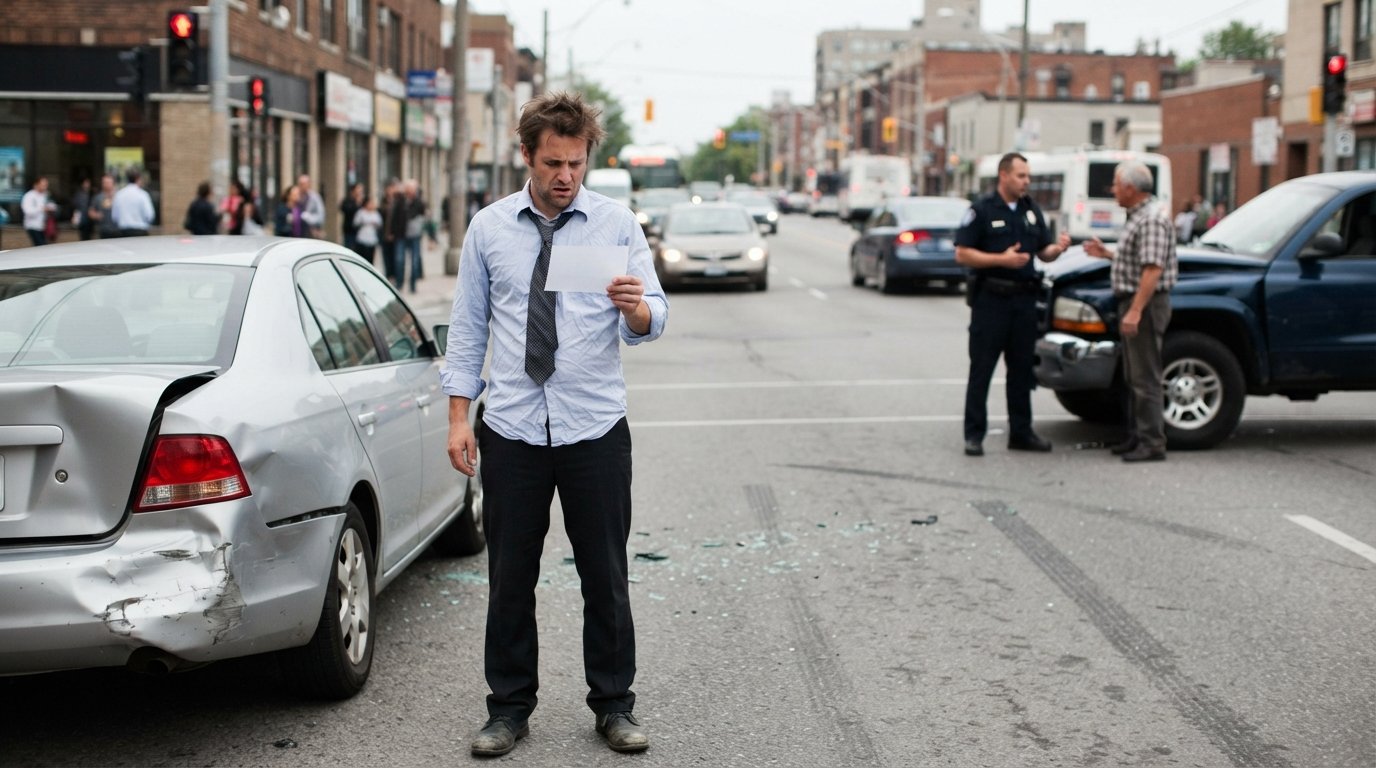
You are sitting at a red light when a distracted driver slams into your rear bumper. The police arrive, take statements, and issue a citation to the other driver. You think the worst is over until you exchange insurance information and discover the shocking truth: the at-fault driver has no insurance. This scenario plays out thousands of times every day across the United States, leaving innocent victims to wonder who will pay for their medical bills, vehicle repairs, and lost wages. If you are asking yourself, "What happens if the at-fault driver has no insurance?" you are not alone, and more importantly, you still have options for recovery.
The immediate aftermath of an accident with an uninsured motorist can feel overwhelming. Without the at-fault party's insurance company to step in and cover damages, you may worry that you will be stuck footing the bill for someone else's negligence. However, the legal system and your own insurance policy may provide a safety net you did not know existed. Understanding your rights, the steps you need to take, and the legal avenues available is crucial to protecting your financial future.
Understanding Uninsured and Underinsured Motorist Coverage
One of the most common misconceptions is that if the other driver has no insurance, you cannot recover any money. In reality, if you carry Uninsured Motorist (UM) coverage as part of your auto insurance policy, you can file a claim directly with your own insurer to cover your damages. This type of coverage is specifically designed for situations where the at-fault driver either has no insurance or cannot be identified, such as in a hit-and-run accident. Many states require drivers to carry UM coverage, while others make it optional but highly recommended.
It is important to distinguish between Uninsured Motorist (UM) and Underinsured Motorist (UIM) coverage. While UM covers you when the other driver has no insurance at all, UIM coverage kicks in when the at-fault driver has some insurance, but their policy limits are too low to cover the full extent of your injuries and damages. For example, if the other driver has a $25,000 policy limit, but your medical bills total $50,000, your UIM coverage could pay the difference, up to your policy limits. Understanding these distinctions is vital because they determine which insurance company you will be dealing with and how much compensation you can potentially recover.
If you do not have UM or UIM coverage, or if your coverage is insufficient, you may still have the option to sue the at-fault driver personally. This is known as a third-party claim. However, suing an uninsured driver can be challenging because these individuals often lack the financial resources to pay a judgment even if you win in court. That said, there are exceptions. If the uninsured driver has significant assets, owns property, or was driving a commercial vehicle, a personal lawsuit may be worth pursuing. In these cases, a qualified attorney can help you determine whether litigation is a viable path to recovery.
Steps to Take After an Accident with an Uninsured Driver
If you find yourself in a collision with an uninsured driver, your actions in the minutes, days, and weeks following the crash can significantly impact your ability to recover compensation. The first step is always to ensure your safety and the safety of anyone else involved. Call 911 to report the accident and request medical assistance if needed. Even if you feel fine, it is essential to seek a medical evaluation as soon as possible. Some injuries, such as whiplash or internal bleeding, may not present symptoms immediately but can have serious long-term consequences if left untreated.
Once the immediate danger has passed, you need to document everything. This includes taking photos of the accident scene, vehicle damage, and any visible injuries. Collect contact information from the other driver, including their name, phone number, address, and driver's license number. If there are witnesses, get their contact information as well. The police report is also a critical piece of evidence, so make sure to request a copy once it is available. This documentation will be essential when you file a claim with your insurance company or pursue legal action against the at-fault driver.
Next, you should notify your insurance company about the accident as soon as possible. Most policies require you to report accidents promptly, and failing to do so could result in a denied claim. When speaking with your insurer, be honest about the situation, including the fact that the other driver was uninsured. If you have UM or UIM coverage, your insurer will open a claim under that portion of your policy. Be prepared to provide all the documentation you gathered at the scene. If you are unsure how to navigate this process, consider seeking legal guidance to ensure your rights are protected and you receive the compensation you deserve. In our guide on car accidents without insurance, we explain how to handle the insurance claims process step by step.
Filing a Claim with Your Own Insurance Company
When you file a UM or UIM claim, you are essentially asking your own insurance company to step into the shoes of the at-fault driver's insurer. This process can be more complicated than a standard claim because your insurer may be reluctant to pay out, even though you are their policyholder. Insurance companies are businesses, and they may try to minimize their payout or deny your claim altogether. That is why it is crucial to have strong evidence and, ideally, legal representation to advocate on your behalf.
One of the challenges of filing a UM claim is that your insurer may dispute the extent of your injuries or argue that the accident was partially your fault. To counter this, you should provide comprehensive medical records, repair estimates, and any other evidence that supports your claim. Keep detailed records of all your expenses, including medical bills, lost wages, and out-of-pocket costs. If your insurer makes a lowball offer, do not accept it without first consulting with an attorney. An experienced lawyer can negotiate with the insurance company to ensure you receive a fair settlement that covers all your damages.
It is also important to be aware of the time limits for filing a UM claim. Every state has a statute of limitations that sets a deadline for how long you have to file a lawsuit or claim after an accident. If you miss this deadline, you may lose your right to recover compensation entirely. The length of the statute of limitations varies by state and by the type of claim, so it is essential to consult with a legal professional as soon as possible to ensure you do not miss any critical deadlines.
Pursuing a Personal Injury Lawsuit Against the Uninsured Driver
If your UM or UIM coverage is insufficient to cover your damages, or if you do not have such coverage, you may consider filing a personal injury lawsuit against the at-fault driver. This involves suing the driver directly for negligence, seeking compensation for medical expenses, lost wages, pain and suffering, and other damages. However, as mentioned earlier, collecting a judgment from an uninsured driver can be difficult. Many uninsured drivers have limited financial resources, and even if you win your case, you may not be able to collect the money owed to you.
That said, there are situations where a lawsuit is worth pursuing. If the at-fault driver has assets, such as a home, savings, or investments, you may be able to collect a judgment through wage garnishment, property liens, or other legal means. Additionally, if the driver was operating a commercial vehicle or was on the job at the time of the accident, their employer may be held liable for your injuries. In these cases, the employer's insurance policy may provide a source of compensation.
Before filing a lawsuit, it is essential to consult with a personal injury attorney who has experience handling cases involving uninsured drivers. An attorney can evaluate the merits of your case, identify all potential sources of compensation, and guide you through the legal process. They can also help you understand the risks and benefits of litigation, so you can make an informed decision about how to proceed. If you are looking for legal forms or resources to help with your case, you can find helpful tools at FormsByLawyers, a platform that connects individuals with legal professionals and provides access to essential legal documents.
The Role of Uninsured Motorist Coverage in Your Policy
Uninsured Motorist coverage is often the unsung hero of auto insurance policies. Many drivers do not realize they have it until they need it, and even then, they may not fully understand how it works. UM coverage typically pays for medical expenses, lost wages, and other damages resulting from an accident with an uninsured driver. In some states, it also covers property damage, though this is less common. UIM coverage, on the other hand, applies when the at-fault driver has insurance, but their policy limits are insufficient to cover your losses.
It is important to review your auto insurance policy to determine whether you have UM and UIM coverage and what your policy limits are. If you do not have this coverage, you may want to consider adding it, especially if you live in an area with a high rate of uninsured drivers. The cost of adding UM and UIM coverage is typically minimal compared to the potential financial protection it provides. In fact, in many states, insurers are required to offer UM coverage, and you must explicitly decline it in writing if you do not want it.
When filing a UM claim, it is important to remember that you are dealing with your own insurance company, but that does not mean the process will be easy. Insurers may still try to minimize your payout or deny your claim. That is why it is crucial to document everything, seek medical attention promptly, and consult with an attorney if you encounter resistance. An attorney can help you navigate the claims process and ensure you receive the compensation you are entitled to under your policy.
How a Personal Injury Attorney Can Help
Dealing with an uninsured driver can be a complex and frustrating experience. A personal injury attorney can level the playing field and help you pursue the compensation you deserve. Attorneys who specialize in car accident cases understand the nuances of uninsured motorist claims and can identify all potential sources of recovery, including your own insurance policy, the at-fault driver's assets, and any third parties who may be liable.
One of the primary benefits of hiring an attorney is that they can handle all communications with insurance companies on your behalf. This is particularly important when dealing with your own insurer, as they may try to take advantage of your lack of legal knowledge. An attorney can negotiate a settlement that reflects the full extent of your damages, including pain and suffering, emotional distress, and future medical expenses. If the insurance company refuses to offer a fair settlement, your attorney can file a lawsuit and represent you in court.
Another advantage of working with an attorney is that they can help you avoid common mistakes that could jeopardize your claim. For example, you might inadvertently say something to the insurance adjuster that is used against you, or you might accept a settlement offer that is far less than what you are entitled to. An attorney can guide you through every step of the process, ensuring your rights are protected and you make informed decisions.
If you are considering hiring an attorney, look for someone with experience in personal injury law and a track record of success in cases involving uninsured drivers. Many attorneys offer free consultations and work on a contingency fee basis, meaning you do not pay anything unless they win your case. This makes legal representation accessible to everyone, regardless of their financial situation.
What If the At-Fault Driver Is Underinsured?
Underinsured motorist situations occur when the at-fault driver has insurance, but their policy limits are not enough to cover the full cost of your damages. For example, if the other driver has a $25,000 policy limit, but your medical bills and other expenses total $100,000, you may be able to file a UIM claim with your own insurer to cover the remaining $75,000, up to your policy limits. UIM coverage is designed to fill the gap between the at-fault driver's insurance and your actual losses.
Filing a UIM claim can be even more complicated than a UM claim because your insurer may argue that the at-fault driver's policy should have covered more, or they may dispute the extent of your injuries. It is important to have strong evidence and, ideally, legal representation to ensure your claim is handled fairly. An attorney can help you gather the necessary documentation, negotiate with the insurance company, and, if necessary, take your case to court.
It is also important to understand that UIM coverage is not available in all states, and the rules governing it vary widely. Some states require insurers to offer UIM coverage, while others do not. Some states allow you to stack UIM coverage from multiple vehicles, which can increase your total compensation. If you are unsure whether you have UIM coverage or how it applies to your situation, consult with an attorney who can explain your options.
Protecting Yourself from Uninsured Drivers
While you cannot control the actions of other drivers, there are steps you can take to protect yourself from the financial fallout of an accident with an uninsured driver. The most important step is to review your auto insurance policy and ensure you have adequate UM and UIM coverage. As mentioned earlier, these coverages are relatively inexpensive and can provide significant protection in the event of an accident with an uninsured or underinsured driver.
In addition to UM and UIM coverage, you may also want to consider adding Medical Payments (MedPay) coverage to your policy. MedPay covers medical expenses for you and your passengers, regardless of who is at fault, and can be used to pay for things like health insurance deductibles and copayments. It is not a substitute for health insurance, but it can provide additional financial protection after an accident.
Another way to protect yourself is to be a safe and defensive driver. While this will not prevent all accidents, it can reduce your risk of being involved in a collision. Always wear your seatbelt, avoid distractions, and follow traffic laws. If you see a driver behaving erratically, keep your distance and report them to the authorities if necessary.
Finally, if you are involved in an accident with an uninsured driver, do not panic. Take a deep breath, follow the steps outlined above, and seek legal guidance as soon as possible. With the right attorney on your side, you can pursue the compensation you need to move forward with your life.
Navigating the aftermath of an accident with an uninsured driver is challenging, but you do not have to face it alone. Whether you are dealing with your own insurance company or considering a lawsuit against the at-fault driver, having an experienced attorney in your corner can make all the difference. Remember to document everything, seek medical attention promptly, and explore all potential sources of compensation. By taking these steps, you can protect your rights and secure the financial recovery you deserve.