
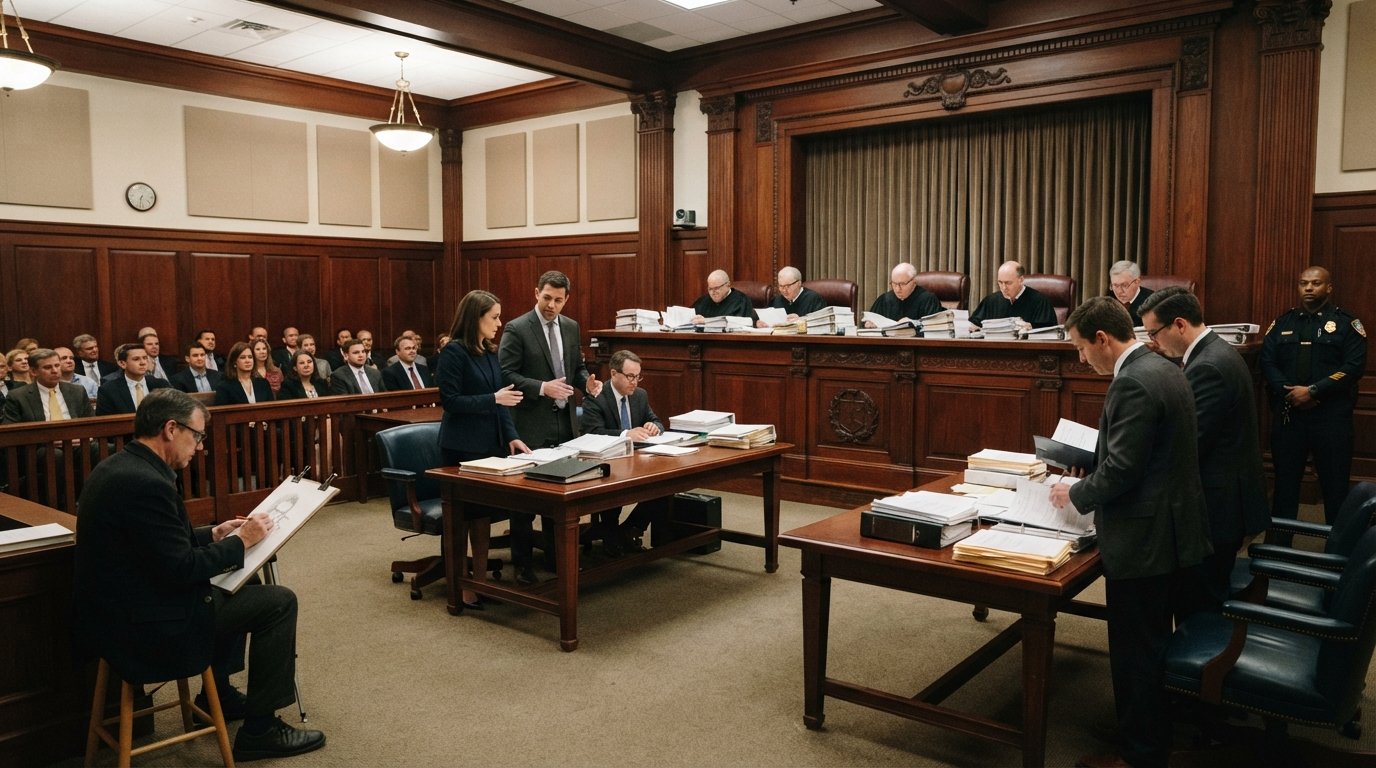
What Is a Multidistrict Litigation (MDL) in Mass Tort Cases?
Multidistrict litigation (MDL) consolidates mass tort pretrial proceedings while preserving your individual claim. For a free case review, call (833)-632-1198.

When thousands of people suffer injuries from the same defective drug, medical device, or consumer product, the legal system faces a daunting challenge: how to handle each claim fairly and efficiently without overwhelming the courts. The answer, in many mass tort cases, is a multidistrict litigation (MDL). This procedural tool consolidates pretrial proceedings for numerous similar lawsuits into a single federal court, streamlining discovery, conserving resources, and often accelerating resolutions. But what exactly is an MDL, and how does it affect your individual claim if you are injured? This article explains the mechanics of multidistrict litigation in mass tort cases, from the Judicial Panel on Multidistrict Litigation to bellwether trials and plaintiff steering committees, so you can understand your rights and what to expect.
Understanding Multidistrict Litigation (MDL) in Mass Tort Cases
A multidistrict litigation is a special procedure used in the federal court system to manage complex cases that share common questions of fact. When many lawsuits are filed across different federal districts against the same defendant (or group of defendants) and involve similar evidence, an MDL can be created to consolidate the pretrial phase. This consolidation is authorized by 28 U.S.C. Section 1407 and overseen by the Judicial Panel on Multidistrict Litigation (JPML), a group of seven federal judges appointed by the Chief Justice of the Supreme Court.
The key point is that an MDL does not merge all lawsuits into a single class action. Instead, it transfers the cases to one judge for coordinated pretrial management while preserving each plaintiff's individual claim for trial or settlement. This distinction is crucial: your case remains separate, but the pretrial work (such as discovery, motions, and expert witness preparation) is handled collectively. This approach avoids duplicative work, reduces costs, and promotes consistency. Mass torts, which involve widespread harm from a product or conduct, often use MDLs because they typically involve hundreds or thousands of similar claims.
How the Judicial Panel on Multidistrict Litigation Assigns Cases
The JPML decides whether to create an MDL and which judge will preside over it. Any party (plaintiff or defendant) can request an MDL by filing a motion with the JPML. The panel then reviews the request and considers several factors, including whether the actions involve common factual questions, whether consolidation will promote convenience and efficiency, and whether it will serve the just and efficient conduct of the cases. The panel may also consider the wishes of the parties and the impact on the judiciary.
Once the JPML decides to create an MDL, it selects a transferee judge, often one with experience in complex litigation. The panel typically chooses a judge from a district where many related cases are pending or who has a reputation for managing large dockets. The JPML's decision is based on a thorough review of the briefs and sometimes oral arguments. The panel's orders are not appealable, which underscores the importance of the selection process.
After the MDL is established, all related federal cases are transferred to the transferee court. The transfer is for pretrial proceedings only; if a case is not settled or otherwise resolved during the MDL, it may be remanded to its original district for trial. This ensures that plaintiffs retain their right to a jury trial in their home venue if needed.
Bellwether Trials and Their Role in Shaping Settlements
In many MDLs, the transferee judge and the parties select a small group of representative cases, known as bellwether cases, to go to trial first. The outcomes of these bellwether trials help the parties gauge the strengths and weaknesses of the claims, the potential value of settlements, and the likely range of damages. Bellwether trials are not binding on other cases, but they provide valuable information that can drive global settlements.
The bellwether process typically involves selecting cases that are representative of the broader litigation in terms of injuries, product use, and legal theories. The parties may agree on a protocol for selecting bellwethers, or the judge may decide. These cases undergo full discovery and are prepared for trial, often with the involvement of lead counsel from the plaintiff and defense sides. The results of bellwether trials can lead to settlements of the remaining cases, either through individual negotiations or a global settlement program.
For plaintiffs, bellwether trials offer a preview of how a jury might view their claims. If bellwether verdicts are favorable, it can pressure defendants to offer fair settlements. If they are unfavorable, it may lead to more modest settlements or encourage plaintiffs to reevaluate their cases. Understanding this dynamic helps claimants set realistic expectations about the timeline and potential outcomes.
Individual Claim Value Preserved Within Consolidated Pretrial Proceedings
One common misconception is that an MDL erases individual claims. In reality, each plaintiff's case retains its unique facts and damages. The MDL consolidates only the pretrial proceedings, such as discovery and pretrial motions. Your individual claim's value depends on factors like the severity of your injury, your medical expenses, lost wages, pain and suffering, and the specific evidence linking your injury to the product. The MDL process actually strengthens your position by allowing plaintiffs to pool resources and conduct extensive discovery that might be too costly for a single plaintiff.
During the MDL, plaintiffs' attorneys work together to develop evidence, depose company executives, and challenge defense tactics. This collective effort often uncovers documents and testimony that benefit all claimants. However, each plaintiff still has the right to accept or reject any settlement offer. If a global settlement is reached, it typically includes a framework for evaluating individual claims, and plaintiffs can choose whether to participate. If not, they can pursue their case individually, either through remand or a separate trial.
The MDL also preserves your right to choose your own attorney. While leadership counsel coordinates the litigation, you can have your own lawyer representing your interests. This is important because your attorney can advocate for your specific needs and ensure you receive your fair share of any settlement. Many plaintiffs' firms specialize in mass torts and work on contingency, meaning you pay nothing upfront. If you are considering joining an MDL, you can request a free case review from a service like CheapInjuryLawyer to connect with experienced counsel.
Leadership Counsel and Plaintiff Steering Committees Explained
In an MDL, the court often appoints a group of attorneys to lead the litigation on behalf of all plaintiffs. This group typically includes lead counsel, a plaintiff steering committee (PSC), and various subcommittees. These attorneys are responsible for coordinating discovery, negotiating with defendants, and presenting the plaintiffs' positions to the court. The goal is to ensure that the litigation is efficiently managed and that all plaintiffs' interests are represented.
The selection of leadership counsel is a critical step. The transferee judge typically asks attorneys to apply for leadership positions, and then evaluates their experience, resources, and ability to work collaboratively. The judge may also consider diversity and geographic representation. Once appointed, leadership counsel has a fiduciary duty to act in the best interests of all plaintiffs, not just their own clients.
Plaintiff steering committees often have subcommittees focused on specific tasks, such as discovery, expert witnesses, mediation, and trial preparation. These committees report to the court and to the broader plaintiffs' bar. Communication is key: leadership counsel provides regular updates to all plaintiffs' attorneys, who then inform their clients. This structure helps ensure that everyone is on the same page and that no plaintiff is left behind. If you are a claimant, your attorney should keep you informed about major developments, settlement negotiations, and trial dates.
Timelines and Communication Expectations for MDL Claimants
MDLs can take years to resolve, and timelines vary widely depending on the complexity of the case, the number of claimants, and the willingness of the parties to settle. Some MDLs settle within a few years, while others drag on for a decade or more. It is important to have realistic expectations and to stay informed about the progress of the litigation.
Communication from your attorney is vital. You should expect periodic updates on key milestones, such as the selection of bellwether cases, the completion of discovery, and any settlement negotiations. Your attorney should also explain the process and answer your questions. If you have not heard from your lawyer in a while, do not hesitate to reach out. A good attorney will keep you informed and involved in decisions about your case.
For a detailed look at what happens after you join an MDL, including typical timelines and steps, see our guide on mass tort litigation timeline. This resource can help you understand the road ahead and plan accordingly.
In conclusion, a multidistrict litigation is a powerful tool for managing mass tort cases efficiently while preserving individual claims. By understanding how MDLs work, from the JPML's role to bellwether trials and leadership counsel, claimants can navigate the process with confidence. If you have been injured and are considering legal action, consult with an experienced attorney to discuss your options and ensure your rights are protected.