
Why Witness Credibility Can Make or Break Your Accident Case
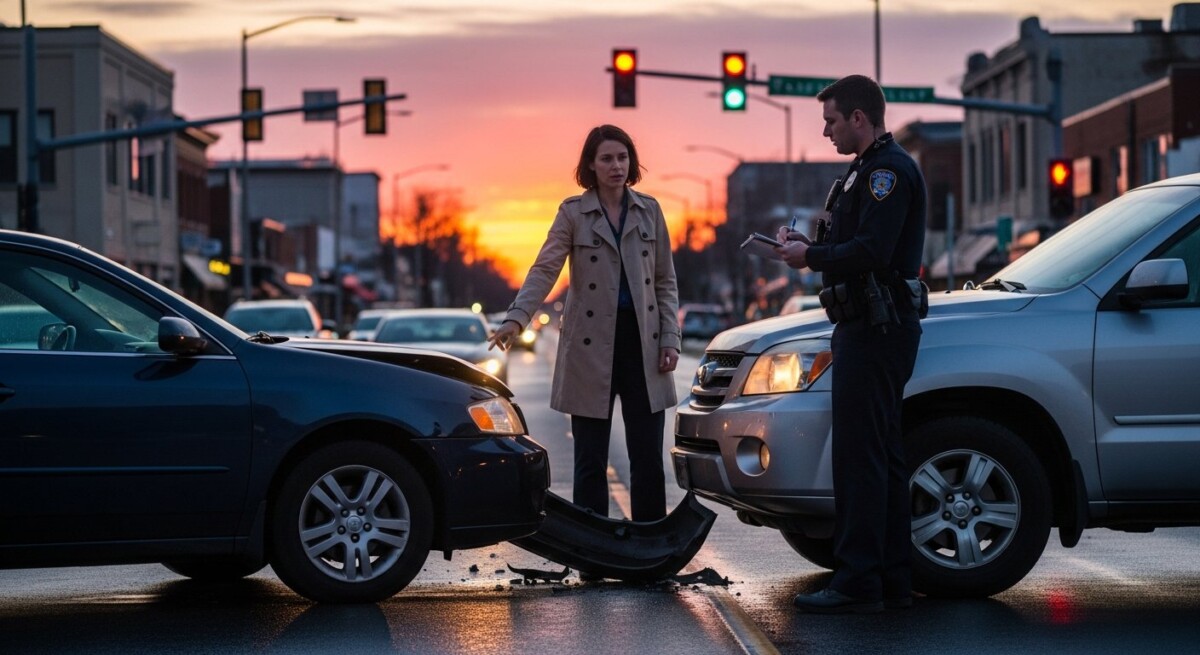
When a car crash or slip-and-fall turns into a legal dispute, the physical evidence often tells only part of the story. Skid marks, medical records, and property damage photos are vital, but they cannot always show who had the green light or whether a driver was distracted. This is where witnesses step in. A credible witness can provide the human perspective that juries and insurance adjusters rely on to fill in the gaps. Understanding how witness credibility affects accident cases is essential for anyone pursuing a claim, because a single persuasive witness can shift the entire trajectory of your settlement or trial.
Insurance companies are trained to scrutinize every detail of a witness’s background and behavior. They look for inconsistencies, biases, and memory lapses. If a witness comes across as shaky or self-serving, their testimony may be discounted or even used against you. Conversely, a neutral and confident witness can validate your version of events and pressure the opposing side to offer a fair resolution. In this article, we will break down the elements of credibility, how it influences negotiations, and what you can do to strengthen the witness component of your case.
What Makes a Witness Credible in Court and Settlement Negotiations
Credibility is not about whether a witness is telling the truth in a moral sense. In the legal world, credibility is about whether the fact-finder believes the witness is telling the truth. This distinction matters because a witness can be completely honest yet still lack credibility due to poor communication, memory gaps, or a questionable demeanor. Jurors and adjusters are human, and they rely on subconscious cues such as eye contact, tone of voice, and consistency to judge reliability.
Several factors contribute to witness credibility. The most important is proximity to the event. A witness who saw the accident from a clear, unobstructed angle carries more weight than someone who heard a crash from inside a nearby building. Timing also matters. A witness who comes forward within hours of the incident is generally more believable than one who appears months later with a sudden recollection. Additionally, a witness with no personal stake in the outcome, such as a neutral pedestrian rather than a passenger in your vehicle, is naturally viewed as more impartial.
There are also behavioral elements that can elevate or destroy credibility. A witness who speaks in measured, specific terms is often more persuasive than one who uses vague language or exaggerates. For example, a witness who says “the blue car ran the red light at about 28 miles per hour” is more impactful than one who says “the car was going pretty fast.” Precision signals a genuine memory, whereas vagueness suggests guesswork.
The Role of Prior Statements and Depositions
Witness credibility can be severely damaged if their testimony changes between the initial police interview and a later deposition. Attorneys will often obtain prior statements, including 911 calls, social media posts, and written accounts, to compare against courtroom testimony. Even a minor discrepancy, such as misremembering the color of the vehicles, can be used to imply that the witness is fabricating the entire narrative. This is why attorneys advise witnesses to stick to the facts they are certain about and avoid speculating.
In personal injury claims, the deposition is often where credibility is won or lost. During a deposition, the opposing attorney will attempt to trip up the witness by asking the same question in multiple ways. A credible witness remains calm, admits when they do not know something, and does not argue with the questioner. A witness who becomes defensive or hostile creates a poor impression that can haunt the case during settlement talks.
How Juries and Judges Weigh Credibility Factors
When a case goes to trial, juries are instructed to consider a witness’s demeanor, appearance, and consistency. They are allowed to use their own life experiences to decide who is believable. A witness who is well-dressed, articulate, and polite will generally be received better than one who is disheveled or combative. While this may seem superficial, it is a reality of the justice system. Judges, on the other hand, tend to focus more on the substance of the testimony and whether the witness has any demonstrable bias.
Juries are also heavily influenced by the “first impression” rule. The first witness to testify about the key facts often sets the baseline for the entire narrative. If that witness is credible, the jury may interpret all subsequent evidence through that lens. If that witness is shaky, the jury may remain skeptical of the entire case. This is why attorneys carefully sequence their witnesses, often starting with the strongest and most neutral observer.
Another critical factor is the number of witnesses. A single highly credible witness can be enough to win a case, but a chorus of consistent witnesses is nearly impossible to ignore. However, having too many witnesses can backfire if their stories diverge. A jury may wonder whether the witnesses coordinated their stories, especially if they all use identical phrasing. Natural variation in memory is expected, and attorneys will often guide witnesses to share their recollections in their own words.
Practical Strategies to Strengthen Witness Testimony
If you are preparing for an accident claim, you cannot simply hope that witnesses will be credible on their own. You and your attorney must take proactive steps to preserve their reliability. The first step is to collect contact information at the scene and ask witnesses to write down what they saw while the memory is fresh. These early statements are often the most valuable because they are less likely to be contaminated by later conversations with other witnesses or news reports.
Once you have identified key witnesses, your attorney will likely interview them to assess their credibility. This is a screening process to determine whether they will help or hurt your case. If a witness is hostile, confused, or has a criminal history involving dishonesty, your attorney may choose not to call them at trial. In some cases, a witness can be impeached by evidence of prior convictions, which is why a thorough background check is essential.
Here are some steps you can take to support witness credibility:
- Ask witnesses to take photos or videos of the scene immediately after the incident, as visual aids can reinforce their verbal account.
- Encourage witnesses to avoid discussing the case with other witnesses, as this can lead to memory contamination.
- Request that witnesses preserve any physical evidence, such as torn clothing or broken personal items, that corroborates their story.
- Remind witnesses to be honest about their limitations, such as poor eyesight or being distracted at the moment of impact.
Attorneys also use demonstrative exhibits to bolster witness testimony. For example, a witness can use a diagram of the intersection to point out exactly where they were standing and where the vehicles were positioned. This visual aid helps the jury understand the perspective and makes the witness appear more grounded and reliable. In our guide on how timing affects accident lawsuit outcomes, we explain how early evidence collection can also impact the quality of witness recollections.
The Impact of Credibility on Settlement Value
Most personal injury cases never reach trial. Instead, they are resolved through negotiations with insurance companies. The insurer’s adjuster will evaluate the strength of your case based on liability and damages. Witness credibility plays a direct role in this evaluation. If the adjuster believes that a neutral witness supports your version of events, they are more likely to offer a higher settlement to avoid the risk of a plaintiff’s verdict at trial.
Credibility issues can also depress settlement value. If the defense attorney has identified weaknesses in your witness’s story, they will use that as leverage to offer a lowball amount. For instance, if a witness originally told the police that the light was yellow but later changes their story to red, the adjuster will assume the witness is lying and will discount the entire testimony. This is why consistency from the very first statement is paramount.
Additionally, the mere presence of a credible witness can act as a deterrent to aggressive defense tactics. Insurance companies are in the business of minimizing payouts, and they are less likely to engage in bad-faith negotiation if they know a strong witness is waiting to testify. In our article on how umbrella insurance affects accident claims, we discuss how additional coverage layers can increase the stakes of a liability dispute, making witness credibility even more central to the outcome.
Challenging the Credibility of the Opposing Side’s Witnesses
Your attorney will also need to challenge the credibility of any witnesses presented by the defense. This is a delicate process that requires professional skill. The goal is not to bully or embarrass the witness but to expose any bias, inconsistency, or lack of personal knowledge. Common techniques include highlighting that the witness is a friend or relative of the defendant, showing that the witness was not actually looking at the scene at the critical moment, or introducing prior statements that conflict with their testimony.
Cross-examination is most effective when it is brief and focused. An attorney might ask a witness to describe the distance between their observation point and the accident, then compare that to the actual measurements. If the witness claims to have seen the accident clearly from 200 yards away at night, their credibility is naturally undermined. Similarly, if the witness is on social media bragging about being an “accident expert,” that can be used to show they are seeking attention rather than providing objective facts.
The defense will also try to impeach your witnesses using the same tactics. You should expect that your witness’s social media history, criminal record, and even their employment status will be scrutinized. A witness who has filed for bankruptcy or has a history of lawsuits may be portrayed as financially motivated to help you win. This does not mean the witness is lying, but it does mean their credibility is under attack.
When Witness Credibility Is the Only Evidence
In some accidents, there is no physical evidence to prove fault. For example, in a rear-end collision, the damage patterns may be consistent, but it is unclear whether the lead car was stopped or moving. In a pedestrian accident, there may be no skid marks to show whether the driver braked or ran the red light. In these “he said, she said” scenarios, witness credibility is not just important; it is the entire case. The outcome will hinge entirely on who the jury or adjuster believes.
This is why attorneys place such a high premium on finding independent witnesses. A witness who does not know either party has no reason to lie. Their testimony is considered the gold standard in credibility. If you were involved in an accident and there were no independent witnesses, it is worth canvassing the area to see if any nearby businesses have security cameras or if any residents saw the event from their windows. A witness who saw the accident from a second-floor window can often provide a more reliable account than a driver involved in the crash.
Frequently Asked Questions About Witness Credibility
How soon after an accident should I talk to witnesses? You should gather witness contact information and initial statements immediately at the scene. Memories fade quickly, and early statements are more likely to be accepted as credible by courts and insurers.
Can a witness with a criminal record still be credible? It depends on the nature of the crime. Crimes involving dishonesty, such as fraud or perjury, can be used to impeach a witness. Other crimes, like a minor traffic violation, are less likely to affect credibility.
What happens if a witness refuses to testify? Your attorney can issue a subpoena to compel their attendance at trial. However, a reluctant witness may not be as persuasive as a willing one, so it is best to understand their hesitation early.
Are family members considered credible witnesses? Yes, but they are often viewed as biased. Juries tend to discount testimony from spouses and relatives unless it is corroborated by independent evidence.
Can I use a witness statement from the police report? Yes, if the witness spoke to the police at the scene, that statement is admissible. However, the witness may still need to testify in person to bring the statement into evidence.
Building a Stronger Case with Professional Support
Navigating the complexities of witness credibility requires legal experience that most individuals do not have. A skilled attorney knows how to interview witnesses, prepare them for depositions, and identify weaknesses in the opposing side’s testimony. If you are struggling to prove liability after an accident, you do not have to go it alone. LawyerOffer connects you with qualified attorneys who understand the nuances of personal injury law and can help you gather and present the most credible evidence possible.
Your attorney will also handle the strategic aspects of your case, such as deciding whether to settle or go to trial based on how the witnesses are likely to be perceived. They can use their network of experts, such as accident reconstructionists, to bolster the testimony of your lay witnesses. The goal is to present a unified, coherent narrative that leaves no room for reasonable doubt.
In the end, understanding how witness credibility affects accident cases is the first step toward protecting your rights. Whether you are negotiating with an insurance adjuster or standing before a jury, the power of a believable witness cannot be overstated. Take the time to document everything, encourage honesty, and seek professional guidance to ensure your voice is heard.

About Stefan Lively
Recent Posts
Why State Laws Differ in Accident Cases and What That Means for You
Understand how state laws differ in accident cases and protect your claim. Call (833) 227-7919 for a free attorney referral.
How Jurisdiction Affects Accident Claim Outcomes
Understand how jurisdiction affects accident claim outcomes and maximize your recovery. Call (833) 227-7919 for a free attorney referral.

Why Legal Deadlines Can Make or Break Your Accident Case
Missing a filing deadline can end your accident case instantly. Get legal help today at (833) 227-7919.