
Wrongful Death Claim Eligibility Damages and Legal Process
Understand wrongful death claim eligibility damages and legal process. Call (833)-632-1198 for a free confidential case evaluation today.

By Elias Brookstone
The sudden loss of a family member in an accident leaves behind shock, grief, and a tangle of unanswered questions. Among the hardest questions: Can I file a claim? What can I recover? How long do I have? Understanding wrongful death claim eligibility damages and legal process before you speak with anyone can protect your family from costly missteps. This guide explains who has standing to sue, what losses are compensable, how these cases move through the courts, and why a free confidential case evaluation is often the safest first step after a fatal accident.
What Makes a Death Wrongful Under Civil Law
A wrongful death claim is a civil lawsuit filed when someone dies because of another party's negligence, recklessness, or intentional misconduct. It is not a criminal proceeding, so the standard of proof is lower (a preponderance of the evidence, meaning more likely than not) and the outcome is money damages rather than prison time. A drunk driver can face criminal charges and a wrongful death lawsuit at the same time, and the two cases proceed independently.
Common triggers include car and truck crashes, medical malpractice, defective products, workplace incidents, nursing home neglect, and premises liability such as a drowning in an unsecured pool. The claim belongs to surviving family members, not to the estate in most states, which is why the first legal question is almost always who has the right to file.
Who Has Legal Standing to File a Wrongful Death Claim
Eligibility rules vary by state, but nearly every jurisdiction uses a priority list that begins with the closest surviving relatives. In most states, the following parties may file, in roughly this order:
- Spouse or registered domestic partner
- Children, including adult children and sometimes unborn children
- Parents, especially when the deceased was a minor or unmarried without children
- Personal representative of the estate, when no close relative survives or when the statute requires it
- Other dependents, such as stepchildren or parents who relied on the deceased for support
Some states allow only one party to file on behalf of all beneficiaries, while others permit multiple simultaneous claims. If you are a sibling, grandparent, or unmarried partner, your right to recover depends heavily on state law and on whether you can show financial dependence or a close family relationship. This is one of the first issues a wrongful death attorney will evaluate during a case review, because filing in the wrong name can delay or destroy an otherwise valid claim.
Types of Damages Recoverable in Wrongful Death Cases
Wrongful death damages fall into two broad categories: economic losses that can be calculated with documents, and non-economic losses that reflect the human impact of the death. Most states allow both, though a few cap non-economic damages in certain types of cases, such as medical malpractice. Understanding how wrongful death compensation is calculated helps families set realistic expectations before settlement talks begin.
Economic damages typically include medical bills for the final injury, funeral and burial expenses, lost wages and future earning capacity, and the value of household services the deceased provided. Non-economic damages address the intangible losses that no receipt can capture:
- Loss of companionship, guidance, and emotional support
- Loss of consortium for a surviving spouse, including intimacy and partnership
- Pain and suffering of the deceased before death, in some states
- Mental anguish experienced by surviving family members
- Loss of parental guidance for minor children
Punitive damages may also be available when the defendant's conduct was especially egregious, such as a drunk driver with prior convictions or a manufacturer that concealed a known defect. These awards are rare but can dwarf compensatory damages, and they are one reason the facts of the accident matter so much to case valuation.
How a Wrongful Death Claim Differs From a Survival Action
Families often hear both terms and assume they are interchangeable. They are not. A wrongful death claim compensates survivors for the losses they suffer because the person died. A survival action, by contrast, belongs to the deceased person's estate and compensates for the pain, suffering, and lost earnings the deceased experienced between the injury and the death.
The distinction matters for three practical reasons. First, the damages are different, so filing only one type of claim may leave money on the table. Second, the statute of limitations can differ, with survival actions sometimes tied to the injury date and wrongful death actions tied to the death date. Third, the parties who recover are different: survival action proceeds pass through the estate and may be subject to creditors and probate, while wrongful death proceeds usually go directly to statutory beneficiaries. Many fatal accident cases include both claims, and an experienced attorney will typically file them together to preserve all available recovery.
The Wrongful Death Legal Process, Step by Step
Most wrongful death cases follow a predictable path, though timelines stretch from a few months to several years depending on complexity and whether the case settles or goes to trial.
- Free confidential case evaluation. An attorney reviews the accident, the family relationships, and the available evidence to confirm eligibility and identify all liable parties.
- Investigation and evidence preservation. Police reports, black box data, medical records, surveillance video, and witness statements are collected before they disappear or degrade.
- Filing the complaint. The lawsuit is filed in the correct court before the statute of limitations expires, naming the personal representative or eligible family member as plaintiff.
- Discovery and expert analysis. Both sides exchange documents and depositions, and economists, accident reconstruction specialists, and medical experts build the damages model.
- Settlement negotiation or trial. Insurers often make offers, but many families need litigation pressure, and sometimes a jury verdict, to reach full value.
Each stage has deadlines and procedural rules that differ by state. Missing the statute of limitations is fatal to a claim in nearly every jurisdiction, and no amount of merit will revive it. That is why families should not wait to at least speak with a legal professional, even if they are not ready to file. A reputable resource such as AttorneyLawsuit provides additional context on legal disputes and consumer rights, which can help families understand the broader landscape before committing to representation.
Statute of Limitations: The Deadline That Ends Claims
Every state sets a deadline for filing a wrongful death lawsuit, generally ranging from one to three years from the date of death. A few states allow longer periods for certain defendants or for cases involving government entities, but those exceptions come with shorter notice requirements, sometimes as little as 60 to 180 days. If a government agency, public hospital, or city vehicle is involved, the clock may be measured in months, not years.
Additional complications arise when the death follows a long illness, when the cause of death is discovered later, or when the defendant leaves the state. Some states apply a discovery rule that starts the clock when the family knew or should have known the death was wrongful, but relying on that rule is risky. The safest approach is to treat the date of death as day one and seek a case evaluation immediately.
The Role of a Free Confidential Case Evaluation
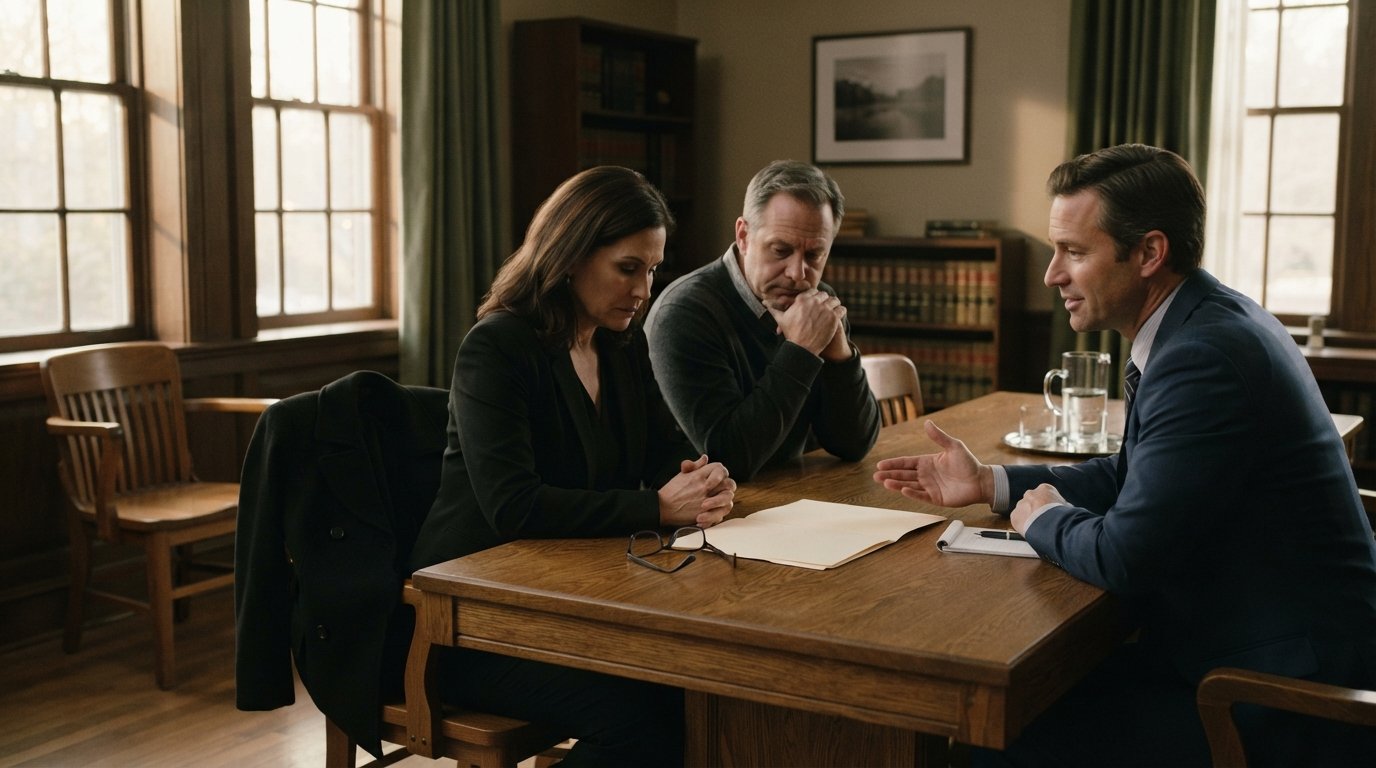
After a fatal accident, families are often contacted by insurance adjusters who want recorded statements before anyone has spoken to a lawyer. Those statements can be used to minimize or deny the claim later. A free confidential case evaluation flips the sequence: it gives the family information first, with no obligation to hire anyone and no cost to ask questions.
During the evaluation, an attorney typically confirms who has standing to file, identifies all potentially liable parties, estimates the range of economic and non-economic damages, and explains the applicable statute of limitations. Families learn whether a survival action should be added, whether punitive damages are realistic, and what the litigation process will demand of them emotionally and financially. Because most wrongful death attorneys work on contingency, there is usually no upfront cost, and fees are paid only if the case recovers money.
Common Mistakes That Reduce Wrongful Death Recovery
Even strong cases can lose value through avoidable errors. Families should be aware of the most frequent missteps:
- Giving recorded statements to insurers before consulting an attorney
- Accepting a quick settlement before the full extent of damages is known
- Missing the statute of limitations or a government notice deadline
- Failing to identify all liable parties, such as employers or product manufacturers
- Overlooking a survival action that could add separate damages
Each of these mistakes is preventable with early legal guidance. The goal is not to turn grief into litigation, but to preserve the family's right to fair compensation for a death that should never have happened.
Wrongful death claims are complex, deadline-driven, and emotionally demanding, but families do not have to navigate them alone. Understanding eligibility, damages, and the legal process is the first step toward protecting your rights and your family's future. When you are ready, a free confidential case evaluation can answer the questions that matter most, with no cost and no obligation to hire. AttorneyLawsuit