
Why Accident Investigations Take Months: Key Factors
After a serious car crash, many victims expect a quick resolution. They assume police, insurers, and lawyers can wrap up an investigation in a few weeks. In reality, accident investigations routinely stretch across several months. Understanding why accident investigations take months helps victims set realistic expectations, avoid frustration, and make informed decisions about their legal options. The timeline is not arbitrary. It reflects the complexity of gathering evidence, reconstructing events, negotiating with insurers, and complying with legal procedures. If you are waiting for answers after a collision, patience is essential, but so is proactive guidance from a qualified attorney.
The Complex Layers of Evidence Collection
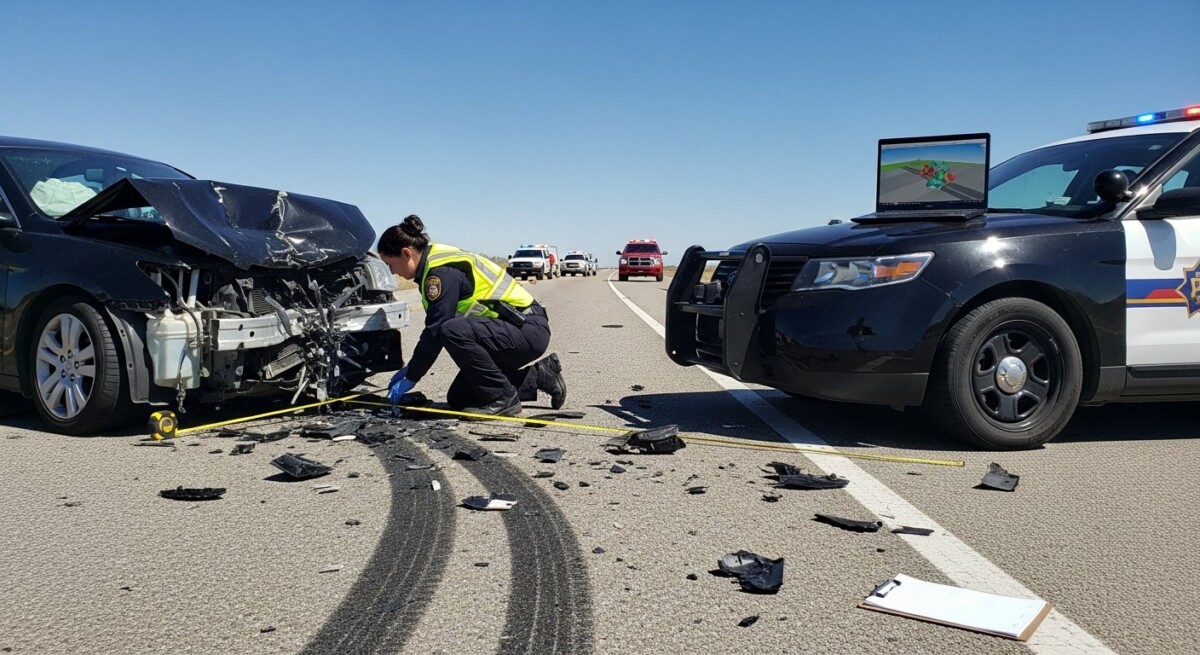
An accident investigation begins long after the wreckage is cleared. Investigators must gather physical evidence from the scene, including tire marks, vehicle damage, debris patterns, and road conditions. In many cases, this evidence is photographed, measured, and logged within hours of the crash. However, analyzing that data takes weeks. Accident reconstruction specialists use computer modeling and physics calculations to determine speeds, points of impact, and driver reactions. Each variable must be cross-checked against witness statements and police reports. Even a single missing data point can delay the entire process.
Digital evidence adds another layer. Modern vehicles are equipped with event data recorders (EDRs) and black box systems that capture speed, braking, steering angle, and seatbelt usage. Retrieving this data requires manufacturer-specific software, legal authorization, and skilled technicians. Insurers and legal teams often request independent analysis to verify the accuracy of factory readings. This back-and-forth can consume two to three months alone. In our guide on why car accident law specialists are essential for your recovery, we explain how expert analysis of vehicle data strengthens your case.
Third-Party Involvement and Subpoena Delays
Accident investigations rarely involve only the two drivers. Third parties such as government agencies, commercial fleet operators, and ride-sharing companies often hold critical evidence. For example, if a rideshare driver caused the crash, the company may possess trip logs, GPS data, and communication records. Obtaining this information requires formal requests, subpoenas, or court orders. These legal steps take time to draft, serve, and enforce. A company may challenge the scope of a subpoena or delay compliance, adding weeks to the timeline. Similarly, local municipalities may take months to release traffic camera footage or signal timing data.
Medical records also fall into this category. Injuries from car accidents often do not fully manifest for days or weeks. Victims may undergo multiple treatments, surgeries, or therapies. Investigators must wait for medical stabilization and documentation before they can assess the full extent of damages. Without complete medical records, insurance adjusters refuse to settle. This waiting period is a major reason why accident investigations take months rather than weeks. As we discuss in navigating a Lyft accident claim: why a specialized lawyer is crucial, handling third-party evidence requires legal experience that most victims lack.
Insurance Company Tactics and Negotiation Timelines
Insurance companies have no incentive to pay quickly. Their business model relies on minimizing payouts and delaying settlements. After an accident, the at-fault party’s insurer conducts its own investigation. This includes hiring independent adjusters, reviewing police reports, and interviewing witnesses. The insurer may request multiple rounds of documentation or ask for recorded statements designed to catch victims in contradictions. These tactics intentionally stretch the timeline, hoping that financial pressure will force victims to accept lowball offers.
Meanwhile, your own insurance company may be involved if you file a claim under uninsured or underinsured motorist coverage. That adds another layer of review and negotiation. Each insurer will demand proof of liability, damages, and causation before agreeing to pay. If liability is disputed, the case may require mediation or arbitration, which can add months to the process. Understanding these tactics is critical. Many victims accept inadequate settlements simply because they cannot afford to wait. A skilled attorney levels the playing field by anticipating delays and pushing back strategically. For a deeper look at this dynamic, read our article on why accident claims get denied after initial approval.
Legal and Regulatory Requirements
Statutes of limitations, court filing deadlines, and discovery rules all influence investigation timelines. If a lawsuit becomes necessary, the discovery phase alone can take six to twelve months. During discovery, both sides exchange evidence, depose witnesses, and submit expert reports. Attorneys must file motions, attend hearings, and comply with procedural rules that prioritize thoroughness over speed. Judges often grant extensions if one side demonstrates a legitimate need for more time. This is especially common in complex cases involving multiple defendants or catastrophic injuries.
Regulatory investigations add another dimension. If a commercial vehicle, defective part, or hazardous road condition contributed to the crash, agencies like the National Transportation Safety Board (NTSB) or the Department of Transportation may become involved. Their investigations are meticulous and can take a year or longer. While these federal probes run parallel to civil claims, their findings can significantly impact settlement negotiations. Waiting for a final report is often necessary to establish liability beyond doubt. This is a primary reason why accident investigations take months in cases involving trucking companies or product defects.
Severity of Injuries and Medical Hold
Victims with life-threatening injuries cannot participate in the investigation immediately. Their medical condition takes priority. Investigators must wait until the victim is stable enough to provide a statement or undergo an independent medical examination. In catastrophic injury cases, the victim may be hospitalized for months. Even after discharge, ongoing treatment and rehabilitation create a moving target for damages calculations. Medical bills, lost wages, and future care costs cannot be finalized until the victim reaches maximum medical improvement (MMI). Reaching MMI often takes six months to a year or more.
Insurance adjusters will not settle a claim until they have a clear picture of total damages. If they settle too early and the victim later requires additional surgery, the insurer cannot be forced to pay more. This creates a natural tension: victims want money quickly, but settling prematurely can leave them undercompensated. Experienced attorneys advise clients to wait until MMI is determined before entering serious negotiations. This medical waiting period is a non-negotiable part of the timeline and a key factor in understanding why accident investigations take months.
Witness Identification and Reliability Issues
Eyewitnesses are often the most unpredictable element of an investigation. Witnesses may leave the scene before providing contact information, or they may give contradictory statements days later. Investigators must locate, interview, and verify each witness. Memory fades over time, so early interviews are essential, but witnesses are not always cooperative. Some fear retaliation, others have moved, and a few simply refuse to participate. In hit-and-run cases, finding witnesses is even harder. Investigators may need to canvass the neighborhood, post public appeals, or review nearby business surveillance footage. Each lead requires follow-up, and dead ends consume time.
Expert witnesses also play a role in longer timelines. Accident reconstructionists, biomechanical engineers, and medical experts must review evidence and prepare written reports. Scheduling their availability, especially for high-demand specialists, can delay a case by weeks. Their findings must be shared with opposing counsel, who may then hire their own experts to challenge the conclusions. This back-and-forth is standard in serious injury cases and contributes directly to the multi-month duration of investigations.
Coordination Between Multiple Parties
A single accident can involve the following parties: two or more drivers, passengers, pedestrians, law enforcement, multiple insurance companies, legal teams, medical providers, employers, and government agencies. Coordinating communication among all these entities is a logistical challenge. Each party has its own schedule, priorities, and willingness to cooperate. Delays multiply when one party fails to respond promptly or disputes basic facts. In cases with multiple claimants, such as a crash involving a family or a bus, the investigation becomes exponentially more complex. Allocating fault and damages among several injured parties requires careful legal work that cannot be rushed.
For victims, this coordination often feels like waiting in a long line with no visible progress. However, each step is necessary to build a legally sound case. A premature settlement based on incomplete evidence can be overturned or leave money on the table. Attorneys who specialize in accident cases understand this rhythm. They manage communication, track deadlines, and push for resolution without sacrificing the quality of the investigation. If you are wondering how to navigate this process, consider the perspective offered in injured in Riverside? why a local car accident lawyer is essential, which explains the value of local legal expertise.
Frequently Asked Questions
How long does a typical accident investigation take?
A simple accident with clear liability and minor injuries may be resolved in two to three months. Complex cases involving severe injuries, multiple parties, or disputed fault can take six months to a year or longer.
Can I speed up the investigation process?
You can help by providing all requested documents promptly, seeking medical treatment immediately, and hiring an attorney early. However, many delays are outside your control, such as waiting for expert reports or insurance company responses.
What happens if the investigation takes too long?
You may face financial strain from medical bills and lost income. An attorney can help you request interim payments or negotiate with insurers for partial advances while the investigation continues.
Do all accident investigations involve lawyers?
Not always. Minor accidents with no injuries may be handled directly between insurers. However, if injuries are involved or liability is disputed, legal representation is strongly recommended to protect your rights and ensure fair compensation.
Will the police investigation delay my insurance claim?
Yes. Insurance companies often wait for the official police report before processing a claim. If the police investigation is slow, your insurance claim will also be delayed.
Understanding why accident investigations take months helps victims manage expectations and avoid costly mistakes. The timeline is driven by evidence complexity, medical recovery, insurance tactics, and legal procedures. While waiting is frustrating, rushing the process can lead to inadequate compensation. Working with an experienced attorney ensures that every step is handled correctly and that you receive the full settlement you deserve. If you have been in an accident and need guidance, call LawyerOffer at (833) 227-7919 to connect with a qualified legal professional who can protect your interests and navigate the investigation on your behalf.

About Eric Lawson
Recent Posts
How Comparative Negligence Laws Differ by State
Understand how comparative negligence laws differ by state and protect your settlement. Call (833) 227-7919 for a free case review.
Why State Laws Differ in Accident Cases and What That Means for You
Understand how state laws differ in accident cases and protect your claim. Call (833) 227-7919 for a free attorney referral.
How Jurisdiction Affects Accident Claim Outcomes
Understand how jurisdiction affects accident claim outcomes and maximize your recovery. Call (833) 227-7919 for a free attorney referral.