
How Dashcam Footage Changes Liability Decisions
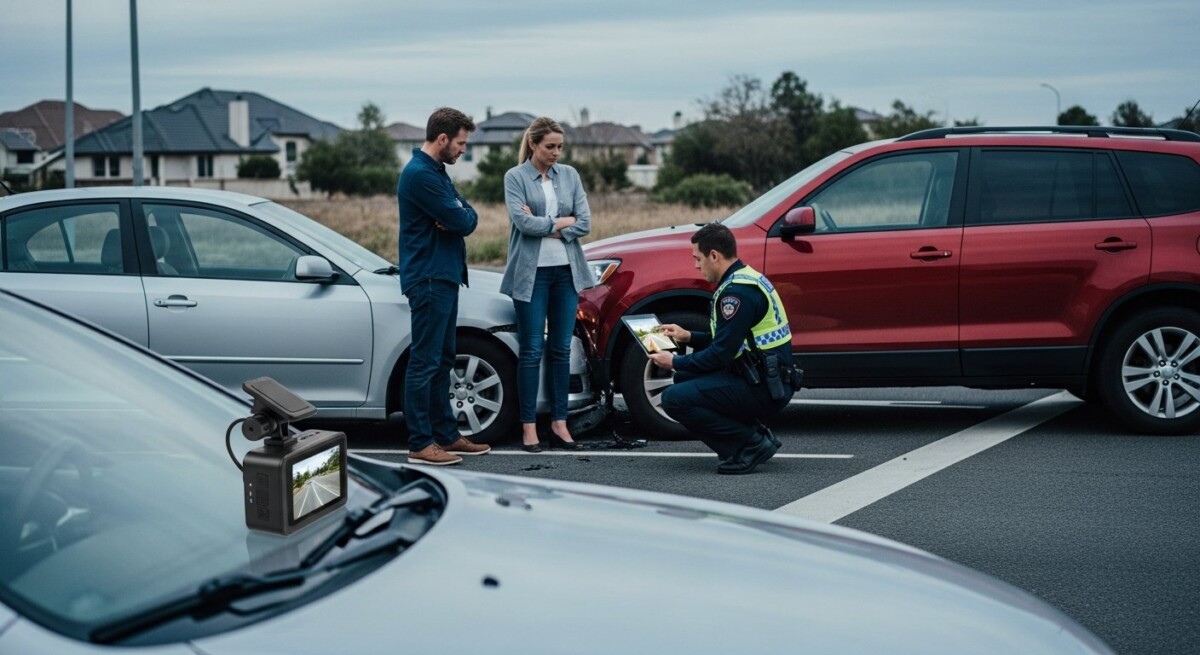
Imagine two drivers at an intersection, both pointing at each other after a fender bender. Each tells a different story, and without independent evidence, the insurance companies may split fault or deny the claim entirely. Now imagine the same accident captured by a dashcam. The footage shows exactly who ran the red light, who was speeding, and who had the right of way. Suddenly, the dispute is no longer a he-said-she-said contest. This is the reality of modern accident claims, and it is why how dashcam footage changes liability decisions has become one of the most important questions for anyone involved in a collision.
Dashcams are no longer a niche gadget for professional drivers. They are affordable, easy to install, and increasingly standard in new vehicles. As their presence grows, courts and insurance adjusters have come to rely on this evidence to resolve disputes faster and more fairly. For accident victims, understanding the power of dashcam footage can mean the difference between a quick settlement and a prolonged legal battle. This article explains the many ways dashcam evidence influences liability decisions, what you should do if you have footage, and how to use it effectively with the help of legal professionals.
What Dashcam Footage Does to a Liability Claim
Liability in a car accident is about determining who was at fault. Insurance companies and courts look at evidence such as police reports, witness statements, and physical damage. However, these sources can be incomplete or biased. Witnesses may misremember details, and police officers often rely on what the drivers tell them at the scene. Dashcam footage provides an objective, real-time recording of the events leading up to, during, and sometimes after the crash. This objectivity is what makes it so powerful.
When a dashcam video is introduced, it often eliminates the need for lengthy investigations. An adjuster can review the footage and make a quick decision about fault. If the video clearly shows the other driver running a stop sign, the liability decision becomes straightforward. The at-fault driver’s insurance company is unlikely to dispute the evidence, which accelerates the claims process and reduces legal costs for both sides.
Neutral Evidence in a Dispute
One of the most significant ways how dashcam footage changes liability decisions is by providing neutral evidence. Unlike a driver who may be emotionally invested in the outcome, a camera has no bias. It records exactly what happens, without exaggeration or omission. This neutral perspective is particularly valuable in cases where both drivers are convinced they are right. A video can reveal subtle details, such as a turn signal that was never activated or a brake light that failed, that would otherwise go unnoticed.
Preventing Fraudulent Claims
Dashcams also protect innocent drivers from staged accidents and exaggerated claims. Fraudulent schemes, such as sudden braking or intentional collisions, are a growing concern for insurers. A dashcam can expose these tactics, leading to a denial of the fraudulent claim and protecting the innocent driver’s record and premiums. In this sense, dashcam footage not only changes liability decisions but also deters dishonest behavior on the road.
Key Ways Dashcam Evidence Affects Fault Determination
There are several specific mechanisms through which dashcam footage influences liability. Understanding these can help you appreciate why this evidence is so valuable in an accident claim.
- Clarifies the sequence of events: The video shows the exact order of actions by both drivers, from lane changes to braking, which is crucial for determining who had the last clear chance to avoid the crash.
- Identifies the primary cause: Footage often reveals the root cause, such as running a red light, illegal lane change, or distracted driving, which directly points to fault.
- Corroborates or contradicts witness statements: A video can confirm a witness’s account or show that a witness was mistaken, which helps adjusters weigh testimony.
- Exposes false claims and exaggerations: The camera can show the severity of the impact, which may contradict claims of serious injuries or extensive vehicle damage.
- Provides a timestamp and location data: Many dashcams record the date, time, and GPS coordinates, which establishes the exact accident scene and time, supporting or challenging alibis.
These factors combine to give investigators a clear, factual basis for assigning fault. When the footage is unambiguous, insurance companies are far less likely to engage in lengthy negotiations or lowball settlement offers. They know that the evidence will hold up in court, so they often move quickly to resolve the claim fairly.
The Impact on Insurance Adjusters
Insurance adjusters have a difficult job. They must evaluate claims quickly while managing risk for their company. Dashcam footage simplifies this task. Instead of relying on inconsistent statements and incomplete reports, they can watch the accident happen. This reduces the time spent on each claim and minimizes the chance of a costly mistake. As a result, adjusters often give significant weight to dashcam evidence when making liability decisions.
In cases where the footage is not clear or only captures part of the accident, the adjuster may still use it to infer fault. For example, if a rear-end collision occurs and the dashcam shows the following driver tailgating just before impact, the adjuster may conclude that the following driver was negligent. Even partial footage can shift the balance of evidence in a claim.
Subrogation and Recovery
When a claim involves multiple parties, such as a multi-vehicle pileup, dashcam footage can help insurers determine which driver was the initial cause of the chain reaction. This is critical for subrogation, where an insurance company seeks reimbursement from the at-fault party’s insurer. A clear video can identify the trigger vehicle, allowing the other insurers to recover their payouts from the responsible party. This process is faster and more accurate when dashcam evidence is available.
How Courts View Dashcam Video
In civil litigation, courts have generally accepted dashcam footage as admissible evidence, provided it is authentic and relevant. To enter a video into evidence, a party must show that it accurately represents the events and that no tampering occurred. Dashcams that continuously record in a loop are typically considered reliable, as they are not easily manipulated. Once admitted, the video can be the deciding factor in a liability verdict.
Judges and juries are human, and they respond to visual evidence. A video of a crash is far more compelling than a witness’s description. It can create a clear narrative that is difficult to argue against. For this reason, attorneys often use dashcam footage to strengthen their client’s case during settlement negotiations and in the courtroom. If the opposing party sees the video, they may be more inclined to settle rather than risk an unfavorable verdict.
Preserving the Integrity of the Footage
To ensure the footage is admissible, it must be preserved properly. The memory card should be removed from the dashcam and stored in a safe place. Do not edit or alter the video in any way, as this could raise questions about its authenticity. Make a backup copy, and consider having an expert verify the file’s metadata. An attorney can guide you through this process to protect the evidence.
State Laws and Privacy Considerations
While dashcams are legal in all 50 states, there are some restrictions on where you can place them. For instance, in some states, it is illegal to mount a device on the windshield if it obstructs the driver’s view. Many states allow mounting on the dashboard or rearview mirror. Always check your state’s specific laws to ensure compliance. Additionally, some states have restrictions on recording audio without consent. If your dashcam records sound, be aware of these laws and consider turning off the audio recording if necessary.
Privacy concerns also arise when sharing footage publicly. Posting a video of an accident online may violate the privacy rights of others involved. It is generally best to share footage only with your attorney, your insurance company, and law enforcement. Your attorney can advise you on what is appropriate to share and when.
Using Dashcam Footage in Your Claim
If you have dashcam footage of an accident, there are several steps you should take to maximize its benefit. First, ensure the camera was recording at the time of the crash. Many dashcams have a built-in G-sensor that automatically saves the current file when a collision is detected, preventing it from being overwritten. If your camera does not have this feature, manually lock the file or remove the memory card immediately.
Next, contact a personal injury attorney who can evaluate the footage and advise you on how to proceed. An experienced lawyer will know how to present the evidence to insurance companies and, if necessary, in court. They can also handle communication with the other party’s insurer, preventing you from making statements that could be used against you.
When you speak with your insurance company, do not offer the footage right away. Let your attorney review it first. In some cases, the footage may reveal something that could hurt your claim, such as your own partial fault. Your attorney can help you decide whether to disclose the footage or use it strategically in negotiations.
Case Examples: Real-World Impact
Consider a case where a driver claims they had a green light, but the other driver’s dashcam shows the light was red for the claimant. Without the video, the case would be a credibility contest. With the video, the claimant’s case collapses, and they are found at fault. This is a clear example of how dashcam footage changes liability decisions by providing irrefutable evidence.
Another scenario involves a pedestrian accident. A dashcam may capture the pedestrian stepping out from between parked cars, making it difficult to prove the driver was negligent. Conversely, if the video shows the pedestrian was clearly in a crosswalk with a walk signal, the driver’s liability is almost certain. In both cases, the footage resolves the ambiguity that would otherwise dominate the claim.
What If You Don’t Have Dashcam Footage?
Not every driver has a dashcam, and even those who do may not have captured the accident. If you do not have footage, you can still pursue a claim, but you may face more challenges. Witness statements, police reports, and expert testimony become more important. In these situations, an attorney can help you gather and present the evidence you do have. They can also investigate whether any nearby businesses or traffic cameras captured the accident. Many intersections have city-operated cameras, and storefronts may have security footage that includes the roadway.
Working with a Legal Professional
Given the complexity of liability decisions, especially when dashcam footage is involved, it is wise to consult with a qualified attorney. At LawyerOffer, we connect individuals with experienced personal injury lawyers who understand the nuances of accident evidence. Our network includes attorneys who regularly handle car accident claims and know how to use dashcam footage effectively. Whether you have the footage or need help finding it, a lawyer can make a significant difference in the outcome of your case.
If you have been in an accident and are unsure how to handle the evidence, contact LawyerOffer. We can match you with a lawyer who will fight for your rights and ensure that all available evidence, including dashcam footage, is used to your advantage. Our service is free, and there is no obligation to hire the attorney we recommend.
Frequently Asked Questions
Is dashcam footage always admissible in court?
Generally, yes, if it is authentic and relevant. The court will require a foundation showing the video accurately depicts the accident and has not been altered. An attorney can help you meet these requirements.
Can dashcam footage be used against me?
Yes, the footage can be used to determine your fault as well. If the video shows you were partially or fully at fault, it will likely be used by the other party’s insurer. Always review the footage with your attorney before sharing it.
Do I need to tell my insurance company about my dashcam?
You are not legally required to disclose it, but if you file a claim, the insurer may ask about any recording devices. It is best to be honest while following your attorney’s advice about what to share.
How long should I keep the footage?
Keep the footage until your claim is fully resolved, including any appeals. In some cases, it may be wise to keep it for several years, especially if there is a potential for a lawsuit. Your attorney can advise you on the appropriate retention period.
Moving Forward with Confidence
Dashcam footage has revolutionized the way liability decisions are made in car accident cases. It provides a level of clarity that was previously impossible, reducing disputes and ensuring that fault is assigned based on facts rather than memory or bias. If you have dashcam footage of an accident, you hold a powerful tool. Use it wisely, and seek the guidance of a skilled attorney to ensure your rights are protected.
At LawyerOffer, we are committed to helping you navigate the legal process with confidence. If you need legal representation after an accident, we are here to connect you with professionals who can help. Call us today at (833) 227-7919 to get started. Your future may depend on the decisions you make now, and with the right evidence and legal support, you can achieve a fair outcome.

About Julian Everoak
Recent Posts
How Speed Is Proven After a Crash: Key Evidence
Learn how speeding is proven after an accident using EDR data, skid marks, and video. Call (833) 227-7919 for a free attorney referral.
How Texting Evidence Is Used in Accident Cases
Discover how texting evidence is used in accident cases to prove fault and win claims. Call (833) 227-7919 for a free case review.

How Texting Evidence Is Used in Accident Cases
Learn how texting evidence is used in accident cases and how it can prove fault or challenge claims. Call (833) 227-7919 for a free attorney referral.