
Weather Impact on Liability: Key Legal Facts
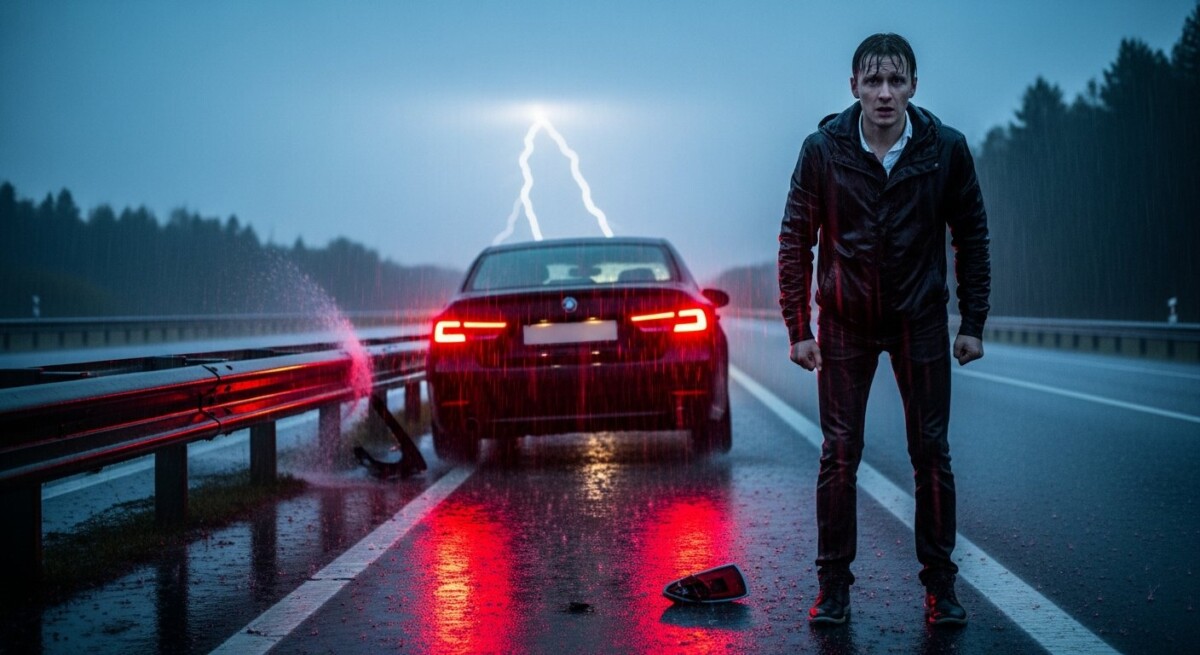
When a car skids on black ice and hits a guardrail, or a customer slips on a wet floor during a downpour, the first question is always the same: who is responsible? Weather conditions are not just background noise in personal injury cases. They are central pieces of evidence that can either strengthen or destroy a claim. Understanding how weather conditions affect liability decisions can mean the difference between a fair settlement and a denied claim. This article breaks down the legal principles, practical examples, and strategic steps you need to know if weather played a role in your accident.
The Legal Standard of Care in Bad Weather
Liability in personal injury cases hinges on the concept of negligence. To prove negligence, you must show that someone failed to act with reasonable care. The law does not excuse negligent behavior just because the weather was bad. Instead, it raises the bar. A driver who speeds on a rainy night is not judged by the same standard as one driving on a clear day. The reasonable person standard adapts to the circumstances, which means the same action can be negligent in one weather condition and perfectly acceptable in another.
For example, take two drivers who both take a curve at 35 miles per hour. On a dry, sunny afternoon, that speed is likely safe. On an icy road, the same speed could be reckless. Courts and insurance adjusters look at whether the driver adjusted their behavior to the conditions. This concept, often called the “reasonable prudent person under the circumstances” standard, is the foundation of weather-related liability decisions. In our guide on how accident timeline affects claim credibility, we discuss how the sequence of events leading up to the crash is scrutinized to determine fault.
How Weather Affects Driver Liability in Car Accidents
Weather conditions are a major factor in thousands of car accidents each year. Rain, snow, fog, ice, and high winds all reduce visibility and vehicle control. When an accident occurs during bad weather, the key issue is not the weather itself, but how the driver responded to it. If a driver failed to slow down, follow at a safe distance, or use headlights, they can be found negligent even in a severe storm.
Consider a scenario where a driver rear-ends another vehicle on a wet highway. The driver may argue that the rain made the road slick and caused the collision. However, the law requires drivers to anticipate weather hazards and adjust accordingly. Tailgating on a slippery road is a classic example of negligence. Insurance companies will examine the speed of both vehicles, the condition of the tires, and the driver’s reaction time to decide liability. In many cases, the following driver is found at fault because they failed to maintain a safe distance for the conditions.
Another important aspect is the distinction between ordinary negligence and gross negligence. In severe weather, a driver who proceeds at an unsafe speed during a tornado warning or drives through flooded roads despite barriers may be deemed grossly negligent. This higher level of fault can affect the amount of compensation you receive, and it may also impact whether punitive damages are available. If you have been in a weather-related crash, understanding these nuances is critical. For a broader look at how various factors influence your claim, see our article on how policy limits affect accident settlements.
Premises Liability: When Property Owners Are Responsible
Weather does not only affect road accidents. It also plays a major role in slip and fall cases on someone else’s property. Property owners have a duty to keep their premises reasonably safe for visitors. This duty includes addressing hazards caused by weather, such as snow, ice, or wet floors. However, the law recognizes that property owners cannot prevent every weather-related danger instantly. The key question is whether the owner acted reasonably in the time they had.
For example, a store owner who fails to place wet floor signs after a rainstorm may be liable if a customer slips and falls. On the other hand, if a sudden hailstorm creates a puddle in the entrance and the owner had no reasonable time to address it, liability may be harder to prove. The concept of “constructive notice” is important here. If the hazard existed for a long enough period that the owner should have known about it, they are considered to have notice. Courts often look at how long the dangerous condition was present before the accident.
In cases involving ice and snow, many states have specific rules. Some apply the “natural accumulation” rule, which means property owners are not liable for injuries caused by snow or ice that accumulated naturally, unless they did something to make it worse. Other states use a more general negligence standard. If you are injured on someone’s property due to weather, you need to act quickly to preserve evidence, such as photographs of the area and records of weather reports. The strength of your case often depends on proving the owner had enough time to fix the problem.
Evidence That Matters in Weather-Related Claims
Proving liability in a weather-related accident requires solid evidence. The more details you can gather, the better your chances of a successful claim. Here are the most important types of evidence to collect:
- Weather reports and radar data from the day of the accident, showing exact conditions at the time.
- Photographs of the scene, including road conditions, visibility, and any signage or hazards.
- Witness statements from people who saw the accident or the conditions leading up to it.
- Maintenance logs or inspection records from the property owner, if applicable.
- Any dashcam footage or traffic camera videos that captured the incident.
Each piece of evidence helps establish what a reasonable person should have done in those specific weather conditions. For example, a weather report showing heavy rain at the exact time of your accident can support your argument that the other driver was going too fast for the conditions. On the other hand, if the weather was clear but the road was icy due to a recent storm, evidence of prior snow removal efforts may be crucial in a premises liability case.
In addition to physical evidence, your own actions matter. If you were driving or walking in a reasonable manner given the weather, that works in your favor. If you were behaving recklessly, the defense may argue comparative negligence, which can reduce your compensation. That is why it is essential to document everything and consult with an attorney who understands how weather conditions affect liability decisions.
Insurance Companies and the Weather Defense
Insurance companies frequently use weather as a defense to avoid paying claims. They may argue that the accident was an “act of God” and therefore not anyone’s fault. While it is true that no one can control the weather, this defense does not automatically eliminate liability. An act of God defense only works if the weather was so severe that no amount of reasonable care could have prevented the accident. In most cases, there is something the responsible party could have done differently.
For instance, a driver who hits a pedestrian during a foggy morning may claim that the fog made it impossible to see. However, if the driver was speeding, not using headlights, or distracted, the weather is not the sole cause. The insurance company will try to shift blame to the weather to minimize their payout. Your job is to counter that narrative with evidence that the driver’s negligence was the primary cause. This is where legal representation becomes invaluable.
Negotiating with insurance companies after a weather-related accident can be complex. They have teams of adjusters and lawyers who are skilled at minimizing claims. You need someone on your side who can present your case effectively. In our article on how medical billing affects accident compensation, we explain how medical costs are calculated, which is directly relevant if you are seeking damages for injuries from a weather-related accident.
Comparative Negligence in Weather Accidents
Many states use a comparative negligence system to assign fault in personal injury cases. Under this system, each party’s percentage of fault is determined, and the final compensation is reduced accordingly. Weather can play a significant role in this calculation. For example, if you were driving 10 miles over the speed limit in light rain when another car ran a red light and hit you, the court may find you 20 percent at fault for not adjusting your speed to the conditions. Your total damages would then be reduced by that 20 percent.
This system makes it even more important to understand how weather conditions affect liability decisions. A small percentage of fault on your part can mean a significant reduction in your settlement. Insurance companies are known for trying to inflate the victim’s percentage of fault, especially when weather is involved. They may argue that you should have known the roads were slippery or that you were driving too fast for the conditions. To protect your rights, you need to be prepared to challenge these arguments with strong evidence.
Working with an attorney who has experience in weather-related cases can help you navigate these challenges. They can gather expert testimony from meteorologists, accident reconstruction specialists, and medical professionals to build a strong case. They also know how to negotiate with insurers to ensure you receive the compensation you deserve, not the lowball offer they often make.
Common Weather Scenarios and Their Legal Outcomes
To illustrate how weather conditions affect liability decisions, consider these common scenarios:
- Rain and hydroplaning: A driver loses control on a wet road and crashes into another vehicle. Liability usually falls on the driver who failed to reduce speed, but if the road had a known drainage problem, the government or property owner may share fault.
- Ice and snow: A pedestrian slips on an icy sidewalk outside a business. The owner may be liable if they failed to clear the walkway within a reasonable time after the storm ended.
- Fog and reduced visibility: A multi-car pileup occurs on a foggy highway. The lead driver who stopped abruptly may be partly at fault, but following drivers who were too close are often found liable for not maintaining a safe distance.
- High winds: A tree falls on a car during a windstorm. The property owner may be liable if the tree was visibly dead or diseased, but not if the wind was so extreme that it would have downed any tree.
Each scenario requires a detailed analysis of the specific facts. The weather is never the sole cause of an accident; it is always combined with human actions or inactions. That is why courts and insurers look at the reasonableness of each party’s behavior in the context of the weather conditions.
Steps to Take After a Weather-Related Accident
If you are involved in an accident where weather played a role, your immediate actions can affect your claim. Here are the steps you should take:
- Move to a safe location and call 911. Report the accident and request medical assistance if needed.
- Exchange information with the other driver, including name, contact info, insurance details, and license plate number.
- Take photographs of the scene, including the vehicles, road conditions, and any relevant weather evidence like snow piles or puddles.
- Get contact information from any witnesses.
- Seek medical attention even if you feel fine, as some injuries may not be immediately apparent.
- Report the accident to your insurance company, but be careful about what you say. Stick to the facts and avoid admitting fault.
- Contact a qualified attorney who can help you understand your rights and options.
These steps protect your health and your legal interests. The sooner you act, the easier it is to preserve evidence and build a strong case.
Frequently Asked Questions
Can I be held liable for an accident caused by weather?
Yes, you can be held liable if your actions before the accident were negligent. For example, if you were speeding on a wet road, you may be found at fault even though the rain was a contributing factor. The law expects you to adjust your driving to the conditions.
What is the act of God defense in weather accidents?
The act of God defense is a claim that the accident was caused solely by natural forces beyond human control. It is rarely successful because most accidents involve some human negligence. To use this defense, the defendant must show that no reasonable care could have prevented the accident.
How do insurance companies determine fault in weather-related accidents?
Insurance companies review the evidence, including weather reports, witness statements, and vehicle damage. They apply the legal standard of reasonable care to each party’s actions. If the weather made conditions hazardous, they expect drivers to have slowed down and increased following distance.
Should I hire a lawyer for a weather-related accident claim?
It is highly recommended. Weather-related cases are complex, and insurance companies often use the weather as a defense. A lawyer can gather evidence, negotiate with insurers, and ensure you receive fair compensation. If you have been injured, legal representation can make a significant difference.
What if the weather was extremely severe, like a hurricane?
In cases of extreme weather, courts may consider whether the event was truly unforeseeable. If a hurricane caused a tree to fall on your car, the property owner may not be liable if they had no warning and the tree was healthy. However, if they ignored evacuation orders or failed to secure loose objects, they could be held responsible.
Getting Help with Your Weather-Related Claim
Weather conditions can complicate any personal injury claim, but they do not have to determine the outcome. With the right evidence and legal strategy, you can hold the responsible parties accountable. At LawyerOffer, we connect you with experienced attorneys who understand how weather conditions affect liability decisions. Our network of lawyers can evaluate your case, explain your options, and fight for the compensation you deserve.
Do not let bad weather ruin your chance at a fair settlement. Reach out to us today to get matched with a qualified attorney in your area. Your consultation is confidential, and there is no obligation to proceed. Call us at (833) 227-7919 to speak with a legal representative who can guide you through the process. Remember, the weather may have caused the accident, but it does not have to dictate your future.

About Julian Everoak
Recent Posts
How Speed Is Proven After a Crash: Key Evidence
Learn how speeding is proven after an accident using EDR data, skid marks, and video. Call (833) 227-7919 for a free attorney referral.
How Texting Evidence Is Used in Accident Cases
Discover how texting evidence is used in accident cases to prove fault and win claims. Call (833) 227-7919 for a free case review.

How Texting Evidence Is Used in Accident Cases
Learn how texting evidence is used in accident cases and how it can prove fault or challenge claims. Call (833) 227-7919 for a free attorney referral.