
Mechanical Failure: How It Affects Liability Cases
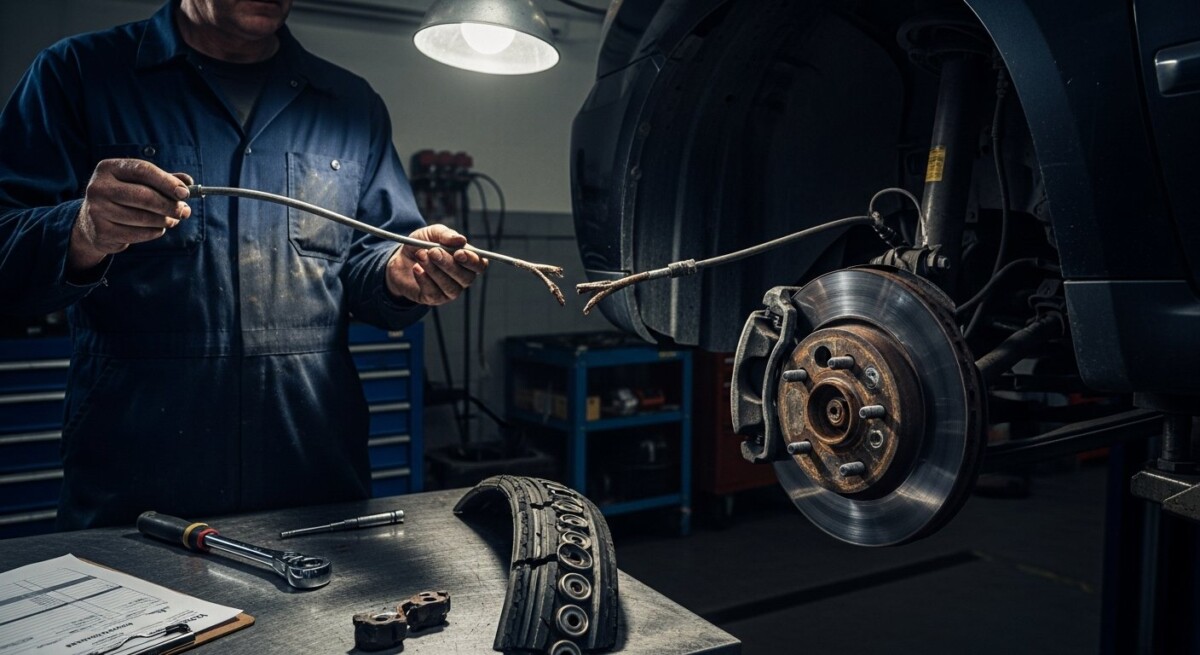
When a car crash, a product malfunction, or an industrial accident leaves someone injured, the first question is usually who pays. But when the cause is a broken part, a faulty brake, or a failed component, the answer becomes complex. Mechanical failure sits at the intersection of negligence, product liability, and insurance law, and it can shift responsibility in unexpected ways. Understanding how mechanical failure affects liability cases is essential for anyone seeking compensation after an accident. This article breaks down the legal principles, the evidence required, and the practical steps to protect your claim.
Mechanical failure does not automatically mean someone is at fault. Instead, the courts and insurers look for a chain of responsibility: who designed the part, who manufactured it, who installed it, who maintained it, and who failed to warn about its risks. Each link in that chain can bear liability, and the outcome often depends on the type of failure and the context of the accident. Whether you are dealing with a defective tire, an engine fire, or a brake failure on a commercial truck, the legal analysis follows a similar pattern. In this guide, we will explore the key factors that determine liability and how you can build a strong case.
Legal Theories Behind Mechanical Failure Claims
Liability for mechanical failure generally falls under one of three legal doctrines: negligence, strict product liability, or breach of warranty. Each theory has different requirements and consequences, and an experienced attorney will choose the one that best fits your facts. In negligence cases, the plaintiff must prove that the defendant failed to exercise reasonable care in designing, manufacturing, or maintaining the product. For example, if a car manufacturer ignored a known defect in a fuel pump, and that pump failed and caused a fire, the manufacturer could be negligent.
Strict product liability, on the other hand, does not require proof of fault. Under this doctrine, if a product is defective and unreasonably dangerous, the manufacturer, distributor, or retailer can be held liable for injuries caused by the defect, even if they exercised all possible care. This is a powerful tool for plaintiffs because it removes the need to show negligence. However, the defect must have existed at the time the product left the defendant’s control. Breach of warranty claims rely on promises made by the seller about the product’s performance, either express or implied. If the product fails to meet those promises, the seller may be liable for resulting injuries.
In practice, most mechanical failure cases combine these theories. A skilled lawyer will investigate the failure, determine who is responsible, and file claims against all potentially liable parties. This approach maximizes your chances of recovery, especially when multiple parties are involved, such as a parts manufacturer, the assembler, and the dealership that sold the vehicle.
Types of Mechanical Failures and Their Legal Impact
Mechanical failures can be grouped into three broad categories: design defects, manufacturing defects, and maintenance failures. Each has distinct legal implications, and the type of failure will influence how you prove your case. Design defects occur when the product’s design is inherently unsafe, even if it is manufactured perfectly. For instance, a vehicle with a poorly placed fuel tank that ruptures in a rear-end collision is a design defect. Manufacturing defects, by contrast, arise from errors during production, such as a faulty weld or a contaminated batch of components. These defects affect only some units, not the entire product line.
Maintenance failures are different. They occur when a product is not properly serviced or inspected, leading to a breakdown. In these cases, liability often falls on the owner, operator, or maintenance provider rather than the manufacturer. For example, if a trucking company fails to replace worn brake pads, and the brakes fail on a downhill grade, the company may be liable for negligence. The distinction matters because it determines who you can sue and what evidence you need. A design defect requires expert testimony about the design’s flaws, while a maintenance failure may only require maintenance logs and inspection records.
Another important type is the failure to warn. Even if a product is safe when used correctly, the manufacturer must warn of dangers associated with foreseeable misuse or wear. If a tire manufacturer knows that their tires degrade after 30,000 miles but does not warn consumers, they may be liable for a blowout that causes a crash. These cases require detailed documentation of the product’s warnings and instructions, as well as expert analysis of consumer expectations.
How Courts Allocate Fault in Mechanical Failure Cases
In many jurisdictions, the principle of comparative negligence applies. This means that if the plaintiff contributed to the accident through their own actions, their compensation is reduced by their percentage of fault. For example, if you were speeding when your tire blew out, the court might find you 20% at fault, reducing your award by that amount. However, in some states, if your fault exceeds 50%, you may be barred from recovery altogether. This makes it crucial to document your driving behavior and the condition of the vehicle before the failure.
Courts also consider the doctrine of res ipsa loquitur, which means “the thing speaks for itself.” This doctrine allows the plaintiff to infer negligence without direct evidence when the accident is of a type that ordinarily does not occur without negligence, the defendant had exclusive control over the instrumentality, and the plaintiff did not contribute to the cause. In mechanical failure cases, res ipsa loquitur can be useful when the exact failure mechanism is unknown but the circumstances strongly suggest negligence. For instance, if a new car’s steering column suddenly fails while driving straight on a smooth road, a court might apply res ipsa loquitur.
Liability can also be shared among multiple defendants. The legal term is joint and several liability, which allows the plaintiff to recover the full amount of damages from any one defendant, regardless of their individual share of fault. The defendant then has the right to seek contribution from other liable parties. This is particularly important in product liability cases where the manufacturer, distributor, and retailer are all in the chain of distribution. Understanding these rules helps your attorney strategize the best approach to maximize your recovery.
Proving Mechanical Failure: Evidence and Expert Testimony
To succeed in a mechanical failure case, you must prove three elements: the failure occurred, the failure was the cause of your injuries, and the failure was due to a defect or negligence. This requires a thorough investigation and the preservation of evidence. The most critical piece of evidence is the failed component itself. You should never repair or discard the defective part. Instead, have it preserved and examined by an expert. Photographs, videos, and maintenance records are also vital.
Expert testimony is often the cornerstone of these cases. A mechanical engineer can analyze the failed part, determine the cause of failure, and testify whether the defect was a design flaw, a manufacturing error, or a result of improper maintenance. Additionally, a human factors expert might explain how the failure affected your ability to control the vehicle. The expert’s report should be detailed, including testing methods, findings, and conclusions. Without expert testimony, it is nearly impossible to prove a mechanical defect, as courts require scientific evidence rather than mere speculation.
Another key piece of evidence is the chain of custody. You must be able to show that the part you are presenting in court is the same part that failed, and that it has not been altered. This requires documentation of every person who handled the part, from the accident scene to the expert’s lab. Any break in the chain can make the evidence inadmissible. Therefore, it is advisable to have your attorney handle the preservation process from the start.
Documentation Checklist for Your Claim
To build a solid case, gather the following documents as soon as possible after the accident:
- Police report and any witness statements
- Photographs of the damaged vehicle and the failed part
- Maintenance and repair records for the vehicle or product
- Purchase receipts, warranties, and user manuals
- Any recall notices or safety bulletins related to the product
Having these items organized will make it easier for your attorney to assess the strength of your claim and for the insurance company to review your case. It also demonstrates that you are a responsible claimant, which can encourage a fair settlement. If you are unsure whether you have all the necessary evidence, a consultation with a product liability attorney can clarify what is missing.
Insurance Complications in Mechanical Failure Cases
Insurance companies often dispute mechanical failure claims because they are complex and expensive to investigate. The insurer may argue that the failure was due to wear and tear, which is typically excluded from coverage, or that the accident was caused by driver error. They may also attempt to shift blame to the manufacturer, hoping to avoid paying the claim. This is why understanding how insurance handles disputed liability cases is crucial. In our guide on that topic, we explain the tactics insurers use and how to counter them.
If you have comprehensive or collision coverage, your own insurance may pay for repairs, but the insurer will then seek subrogation against the responsible party. This can be a lengthy process, and you might not see a settlement until the subrogation claim is resolved. Additionally, if the mechanical failure was due to a manufacturing defect, the manufacturer’s product liability insurance may cover your damages. However, these policies often have strict notification deadlines, so you should report the incident to the manufacturer as soon as possible.
Another complication is the “failure to maintain” defense. Insurance companies frequently argue that the vehicle owner neglected routine maintenance, causing the failure. To counter this, you need documented proof of regular servicing, such as oil changes, brake inspections, and tire rotations. If you cannot provide such records, the insurer may reduce or deny your claim. Therefore, it is essential to keep a detailed maintenance log for your vehicle and any other equipment involved in the accident.
In cases involving commercial vehicles, the stakes are higher. Trucking companies have their own insurance policies, and the Federal Motor Carrier Safety Administration (FMCSA) requires them to maintain certain safety standards. If a mechanical failure occurs because the trucking company violated these standards, they may be liable for punitive damages. An experienced attorney can help you navigate the complex web of insurance policies and regulations to ensure you receive the full compensation you deserve.
Comparative Fault and the Role of the Plaintiff
In many mechanical failure cases, the plaintiff’s own actions come under scrutiny. For example, if you were driving at excessive speed when a tire blew out, the defense may argue that you contributed to the accident. Under comparative fault rules, your compensation is reduced by your percentage of fault. In some states, if you are more than 50% at fault, you cannot recover anything. Therefore, it is vital to present evidence showing that you were driving responsibly and that the mechanical failure was the primary cause of the accident.
Your attorney will also consider whether you had prior notice of a problem. If you felt a vibration in the steering wheel for weeks before the accident but ignored it, the court may find you partially at fault for failing to address a known issue. Conversely, if the failure occurred suddenly and without warning, you are less likely to be blamed. This is why expert testimony about the failure’s suddenness is so important.
Another factor is whether the plaintiff misused the product. If you used a power tool in a way that the manufacturer did not intend, and the tool malfunctioned, the defense may argue that the misuse caused the failure. However, if the misuse was foreseeable, such as using a ladder on uneven ground, the manufacturer may still be liable. Courts will examine the intended use and any warnings provided. To strengthen your case, you should be prepared to explain how you were using the product at the time of the failure and how that use was reasonable.
Statutes of Limitations and Filing Deadlines
Every state has a statute of limitations for product liability and personal injury claims, typically ranging from one to six years. The clock usually starts on the date of the accident, but in some cases, it may begin when you discovered or should have discovered the defect. Missing this deadline can bar your claim entirely, so it is crucial to consult an attorney as soon as possible. In addition, some states require you to provide notice to the manufacturer within a certain period, often 90 days, before filing a lawsuit.
Because these deadlines vary by state and are strictly enforced, you should not delay your investigation. Your attorney will determine the applicable statute of limitations and ensure that all necessary paperwork is filed on time. If your case involves a government entity, such as a vehicle owned by a public agency, you may have an even shorter window, sometimes as little as 90 days. In such cases, failure to file a notice of claim can be fatal to your case.
To avoid these pitfalls, it is wise to seek legal advice immediately after a mechanical failure accident. An attorney can also help you preserve evidence and gather expert testimony before memories fade and witnesses disappear. For more detailed information on claim deadlines, including how they apply to different types of accidents, you can refer to our article on accident claim deadlines.
Why Legal Representation Matters
Mechanical failure cases are notoriously difficult to prove. They require a deep understanding of engineering, product liability law, and insurance tactics. Without experienced legal counsel, you may accept a low settlement offer or miss critical deadlines. An attorney can negotiate with insurance companies on your behalf, hire qualified experts, and, if necessary, take your case to trial. They can also help you identify all potentially liable parties, from the manufacturer to the mechanic who last serviced the vehicle.
Moreover, attorneys have access to resources that most individuals do not, such as databases of recall information and past lawsuits involving similar defects. This allows them to build a compelling case. In many instances, the mere involvement of an attorney prompts insurance companies to offer a higher settlement, as they know the case is being handled professionally. If you are considering filing a claim, it is in your best interest to consult with a lawyer who specializes in product liability and personal injury.
At LawyerOffer, we can connect you with attorneys who have experience in mechanical failure cases. Our referral service is free, and we only work with reputable law firms that have a track record of success. Whether your case involves a car accident, a defective consumer product, or an industrial accident, we can help you find the right legal representation. Additionally, we provide educational resources to help you understand your rights, such as our guide on how insurance handles disputed liability cases.
Frequently Asked Questions
What should I do immediately after a mechanical failure accident?
First, ensure your safety and seek medical attention if needed. Then, preserve the failed part and any other evidence, such as photographs and maintenance records. Do not repair the vehicle before an expert can examine it. Contact a lawyer as soon as possible to discuss your options.
Can I sue the manufacturer if my car had a mechanical failure?
Yes, you can sue the manufacturer under product liability law if the failure was due to a design defect, manufacturing defect, or failure to warn. However, you will need expert testimony to prove the defect and that it caused your injuries.
What if the mechanical failure was caused by poor maintenance?
If the failure was due to a lack of maintenance, the owner or maintenance provider may be liable, not the manufacturer. You will need to show that the party responsible for maintenance failed to take reasonable care.
How long do I have to file a claim?
The statute of limitations varies by state, typically from one to six years. Some cases involving government entities have even shorter deadlines. Consult an attorney immediately to avoid missing the deadline.
These answers are general, and your specific situation may require a more detailed analysis. Always seek professional legal advice for your case.
Mechanical failure can turn a routine trip into a life-changing event, but the law provides avenues for recovery. By understanding the legal theories, evidence requirements, and procedural rules, you can take control of your claim. Remember to preserve evidence, consult experts, and act quickly. With the right legal support, you can hold the responsible parties accountable and secure the compensation you need to move forward. If you are ready to explore your options, reach out to a qualified attorney through LawyerOffer. We are here to help you find the justice you deserve.

About Audra Bellrose
Recent Posts
How Speed Is Proven After a Crash: Key Evidence
Learn how speeding is proven after an accident using EDR data, skid marks, and video. Call (833) 227-7919 for a free attorney referral.

How Texting Evidence Is Used in Accident Cases
Discover how texting evidence is used in accident cases to prove fault and win claims. Call (833) 227-7919 for a free case review.

How Texting Evidence Is Used in Accident Cases
Learn how texting evidence is used in accident cases and how it can prove fault or challenge claims. Call (833) 227-7919 for a free attorney referral.