
How Bicycle Accident Claims Are Handled: A Step-by-Step Guide
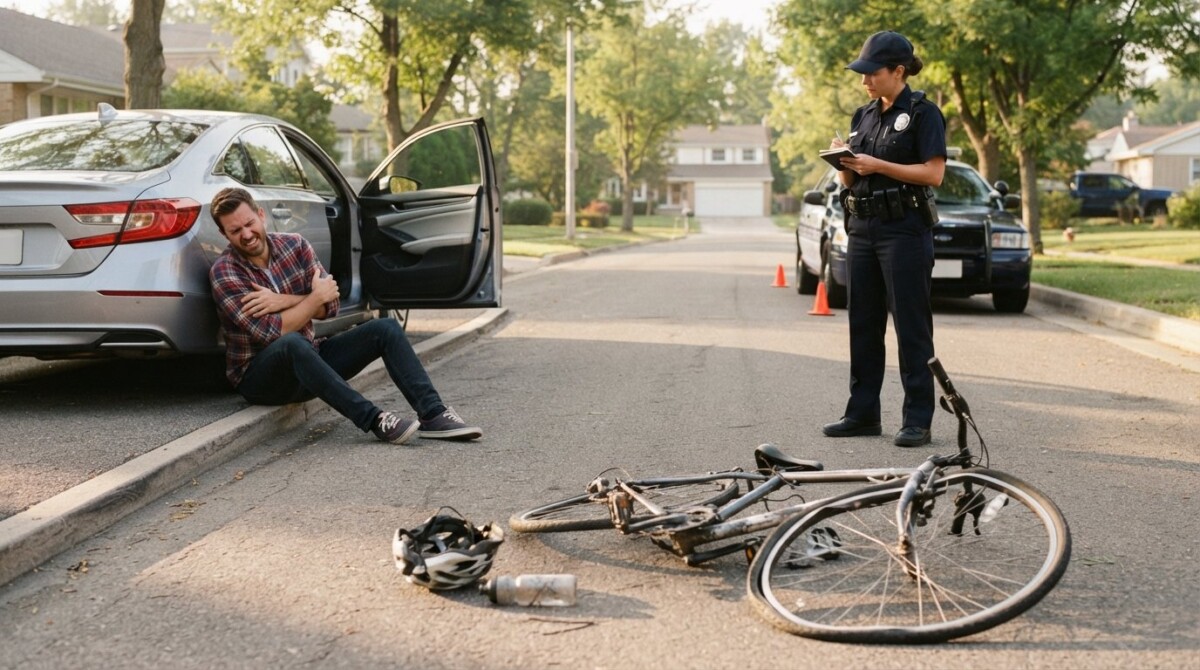
You are riding your bike, following every rule, when a car turns directly into your path. The impact sends you to the pavement, and within minutes, your life changes: medical bills, a damaged bike, missed work, and a long recovery. If this happens, you may wonder how bicycle accident claims are handled and whether you can recover compensation for your losses. The process can feel overwhelming, especially when you are dealing with injuries and insurance companies. This guide walks you through each stage of a bicycle accident claim, explains what to expect, and shows you how to protect your rights at every turn.
Bicycle accident claims follow the same basic legal framework as other personal injury cases, but they come with unique challenges. Because cyclists are more vulnerable than motorists, injuries are often severe, and insurance adjusters may try to minimize fault or shift blame onto you. Understanding how bicycle accident claims are handled can mean the difference between a fair settlement and a frustrating battle. With the right knowledge and, when necessary, the right legal help, you can navigate the process with confidence.
Why Bicycle Accident Claims Require Special Attention
Bicycle accidents are not just smaller versions of car crashes. They involve a distinct set of legal and practical issues that affect how your claim is built and resolved. When you are on a bike, you are legally considered a vehicle operator in most states, but drivers often fail to see you or respect your right to the road. This dynamic creates a high risk of serious injury, and it also shapes how insurance companies assess fault.
In many cases, the cyclist’s own actions come under scrutiny. Did you wear a helmet? Were you in the bike lane? Did you obey traffic signals? Adjusters use these details to argue comparative negligence, which can reduce your payout. That is why documenting every detail of the accident is critical. In our guide on proving fault with GPS data, we explain how modern technology can provide objective evidence of what happened. This type of data can be a powerful tool in a bicycle claim, especially when eyewitness accounts are unclear.
What to Do Immediately After a Bicycle Accident
The moments after a crash are chaotic, but what you do can significantly impact your claim. Your priority is your health, but you also need to protect your legal position. Follow these steps as soon as it is safe to do so:
- Move to safety and call 911: If you can move, get out of traffic. Call the police and request medical assistance, even if you think your injuries are minor. Some injuries, like concussions or internal bleeding, may not show symptoms right away.
- Gather evidence: Take photos of the scene, your bike, your injuries, and the vehicle involved. Get the driver’s name, license plate, and insurance information. Collect contact details from any witnesses.
- Report the accident: File a police report and ask for a copy. This official document is a cornerstone of your claim, as it records the officer’s observations and any citations issued.
- Seek medical care: Go to an emergency room or urgent care, and follow all treatment recommendations. Keep records of every visit, diagnosis, and prescription.
- Do not give a recorded statement: Insurance adjusters may call you soon after the accident. Politely decline to provide a statement until you have spoken with an attorney. Anything you say can be used to undermine your claim.
These steps create a strong foundation for your claim. Without them, you leave room for insurance companies to question the severity of your injuries or the facts of the crash. Remember, the burden of proof is on you, so the more evidence you have, the stronger your position.
Mental and Physical Recovery: The Hidden Toll
Beyond the visible injuries, bicycle accidents often leave lasting psychological scars. Many victims experience anxiety when they get back on a bike, and some develop post-traumatic stress disorder. These emotional injuries are real and can be part of your claim. However, you must document them with professional evaluations and treatment notes. A therapist or counselor can provide evidence that your mental health has been affected, which strengthens your demand for damages.
Your physical recovery may also take longer than expected. Follow your doctor’s orders precisely, attend all follow-up appointments, and keep a pain journal. This journal can record daily pain levels, limitations, and how the injury affects your work and home life. It is a simple but powerful tool that gives your attorney and, eventually, a jury a clear picture of your suffering.
How Bicycle Accident Claims Are Handled: The Insurance Process
Once you have addressed your immediate needs, the claims process begins. Here is how bicycle accident claims are handled in practice:
Step 1: Determine Who Is at Fault
Fault is the central issue in any accident claim. In most states, you must prove that the other party was negligent, meaning they failed to act with reasonable care. For a bicycle accident, this could be a driver who ran a red light, opened a car door without checking, or failed to yield. You also need to show that this negligence caused your injuries.
Comparative negligence rules vary by state. In some states, if you are found to be even 1% at fault, your compensation is reduced by that percentage. In others, you cannot recover anything if you are 50% or more at fault. An attorney can help you understand the rules in your state and build a case that minimizes your share of blame.
Step 2: File a Claim with the At-Fault Party’s Insurance
You or your attorney will submit a demand letter to the driver’s insurance company. This letter outlines the facts of the accident, your injuries, and the compensation you are seeking. It should include all evidence, such as medical bills, lost wage documentation, and photos. The insurance company will then investigate, often by reviewing the police report and speaking with witnesses.
Be prepared for the insurer to respond with a lowball offer or a denial. This is a common tactic. If you receive an offer, do not accept it without consulting an attorney. If the claim is denied, you may need to escalate the matter.
Step 3: Negotiate a Settlement
Negotiation is the heart of how bicycle accident claims are handled. Your attorney will counter the insurer’s offer with evidence and arguments for why you deserve more. This back-and-forth can take weeks or months. Patience is key. Insurance companies often hope that you will accept a quick, low settlement because you are in financial distress. A skilled negotiator knows the true value of your claim and can push back effectively.
If negotiations fail, the next step is litigation. Filing a lawsuit does not mean you will go to trial; most cases settle before trial. However, going to court shows the insurer that you are serious, which can motivate them to offer a fair settlement.
Calculating the Value of Your Bicycle Accident Claim
You may wonder how much your claim is worth. The answer depends on the specifics of your case. Here are the main components of damages in a bicycle accident claim:
- Medical expenses: Past and future medical costs, including hospital stays, surgery, physical therapy, and medication.
- Lost income: Wages you missed while recovering, plus any loss of future earning capacity if your injuries prevent you from working.
- Pain and suffering: Compensation for physical pain, emotional distress, and loss of enjoyment of life.
- Property damage: Repair or replacement of your bicycle, helmet, and other gear.
- Out-of-pocket costs: Expenses like transportation to medical appointments, home modifications, and assistive devices.
Calculating the value of non-economic damages like pain and suffering is subjective. Insurers often use a multiplier method, where they multiply your medical expenses by a factor of 1.5 to 5, depending on the severity of your injuries. However, this is not a fixed rule. Your attorney will use their experience to estimate a fair range and argue for the highest possible amount.
Challenges You Might Face in a Bicycle Claim
The path to compensation is rarely smooth. Here are some common obstacles you may encounter:
- Bias against cyclists: Some adjusters and juries view cyclists as reckless or a nuisance. This bias can affect how fault is assigned.
- Uninsured or underinsured drivers: If the at-fault driver has no insurance or limits that are too low, you may need to use your own uninsured/underinsured motorist coverage.
- Delays in medical treatment: If you wait to see a doctor, the insurer may argue that your injuries were not serious or were not caused by the accident.
- Complex liability: Accidents involving multiple vehicles, government-owned roads, or defective bike paths can complicate the claim.
In some cases, a claim may be denied even after initial approval. This is a frustrating situation, but it is not uncommon. If you face this, our article on why accident claims get denied after initial approval can help you understand the reasons and how to respond. An attorney can also appeal the denial or file a lawsuit if necessary.
How a Lawyer Can Help with Your Bicycle Accident Claim
You are not required to hire a lawyer, but doing so can dramatically improve your outcome. Studies show that injury victims who hire attorneys receive settlements that are, on average, three to five times higher than those who go it alone. A lawyer brings several key advantages to your case:
- Investigation: They gather and preserve evidence, interview witnesses, and work with accident reconstruction experts.
- Negotiation: They know the tactics insurers use and can counter low offers with strong arguments.
- Litigation: If settlement is not possible, they can file a lawsuit and represent you in court.
- Peace of mind: They handle the paperwork and communication, allowing you to focus on healing.
At LawyerOffer, we connect you with attorneys who specialize in personal injury and bicycle accident cases. Our referral service is free, and you pay nothing unless you win your case. We understand how bicycle accident claims are handled, and we are here to guide you to the right legal representation.
If you are concerned about the cost of legal help, many personal injury lawyers work on a contingency fee basis. This means they only get paid if you receive a settlement or verdict. This arrangement allows you to pursue your claim without upfront costs. For more information on affordable legal options, you can explore our resources on affordable legal help.
Why You Need Strong Evidence: The Role of Documentation
Evidence is the currency of a successful claim. Without it, you are relying on your word against the driver’s. Here are critical pieces of evidence to gather:
- Medical records: These document the extent of your injuries and the treatment you received.
- Photographs: Images of the accident scene, your injuries, and your bike damage tell a compelling story.
- Witness statements: People who saw the crash can corroborate your version of events.
- Expert testimony: Accident reconstruction experts can analyze the physics of the crash to prove fault.
Technology is increasingly playing a role in evidence collection. GPS data from your bike computer or smartphone can show your speed, route, and location at the time of the accident. This information can be crucial in proving that you were riding safely. In our article on proving fault with GPS data, we discuss how this type of evidence can strengthen your case.
Common Mistakes That Can Ruin Your Claim
Even with a good case, many cyclists make mistakes that hurt their claims. Avoid these common pitfalls:
- Posting on social media: Insurance companies monitor social media. A photo of you at a party after an accident can be used to argue that your injuries are not serious.
- Accepting a fast settlement: Quick offers are almost always too low. Once you accept, you cannot ask for more.
- Missing deadlines: Each state has a statute of limitations for personal injury claims. If you miss the deadline, your case is dismissed.
- Giving a recorded statement: As mentioned, insurers can twist your words. Politely decline until you have legal advice.
If you are unsure about the deadlines in your state, our guide on accident claim deadlines can provide clarity. Missing a deadline is a fatal mistake, so be proactive.
What to Expect in the Settlement Process
Once your attorney sends a demand letter, the insurance company has a set period to respond, usually 30 days. They may request additional information or schedule a deposition. Your attorney will handle these requests. If the insurer makes an offer, your attorney will evaluate it and advise you on whether to accept or counter. This negotiation can take several rounds.
If a settlement is reached, you will sign a release form, and the insurer will issue a check. Typically, your attorney will receive the check, deduct their fee and any medical liens, and then pay you the remainder. This process can take a few weeks. If you are not satisfied with the offer, you can proceed to trial. However, most cases settle before trial, as both sides prefer to avoid the cost and uncertainty of litigation.
Frequently Asked Questions
How long do I have to file a bicycle accident claim?
The statute of limitations varies by state, ranging from one to six years. In most states, you have two to three years from the date of the accident. It is essential to consult an attorney as soon as possible to ensure you do not miss the deadline.
What if the driver who hit me has no insurance?
You may be able to use your own uninsured motorist coverage, if you have it. This coverage is designed for accidents with uninsured or hit-and-run drivers. Your attorney can help you explore this option.
Can I still recover damages if I was not wearing a helmet?
Yes, but it may reduce your compensation. In some states, not wearing a helmet can be considered comparative negligence, especially if your head injury was worsened. However, you can still recover for other injuries. An attorney can argue that the lack of a helmet did not cause the accident.
How much does it cost to hire a lawyer for a bicycle accident claim?
Most personal injury lawyers work on a contingency fee basis, meaning they only get paid if you win. The fee is typically a percentage of your settlement, usually 33% to 40%. This arrangement makes legal help accessible to everyone, regardless of financial situation.
Why LawyerOffer Is Your Trusted Resource
Navigating a bicycle accident claim is complex, but you do not have to do it alone. LawyerOffer is a legal information and attorney referral platform that connects you with experienced personal injury lawyers across the United States. Our mission is to educate you about your rights and help you find the right representation to maximize your recovery. We are not a law firm, but we are your ally in the legal process.
If you have been injured in a bicycle accident, take action today. The sooner you start, the sooner you can move forward. Contact us at (833) 227-7919 to get a free case evaluation and be matched with a lawyer who understands how bicycle accident claims are handled in your state. Your road to recovery starts with one call.
Remember, bicycle accident claims are handled best with the support of a skilled attorney. Whether you are dealing with a minor injury or a life-changing event, having an advocate can make all the difference. Let us help you find the legal guidance you deserve.

About Calista Moreno
Recent Posts

Why State Laws Differ in Accident Cases and What That Means for You
Understand how state laws differ in accident cases and protect your claim. Call (833) 227-7919 for a free attorney referral.

How Jurisdiction Affects Accident Claim Outcomes
Understand how jurisdiction affects accident claim outcomes and maximize your recovery. Call (833) 227-7919 for a free attorney referral.

Why Legal Deadlines Can Make or Break Your Accident Case
Missing a filing deadline can end your accident case instantly. Get legal help today at (833) 227-7919.