
Proving Fault with GPS Data in Accident Claims
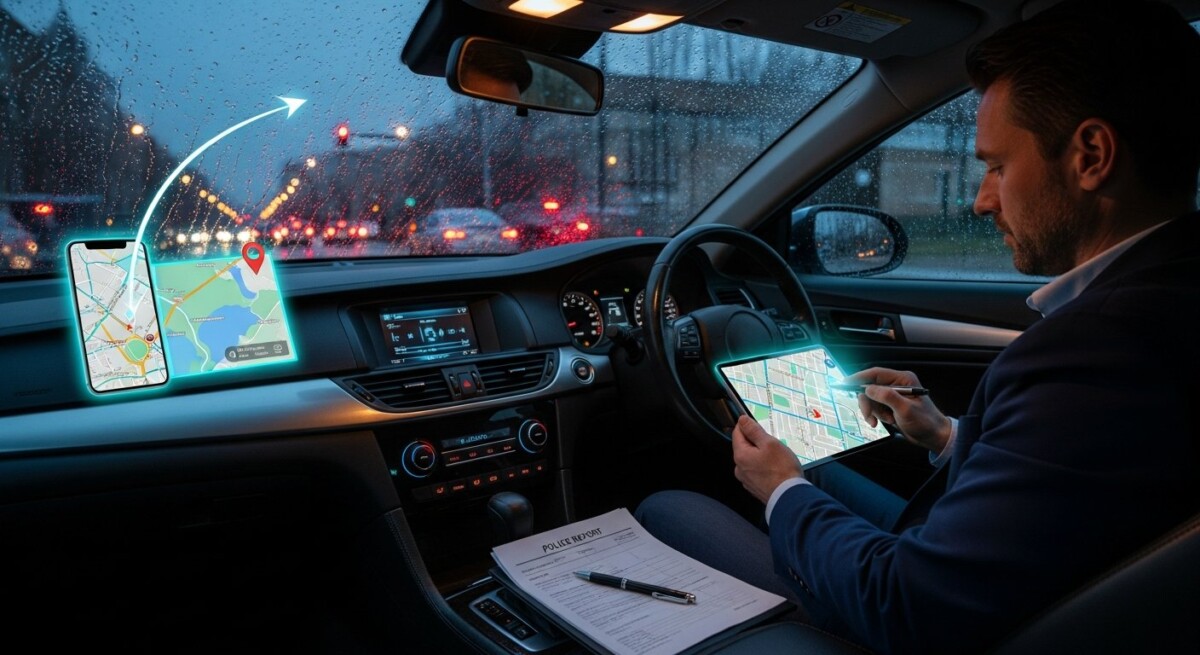
After a car accident, the difference between a denied claim and a fair settlement often comes down to evidence. Witnesses can be unreliable, memories fade, and the other driver might dispute your version of events. However, there is one source of truth that does not forget and does not lie: GPS data. Modern vehicles, smartphones, and navigation apps quietly record location, speed, acceleration, and braking patterns. This digital breadcrumb trail can provide an objective, timestamped account of what happened before, during, and after a collision. Understanding how GPS data supports accident claims can give you a significant advantage when negotiating with insurers or presenting your case in court.
For many accident victims, the idea of using GPS logs feels technical or intrusive. But in practice, this data is often the most persuasive evidence available. It can corroborate your testimony, expose false statements from the other party, and help your attorney build a timeline that leaves little room for doubt. This article explains the specific ways GPS information strengthens a personal injury case, the legal steps to preserve it, and how to use it effectively with the help of legal professionals.
The Role of GPS Data in Establishing Fault
Insurance adjusters and juries want to know one thing: who caused the crash? GPS data helps answer that question by providing a precise reconstruction of the events leading to impact. For example, if you were stopped at a red light and the other driver rear-ended you, their GPS data might show that they were traveling at 45 mph in a 35 mph zone and did not brake until 0.3 seconds before impact. This information directly contradicts a claim that you suddenly slammed on your brakes without warning.
Beyond speed, GPS can establish position. It can show whether a driver drifted across lane markers, ran a stop sign, or made an illegal turn. In multi-vehicle accidents, synchronized timestamps from multiple devices can clarify which vehicle entered an intersection first. This level of detail turns a he-said-she-said dispute into a factual analysis. When you understand how GPS data supports accident claims, you realize it does more than just prove negligence; it also helps quantify the severity of the impact, which can correlate with injury claims.
It is important to note that GPS data is not limited to dedicated navigation systems. Most smartphones automatically log location history through Google Maps or Apple services. Additionally, newer vehicles have Event Data Recorders (EDRs) and telematics systems that transmit driving data to manufacturers. Even if you think your car is old, a simple dashcam with GPS can provide the same benefits. The key is to act quickly to preserve this data before it is overwritten or automatically deleted.
Types of GPS Evidence You Can Use
When building your accident claim, you can draw from several distinct sources of location and movement data. Each source has its strengths and limitations, so it is wise to use multiple types when possible. The most common and accessible forms include smartphone location services, vehicle telematics, and third-party navigation apps.
Here are the primary types of GPS evidence that attorneys often request in accident cases:
- Smartphone Location History: Google Timeline and Apple Significant Locations record where your phone has been, including speed and route data. These logs are highly detailed and can be exported as a timeline.
- Vehicle Telematics Systems: Services like GM OnStar, Ford SYNC, or Tesla Autopilot collect data on vehicle speed, braking, steering angle, and location. This data is often stored in the cloud and can be subpoenaed.
- Navigation App Data: Apps like Waze, Google Maps, and Apple Maps send anonymous data to servers. While not always tied to a specific driver, they can show traffic flow and road conditions at the exact time of the crash.
- Dashcam Footage with GPS Overlay: Many modern dashcams embed a GPS track onto the video, showing your speed and coordinates on screen. This combines visual evidence with positional data.
- Fleet Tracking Systems: If the at-fault driver was in a commercial vehicle, their employer likely uses a system like Samsara or Geotab. These systems record location every few seconds.
Each of these sources can be used to build a comprehensive picture. For instance, your smartphone history might show you left work at 5:02 PM and were traveling home on a specific route. The at-fault driver’s fleet tracker might show they deviated from their approved route and were speeding to make a delivery. Together, these create a narrative that supports your claim for compensation.
How to Preserve and Obtain GPS Data
Time is your enemy when dealing with digital evidence. GPS logs are often stored on a rolling basis, meaning new data pushes out old data. If you wait a week after the accident to check your Google Timeline, the critical data from the crash might already be gone. Therefore, the first step is to take screenshots and export your location history immediately after the incident. Most apps allow you to export a raw JSON or KML file that includes timestamps and coordinates.
For data held by third parties, such as the other driver’s insurance company or a fleet operator, you will need legal assistance. A lawyer can issue a preservation letter, which formally requests that the company retain all relevant data. This letter prevents the automatic deletion of records. In more contentious cases, an attorney can file a subpoena to compel production of the data from the manufacturer or app provider. Attempting to do this on your own is difficult, which is why consulting with a law firm is often necessary.
If you are unsure where to start, you can use a resource like find expert lawyers for road accident claims to connect with professionals who handle this type of evidence regularly. They will know exactly how to phrase a preservation request and which platforms to target. Without legal counsel, you risk losing access to the most powerful evidence in your favor.
Challenges and Legal Considerations
While GPS data is highly persuasive, it is not automatically admissible in court. Attorneys must lay a foundation to prove that the data is authentic and reliable. This often requires a records custodian or a forensic expert to testify about how the data was collected and whether it was altered. Furthermore, privacy laws in some states restrict how location data can be used, especially if the data belongs to a third party who is not involved in the lawsuit.
The opposing counsel will also try to attack the accuracy of GPS. They might argue that the data has a margin of error of several meters, which could create ambiguity about which lane a car was in. They might also point out that a phone’s GPS signal can be lost in tunnels or urban canyons, leading to gaps in the timeline. To counter these arguments, your attorney will likely combine GPS data with other evidence, such as skid marks, traffic camera footage, and witness statements.
Another important consideration is that the at-fault driver’s insurance company will have access to your GPS data too. If your phone shows that you were speeding or texting just before the crash, that information could be used to reduce your payout. This highlights the importance of being honest about your driving behavior. A skilled lawyer can help you navigate these nuances and ensure that the GPS evidence is presented in the most favorable light possible.
Integrating GPS Data with Other Accident Evidence
GPS data is most effective when used as part of a broader evidence strategy. For example, a police report might state that the accident occurred at a specific intersection, but it often lacks details about speeds. By mapping your GPS coordinates, you can show that the collision actually happened 50 feet further south, which might place the blame on a driver who ran a red light. You can also use the data to estimate the force of impact, which helps medical experts correlate your injuries to the crash.
In the context of insurance claims, presenting a clear GPS timeline can pressure adjusters to settle quickly. It reduces their ability to dispute liability and shifts the conversation to the value of your damages. This is particularly useful in states with comparative negligence laws, where even a small percentage of fault can reduce your compensation. Showing that your GPS data indicates you were fully stopped for three seconds before impact makes it very difficult for the insurer to argue you were even 1% at fault.
As the legal landscape evolves, courts are becoming more receptive to digital evidence. A recent analysis of how the Texas car accident claims process changed in 2025 shows that courts are increasingly requiring electronic data disclosure in personal injury cases. This trend means that GPS data is no longer optional; it is becoming a standard part of the evidence packet.
Working with an Attorney to Maximize Your Claim
Interpreting GPS data requires technical knowledge that most accident victims do not possess. A layperson might look at a speed graph and see numbers, but an attorney sees an opportunity to cross-examine the other driver. Lawyers work with accident reconstructionists who can read the data and translate it into a compelling visual presentation for a jury. They also understand the specific discovery rules in your jurisdiction, ensuring that the data is obtained legally and admitted into evidence without objection.
If you are pursuing a claim in a specific region, local legal expertise matters. For instance, understanding the nuances of Aurora car accident claims or Bakersfield car accident claims can be pivotal, as local courts may have different standards for admitting digital records. A local attorney will know the opposing judges and insurance adjusters, giving you a tactical edge. They can also advise you on whether to accept a settlement offer or take the case to trial based on the strength of your GPS evidence.
Ultimately, hiring a lawyer is an investment in your recovery. They handle the complex tasks of subpoenaing records, hiring experts, and negotiating with insurers, allowing you to focus on healing. Most personal injury attorneys work on a contingency fee basis, meaning you pay nothing upfront unless they win your case.
Frequently Asked Questions
Can I use my own phone’s GPS data to prove the other driver was at fault?
Yes, your phone’s location history can prove your speed and position, but it does not track the other driver. You can use your data to show you were obeying traffic laws, which indirectly supports your version of events. To prove the other driver’s negligence, you need their data, which usually requires a subpoena or preservation letter.
How long does GPS data remain available on a smartphone?
Google Timeline typically stores data for 18 months, while Apple stores Significant Locations for about 7 days before encrypting them. It is critical to export your data immediately after an accident. For third-party servers, data retention varies from 30 days to several years, which is why a preservation letter is essential.
Is GPS data enough to win an accident claim on its own?
While GPS data is powerful, it is rarely used alone. It is most effective when combined with photos, medical records, and witness statements. The data provides the objective framework, but you still need to demonstrate your injuries and damages. An attorney can help you compile a complete package.
Does it cost money to get GPS data from a vehicle manufacturer?
Often yes. Vehicle manufacturers may charge a fee to retrieve and distribute telematics data, and they typically require a formal legal request. Your attorney will usually include these costs in the litigation budget, and they are recoverable if you win your case.
Using GPS data effectively can be the key to unlocking a maximum settlement. Whether you are dealing with a minor fender bender or a serious injury, the objective nature of this evidence levels the playing field against large insurance companies. If you believe GPS data might help your case, do not wait. Preserve your digital records today and consult with a professional who can guide you through the process. Call us at (833) 227-7919 to discuss your options.

About Calista Moreno
Recent Posts
How Speed Is Proven After a Crash: Key Evidence
Learn how speeding is proven after an accident using EDR data, skid marks, and video. Call (833) 227-7919 for a free attorney referral.
How Texting Evidence Is Used in Accident Cases
Discover how texting evidence is used in accident cases to prove fault and win claims. Call (833) 227-7919 for a free case review.
How Texting Evidence Is Used in Accident Cases
Learn how texting evidence is used in accident cases and how it can prove fault or challenge claims. Call (833) 227-7919 for a free attorney referral.