
How Parking Lot Accidents Are Evaluated Legally
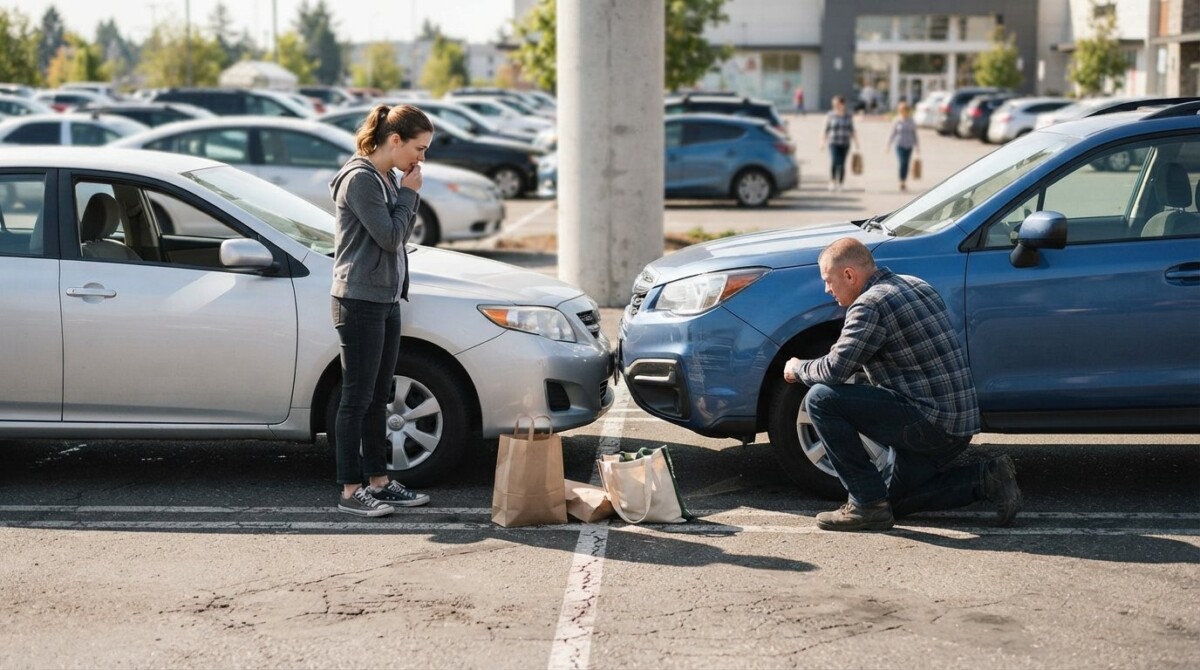
Parking lot accidents are among the most common fender benders, yet they are also the most legally complicated. Unlike highway collisions with clear traffic laws, parking lots are private property with unique rules, low-speed limits, and a maze of obstacles. If you have been in one, you may wonder who is at fault, whether the other driver’s insurance will pay, and what evidence matters. This article breaks down how parking lot accidents are evaluated legally, so you can protect your rights and know what to expect from the claims process.
Why Parking Lot Accidents Are Legally Different
Parking lot accidents differ from road accidents in a few critical ways. First, parking lots are considered private property, which means many state traffic laws do not apply in the same way. Instead, fault is often determined by general negligence principles and specific rules set by the property owner or local ordinances. For example, a driver backing out of a space may be presumed at fault in many jurisdictions, but that presumption can be rebutted with evidence.
Second, the low speeds involved often lead to minor vehicle damage, but injuries can still occur, especially to pedestrians. Whiplash, soft tissue injuries, and even fractures can result from a sudden stop or a car door being hit. These injuries may not appear immediately, which is why a proper legal evaluation is essential even for a seemingly minor incident.
Third, insurance companies treat parking lot claims differently. They look for shared fault, since many parking lot accidents involve both drivers acting negligently. This can lead to reduced payouts or even denied claims. Understanding the legal framework helps you counter lowball offers.
The Role of Negligence in Fault Determination
When evaluating how parking lot accidents are evaluated legally, negligence is the central concept. To prove negligence, you must show four elements: duty, breach, causation, and damages. The other driver owed you a duty to drive safely, they breached that duty, their breach caused the accident, and you suffered harm as a result.
In parking lots, common breaches include speeding, failing to yield to pedestrians, ignoring stop signs or markings, and distracted driving. For instance, a driver who is texting while pulling into a space may be found negligent if they hit a parked car. Similarly, a driver who fails to look before backing out may be liable for a collision.
However, the defendant can argue comparative negligence, meaning you share some blame. In a parking lot, this often happens when both cars are moving. For example, if you were driving quickly through an aisle while the other driver backed out, you may share 20% of the fault. Your compensation would then be reduced by that percentage in most states.
Shared Fault and Comparative Negligence Rules
Most states use either pure comparative negligence or modified comparative negligence. Under pure comparative negligence, you can recover damages even if you are 99% at fault, but your payout is reduced by your fault percentage. Under modified comparative negligence, you can only recover if you are less than 50% or 51% at fault, depending on the state. If you are equally at fault, you may get nothing.
In parking lot accidents, shared fault is common. Consider a scenario where you are pulling into a spot and another driver is speeding behind you. If you suddenly stop and they rear-end you, they are likely mostly at fault. But if you failed to signal or stopped unexpectedly, you might share blame. An attorney can help you build a case to minimize your fault percentage.
Common Parking Lot Accident Scenarios and Their Fault Rules
Certain accident types have established legal patterns. Here are a few common situations and how fault is typically assigned:
- Backing out of a parking space: The driver backing out is usually at fault because they have a duty to yield to traffic in the aisle. However, if the other driver was speeding, fault may be split.
- Two cars backing out simultaneously: Both drivers may share fault equally if neither had a clear view. Evidence like dashcam footage can help shift blame.
- Hit while parked: The driver who hits a parked car is almost always at fault, unless the parked car was illegally parked or obstructing traffic.
- Pedestrian struck in a crosswalk: The driver is usually at fault, but the pedestrian may share blame if they darted out unexpectedly.
- Dooring incidents: The driver or passenger who opens a door into a passing car is typically at fault, but the passing car may share blame if it was too close.
These scenarios highlight why an experienced evaluator looks at specific actions, not just the final position of the vehicles. Insurance adjusters use these patterns to set initial fault percentages, but you can challenge them with evidence.
Key Evidence That Determines Liability
Evidence is the backbone of any parking lot accident claim. Without it, it is your word against the other driver’s. The following evidence helps establish fault:
- Dashcam footage: This is the most powerful tool. It shows the exact sequence of events, including speed, direction, and any traffic violations.
- Photographs: Take pictures of both vehicles’ positions, damage, skid marks, and any visible signage or road markings.
- Witness statements: Other drivers or pedestrians may have seen the accident. Get their contact information and ask what they observed.
- Police reports: Even in minor accidents, calling the police creates an official record. The officer may note their opinion on fault, which can influence insurers.
- Surveillance footage: Many parking lots have security cameras. Request the footage as soon as possible, as it may be overwritten.
Gathering this evidence quickly is critical. Parking lot surveillance systems often recycle footage within days. If you wait, the footage may be gone. An attorney can send a preservation letter to the property owner to force them to keep the footage.
How Insurance Companies Evaluate Parking Lot Claims
Insurance adjusters follow a systematic process to evaluate parking lot claims. They review the evidence, apply state laws, and determine a fault percentage. Then they calculate damages, which include medical bills, lost wages, and pain and suffering. However, adjusters are trained to minimize payouts, especially in low-impact accidents where they may argue your injuries are exaggerated.
One common tactic is to deny liability by citing comparative negligence. For example, if you were not wearing a seatbelt, they may argue that contributed to your injuries. In parking lots, they might claim you were driving too fast for conditions or failed to honk your horn. To counter this, you need to present a clear, evidence-backed narrative.
Another issue is that parking lot accidents often involve multiple insurance policies. If the other driver is uninsured, you may need to file a claim under your own uninsured motorist coverage. If you were on the job, workers’ compensation might apply. An attorney can help you navigate these complexities.
The Legal Process for Pursuing a Claim
If you decide to pursue a claim, the process typically follows these steps:
- Seek medical attention: Even if you feel fine, see a doctor. Some injuries take days to appear, and a medical record links your injuries to the accident.
- File a police report: If the police did not come to the scene, go to the nearest station and file a report yourself.
- Notify your insurance company: Report the accident promptly, but be careful what you say. Stick to the facts and do not admit fault.
- Gather evidence: Collect all the evidence listed above, including contact information for witnesses.
- Consult an attorney: A lawyer can handle negotiations with the insurance company and ensure you are not shortchanged.
- Negotiate a settlement: Your attorney will demand a fair amount, and the insurer may make a counteroffer. If no agreement is reached, you may file a lawsuit.
This process can take weeks or months, depending on the severity of your injuries and the willingness of the insurer to negotiate. Having legal representation can speed things up and increase your final settlement.
When to Hire an Attorney for a Parking Lot Accident
Not every parking lot fender bender requires a lawyer. If there are no injuries and minimal damage, you may handle it on your own. However, you should consider hiring an attorney if any of the following apply:
- You suffered significant injuries: If you have medical bills, ongoing treatment, or lost time from work, you need professional help to value your claim.
- Fault is disputed: If the other driver denies responsibility or the police report is unclear, an attorney can investigate further.
- The insurance company is lowballing you: If you receive a settlement offer that seems too low, a lawyer can negotiate for more.
- There are multiple parties involved: If the accident involved a commercial vehicle, a pedestrian, or a government entity, the legal process is more complex.
For example, a parking lot accident that occurs in a store’s lot might involve the store’s liability if poor lighting or signage contributed to the crash. An attorney can identify all potentially liable parties.
How a Lawyer Can Maximize Your Recovery
An experienced personal injury lawyer understands how parking lot accidents are evaluated legally and can use that knowledge to your advantage. They can reconstruct the accident, interview witnesses, and hire experts if needed. They also know how to value non-economic damages like pain and suffering, which are often overlooked.
Most personal injury lawyers work on a contingency fee basis, meaning you pay nothing upfront and they only get paid if you win. This makes legal representation accessible to everyone, regardless of financial situation. If you are unsure whether you have a case, many attorneys offer free consultations.
If you are ready to discuss your parking lot accident with a qualified attorney, LawyerOffer can connect you with legal professionals in your area. Their referral service is free and confidential, and they can help you understand your options before you commit to anything.
Frequently Asked Questions
What if the accident was in a private parking lot?
Private parking lots are still subject to negligence laws, but traffic laws may differ. For example, a police officer may not be able to cite a driver for reckless driving in a private lot, but they can still write a report. The property owner’s insurance may also be involved if the lot was poorly maintained.
Do I need to call the police for a parking lot accident?
It is always a good idea. A police report provides an official record that can be used in your insurance claim. Even if the damage is minor, the report can help establish fault.
How long do I have to file a claim?
Each state has a statute of limitations, typically two to three years for personal injury claims. However, it is best to act quickly while evidence is fresh and witnesses are available. If you miss the deadline, you lose your right to compensation.
Can I sue the property owner for a parking lot accident?
Yes, if the property owner’s negligence contributed to the accident. For example, if a broken light made the lot dangerously dark or if a pothole caused your tire to blow out, the owner may be liable. This is known as premises liability.
Your Next Steps After a Parking Lot Accident
Understanding how parking lot accidents are evaluated legally gives you a significant advantage. You can gather the right evidence, communicate effectively with insurers, and know when to seek legal help. Do not let a parking lot accident derail your life. Take the steps outlined here to protect your health and your finances.
If you need guidance on your specific situation, consider reaching out to a legal professional. For more information on related accident evaluations, you might read our guide on how delivery driver accidents are evaluated legally, which covers similar fault principles. You can also explore how brain injury claims are evaluated legally if you suffered a head injury in the crash.
At LawyerOffer, we help accident victims connect with attorneys who can fight for their rights. Our service is free, and we do not take a cut of your settlement. Call us at (833) 227-7919 to get started today.

About Soraya Whitcombe
Recent Posts
How Jurisdiction Affects Accident Claim Outcomes
Understand how jurisdiction affects accident claim outcomes and maximize your recovery. Call (833) 227-7919 for a free attorney referral.
Why Legal Deadlines Can Make or Break Your Accident Case
Missing a filing deadline can end your accident case instantly. Get legal help today at (833) 227-7919.

How Statute of Limitations Affects Injury Claims: Key Deadlines
Learn how statute of limitations affects injury claims and why deadlines matter. Call (833) 227-7919 for a free case review to protect your rights.