
Car Accident Without Insurance: What Happens Next
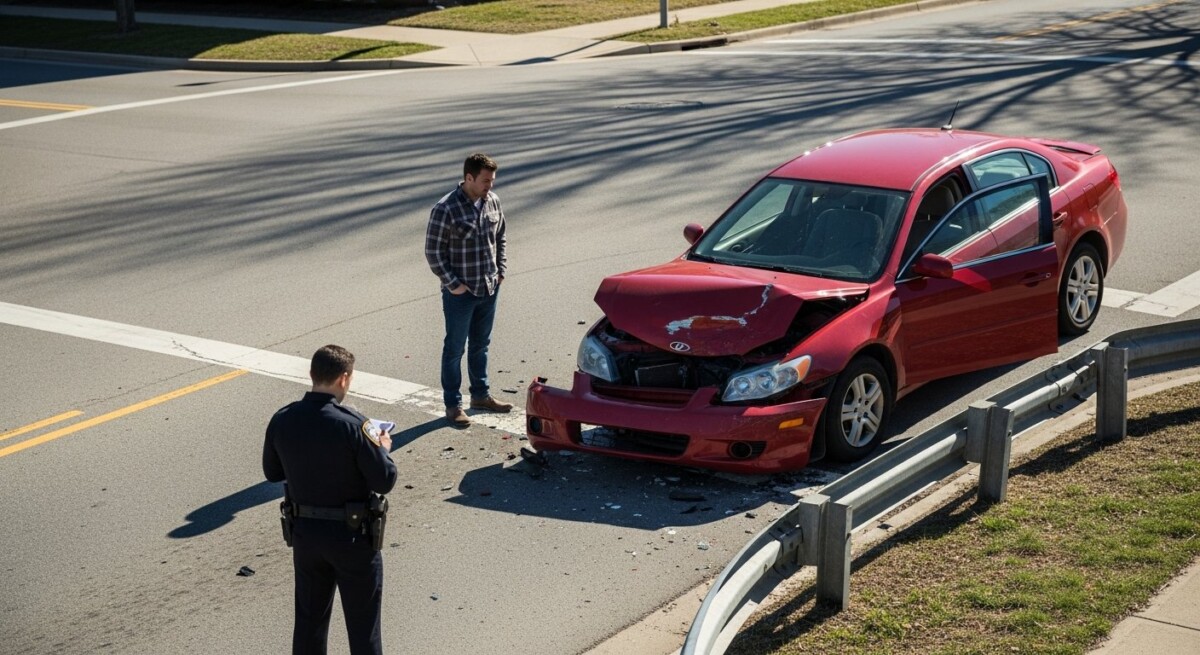
Being involved in a car accident is stressful enough, but discovering you have no insurance coverage can turn that stress into outright panic. The consequences depend heavily on your state’s laws, who was at fault, and whether you own a vehicle or were driving someone else’s. In this article, we break down exactly what happens if you’re involved in a car accident without insurance and what steps you can take to protect yourself legally and financially.
Legal Penalties for Driving Without Insurance
Every state except New Hampshire and Virginia requires drivers to carry minimum liability insurance. Even in those two states, uninsured drivers face financial responsibility requirements if they cause an accident. The penalties for driving without insurance vary widely but typically include fines, license suspension, and vehicle impoundment.
For a first offense, fines range from $100 to $500 in most states, but repeat offenders can face penalties exceeding $1,000. Many states also require you to file an SR-22 certificate (proof of future financial responsibility) for three to five years after the violation. This certificate is expensive and marks you as a high-risk driver, causing your insurance premiums to skyrocket.
In our guide on sue after a car accident without injuries: legal options, we explain how even minor accidents can lead to significant legal exposure when you lack coverage.
Financial Consequences You Cannot Ignore
Out-of-Pocket Costs for Property Damage
If you caused the accident, you are personally responsible for the other driver’s vehicle repairs, medical bills, and other losses. Without insurance, there is no claims adjuster to negotiate on your behalf. The other party’s insurance company will pursue you directly for reimbursement, and they have teams of lawyers and adjusters working to collect every dollar.
Average car accident property damage claims exceed $4,000, and medical claims can easily reach $10,000 or more. If the other driver sues you and wins a judgment, the court can garnish your wages, place liens on your property, or seize assets like bank accounts and real estate.
Medical Bills and Lost Wages
Even if you were not at fault, being uninsured means you have no coverage for your own medical expenses. Personal injury protection (PIP) or medical payments coverage is only available if you carry it on your policy. Without it, you must pay hospital bills, rehabilitation costs, and lost income entirely out of pocket.
The financial burden can be crushing, especially if your injuries require ongoing treatment or prevent you from working for weeks or months. Some hospitals offer charity care or payment plans, but many will send your account to collections after 60 to 90 days.
How Fault Determines Your Liability
Fault is the single most important factor in determining what happens after an accident without insurance. There are three common scenarios:
- You caused the accident: You owe the other driver compensation for all damages. The other driver’s insurance will pay their policyholder and then subrogate (seek reimbursement) against you personally.
- The other driver caused the accident: You can still file a claim against their insurance for your injuries and property damage, even though you are uninsured. However, some states limit or bar uninsured drivers from recovering non-economic damages like pain and suffering.
- Both parties share fault: Your recovery is reduced by your percentage of fault under comparative negligence rules. Being uninsured does not automatically make you at fault, but it complicates negotiations significantly.
In states with no-fault insurance laws, your own insurance pays your medical bills regardless of fault. Without insurance, you have no such protection, and you must rely on the other driver’s coverage or pursue a personal injury lawsuit.
SR-22 Requirements and Long-Term Impact
After a conviction for driving without insurance, most states mandate an SR-22 filing. This is not an insurance policy but a certificate your insurer files with the state proving you carry the required minimum coverage. The SR-22 requirement typically lasts three years, and any lapse in coverage resets the clock.
High-risk insurance policies with an SR-22 can cost two to three times the standard rate. Some insurers refuse to write SR-22 policies at all, limiting your options to specialty companies that charge higher premiums. The financial impact extends well beyond the initial accident.
The legal options available after a car accident without injuries can help you understand whether pursuing a lawsuit makes sense given your specific circumstances.
What to Do Immediately After the Accident
Your actions immediately after the crash can significantly affect the outcome. Follow these steps to protect yourself:
- Stop and stay at the scene: Leaving the scene of an accident is a crime in every state, even if you are uninsured. Hit-and-run penalties include jail time and felony charges.
- Call the police: A police report creates an official record of the accident. Do not admit fault or discuss insurance status with the other driver. Simply state the facts of the collision.
- Exchange information: Get the other driver’s name, contact details, license plate number, and insurance information. Provide your license and registration but do not volunteer that you lack insurance.
- Document everything: Take photos of vehicle damage, the accident scene, and any visible injuries. Get contact information from witnesses.
- Seek medical attention: Even if you feel fine, some injuries like whiplash or concussions take hours or days to appear. A medical record links your injuries to the accident, which is critical if you file a claim against the other driver.
After addressing immediate concerns, contact a personal injury attorney. Many lawyers offer free consultations, and they can advise you on how to navigate the claims process without exposing yourself to unnecessary liability.
State-Specific Variations to Understand
State laws create dramatically different outcomes for uninsured drivers. In California, for example, your license can be suspended for one year for a first offense, and you must pay a $15 reinstatement fee plus provide proof of insurance for three years. New York imposes a civil penalty of $150 to $1,500 and requires a minimum $750 annual premium for high-risk insurance.
In Texas, uninsured drivers face fines up to $350 for a first offense and $1,000 for subsequent offenses. The state also imposes a surcharge of $250 per year for three years on your driver’s license. Florida has some of the strictest penalties, including license revocation for up to three years and mandatory completion of a driver improvement course.
Virginia and New Hampshire allow driving without insurance but require payment of an uninsured motor vehicle fee. In Virginia, this fee is $500 per year, and it does not provide any coverage; it simply allows you to drive uninsured. If you cause an accident in these states, you are personally liable for all damages.
Can You Sue or Be Sued Without Insurance?
Yes, you can be sued by the other driver for damages you caused. The other party’s insurance company will likely file a subrogation claim against you after paying their policyholder. If you have assets like a home or savings account, the insurance company will pursue those aggressively.
Conversely, if the other driver caused the accident, you can sue them for your damages. However, many states have laws that limit or bar uninsured drivers from recovering non-economic damages like pain and suffering. For example, Michigan prohibits uninsured drivers from recovering any damages for pain and suffering in most cases. Other states allow recovery but reduce it based on your percentage of fault.
If you are considering legal action, the article on legal pathways for car accidents without injuries provides a detailed analysis of your rights and limitations.
How an Attorney Can Help
A personal injury attorney can be invaluable when you are uninsured. They can negotiate with the other driver’s insurance company to maximize your recovery, protect you from aggressive subrogation claims, and advise you on whether bankruptcy or other debt relief options make sense.
Many attorneys work on a contingency fee basis, meaning they only get paid if you win. This arrangement makes legal representation accessible even if you are struggling financially after the accident. An attorney can also help you avoid making statements that could be used against you in court or during settlement negotiations.
The guide on suing after a car accident without injuries explains how legal representation changes the dynamics of these cases, especially when insurance is not in play.
Frequently Asked Questions
Can I go to jail for driving without insurance?
Jail time is rare for a first offense of driving without insurance but becomes more likely for repeat offenders or if the accident caused serious injury or death. Some states classify driving without insurance as a misdemeanor that carries up to 30 days in jail.
Will my license be suspended immediately?
In most states, your license is suspended after a conviction, not immediately at the scene. However, if you cannot provide proof of insurance at the time of the accident, the officer may issue a citation that leads to suspension after you fail to respond or are found guilty.
What if I was driving someone else’s car without their insurance?
If you were driving a borrowed car without permission, the owner’s insurance may still provide coverage. However, if the owner specifically excluded you from their policy, you are treated as an uninsured driver. The owner’s insurance company may deny the claim entirely.
Can the other driver’s insurance company garnish my wages?
Yes, if the insurance company sues you and obtains a court judgment, they can garnish your wages, place liens on your property, and seize bank accounts. The exact rules vary by state, but wage garnishment is a common tool for collecting unpaid judgments.
Is it worth hiring a lawyer if I’m uninsured?
Absolutely. An attorney can help you navigate complex state laws, negotiate with the other driver’s insurer, and potentially reduce or eliminate your personal liability. Many offer free consultations, so there is no risk in discussing your case with a professional.
If you need guidance, consider reaching out to the team at LawyerOffer for a free case evaluation to understand your specific legal options.
Being involved in a car accident without insurance creates serious legal and financial challenges, but you are not without options. Understanding your state’s laws, taking immediate protective steps, and seeking professional legal advice can make a significant difference in the outcome. The most important action you can take is to consult with an attorney who specializes in auto accident cases. They can help you understand your rights, minimize your liability, and pursue any compensation you may be entitled to. If you find yourself in this difficult situation, do not delay. Contact a qualified legal professional today to discuss your case.

About Julian Everoak
Recent Posts
How Comparative Negligence Laws Differ by State
Understand how comparative negligence laws differ by state and protect your settlement. Call (833) 227-7919 for a free case review.
Why State Laws Differ in Accident Cases and What That Means for You
Understand how state laws differ in accident cases and protect your claim. Call (833) 227-7919 for a free attorney referral.
How Jurisdiction Affects Accident Claim Outcomes
Understand how jurisdiction affects accident claim outcomes and maximize your recovery. Call (833) 227-7919 for a free attorney referral.