
Denied Homeowners Insurance Claim for Water Damage: How to Appeal
Fight a denied water damage claim with a solid appeal. Get a free case review and learn how to challenge the insurer. Call (833)-632-1198 for help.

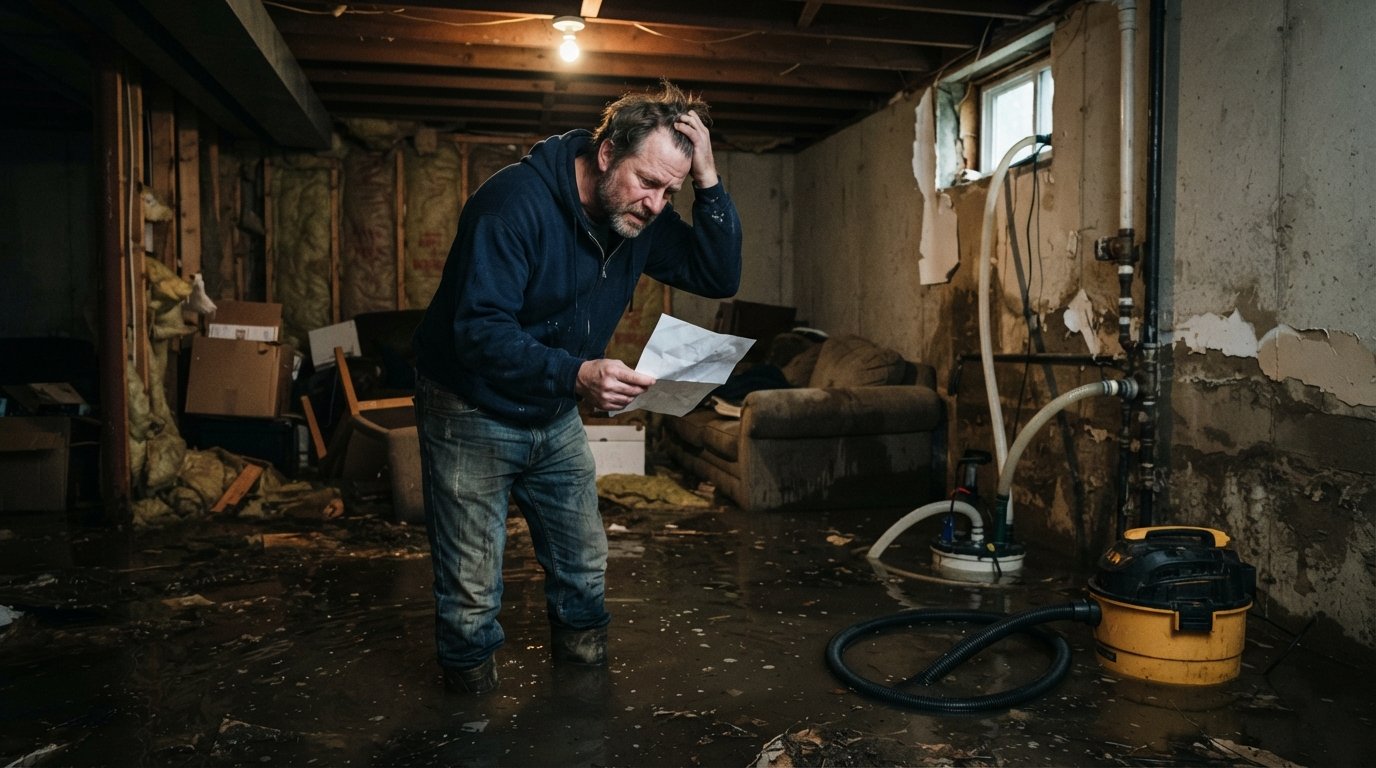
You walked into your basement and found standing water. You filed a claim, waited weeks, and then received the letter: your water damage claim has been denied. The frustration is immediate, and the financial exposure can be enormous. You are not alone. Water damage claims are among the most frequently disputed homeowners insurance claims in the United States, and insurers deny them for a variety of reasons that are not always fair or correct. The good news is that a denial is not the final word. You have the right to appeal, and a well-prepared appeal can often reverse the decision or lead to a substantially better settlement.
This guide walks you through the practical steps to challenge a denied water damage claim. You will learn why insurers deny these claims, how to gather the right evidence, how to request the adjuster's report and the exact policy language the insurer relied on, and which dispute options (appraisal, public adjuster, regulatory complaint, or lawsuit) make sense for your situation. Deadlines matter, so you will also find guidance on the time limits that apply to appeals and legal action. Throughout, keep in mind that you do not have to navigate this process alone. A free case review with a legal professional can help you understand your rights and the strength of your position before you commit to a strategy.
Why Water Damage Claims Get Denied
Insurance companies deny water damage claims for reasons that fall into a few broad categories. Understanding the specific reason for your denial is the first step in building an effective appeal. The denial letter itself should state the basis, but it is often vague. You may need to dig deeper into the policy and the adjuster's findings to understand exactly what the insurer is alleging.
One common reason is the maintenance exclusion. Most homeowners policies exclude damage caused by a homeowner's failure to maintain the property. If the insurer determines that a slow leak, a deteriorated roof, or a clogged drain was the result of neglected maintenance, it may deny the claim entirely. Another frequent basis is the gradual damage exclusion. Policies typically cover sudden and accidental water damage, such as a burst pipe, but exclude damage that occurs over time, like a leak that has been seeping behind a wall for months. Insurers often argue that the damage was gradual, even when the homeowner had no idea it was happening.
Mold is another major point of contention. Many policies cap mold remediation at a relatively low limit, such as $10,000, and some exclude mold altogether unless it results from a covered peril. If your water damage led to mold, the insurer may deny the mold portion of the claim or argue that the mold itself is evidence of long-term, gradual damage. Flood damage is also commonly denied because standard homeowners policies do not cover flooding; separate flood insurance through the National Flood Insurance Program or a private carrier is required. If your water damage came from an external source like storm surge or rising groundwater, the insurer will likely deny the claim under the flood exclusion.
Other denial reasons include policy lapses (coverage was not in force on the date of loss), misrepresentation on the application, and failure to mitigate. Insurers may argue that you did not take reasonable steps to prevent further damage after discovering the loss, such as failing to call a water remediation company promptly. The denial letter should identify which exclusion or condition the insurer is relying on, but you may need to request the full claim file to see the complete picture.
Request the Adjuster's Report and the Policy Language
Before you can appeal, you need to know exactly what the insurer based its decision on. The adjuster's report is a critical document. It contains the adjuster's observations, measurements, photographs, and conclusions about the cause of the damage and the applicable policy provisions. You are entitled to a copy of this report, and you should request it in writing. Send a letter or email to the claims adjuster and the insurer's claims department asking for a complete copy of the claim file, including the adjuster's report, all photographs, any expert reports, and the policy language that the insurer relied on to deny coverage.
In many states, insurers are required by law to provide a copy of the claim file upon request, though they may charge a reasonable copying fee. If the insurer refuses, cite your state's insurance regulations or the policy's cooperation clause. Keep a record of all communications, including dates, names, and what was said. This documentation will be valuable if you later need to file a complaint with the state insurance department or pursue legal action.
Once you have the report, review it carefully. Look for inconsistencies, missing information, or conclusions that are not supported by the evidence. For example, the adjuster may have concluded that the damage was gradual without taking moisture readings or consulting a qualified plumber or water remediation specialist. You can challenge these findings with your own evidence, such as a report from a licensed contractor or a professional engineer. The policy language is equally important. Read the water damage provisions, exclusions, and definitions. Insurers sometimes misinterpret their own policies, and a close reading may reveal that the denial is based on an overly broad reading of an exclusion.
Build Your Appeal: Evidence and Documentation
A strong appeal is built on evidence. The more thoroughly you document the loss and rebut the insurer's stated reason for denial, the better your chances of success. Start by creating a detailed timeline of events. When did you first notice the water damage? What did you do immediately after discovering it? Who did you call, and when? Gather receipts for emergency repairs, invoices from plumbers or remediation companies, and photographs or videos of the damage before any repairs were made.
Obtain independent expert opinions. A licensed plumber can examine the plumbing system and provide a written opinion about the cause of the leak and whether it was sudden or gradual. A water remediation specialist can document the extent of the damage and the presence of mold. A roofing contractor can assess whether a roof leak was due to a sudden event like a storm or a long-term maintenance issue. These expert reports carry significant weight because they are objective and based on professional training.
You should also consider whether the insurer's denial is based on a misinterpretation of the policy. For instance, if the insurer denies the claim under the gradual damage exclusion, but your expert can show that the damage occurred suddenly from a single event, the denial may be invalid. Similarly, if the insurer denies mold coverage but your policy includes a mold endorsement or a specific mold limit, you can point to that language. In some cases, the insurer may have failed to consider that the water damage resulted from a covered peril, such as a burst pipe, even if mold subsequently developed.
When you have gathered your evidence, write a formal appeal letter. Address it to the claims manager or the insurer's appeals department. Clearly state that you are appealing the denial, reference the claim number and date of loss, and explain why the denial is wrong. Attach copies of your evidence and cite the specific policy provisions that support coverage. Keep the tone professional and factual. Do not rant or make accusations; a calm, well-reasoned letter is more persuasive. If you are not comfortable writing the letter yourself, a public adjuster or an attorney can help. If your case involves a slip and fall on your property, our guide on whether homeowners insurance covers a slip and fall explains similar coverage principles that may be relevant.
Dispute Options: Appraisal, Public Adjuster, and Complaint
If your appeal is denied or the insurer is unresponsive, you have several dispute resolution options. The right choice depends on the amount in dispute, the complexity of the case, and your willingness to invest time and resources. One option is the appraisal process, which is included in many homeowners policies. Appraisal is a form of alternative dispute resolution in which each side selects a qualified appraiser, and the two appraisers choose a neutral umpire. The appraisers evaluate the loss and agree on the amount of damage. If they cannot agree, the umpire decides. Appraisal is typically faster and less expensive than a lawsuit, but it only resolves disputes about the amount of loss, not about whether the loss is covered. If the insurer denies coverage entirely, appraisal may not be available.
A public adjuster is a licensed professional who represents the homeowner, not the insurer, in preparing and negotiating the claim. Public adjusters charge a fee, usually a percentage of the settlement, but they can be valuable in complex water damage cases where the insurer has denied the claim or offered a low amount. They understand policy language, know how to document damages, and can negotiate directly with the insurer. Before hiring a public adjuster, check their license and ask for references. Be aware that some states regulate public adjuster fees and require written contracts.
Another option is filing a complaint with your state's department of insurance. This is a free process and can be effective, especially if the insurer has violated state regulations or engaged in bad faith practices. The department will review your complaint and may contact the insurer to request a response. While the department cannot force the insurer to pay your claim, it can pressure the insurer to reconsider and can impose penalties for misconduct. Keep your complaint concise and include copies of your denial letter, appeal letter, and key evidence. For complex legal matters like mass torts or multi-party litigation, resources like LegalCaseReview provide analysis and summaries that can help you understand broader legal trends.
If the amount in dispute is significant and the insurer's conduct appears to be in bad faith, you may want to consult an attorney who specializes in insurance claims. Many attorneys offer free consultations and work on a contingency fee basis, meaning they only get paid if you recover. An attorney can evaluate your case, send a demand letter, and file a lawsuit if necessary. Lawsuits can be time-consuming and costly, but they are sometimes the only way to get a fair resolution.
Deadlines for Appealing or Filing Suit
Time is not on your side after a denial. Insurance policies and state laws impose strict deadlines for appealing a denial and for filing a lawsuit. The policy itself will state a deadline for filing a lawsuit, often one or two years from the date of loss. Some states have statutes that set minimum or maximum periods, and these can vary widely. If you miss the deadline, you may lose your right to sue entirely. Therefore, it is critical to review your policy and consult with an attorney or your state insurance department to determine the exact deadline that applies to your claim.
In addition to the lawsuit deadline, there may be internal appeal deadlines. Some insurers have a formal appeals process with specific time limits, such as 30 or 60 days from the denial letter. The denial letter itself often includes information about how to appeal and the applicable deadline. If you do not appeal within that window, the insurer may consider the denial final. Even if no formal deadline is stated, it is wise to act quickly. Evidence can deteriorate, memories fade, and witnesses become unavailable. Prompt action also demonstrates to the insurer that you are serious about pursuing your claim.
If you are considering appraisal, the policy may set a deadline for demanding appraisal, often the same as the lawsuit limitation period. Public adjusters and attorneys can help you navigate these deadlines. Keep in mind that some states have enacted laws that toll or extend deadlines during certain events, such as a declared state of emergency. If your water damage occurred during a storm or other declared disaster, check whether special rules apply.
Practical Tips for a Strong Appeal
Appealing a denied water damage claim requires organization and persistence. Here are some practical tips to improve your chances. First, keep a claim diary. Record every phone call, email, and letter, including the date, the name of the person you spoke with, and a summary of what was discussed. This log can be invaluable if you need to prove that the insurer mishandled your claim. Second, always communicate in writing. Send letters and emails rather than relying on phone calls, and ask for confirmation of receipt. If you must speak by phone, follow up with an email summarizing the conversation.
Third, be specific about what you are disputing. Do not simply say the denial is wrong; explain exactly which policy provision supports coverage and which evidence rebuts the insurer's reason for denial. Fourth, consider using a professional. A public adjuster or attorney can level the playing field and ensure that your appeal is taken seriously. Fifth, do not give up after one appeal. If the insurer denies your appeal, you can escalate to a supervisor, file a complaint with the state insurance department, or pursue appraisal or litigation. Persistence often pays off.
Finally, remember that you have rights. Insurance companies are regulated, and they have a legal obligation to handle claims in good faith. If the insurer has acted unreasonably, you may be entitled to additional damages, such as attorneys' fees or penalties. An experienced attorney can advise you on whether bad faith claims are available in your state. For a free, confidential case evaluation, contact LawyerOffer at (833)-632-1198. Their network of legal professionals can review your denial and help you decide on the best path forward.