
How Road Design Impacts Accident Responsibility
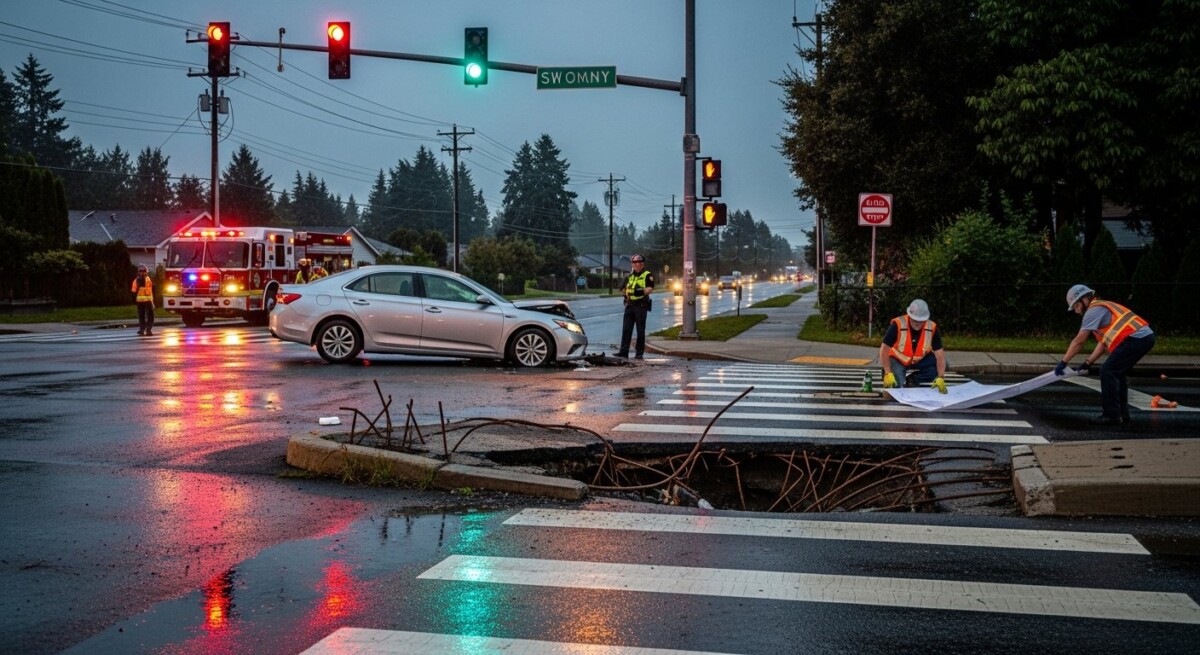
When you picture a car accident, you likely imagine a driver making a mistake: texting, speeding, or running a red light. But what if the road itself was the problem? A poorly designed intersection, a missing guardrail, or a confusing lane merge can turn a routine drive into a crash. These design flaws raise a critical question: who is legally responsible when the roadway contributes to the collision?
Road design impacts accident responsibility in ways that many victims overlook. While drivers are often presumed at fault, government agencies, contractors, and even private property owners can share liability for unsafe conditions. Understanding this side of an accident claim can significantly affect your ability to recover full compensation. In this article, we will explore how roadway defects influence fault, what evidence matters, and how to protect your rights after a crash.
The Legal Concept of Roadway Liability
Roadway liability stems from the principle that those who design, build, and maintain roads owe a duty of care to the public. When a road is dangerous and that danger causes an accident, the responsible entity may be held liable for damages. This concept is often called “governmental liability” or “premises liability,” depending on who owns the road.
In most states, government entities have some immunity from lawsuits, but there are exceptions. Many jurisdictions allow claims against municipalities, counties, or state agencies if they had notice of a dangerous condition and failed to fix it. For example, if a city knew about a pothole that had caused previous accidents and did not repair it, a victim may have grounds for a claim. The key is proving that the entity was negligent in its design, construction, or maintenance.
Private entities can also be liable. If a construction company builds a road with improper drainage or a developer designs a parking lot with blind corners, they may share fault. Road design impacts accident responsibility because a defect can reduce the driver’s percentage of fault, or even shift liability entirely to the entity that created the hazard.
Common Road Design Defects That Cause Accidents
Roadway defects come in many forms, and they can turn a normal driving situation into a dangerous one. Here are the most common design issues that lead to crashes:
- Inadequate signage: Missing or confusing signs, such as no warning for a sharp curve or a stop sign hidden by foliage, can cause drivers to react too late.
- Poor sight distance: Hills, curves, or overgrown vegetation that block a driver’s view of oncoming traffic or pedestrians create high-risk zones.
- Defective traffic signals: Malfunctioning lights or poorly timed signals can lead to intersection collisions.
- Improper lane design: Lanes that are too narrow, merge points without enough acceleration space, or confusing lane markings cause sideswipes and rear-ends.
- Drainage problems: Water pooling on the road due to poor drainage increases the risk of hydroplaning and loss of control.
Each of these defects can be a basis for liability. However, proving that a design flaw caused the accident requires a detailed investigation. Photos, expert testimony, and maintenance records are often essential to show that the road was unreasonably dangerous.
How Comparative Fault Affects Your Claim
Most states use a comparative fault system, which means that each party’s percentage of fault is determined and damages are reduced accordingly. Road design impacts accident responsibility because a defect can change the fault allocation. For instance, if a driver was speeding but also encountered a poorly banked curve that was known to be hazardous, the jury might assign 40% fault to the government and 60% to the driver. The driver’s compensation would then be reduced by their share of fault.
In pure comparative fault states, you can recover damages even if you are 99% at fault, though your award is reduced. In modified comparative fault states, you may be barred from recovery if you are more than 50% or 51% at fault. This makes it critical to identify all contributing factors, including roadway defects, to minimize your own level of fault.
For example, consider a collision at an intersection where a stop sign is blocked by a tree branch. If the driver fails to stop and hits another car, the driver is clearly negligent. But if the city failed to trim the tree despite complaints, the city shares responsibility. A skilled attorney can argue that the driver’s liability is reduced because the road design and maintenance were deficient.
Evidence Needed to Prove Roadway Negligence
Building a case against a government entity or private company requires strong evidence. Unlike a typical driver negligence case, roadway claims often require proving that the entity had prior notice of the danger. Here are the types of evidence that can make or break your case:
- Accident reports: Police reports often note road conditions, and if the officer mentions a defect, it strengthens your claim.
- Photographs and videos: Take pictures of the road, signs, and any obstructions immediately after the accident. Also look for traffic cameras or dashcam footage.
- Maintenance records: Requests for repairs, complaints from other drivers, and inspection logs show that the entity knew about the problem.
- Expert testimony: A traffic engineer can analyze the road design and explain how it deviates from accepted standards.
- Historical crash data: Evidence of prior accidents at the same location demonstrates a pattern of danger.
Gathering this evidence can be challenging because government entities are often slow to respond to public records requests. That is why working with an experienced attorney is beneficial. They can navigate the legal process and compel the release of important documents.
Special Rules for Claims Against the Government
If your claim involves a public road, you must follow strict procedures. Most states have a “notice of claim” requirement, which means you must file a formal notice with the government agency within a short deadline, often 90 days to six months. Missing this deadline can bar your claim entirely.
Additionally, there are often caps on damages in governmental liability cases. Some states limit non-economic damages, such as pain and suffering, to a specific dollar amount. This makes it even more important to maximize your claim by including all liable parties.
For example, if a state highway has a dangerous median barrier that causes a catastrophic injury, you may need to sue both the state and the design firm. Each defendant may have different limits and defenses. An attorney can help you identify all potential parties and file the necessary paperwork on time.
The Role of Roadway Design in Intersection Accidents
Intersections are among the most dangerous parts of any road network, and design flaws are common culprits. Poor visibility due to parked cars, inadequate left-turn lanes, or missing traffic signals can all lead to T-bone collisions, rear-end crashes, and pedestrian accidents. Road design impacts accident responsibility in these cases because the intersection itself may be the primary cause.
Consider a scenario where a left-turn lane is too short, forcing drivers to stop in the through lane. This can cause a rear-end collision when a following driver does not expect a sudden stop. The city may be liable for designing a lane that does not meet traffic volume needs. Similarly, if a crosswalk is poorly marked and a pedestrian is struck, the city could be at fault for failing to provide adequate safety measures.
In such cases, the driver may still be partially at fault, but the road defect can shift a significant portion of liability. A thorough investigation by an attorney can uncover design standards and compare them to the actual roadway, revealing violations that support your claim.
Construction Zones and Temporary Design Hazards
Construction zones present unique challenges because the road layout is often temporary and may not follow standard design guidelines. Cones, barriers, and signage can be misplaced, lanes can be narrowed abruptly, and surfaces can be uneven. When these conditions cause an accident, responsibility may fall on the construction company, the contractor, or the government agency overseeing the project.
For example, if a construction crew fails to place warning signs before a lane shift, a driver may enter the zone at full speed and crash into a barrier. The company’s failure to follow traffic control plans is a clear design flaw. In other cases, the design of the temporary layout itself may be flawed, such as creating a sharp turn with no warning.
These claims can be complex because multiple entities are involved. The general contractor, subcontractors, and the state’s department of transportation may all share liability. Determining who is responsible requires a detailed review of contracts and safety plans.
How to Prove That a Road Defect Caused the Accident
Proving causation is the most difficult part of a roadway liability claim. You must show that the defect, not just the driver’s actions, was a substantial factor in causing the crash. This often requires expert testimony to demonstrate that a reasonable driver would have been unable to avoid the accident given the road’s condition.
For instance, if a road has a sudden drop-off at the shoulder, and a driver drifts slightly and overcorrects, causing a rollover, an expert might testify that the drop-off was dangerously steep and should have been protected by a guardrail. Without that testimony, the defense may argue that the driver’s inattention was the sole cause.
Expert witnesses can also reconstruct the accident using physics and computer modeling. They can show how the road design contributed to the loss of control, even if the driver made a minor error. This evidence is often pivotal in convincing a jury to assign a significant percentage of fault to the road owner.
When a Driver’s Actions Override Design Flaws
Road design impacts accident responsibility, but it does not eliminate the driver’s duty to operate safely. If a driver was intoxicated, speeding excessively, or ignoring obvious warning signs, the court may still assign most of the fault to the driver. The key is whether the driver’s actions were a foreseeable response to the road conditions.
For example, if a driver runs a red light at an intersection with perfect visibility, the design is not a factor. But if the light is hidden by a hill or the signal is not visible until it is too late, the driver may have a valid defense. Courts look at whether the road was reasonably safe for a careful driver. If the design creates a trap that would catch even an attentive driver, liability may shift.
In practice, this means that a roadway defect can reduce your share of fault, but it rarely excuses reckless behavior. That is why an attorney will carefully evaluate all evidence to determine the best strategy for minimizing your liability and maximizing recovery.
The Importance of Legal Representation
Handling a claim that involves road design is not a DIY project. The legal and technical hurdles are significant, and the stakes are high. A knowledgeable attorney can identify liable parties, gather critical evidence, and negotiate with insurance companies that are often reluctant to pay claims against government entities.
If you are in a situation where road design may have contributed to your accident, consulting with a lawyer is essential. They can help you understand your rights, assess the strength of your case, and guide you through the claims process. In our guide on finding expert lawyers for road accident claims, we explain how to choose the right representation. Additionally, how lawyers for road traffic accidents maximize your compensation offers insights into the strategies that can increase your settlement.
For those involved in specific regional cases, such as navigating a West Palm Beach car accident claim or navigating Memphis car accident claims, local knowledge can be invaluable. Road design standards vary by state and city, so an attorney who knows the local regulations can better argue your case.
Frequently Asked Questions
Can I sue the city if a pothole caused my accident?
Yes, you may be able to sue the city if a pothole caused your accident, but you must prove that the city knew about the pothole and failed to fix it. Many states require that you file a notice of claim within a short deadline, so act quickly.
What if the road design was approved by engineers?
Approval does not automatically protect the government or design firm. If the design deviates from accepted engineering standards and creates an unreasonable risk, it can still be considered negligent. Expert testimony is often needed to show the flaw.
How long do I have to file a claim for a roadway defect?
The statute of limitations varies by state, but for claims against government entities, the deadline is often much shorter, sometimes 90 days. Consult an attorney immediately to avoid missing the deadline.
Will my insurance cover an accident caused by a road defect?
Your collision coverage may pay for your vehicle damage, but for injury claims, you will need to pursue the responsible government entity or private company. A lawyer can help you file the proper claim.
Next Steps After a Roadway-Related Accident
If you have been injured in an accident where the road design may have played a role, take these steps to protect your rights:
- Seek medical attention immediately and document all injuries.
- Take photos of the road, signs, and any defects, as well as your vehicle’s position.
- Report the accident to the police and obtain a copy of the report.
- Preserve any evidence, such as dashcam footage or witness contact information.
- Consult a personal injury attorney who has experience with roadway liability claims.
Each of these steps is vital. The evidence you collect right after the accident can be the difference between a successful claim and a denial. An attorney can handle the legal complexities while you focus on recovery.
Road design impacts accident responsibility more than most people realize. By understanding how roadway defects contribute to crashes, you can ensure that all responsible parties are held accountable. This not only increases your chances of fair compensation but also encourages safer road infrastructure for everyone. If you believe a road defect caused your accident, do not wait. The sooner you act, the stronger your case will be.

About Elira Vaughn
Recent Posts
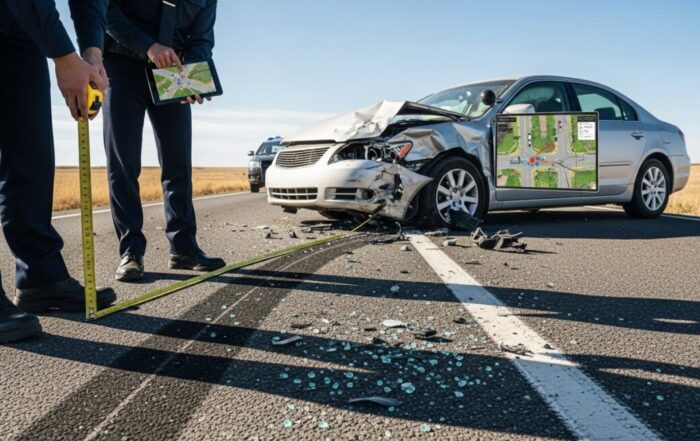
How Speed Is Proven After a Crash: Key Evidence
Learn how speeding is proven after an accident using EDR data, skid marks, and video. Call (833) 227-7919 for a free attorney referral.
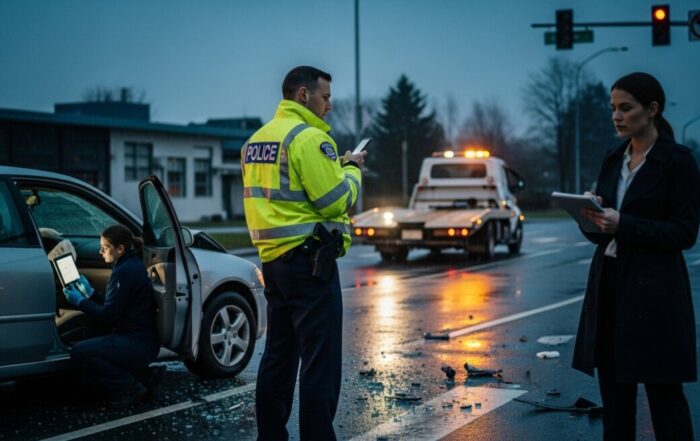
How Texting Evidence Is Used in Accident Cases
Discover how texting evidence is used in accident cases to prove fault and win claims. Call (833) 227-7919 for a free case review.

How Texting Evidence Is Used in Accident Cases
Learn how texting evidence is used in accident cases and how it can prove fault or challenge claims. Call (833) 227-7919 for a free attorney referral.