
How Surveillance Footage Affects Settlement Outcomes
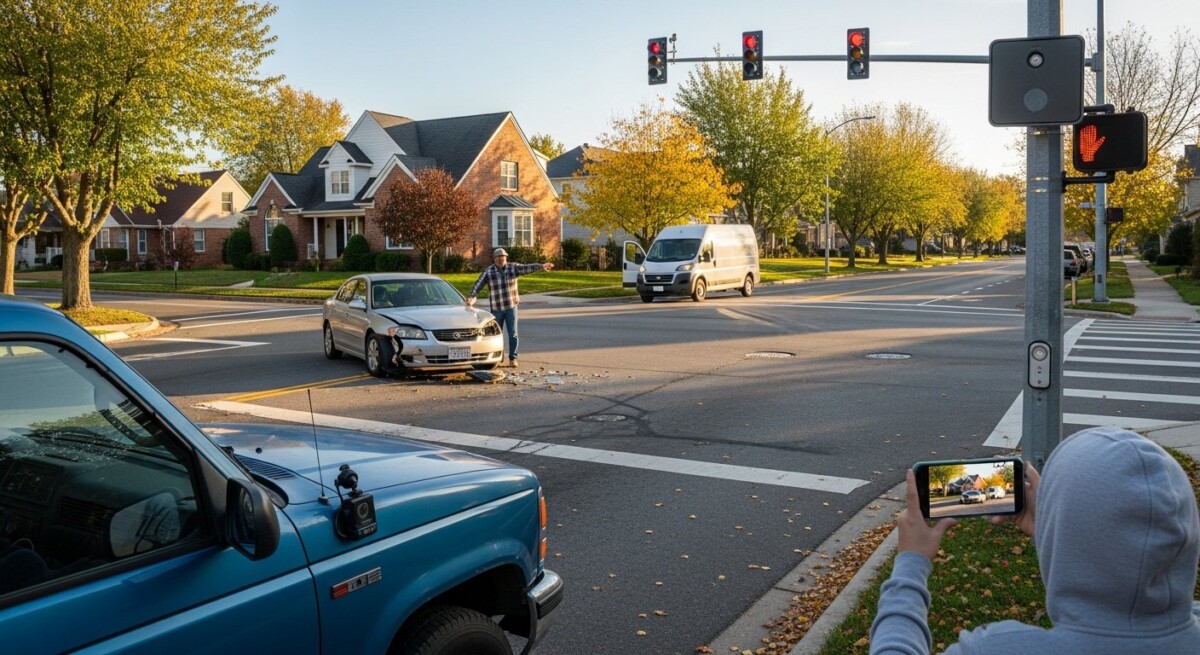
When you file a personal injury claim after a car crash or a slip and fall, the insurance company is not simply taking your word for what happened. They are looking for evidence, and one of the most powerful pieces of evidence in the digital age is surveillance footage. Whether it comes from a nearby traffic camera, a doorbell camera, a store’s security system, or even a bystander’s smartphone, video can change the entire trajectory of your case. The question is not whether footage exists, but how it is used, and more importantly, how it can influence the final settlement number. Understanding how surveillance footage affects settlement outcomes is essential for anyone pursuing a claim, because a single clip can either validate your version of events or undermine it completely.
Insurance adjusters are trained to minimize payouts, and they will scrutinize every frame of available video to find inconsistencies. They may look for you moving in a way that contradicts your claimed injuries, or they may look for evidence that you were partially at fault. On the other hand, footage that clearly shows the other party’s negligence can give you tremendous leverage. This article will walk you through the practical ways surveillance video impacts negotiations, what you should do if footage exists, and how to work with a legal team to maximize the value of your claim.
The Role of Video Evidence in Liability Determination
Liability is the foundation of any personal injury settlement. Before an insurer writes a check, they must be convinced that their policyholder caused the accident. Surveillance footage often provides the clearest picture of how an incident occurred. A short video clip showing a driver running a red light or a store employee ignoring a wet floor hazard can be worth more than a dozen witness statements. This is why attorneys and adjusters alike treat video as the gold standard of evidence.
For example, in a rear-end collision case, the at-fault driver is almost always presumed negligent. But what if the video shows the lead car suddenly reversing for no reason? That changes everything. Similarly, in a slip and fall case, the defense will argue that the hazard was open and obvious, or that the plaintiff was not paying attention. A surveillance tape that shows the plaintiff looking at their phone right before the fall can drastically reduce the settlement value. Conversely, a tape showing the store manager walking past the spill without cleaning it up can make the defendant’s liability almost impossible to deny.
When liability is clear, the settlement process becomes much faster. Insurance companies are less likely to drag their feet or demand excessive discovery when they know a jury would likely side with the plaintiff. This is where the strategic use of video evidence can shift the balance of power in negotiations. A skilled attorney will present the footage early to signal that the case is strong and that a trial could result in a much higher verdict.
How Footage Impacts Injury Valuation
Beyond liability, surveillance footage can also affect the value assigned to your injuries. Insurers often use video to challenge the severity or duration of your pain. They might hire an investigator to film you weeks after the accident, looking for moments where you lift heavy objects, run, or bend without apparent difficulty. If the defense obtains footage that contradicts your reported limitations, they will use it to argue that your injuries are exaggerated or even fabricated.
This does not mean that every video of you doing something active will destroy your claim. Many legitimate injuries have good days and bad days, and a single clip of you carrying groceries does not prove you are pain-free. But the way the footage is presented can matter. Defense attorneys are skilled at making innocent actions look suspicious. They might show a clip of you dancing at a wedding, even if you spent the rest of the week unable to sleep due to back pain. This is why it is critical to be honest with your doctors and to document your limitations thoroughly.
On the flip side, surveillance footage can also work in your favor when it comes to damages. If the video shows the immediate aftermath of the accident, such as you being unable to get out of your car or visibly grimacing in pain, that can be powerful evidence of the severity of your injuries. It can also capture the force of the impact, which helps biomechanical experts and medical professionals establish a causal link between the collision and your condition. In cases where the footage is neutral or even supportive, it can prevent the insurer from lowballing you based on speculation.
Practical Steps to Protect Your Claim When Video Exists
If you know there is surveillance footage of your accident, you need to act quickly to preserve it. Many businesses and public agencies only keep video for a limited time, sometimes as little as 72 hours. If you wait, the evidence may be overwritten or deleted. Here is a practical checklist to follow:
- Identify the source of the footage: note the exact location of cameras, business names, or traffic signal boxes that may have captured the incident.
- Send a preservation letter: your attorney can issue a formal request to retain the video until a subpoena is obtained.
- Collect witness phone footage: ask anyone who was at the scene if they recorded anything on their phone.
- Take your own photos and videos: capturing the scene, vehicle damage, and your visible injuries can help establish context.
- Do not post on social media: any video you upload can be used against you, even if it seems harmless.
These steps are not just about gathering evidence. They are about controlling the narrative. If the insurer knows that favorable footage exists, they may be more willing to offer a fair settlement early on. If they suspect that footage is missing or was destroyed, they may assume the evidence was unfavorable to you. That assumption can work against you, so it is crucial to have a clear strategy for how to handle the video evidence.
Using Footage to Pressure Insurers
One of the most effective ways to use surveillance footage is as a negotiation tool. When you have clear video showing the defendant’s fault, your attorney can present it to the insurer with a demand package. The message is simple: this is what a jury will see, and this is why your policy limits are the starting point for negotiations. This approach often leads to faster settlements because the insurer recognizes the risk of a high verdict at trial.
However, the opposite is also true. If the footage shows that you were partially at fault, the insurer will use it to reduce your compensation. Most states apply comparative negligence rules, which means your settlement is reduced by your percentage of fault. For example, if you are found to be 20% at fault, your maximum recovery is reduced by 20%. Video evidence is often the primary basis for these determinations, so it is important to understand how your own actions might be perceived.
Another consideration is the concept of spoliation, which is the destruction of evidence. If the at-fault party or their insurer loses or destroys surveillance footage that would have been favorable to you, the court can impose sanctions. This can include an instruction to the jury that they may presume the missing evidence was unfavorable to the party who destroyed it. This legal doctrine can be a powerful deterrent against careless evidence handling, and it is another reason why you need an attorney who understands how to litigate these issues.
When Surveillance Footage is Misleading
Not all video evidence is as objective as it seems. Camera angles can distort distances and speeds, poor lighting can obscure crucial details, and footage can be edited or selectively released. An experienced personal injury attorney will scrutinize the video for signs of tampering or misleading editing. They may also bring in an expert witness to analyze the footage and testify about its accuracy. This is especially important in cases where the video seems to contradict the physical evidence from the scene.
For instance, a low-resolution security camera might make a vehicle appear to be moving faster than it actually was. A wide-angle lens can make objects appear farther apart than they are. These technical issues can create a false impression, and if the insurer relies on that misinterpretation, you could be unfairly blamed. Your attorney can challenge the reliability of the footage and present counter-evidence, such as accident reconstruction data or eyewitness testimony that contradicts the video.
It is also important to remember that surveillance footage only captures a small window of time. It may not show the context leading up to the accident, such as the other driver swerving or the store employee being negligent earlier. In those cases, the video is just one piece of the puzzle, and your attorney can argue that the bigger picture tells a different story.
The Impact of Social Media and Personal Devices
In today’s world, surveillance is not limited to fixed cameras. Your own social media posts can function as surveillance evidence. If you post a video of yourself hiking or playing sports while your claim says you are bedridden, the insurer will use it against you. Even a photo that appears innocent, such as a picture of you smiling at a party, can be twisted to suggest that you are not suffering. The best practice is to avoid posting anything about your accident or your daily activities until your case is resolved.
Additionally, many people now wear body cameras or use dash cams, which can provide valuable evidence in an accident. If you have a dash cam, you should preserve the footage immediately. If you do not, you might consider asking nearby businesses for their footage before it is overwritten. The same preservation steps apply to personal devices. This type of evidence can be decisive in hit-and-run cases or when the other party provides a false account of what happened.
How an Attorney Maximizes the Value of Footage
Given the complexity of evidence rules and negotiation tactics, you should not attempt to handle surveillance footage on your own. A skilled personal injury attorney knows how to obtain the footage, how to present it effectively, and how to counter unfavorable video. They also understand the legal strategies that can pressure insurers into offering a fair settlement. If you are unsure about your rights or the strength of your case, you can use a service like LawyerOffer to connect with a qualified attorney in your area.
When you work with an attorney, they will likely start by sending preservation letters to every potential source of video. They will then review the footage with experts to determine its evidentiary value. If the footage is favorable, they will use it to demand a settlement that reflects the true value of your claim. If it is unfavorable, they will look for ways to exclude it or explain it to a jury. This level of preparation is what separates a high settlement from a low one.
It is also worth noting that the presence of clear surveillance footage can significantly shorten the time it takes to resolve a case. Instead of months of back-and-forth discovery, the parties can agree on the facts and focus on the extent of your damages. This is beneficial because it reduces the stress of litigation and allows you to move forward with your life sooner. However, you must be careful not to accept a quick offer that is lower than what you deserve. An attorney can evaluate the offer against the strength of the evidence and negotiate for more.
Frequently Asked Questions
Can surveillance footage be used against me if I did not know it existed?
Yes. Surveillance footage can be discovered during the litigation process, even if you were not aware of it at the time of the accident. Insurance companies and defense attorneys have the right to gather evidence, including video from public or private cameras, as long as it is relevant to the case. This is why it is so important to be truthful in your claim and to avoid doing anything that might be misinterpreted.
What should I do if I think surveillance footage was destroyed?
If you believe that relevant footage was destroyed, you should inform your attorney immediately. They can investigate whether the destruction was intentional or negligent. If it was, the court may impose sanctions on the responsible party, which can help your case. Additionally, your attorney may be able to use the fact that the footage was missing to argue that it would have been favorable to you.
How much does surveillance footage increase a settlement?
There is no fixed percentage, but clear video of the defendant’s fault can significantly increase the settlement value. It can also accelerate the process by removing doubt about liability. In some cases, a strong video can lead to a policy limits offer, which is the maximum amount of insurance coverage available. The exact impact depends on the severity of your injuries and the strength of the rest of your evidence.
Can I use my own phone video as evidence?
Yes, your own phone video can be very helpful, especially if it captures the scene immediately after the accident. However, you should be careful not to record anything that could be used against you, such as admitting fault or making statements about your injuries. It is best to record factual observations, like the positions of the vehicles or the condition of the road, and to avoid commentary.
Final Thoughts on Video and Your Claim
Surveillance footage is a double-edged sword. It can be the key to unlocking a fair settlement, but it can also be used to undermine your credibility. The most important thing you can do is to be proactive about preserving evidence and to work with an attorney who knows how to navigate the complexities of video evidence. If you are facing a personal injury case, do not leave your outcome to chance. Reach out to a legal professional who can help you understand how surveillance footage affects settlement outcomes and build a strategy that maximizes your recovery.
For a free case evaluation and to connect with an experienced attorney, contact LawyerOffer at (833) 227-7919 today. Understanding your rights is the first step to protecting them, and we are here to guide you through every stage of your claim.

About Lissette Hollowell
Recent Posts
How Speed Is Proven After a Crash: Key Evidence
Learn how speeding is proven after an accident using EDR data, skid marks, and video. Call (833) 227-7919 for a free attorney referral.
How Texting Evidence Is Used in Accident Cases
Discover how texting evidence is used in accident cases to prove fault and win claims. Call (833) 227-7919 for a free case review.

How Texting Evidence Is Used in Accident Cases
Learn how texting evidence is used in accident cases and how it can prove fault or challenge claims. Call (833) 227-7919 for a free attorney referral.