
How Video Evidence Strengthens Accident Claims
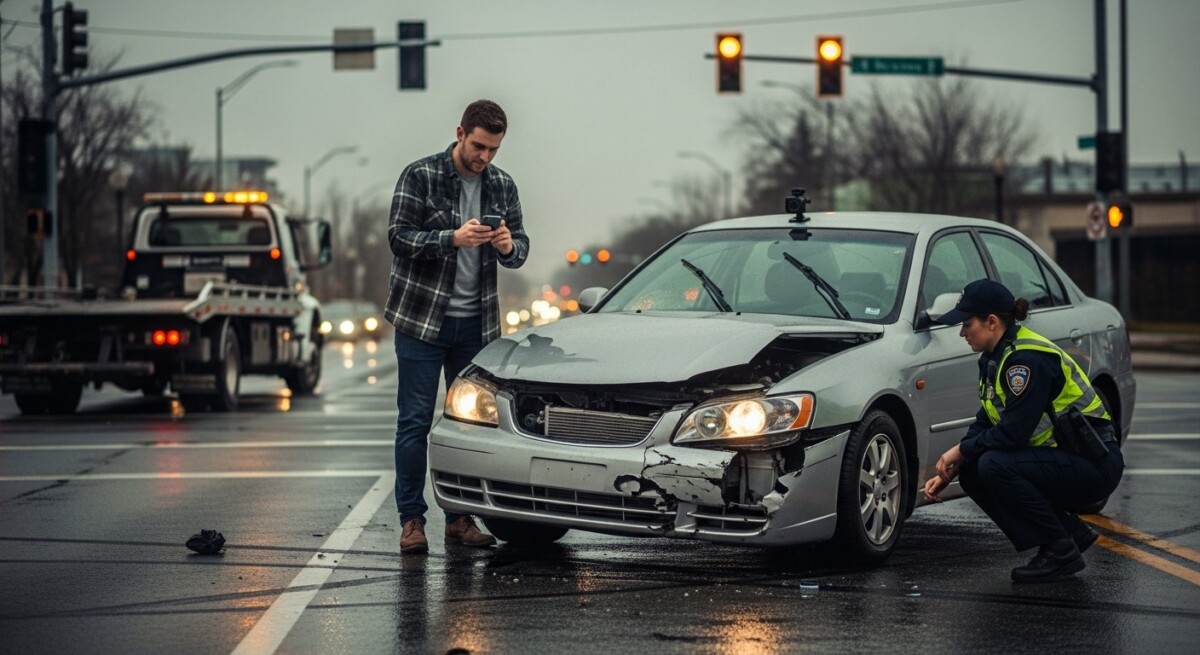
When you are involved in a car accident, the aftermath can be a blur of confusion, injuries, and mounting stress. You may be dealing with repair bills, medical appointments, and relentless calls from insurance adjusters. In the middle of this chaos, one question often looms large: how will you prove what really happened? The answer increasingly lies in video evidence. From dashboard cameras to traffic light cams and smartphone recordings, video has transformed the way accident claims are investigated and settled. This article explores how video evidence strengthens accident claims, the types of footage that matter most, and practical steps you can take to protect your rights.
The Power of Video in Proving Fault
Insurance companies and attorneys rely on evidence to determine liability. In many cases, it becomes a word-versus-word dispute between drivers. Video evidence cuts through that ambiguity by providing an objective, real-time account of the events. A short clip can show the exact moment of impact, the position of the vehicles, traffic signals, and even the weather conditions. This clarity is invaluable because it removes much of the guesswork from the claims process.
When you understand how video evidence strengthens accident claims, you realize that it does not just support your story; it often becomes the centerpiece of your case. Attorneys can use footage to challenge inaccurate police reports, refute false statements from other drivers, and negotiate more effectively with insurers. In fact, studies have shown that claims with clear video evidence settle faster and for higher amounts than those without it. The reason is simple: when the facts are undeniable, the insurance company has little room to argue.
Types of Video Evidence That Can Help
Not all video is created equal. The type of footage you provide can make a significant difference in how your claim is evaluated. Here are some of the most common and persuasive forms of video evidence used in accident cases:
- Dashboard camera footage: These cameras mount on your windshield or dashboard and continuously record the road ahead. They capture the accident in real time, including speed, lane changes, and traffic signals.
- Traffic and red-light cameras: These are often installed at busy intersections and can provide an overhead view of the collision, showing which driver ran a red light or failed to yield.
- Smartphone recordings: If you are not injured and it is safe to do so, recording the scene immediately after the crash can document vehicle positions, visible damages, and the reactions of those involved.
- Surveillance footage from nearby businesses: Stores, gas stations, and office buildings often have security cameras that may have captured the accident from a different angle.
- Body camera footage from law enforcement: If the police respond to the scene, their body cameras may record statements made by the drivers and witnesses, which can be useful later.
Each type of footage offers a unique perspective. While a single source may be compelling, combining multiple sources can create an almost complete reconstruction of the accident. For example, a dashcam from your vehicle might show the other car swerving into your lane, while a traffic camera provides a wider view of the intersection. Together, they paint a detailed picture that is difficult to dispute.
How Insurers View Video Evidence
Insurance adjusters are trained to minimize payouts. They look for any ambiguity or inconsistency in your account of the accident. Video evidence removes that ambiguity. When you provide clear footage, the adjuster knows that any lowball offer they make could be challenged in court. As a result, they are more likely to offer a fair settlement upfront. This is one of the most practical ways how video evidence strengthens accident claims: it pressures the insurer to act in good faith.
However, it is important to remember that insurers are also looking for footage that might reduce their liability. For example, if you were partially at fault for the accident, the video could be used to argue comparative negligence. That is why you should always consult with an attorney before sharing video evidence with an insurance company. A lawyer can review the footage and advise you on how to present it in a way that supports your claim without exposing unnecessary weaknesses.
At LawyerOffer, we can connect you with an experienced personal injury attorney who understands the nuances of video evidence and insurance tactics. Our referral service is free and can help you find a lawyer who will fight for your maximum recovery. If you have questions about your claim, call us at (833) 227-7919.
Steps to Secure and Preserve Video Evidence
Video evidence is only useful if it is preserved and presented correctly. Here are some steps you should take immediately after an accident to ensure you do not lose valuable footage:
- Check for dashcams: If you have a dashboard camera, save the recording right away. Most devices overwrite old footage, so make a backup to your phone or a computer as soon as possible.
- Talk to witnesses: Ask anyone who saw the accident if they recorded it on their phone or if they have a dashcam. Get their contact information and ask if they are willing to share the footage.
- Look for security cameras: Note the locations of any nearby businesses or homes that may have surveillance cameras. Write down the addresses and ask the owners to preserve the footage before it is overwritten.
- Request traffic camera footage: Many municipalities have public records request processes for obtaining footage from red-light or traffic cameras. Your attorney can help you file these requests quickly.
- Document your own video: If you are able, take a short video of the scene from your phone. Capture the positions of the vehicles, the surrounding area, and any visible injuries or damages. Do not narrate opinions about fault; simply record the facts.
Each of these steps is time-sensitive. Footage is often stored for only a few days or weeks before it is automatically deleted. Acting quickly can mean the difference between having strong evidence and having none. An attorney can also issue a preservation letter to businesses or government agencies, formally requesting that they retain the footage until your case is resolved.
The Impact on Settlement Negotiations
When you file an injury claim, the goal is to reach a settlement that fairly compensates you for your medical bills, lost wages, and pain and suffering. Video evidence can dramatically improve your leverage in these negotiations. An insurance adjuster who knows that you have clear proof of the other driver’s fault is less likely to delay or deny your claim. They understand that a jury would likely side with you, so they are motivated to settle rather than risk a trial.
In our guide on car accident claim denied? your next steps explained, we discuss what to do if the insurer rejects your claim. Video evidence is a powerful tool to overcome a denial, as it can show that the insurer’s decision was based on a misinterpretation of the facts. Similarly, in our article about essential legal advice for car accident injury claims, we emphasize the importance of a strong evidence package. Video is often the most persuasive component of that package.
It is also worth noting that video evidence can protect you from false accusations. For example, the other driver might claim that you ran a red light, but a traffic camera could prove otherwise. Without the footage, you would be left trying to defend your word against theirs. With the footage, the claim collapses, and you can move forward with confidence.
Common Pitfalls and How to Avoid Them
While video evidence is powerful, it is not without its challenges. One common issue is the authenticity of the footage. Insurers may question whether the video was edited or tampered with. To avoid this, always preserve the original file and do not alter it in any way. When you provide the footage to your attorney or the insurance company, provide a copy and keep the original safe.
Another pitfall is failing to capture the right angle. A dashcam that only shows the front of your car might miss crucial details, such as the other vehicle’s actions just before the collision. This is why multiple sources of video are often necessary. If you have footage from several angles, it gives a more complete and credible picture of the events.
Finally, do not rely solely on video evidence. It is a powerful tool, but it works best when combined with other types of evidence, such as photographs, medical records, and witness statements. An attorney can help you build a comprehensive case that leaves no room for doubt. If you are facing a complex claim, understanding defense lawyer tactics in accident cases can also help you anticipate challenges and prepare responses.
How to Present Video Evidence to an Attorney
Once you have collected video evidence, you need to present it effectively. Start by organizing the footage into a clear timeline. Label each clip with the date, time, and location of the accident. If there are multiple clips, arrange them in the order they were recorded. This makes it easier for your attorney to review and understand the sequence of events.
You should also provide any context that is not visible in the video. For example, if the video does not show that you were braking before the impact, you might need to explain that in a written statement. However, do not add opinions or assumptions. Stick to the facts and let the video speak for itself.
Your attorney will then determine the best way to use the footage. This might involve sending it to the insurer with a demand letter, using it during mediation, or presenting it in court. In some cases, a video expert may be brought in to enhance or analyze the footage, especially if the quality is poor or the key moments are unclear.
Frequently Asked Questions
Can I use my smartphone video in my accident claim?
Yes, smartphone video is generally admissible as evidence if it is relevant and authentic. It can be particularly useful for documenting the immediate aftermath of the accident, including the positions of the vehicles and any visible injuries. Just be sure to capture the scene accurately and avoid making any statements that could be interpreted as admitting fault.
What if the video evidence is not clear enough?
Even unclear video can be helpful, especially when combined with other evidence. An attorney or video expert may be able to enhance the footage to reveal important details. If the video is too grainy or incomplete, it may still support your account, but it should not be your only piece of evidence.
Do I need a lawyer to use video evidence?
While you can submit video evidence to an insurance company directly, having a lawyer significantly improves your chances of a favorable outcome. An attorney can ensure the footage is properly preserved, admitted, and used strategically in negotiations or litigation. If you are unsure about your claim, it is wise to consult with a professional. You can reach out to us at (833) 227-7919 for a free referral.
Take the Next Step with Confidence
Video evidence has become an essential tool in accident claims. It provides clarity, strengthens your position, and often speeds up the settlement process. But navigating the legal system can still be complex. That is why having the right attorney on your side makes all the difference. At LawyerOffer, we help connect you with experienced lawyers who can evaluate your case and guide you through every step. Whether you are just starting your claim or need help after a denial, we are here to assist. Call us today at (833) 227-7919 to discuss your situation and find the legal representation you deserve.
Do not let the aftermath of an accident overwhelm you. With the right evidence and the right legal team, you can secure the compensation you need to move forward. Video evidence is your ally, and LawyerOffer is your bridge to justice. For more detailed guidance on the claims process, read our article on filing a claim after a car accident: what you need to know, and take the first step toward recovery.

About Viona Hartwell
Recent Posts
How Speed Is Proven After a Crash: Key Evidence
Learn how speeding is proven after an accident using EDR data, skid marks, and video. Call (833) 227-7919 for a free attorney referral.
How Texting Evidence Is Used in Accident Cases
Discover how texting evidence is used in accident cases to prove fault and win claims. Call (833) 227-7919 for a free case review.

How Texting Evidence Is Used in Accident Cases
Learn how texting evidence is used in accident cases and how it can prove fault or challenge claims. Call (833) 227-7919 for a free attorney referral.